


Essential Guide to Skin Care Supplies for Every Routine
Building an effective skincare routine starts with understanding which skin care supplies you genuinely need and how they work together to support your skin's health. With countless products flooding the market, from cleansers and toners to serums and moisturisers, it's easy to feel overwhelmed by choice. The good news is that creating a personalised routine doesn't require dozens of products or a complicated regimen. Instead, focusing on high-quality, natural ingredients and understanding your skin's unique needs will help you select the right skin care supplies that deliver real results. Whether you're just starting your skincare journey or looking to refine your existing routine, knowing what to look for in your products makes all the difference.
Understanding Your Essential Skin Care Supplies
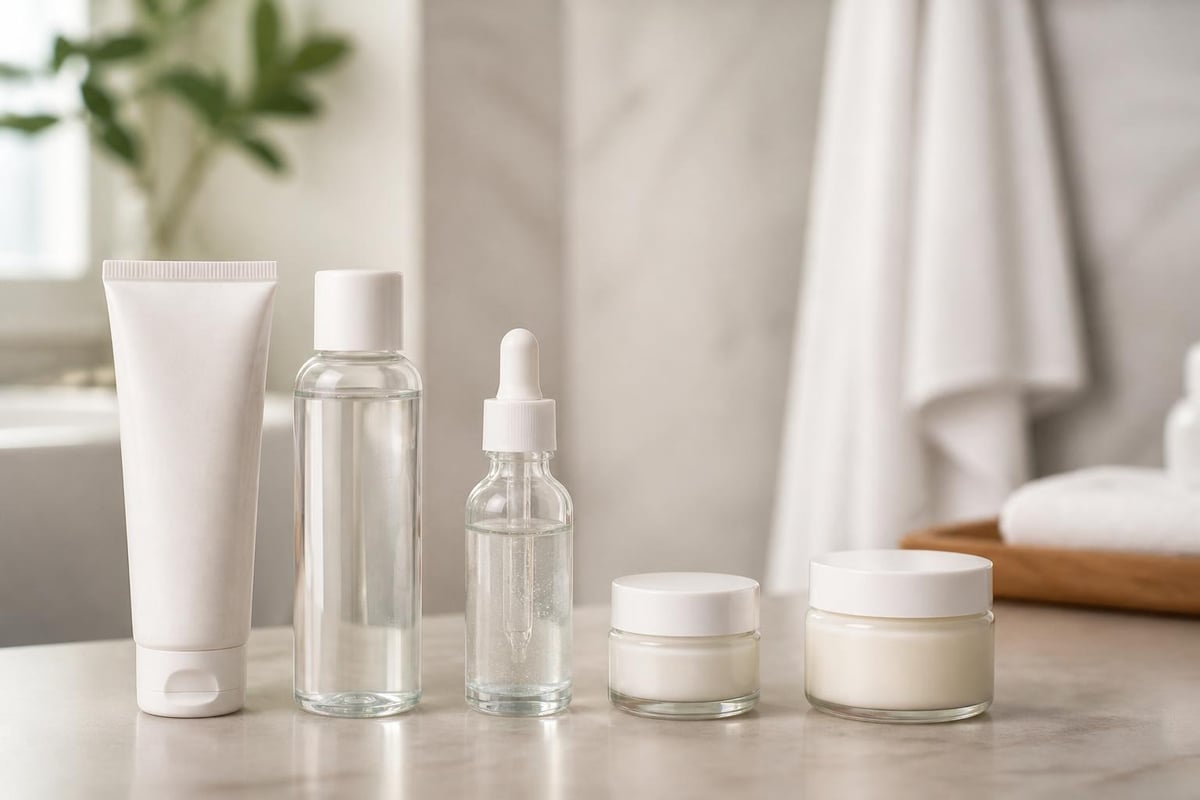
Every effective skincare routine relies on a foundation of core products that cleanse, protect, and nourish your skin. These fundamental skin care supplies form the backbone of healthy skin maintenance, regardless of your specific concerns or skin type.
The most basic routine includes three key steps: cleansing, toning, and moisturising. Cleansers remove daily build-up of dirt, excess oil, and environmental pollutants that accumulate on your skin throughout the day. Toners help balance your skin's pH levels whilst preparing it to absorb subsequent products more effectively. Moisturisers lock in hydration and create a protective barrier against moisture loss.
Beyond these essentials, targeted treatments address specific concerns. Serums deliver concentrated active ingredients deep into the skin, whilst eye creams target the delicate skin around your eyes. Exfoliants remove dead skin cells to reveal brighter, smoother skin underneath.
Building Your Core Collection
When selecting your foundation skin care supplies, quality always trumps quantity. The American Academy of Dermatology offers essential skin care tips that emphasise the importance of consistency and appropriate product selection for your skin type.
Here's what your core collection should include:
- Gentle cleanser suitable for daily use
- Alcohol-free toner to balance and refresh
- Hydrating serum with active ingredients
- Moisturiser matched to your skin type
- Sunscreen for daytime protection (SPF 30 minimum)
For those seeking gentle skin products, plant-based formulations offer effective cleansing without stripping your skin's natural oils. Many conventional cleansers contain harsh sulphates that can disrupt your skin barrier, leading to dryness and sensitivity.
Choosing Natural and Vegan Skin Care Supplies
The shift towards natural and vegan skin care supplies reflects growing awareness about what we put on our skin and its environmental impact. Natural ingredients derived from plants, minerals, and botanicals often provide gentle yet effective alternatives to synthetic compounds.
Plant-based oils like rosehip, jojoba, and camellia deliver essential fatty acids that nourish and protect your skin. Botanical extracts from flowers, herbs, and fruits provide antioxidants that combat free radical damage. These ingredients work in harmony with your skin's natural processes rather than against them.
Vegan formulations exclude all animal-derived ingredients and by-products, including beeswax, lanolin, and collagen. This ethical approach doesn't mean compromising on effectiveness. Modern vegan face lotions use innovative plant alternatives that deliver comparable or superior results to traditional formulations.
| Ingredient Type | Traditional Source | Vegan Alternative | Key Benefits |
|---|---|---|---|
| Moisturising | Lanolin | Shea butter, coconut oil | Deep hydration, skin barrier support |
| Exfoliating | Crushed shells | Jojoba beads, fruit enzymes | Gentle cell turnover, brightening |
| Soothing | Beeswax | Candelilla wax, plant butters | Calming, protective barrier |
| Anti-ageing | Animal collagen | Plant peptides, vitamin C | Firmness, elasticity support |
Reading Labels and Understanding Ingredients
When shopping for skin care supplies, understanding ingredient lists helps you make informed choices. According to Cleveland Clinic's guidance on natural skin care, reading labels carefully prevents exposure to potential allergens and ensures products align with your values.
Ingredients appear in descending order by concentration, meaning the first five ingredients make up the majority of the formula. Look for recognisable plant names and avoid long lists of synthetic chemicals you can't pronounce.
Key ingredients to seek:
- Hyaluronic acid for hydration
- Vitamin C for brightening
- Niacinamide for pore refinement
- Plant oils for nourishment
- Natural butters for protection
Tailoring Skin Care Supplies to Your Skin Type
Selecting appropriate skin care supplies requires understanding your skin type and its changing needs. Your skin type determines which products will support your skin's health versus potentially causing irritation or imbalance.
Dry Skin Essentials
Dry skin craves rich, nourishing formulations that replenish moisture and strengthen the skin barrier. Products designed for dry skin focus on intensive hydration and protection against moisture loss.
Your skin care supplies should include:
- Creamy, oil-based cleansers that don't strip natural oils
- Hydrating toners with humectants like glycerin
- Rich moisturisers containing ceramides and plant butters
- Nourishing facial oils for added protection
Avoid harsh exfoliants and alcohol-based toners that further deplete moisture. Instead, opt for gentle, milk-based cleansers and cream formulations that cocoon your skin in comfort.
Sensitive Skin Considerations
Sensitive skin requires extra care when choosing skin care supplies. Those with reactive skin benefit from face products for sensitive skin that minimise potential irritants whilst delivering effective results.
Select products with:
- Minimal ingredient lists
- Fragrance-free formulations
- Soothing botanical extracts like chamomile and calendula
- pH-balanced formulas
- Hypoallergenic certifications
Patch testing new products before full application helps identify potential reactions. Apply a small amount to your inner wrist or behind your ear and wait 24 hours to check for adverse responses.

Combination and Oily Skin Solutions
Combination and oily skin types need balanced skin care supplies that control excess sebum without over-drying. The challenge lies in addressing different zones appropriately whilst maintaining overall skin health.
Look for lightweight, gel-based formulations that hydrate without adding heaviness. Water-based moisturisers provide essential hydration whilst allowing skin to breathe. Ingredients like niacinamide help regulate oil production naturally.
Quality Indicators in Skin Care Supplies
Not all skin care supplies deliver equal value or results. Understanding quality markers helps you invest wisely in products that genuinely benefit your skin. The SkinTRUST Society provides insights into verifying product claims and understanding regulatory standards.
Manufacturing Standards and Certifications
Reputable brands maintain high manufacturing standards and obtain relevant certifications. Look for products made in facilities following Good Manufacturing Practices (GMP), ensuring consistency, safety, and quality control.
Important certifications include:
- Vegan Society certification
- Cruelty-free verification (Leaping Bunny)
- Organic certifications (Soil Association, COSMOS)
- Dermatologically tested confirmation
These certifications provide third-party validation that products meet specific standards. They're particularly important for those seeking best non-toxic skincare brands that align with health-conscious values.
Packaging and Preservation
Quality skin care supplies come in packaging designed to protect active ingredients from degradation. Airless pumps, dark glass bottles, and opaque containers shield light-sensitive ingredients like vitamin C and retinol from oxidation.
Natural preservatives maintain product safety without harsh chemicals. Plant-derived preservatives and antioxidants like vitamin E prevent bacterial growth whilst maintaining ingredient integrity.
Building an Effective Routine with Your Skin Care Supplies
Having the right skin care supplies means nothing without proper application. The sequence and technique you use significantly impact how well products perform and how your skin responds.
Morning Routine Structure
Your morning routine prepares and protects your skin for the day ahead. Start with gentle cleansing to remove overnight oil production, then layer products from thinnest to thickest consistency.
Optimal morning sequence:
- Gentle cleanser
- Hydrating toner
- Vitamin C serum (optional)
- Eye cream
- Moisturiser
- Sunscreen
This layering technique ensures each product absorbs properly before applying the next. Wait 30-60 seconds between steps for better penetration.
Evening Routine Essentials
Evening routines focus on repair and renewal whilst your skin rests. Healthline's skin care guidance emphasises the importance of thorough cleansing to remove daily accumulation.
Your night-time skin care supplies work harder because your skin's regeneration processes peak during sleep. Double cleansing removes makeup and sunscreen effectively, followed by treatments that support overnight repair.
The evening presents the ideal time for richer formulations and active treatments. Night creams typically contain higher concentrations of nourishing ingredients that might feel too heavy during the day.

Seasonal Adjustments to Your Skin Care Supplies
Your skin's needs fluctuate throughout the year, requiring adjustments to your skin care supplies. Environmental factors like temperature, humidity, and indoor heating affect how your skin behaves and what it requires.
Winter Skin Care Adaptations
Cold weather and central heating strip moisture from your skin, demanding richer formulations. Switch to cream-based cleansers and heavier moisturisers during winter months. Adding facial oils to your routine provides extra protection against harsh conditions.
Layer products strategically to create a moisture barrier that shields against environmental stress. Consider incorporating overnight masks once or twice weekly for intensive hydration.
Summer Modifications
Warmer weather and increased humidity mean your skin produces more oil naturally. Lighten your skin care supplies by switching to gel or lotion formulations that won't feel heavy or greasy.
Increase your focus on antioxidant-rich products that protect against sun damage and environmental pollutants. Even if you're using sunscreen, additional antioxidant protection enhances your skin's defence mechanisms.
Storage and Maintenance of Skin Care Supplies
Proper storage extends the life and effectiveness of your skin care supplies. Many active ingredients degrade when exposed to heat, light, or air, reducing their potency and benefits.
Store products in cool, dry places away from direct sunlight. Bathrooms, despite being convenient, often experience temperature and humidity fluctuations that can compromise product stability. Consider keeping your skin care supplies in bedroom drawers or dedicated storage boxes.
| Storage Factor | Best Practice | Why It Matters |
|---|---|---|
| Temperature | Cool, consistent (15-25°C) | Prevents ingredient separation |
| Light exposure | Dark or opaque containers | Protects photosensitive ingredients |
| Humidity | Low moisture environment | Prevents bacterial growth |
| Air exposure | Sealed containers, pumps | Minimises oxidation |
Check expiration dates and PAO (Period After Opening) symbols regularly. Most products remain effective for 6-12 months after opening, though this varies by formulation and preservative system.
Sustainability in Skin Care Supplies
Environmental consciousness increasingly influences skin care supply choices. Sustainable practices encompass ingredient sourcing, packaging materials, and production methods that minimise environmental impact.
Refillable containers reduce packaging waste significantly. Glass and aluminium packaging offer recyclable alternatives to plastic. Some brands now use post-consumer recycled materials or biodegradable packaging options.
Sustainable features to consider:
- Recyclable or biodegradable packaging
- Concentrated formulas requiring less product
- Refill programmes and schemes
- Locally sourced ingredients
- Carbon-neutral shipping options
Supporting UK skincare brands often reduces transportation emissions whilst supporting local economies. British brands frequently maintain higher environmental standards and transparency about their sourcing practices.
Budget-Friendly Approaches to Skin Care Supplies
Quality skin care supplies don't necessarily require substantial investment. Strategic purchasing and focusing on essentials helps you maintain healthy skin without overspending.
Prioritise the fundamentals: cleanser, moisturiser, and sun protection. These three products form the foundation of any effective routine. Once you've established your core collection, gradually add treatments targeting specific concerns.
Multi-purpose products offer excellent value. A good facial oil can serve as a serum, moisturiser booster, or makeup remover. Cleansing balms remove makeup and cleanse in one step, eliminating the need for separate products.
Sample sizes let you test products before committing to full-size purchases. Many brands offer sample options that allow you to trial formulations and ensure compatibility with your skin.
Investing Wisely in Quality
While budget considerations matter, investing in quality skin care supplies often proves more economical long-term. Well-formulated products require smaller amounts per application and deliver better results, meaning bottles last longer and you need fewer products overall.
Consider cost-per-use rather than just purchase price. A £30 serum lasting three months costs less daily than a £15 product you replace monthly. Quality formulations with higher active ingredient concentrations often perform better at lower volumes.
Addressing Common Concerns with Skin Care Supplies
Many people struggle with selecting appropriate skin care supplies due to persistent myths and misconceptions. Separating fact from fiction helps you make better choices for your skin's health.
Natural Versus Synthetic Debate
The natural versus synthetic debate continues in skincare discussions. Natural doesn't automatically mean better or safer, just as synthetic doesn't guarantee harm. DermNet provides evidence-based information on skin health that helps contextualise these choices.
Quality matters more than origin. Well-formulated synthetic ingredients can be gentler and more stable than their natural counterparts. Conversely, natural ingredients offer the benefit of multiple complementary compounds that work synergistically.
For those seeking non-toxic skincare, the focus should be on avoiding proven harmful ingredients rather than blindly favouring natural or synthetic options. Research individual ingredients rather than making assumptions based on their source.
Product Layering Concerns
Questions about layering multiple skin care supplies often arise. Can you use too many products? How many is too many? The answer depends on your skin's tolerance and the specific products involved.
Start minimal and build gradually. Adding one new product at a time helps you identify what works and what doesn't. If your skin feels congested or irritated, you're likely using too many products or incompatible combinations.
Some ingredients work beautifully together whilst others compete or counteract each other's effects. Vitamin C and niacinamide, once thought incompatible, actually complement each other well in modern formulations. However, using multiple acids simultaneously can over-exfoliate and damage your skin barrier.
Professional Guidance and Skin Care Supplies
While many can successfully manage their routines independently, professional input sometimes proves invaluable. Dermatologists and skincare specialists provide personalised recommendations based on detailed skin analysis.
Professional consultations help identify underlying conditions affecting your skin's appearance and health. What seems like simple dryness might actually be eczema requiring specific treatment. Persistent breakouts could indicate hormonal imbalances or sensitivities requiring different approaches than standard acne products.
When purchasing skin care supplies, the Garcia Institute highlights the importance of buying from authorised vendors. Counterfeit products and grey market goods lack quality control and may contain harmful ingredients not listed on labels.
Stick to reputable retailers, brand websites, and verified stockists. If a deal seems too good to be true, it probably is. Authentic products maintain consistent pricing across authorised sellers, with variations typically limited to standard promotional periods.
Selecting the right skin care supplies transforms your daily routine from a chore into an act of self-care that delivers visible results. By focusing on quality ingredients, understanding your skin's unique needs, and building a consistent routine with products that align with your values, you'll achieve the healthy, radiant complexion you deserve. If you're ready to experience the difference that natural, vegan formulations can make, White Rabbit Skin Care offers thoughtfully crafted products designed to nourish your skin whilst respecting the planet. Our range of cleansers, toners, moisturisers, and treatments provides everything you need for a complete, cruelty-free skincare routine that actually works.