

Skin Care Products Cosmetics Guide: Expert Insights for 2025
Are you overwhelmed by the endless array of skin care products cosmetics on the market? You’re not alone, and it’s easy to feel lost with so many choices.
That’s why we’ve created this guide—to demystify what’s new in skin care products cosmetics for 2025. With expert insights, you’ll discover how to make confident, informed decisions for your unique skin.
We’ll walk you through the top trends, the latest ingredient breakthroughs, expert routines, and tips for choosing what’s best for you. Plus, we’ll explore ethical and sustainable choices that matter.
Ready to achieve healthier, happier skin? Let’s dive in and unlock the secrets to smarter skin care together.
The Evolution of Skin Care Products and Cosmetics in 2025
Navigating the world of skin care products cosmetics can feel like a journey through a fast-changing landscape. 2025 is a year where innovation, personalisation, and responsibility take centre stage. Let's explore the key shifts shaping how we care for our skin and choose our beauty essentials.
Shifting Consumer Demands
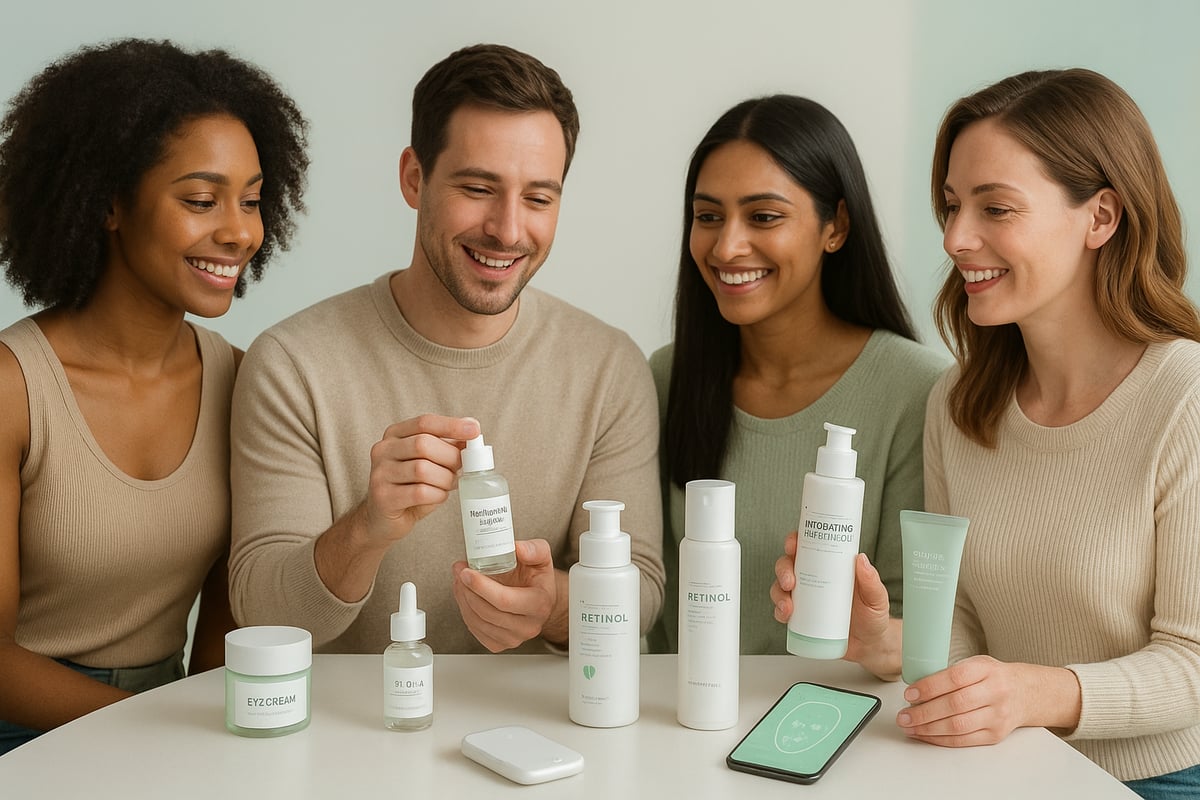
Consumers are driving big changes in the skin care products cosmetics market. More people want routines tailored to their skin's unique needs, pushing brands to offer custom solutions and quizzes. Clean beauty and ingredient transparency are now essentials, with 67 percent of UK shoppers checking ingredients before buying. Sustainability is a top priority, so ethical sourcing and eco-friendly packaging are front and centre. Social media trends influence what we buy, and minimalist routines like "skinimalism" are gaining popularity. Tech, such as apps and AI, now helps us pick the right products with confidence.
Ingredient Innovations and Scientific Advances
Research and development are transforming skin care products cosmetics. Next-generation peptides, adaptogens, and biotech actives are making their way into formulas. Fermented ingredients are on the rise, supporting skin barrier repair and resilience. Microbiome-friendly products are becoming mainstream, while tried-and-true ingredients like niacinamide and ceramides hold strong. Brands are shifting away from parabens, sulphates, and synthetic fragrances, focusing on DNA-based and personalised blends. In 2024–25, 41 percent of new launches have a “biotech” angle, showing just how much science is shaping the future of skincare.
Regulatory Changes and Labelling
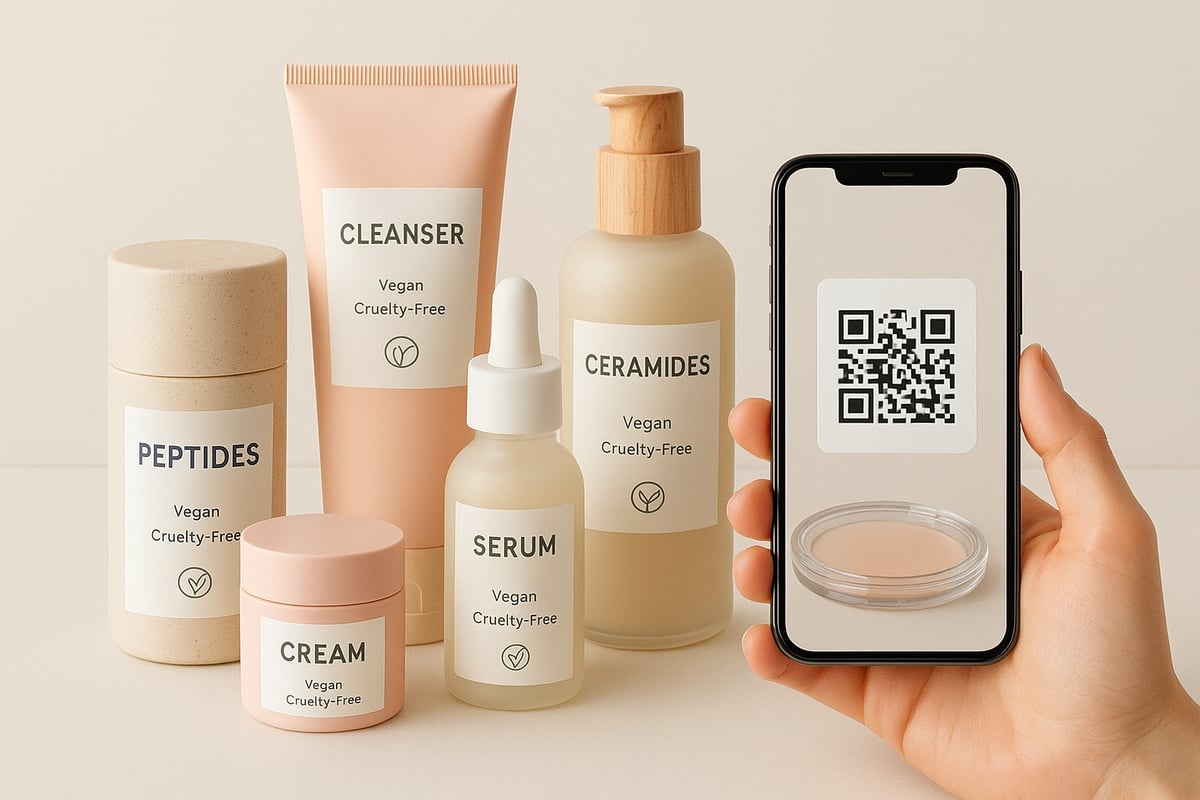
Regulation is tightening to ensure safety and honesty in skin care products cosmetics. The EU and UK have introduced stricter rules for ingredient transparency, and clearer labels for allergens, vegan, and cruelty-free claims. Greenwashing crackdowns mean brands can no longer make misleading “natural” claims without evidence, with the UK Advertising Standards Authority issuing fines in 2024. Product traceability is now required, with certifications and QR codes offering instant access to sourcing and ingredient information. This protects consumers and encourages brands to stay accountable.
The Role of Technology in Skincare
Technology is revolutionising how we interact with skin care products cosmetics. AI-powered skin analysis tools and apps can recommend routines based on your skin’s unique profile. Smart devices for at-home diagnostics are becoming more affordable and accessible. Virtual try-on tools allow us to experiment with cosmetics before buying. Major retailers now feature AI-powered product matching, helping us find the perfect fit. Data-driven feedback shapes new product development, and subscription models make it easier to keep up with evolving routines.
Key Trends to Watch in 2025
Several standout trends are shaping the future of skin care products cosmetics. Waterless and solid formulations help reduce waste, while multi-use hybrid products like SPF moisturisers and serum foundations add convenience. Brands are expanding inclusive shade ranges and offering gender-neutral options. Barrier repair and skin resilience are top priorities, and blue light protection is trending due to increased screen exposure. For a closer look at these innovations, check out the Top 5 Skin Care Trends for 2025, which highlights the most exciting movements in the industry.
How to Build an Effective Skincare Routine: Step-by-Step Guide
Building a skincare routine in 2025 can feel like putting together a puzzle with endless pieces. With so many skin care products cosmetics on the market, knowing where to start is half the battle. Let's walk through each step together, making sure your routine is tailored, effective, and enjoyable.
Step 1: Assess Your Skin Type and Concerns
Before you even touch a bottle, take a moment to truly understand your skin. Is it dry, oily, combination, sensitive, or somewhere in between? Identifying your skin type is the foundation for choosing the right skin care products cosmetics.
Think about your main concerns. Are you noticing more breakouts, fine lines, or dry patches? Lifestyle plays a part too. Stress, pollution, diet, and even the UK’s ever-changing weather can impact your skin’s needs.
Surprisingly, 60% of people misclassify their skin type, leading to mismatched routines. That’s why patch testing is vital whenever you try something new. For a more tailored approach, consider using a How to Use Our Products guide, which walks you through product choices and application for your unique needs.
Step 2: Cleanse – The Foundation of Healthy Skin
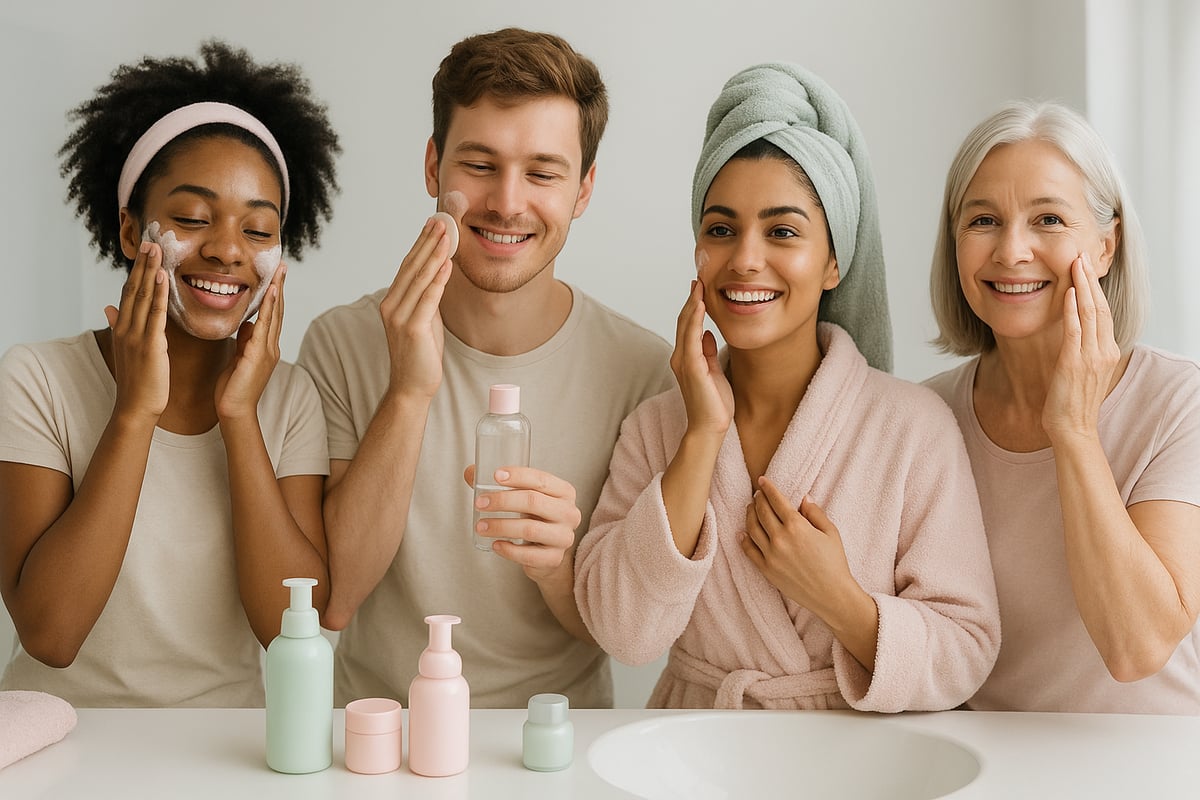
Cleansing is your reset button. It removes dirt, oil, and makeup, setting the stage for the rest of your skin care products cosmetics. Choosing the right cleanser means listening to your skin. Gel cleansers are often best for oily types, while cream cleansers suit dry or sensitive skin.
Double cleansing is gaining ground in 2025. Start with an oil-based cleanser to lift makeup and sunscreen, then follow with a gentle water-based cleanser for a deeper clean. This approach helps prevent clogged pores without stripping away natural oils.
Be careful not to over-cleanse. Harsh surfactants can damage your skin barrier, which is why gentle, pH-balanced formulas are recommended. Remember, your morning cleanse can be lighter than your evening routine, especially if your skin feels comfortable.
Step 3: Tone and Balance
Toners have evolved from harsh, alcohol-heavy formulas to gentle, hydrating essentials. Their main job is to restore pH balance, add a layer of hydration, and prepare your skin for the next steps in your skin care products cosmetics routine.
Today, you’ll find toners designed for different needs: hydrating (think hyaluronic acid), exfoliating (with gentle acids), or soothing (like rose water or centella asiatica). Alcohol-free options are the norm, reducing the risk of irritation.
A new favourite is the probiotic toner, which supports your skin’s microbiome. This extra layer helps defend against environmental stress and lock in moisture. Always pat your toner in gently, rather than rubbing, for best results.
Step 4: Targeted Treatments (Serums, Exfoliants, Spot Care)
This is where your skin care products cosmetics routine gets personal. Serums are packed with active ingredients like vitamin C for radiance, retinol for ageing, and niacinamide for calming and brightening. Peptides and adaptogens are also trending for their restorative effects.
Exfoliation removes dead skin and boosts absorption. Chemical exfoliants (like AHAs and BHAs) are usually gentler and more effective than physical scrubs, but both have their place. Dermatologists now recommend exfoliating no more than twice a week for most skin types.
Spot treatments help tackle breakouts or pigmentation. Layering is key: apply lighter serums first, then thicker creams. Always introduce new treatments gradually to avoid irritation, and patch test if you’re trying a potent new ingredient.
Step 5: Moisturise and Protect
No routine is complete without a good moisturiser. Whether you prefer gels, creams, lotions, or balms, the goal is to lock in hydration and reinforce your skin’s barrier. Choosing the right texture depends on your skin’s daily needs and the weather.
SPF is non-negotiable. Even in the UK, dermatologists recommend broad-spectrum SPF 30+ every day. Many skin care products cosmetics now combine SPF with moisturisers, making protection easy and convenient.
At night, switch to a richer cream or a product with barrier-repair ingredients, like ceramides and squalane. When shopping, look for the balance between occlusives (which seal in moisture) and humectants (which draw water into the skin). Your skin will thank you for the extra care and protection.
Step 6: Adapt and Personalise Your Routine
Your skin isn’t static, so your routine shouldn’t be either. Changes in season, age, hormones, or stress levels can all affect how your skin responds to skin care products cosmetics.
Listen to your skin. If you notice more breakouts, dryness, or sensitivity, it might be time to adjust your products or frequency. Digital tools and AI-powered apps now make it easier to track your skin’s progress and get recommendations for tweaks.
If you’re feeling overwhelmed by new launches and trends, remember it’s better to do a few steps well than overload your skin. Don’t hesitate to consult a dermatologist for stubborn concerns or when introducing unfamiliar actives. The most effective routine is one that adapts to you, not the other way round.
Decoding Cosmetic Ingredients: What Matters Most in 2025
Choosing the right skin care products cosmetics can feel overwhelming when you’re faced with ingredient lists and marketing claims. By learning how to decode cosmetic ingredients, you’ll be able to make smarter, safer choices for your skin. Let’s break down what really matters in 2025 so you can shop with confidence.
Understanding Ingredient Labels
Ever glanced at the back of your skin care products cosmetics and felt lost? Ingredient labels use the INCI system, meaning ingredients are listed by concentration from highest to lowest. The first five items are often the most potent.
Look out for actives like niacinamide or vitamin C high up on the list. If "aqua" is first, water is the base, which is normal. Be mindful of potential allergens such as parabens or artificial fragrances, especially if you have sensitive skin. Spotting these early can help you avoid irritation.
Top Ingredients for 2025
The best skin care products cosmetics in 2025 spotlight powerhouse ingredients that deliver visible results. Here are some to watch:
| Ingredient | Benefit |
|---|---|
| Peptides | Boost collagen, firm skin |
| Ceramides | Strengthen skin barrier |
| Niacinamide | Brighten, reduce redness |
| Bakuchiol | Plant-based retinol alternative |
| Squalane | Deep hydration, non-comedogenic |
Adaptogens like ashwagandha and centella asiatica are gaining popularity for stress protection. Fermented extracts and postbiotics help support your skin’s microbiome. Antioxidants and blue light blockers are also on trend for environmental defence.
Ingredients to Avoid or Use with Caution
Not all ingredients in skin care products cosmetics are beneficial. Some can cause irritation or harm over time. Avoid parabens, formaldehyde releasers, and synthetic fragrances if you’re sensitive. Essential oils, while natural, can still trigger reactions.
Watch for microplastics and non-biodegradable exfoliants, now banned in the UK. There’s a difference between "fragrance-free" (no scent at all) and "unscented" (masking agents used), so check labels carefully. Always patch test new products to prevent unwanted surprises.
Navigating “Natural”, “Vegan”, and “Cruelty-Free” Claims
Labels on skin care products cosmetics can be confusing. "Natural" isn’t regulated, so always check for reputable certifications like Leaping Bunny or the Vegan Society. In the UK and EU, legal standards require proof for vegan and cruelty-free claims.
Be wary of greenwashing, where brands overstate their eco-credentials. Transparency in sourcing and production is key. Did you know 56% of UK shoppers now prefer vegan skincare? Demand honest labelling and look for brands that share their full ingredient sourcing story.
The Future of Ingredient Innovation
Exciting times are ahead for skin care products cosmetics. Lab-grown actives and biotech breakthroughs are revolutionising formulas for better results and sustainability. Customised ingredient blends, sometimes based on your DNA or skin microbiome, are becoming more accessible.
Personalised serums delivered via subscription services are on the rise. However, new ingredients bring regulatory challenges, so always look for products that meet the latest safety standards. For more on these innovations, see the Biotech Innovations in Skincare for an in-depth look at how science is shaping the future of beauty.
Choosing the Right Skin Care Products for Your Needs
Choosing the best skin care products cosmetics can feel like navigating a maze, but you’re not alone on this journey. With so many options, it’s essential to take a step-by-step approach that matches your lifestyle, values, and unique skin needs.
Identifying Your Priorities: Skin Goals and Lifestyle
Everyone’s skin is different, so the right skin care products cosmetics depend on your personal goals. Are you aiming for hydration, anti-ageing, or a brighter complexion? Consider how your daily environment, work routine, and even the UK’s ever-changing weather might affect your skin.
For example, city dwellers may want extra pollution protection, while those working outdoors may prioritise SPF all year. Balancing effectiveness with simplicity is key. If you’re unsure where to start, try the Skincare Quiz for Personalised Recommendations to discover options tailored to your needs.
Evaluating Product Claims and Efficacy
It’s easy to be swayed by bold claims on skin care products cosmetics, but not all claims are created equal. Look for terms like “clinically proven” and check if brands share before-and-after photos or detailed studies. Independent dermatologist endorsements often carry more weight than influencer recommendations.
Reading customer reviews can help, but consider the source. Did you know that 72% of people trust dermatologist-recommended products most? Reliable information helps ensure you’re making smart, informed choices.
Matching Products to Skin Type and Concerns
The right skin care products cosmetics should suit both your skin type and any concerns you have. Dry skin often needs richer creams, while oily skin benefits from lighter gels. Sensitive skin calls for fragrance-free, gentle formulas. Spotting signs like redness, breakouts, or tightness can signal a mismatch.
For a personalised match, explore the Shop by Skin Type Guide, which helps you find products specifically designed for your skin’s unique needs.
| Skin Type | Ideal Cleanser | Best Moisturiser | Key Actives |
|---|---|---|---|
| Dry | Cream | Balm/Cream | Ceramides |
| Oily | Gel | Gel/Lotion | Niacinamide |
| Sensitive | Milk/Oil | Fragrance-Free | Centella Asiatica |
| Combination | Gentle Foam | Lightweight Gel | Squalane |
Budgeting and Value for Money
When selecting skin care products cosmetics, it’s important to balance quality and cost. High street brands can offer excellent results, so you don’t always need to splurge on luxury names. Multi-use products, such as SPF moisturisers or serum foundations, can stretch your budget further.
Subscription services and sample kits also allow you to try products before committing. According to recent insights, 43% of UK shoppers now use skincare subscriptions, making it easier to find what works without overspending.
Ethical and Sustainable Choices
Today’s consumers want more than just effective skin care products cosmetics. Ethical values are at the heart of many purchase decisions. Look for brands with cruelty-free and vegan certifications, eco-friendly packaging, and transparent supply chains.
Many companies now offer refill schemes or carbon-neutral shipping, making it simple to support sustainability. Conscious consumerism is shaping the industry, so your choices truly make a difference.
White Rabbit Skin Care: Natural, Vegan Solutions for Every Skin Type
White Rabbit Skin Care stands out in the world of skin care products cosmetics by focusing on natural, vegan, and cruelty-free solutions. Their range covers cleansers, toners, moisturisers, body care, and thoughtful gift sets, all tailored to varying skin types.
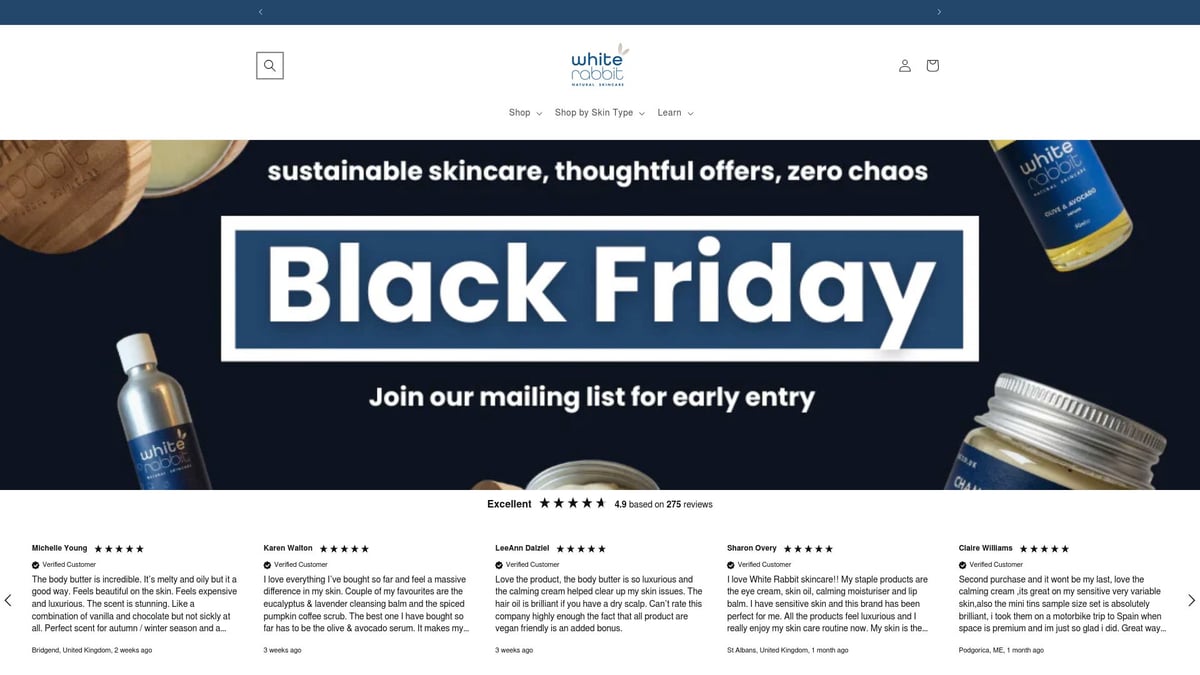
The brand is dedicated to ethical sourcing and sustainability, even supporting charitable causes. You can use their personalised skincare quiz for custom recommendations, enjoy a money-back guarantee, and save with subscription options. One standout is the Coconut & Rosehip Calming Cream, a favourite for sensitive skin. With a focus on transparency, White Rabbit aligns perfectly with 2025’s ethical beauty standards.
Navigating the Cosmetics Market: Expert Buying Tips for 2025
Are you ready to confidently navigate the world of skin care products cosmetics in 2025? With endless options and new technologies, making smart choices can feel overwhelming. Let’s break down practical tips and expert advice to help you shop smarter, spot genuine products, and build a routine that works for you.
Shopping Online vs. In-Store
Choosing between online and in-store shopping for skin care products cosmetics depends on your personal preferences and needs. Shopping online offers convenience, access to a wider selection, and the ability to research ingredients and reviews from home. Many retailers now provide virtual consultations and AI-powered recommendations, making it easier to find products tailored to your skin.
In-store shopping, on the other hand, lets you experience textures, test shades, and receive face-to-face advice. For a quick overview, see the table below:
| Shopping Method | Pros | Cons |
|---|---|---|
| Online | Convenience, wider range, digital tools | Can’t test, risk of counterfeit products |
| In-Store | Test products, instant guidance | Limited range, travel required |
According to UK Skincare Market Insights 2025, 68% of UK consumers now prefer online shopping for skin care products cosmetics. Whichever route you take, always verify retailer authenticity and check return policies.
Spotting Authentic Products and Avoiding Counterfeits
Safety comes first when buying skin care products cosmetics. Counterfeit items can cause allergies or irritation, and are sadly on the rise. To protect yourself, only purchase from authorised retailers or official brand sites. Look for batch codes and tamper-proof seals, and avoid deals that seem too good to be true.
Here’s a quick checklist:
- Check for official retailer status
- Inspect packaging for spelling errors
- Confirm batch codes and expiry dates
- Read recent reviews for red flags
In 2024, UK Trading Standards seized £2m in fake cosmetics, so vigilance is crucial. When in doubt, reach out directly to the brand for verification.
Making the Most of Samples, Trials, and Subscriptions
Trying before committing is a smart move in the skin care products cosmetics world. Sample kits and trial sizes let you test new formulas without a big investment. Subscriptions can be handy for discovering new favourites, especially with customisable boxes that align with your skin’s needs.
Benefits of trying samples and subscriptions include:
- Reduced waste from unused full-size products
- Chance to explore new brands risk-free
- Budget-friendly way to update your routine
Remember to keep track of what works for your skin and don’t hesitate to pause your subscription to avoid overload or fatigue.
Evaluating Product Longevity and Shelf Life
Knowing how long your skin care products cosmetics last is key for safety and effectiveness. Most products feature a PAO (Period After Opening) symbol, usually a jar icon with a number (e.g., 12M for 12 months). Always store items in cool, dry places, and avoid direct sunlight.
Common signs a product has expired include:
- Change in colour or smell
- Separation of ingredients
- Reduced effectiveness
For example, vitamin C serums are prone to quick oxidation. Choosing airless packaging can help maintain potency. Don’t risk using expired products as they may cause irritation.
Staying Informed: Following Trends and Expert Advice
With trends changing rapidly, it’s important to stay informed about skin care products cosmetics. Reliable sources include dermatologists, NHS guidance, and official brand channels. Always question miracle claims and look for evidence before trying new actives.
Ways to keep up:
- Follow trusted dermatologists on social media
- Read reputable beauty publications
- Join community forums for honest peer reviews
Patch testing remains essential when introducing new products. The skincare landscape is shaped by consumer demand for transparency and efficacy, so keep an eye on trusted market insights to guide your choices.
Building a Long-Term, Adaptable Cosmetic Strategy
Your skin care products cosmetics routine should grow with you. As your skin changes with age, environment, or lifestyle, adapt your routine gradually. Use skin tracking apps or a skincare journal to monitor results and note what works.
Key steps for a sustainable routine:
- Update products seasonally
- Introduce new actives one at a time
- Track progress and adjust as needed
Avoid the trap of “all-or-nothing” thinking. Consistency and small tweaks are more effective than constant overhauls. Remember, your journey is unique—trust your instincts and listen to your skin.