


The Essential Guide to Sensitive Skin Products 2026
Did you know that up to 70 percent of people now report some degree of skin sensitivity? With sensitive skin on the rise in 2026, finding the right sensitive skin products can feel overwhelming.
We understand how confusing it is to decode labels, ingredients, and endless product choices. That is why this essential guide is here to help you cut through the noise and make informed, confident decisions.
We will walk you through what sensitive skin really means, which ingredients to embrace or avoid, the best product categories, expert routines, and the latest trends for calm, healthy skin. Ready to feel empowered on your sensitive skin journey? Let us get started together.
Understanding Sensitive Skin: Causes, Symptoms, and Triggers
Caring for our skin can feel overwhelming, especially when sensitivity is involved. Sensitive skin is more common than ever, with studies showing that up to 71% of adults now experience some form of skin sensitivity. This growing trend has led to a surge in demand for gentle, effective sensitive skin products that truly make a difference.
Sensitive skin is best described as skin that reacts easily to environmental factors, skincare ingredients, or even stress. Unlike ordinary skin, it often feels uncomfortable, tight, or sore after using new products or facing harsh weather. For many of us, this means being extra cautious with our daily routines and product choices.
Common Symptoms of Sensitive Skin
Sensitive skin sends out clear signals when it is unhappy. The most frequent symptoms include:
- Redness or flushing, especially after cleansing or exposure to the elements
- Itching or tingling sensations
- Burning or stinging, even with mild products
- Dryness and visible flaking
- Swelling or bumps in severe cases
These symptoms can appear suddenly or develop over time, making it tricky to pinpoint their cause. If you notice these signs after using certain sensitive skin products, it may be time to reassess your routine.
Causes and Triggers to Watch For
Sensitive skin can be influenced by a mix of factors, both internal and external. Genetics play a role, meaning some of us are naturally more prone to reactions. Environmental elements, like pollution, temperature extremes, and sun exposure, can also make things worse.
Using harsh cleansers or exfoliants may weaken your skin barrier, leading to increased sensitivity. Underlying conditions such as eczema or rosacea are common culprits as well. The most frequent triggers include:
- Artificial fragrances and dyes
- Alcohol and strong preservatives
- Sulphates and foaming agents
- Pollution and allergens
- Emotional stress
Knowing these triggers helps us choose sensitive skin products that soothe rather than irritate.
Is It Sensitive Skin or Something Else?
It is important to distinguish between sensitive skin and other skin concerns, such as allergic reactions or chronic conditions. Sensitive skin often reacts broadly, while allergies usually cause rapid, targeted symptoms like hives or swelling after contact with a specific ingredient.
If your skin becomes red, itchy, or irritated after using new sensitive skin products, consider whether the reaction is widespread or localised. Consulting a dermatologist can help clarify the difference and guide you towards the most suitable sensitive skin products for your needs.
How Sensitive Skin Affects Daily Life
Living with sensitive skin can impact our confidence and sense of comfort. Everyday activities, such as applying makeup or trying a new lotion, can feel risky. The emotional toll adds up, especially if we experience frequent flare-ups.
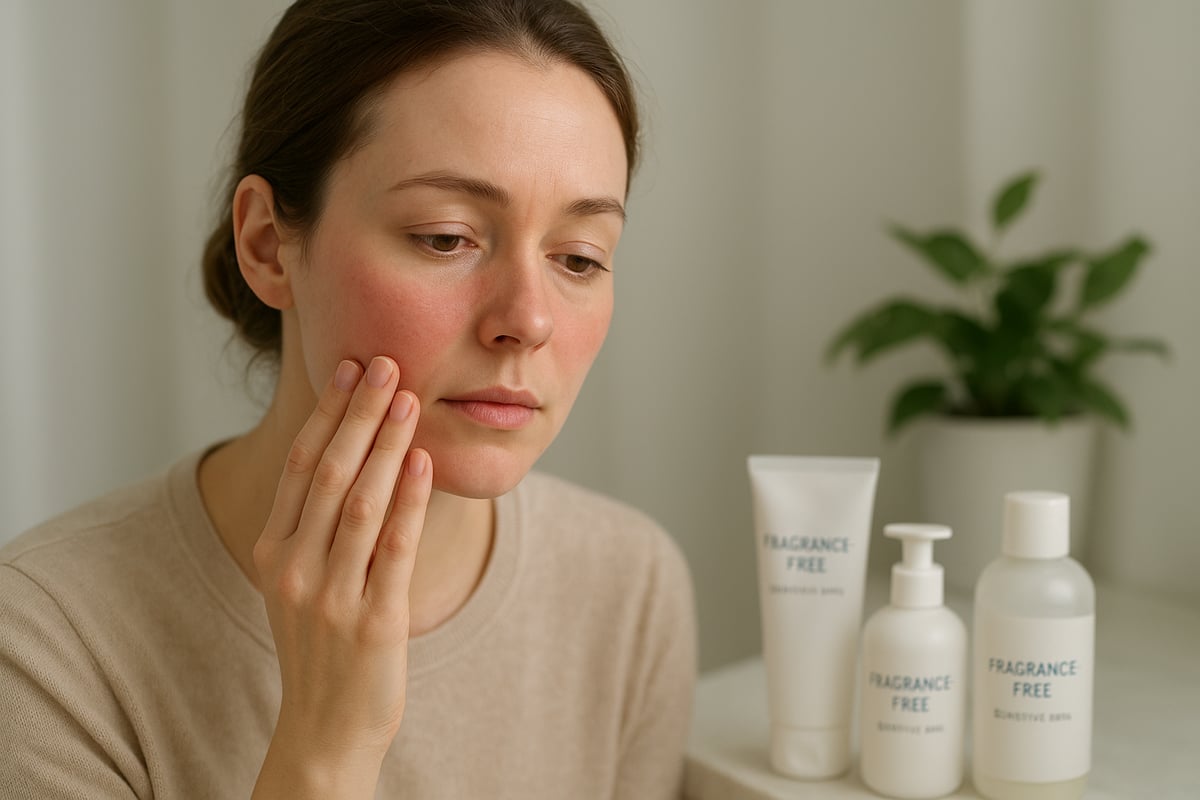
With the rising number of people affected, the market for gentle, hypoallergenic sensitive skin products has expanded rapidly. For example, one reader shared her story of struggling with persistent redness and discomfort until she switched to a routine tailored for sensitive skin. Within weeks, she noticed a dramatic improvement, proving that the right products can truly transform how we feel in our own skin.
Taking the time to understand the causes, symptoms, and triggers of sensitivity empowers us to make thoughtful choices, paving the way for calmer, happier skin.
Essential Ingredients: What to Look For and What to Avoid
Choosing the right sensitive skin products can feel overwhelming, especially with so many options on the shelves. Ingredients matter more than ever, and knowing what to look for and what to avoid can make all the difference for your calming, confident routine.
Beneficial Ingredients for Sensitive Skin
Let’s start with the good news. Sensitive skin products are now packed with ingredients that soothe, hydrate, and protect your delicate skin barrier.
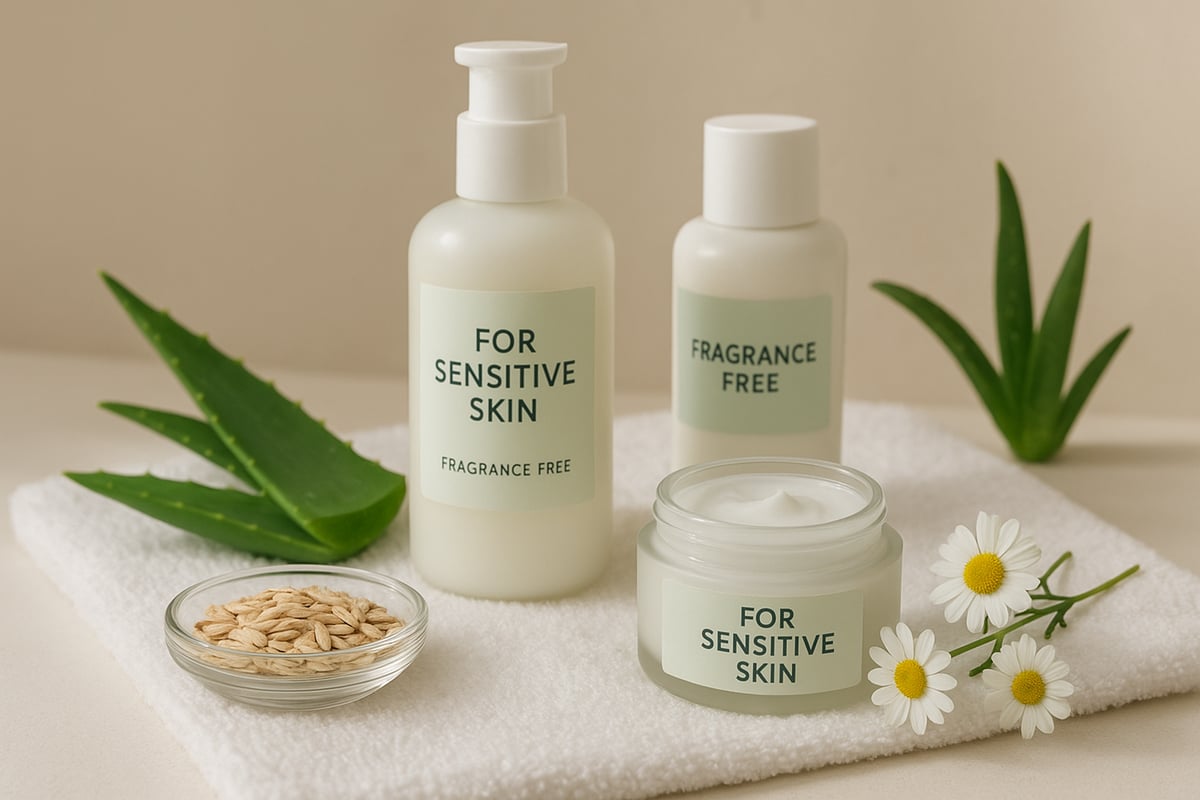
Soothing agents are your best friends. Look for aloe vera, chamomile, calendula, oat extract, and centella asiatica. These botanicals help calm redness, reduce itching, and restore comfort.
Hydrators like hyaluronic acid, glycerin, squalane, and ceramides draw in moisture and keep your skin feeling supple. Hyaluronic acid, in particular, features in more than four leading sensitive skin product lines, showing how essential it is for modern formulations.
Antioxidants such as vitamin E and green tea extract help defend your skin from pollution and daily stressors. These protect against free radicals, which can worsen sensitivity.
Barrier-repairing ingredients like niacinamide and panthenol are making waves in sensitive skin products. They help strengthen your skin’s natural defences, making it less reactive over time.
Here’s a quick look at the most popular ingredients and their benefits:
| Ingredient | Benefit for Sensitive Skin | Example Product |
|---|---|---|
| Aloe Vera | Calms and hydrates | Scent-free moisturisers |
| Hyaluronic Acid | Deep hydration, plumps skin | Tropic Skin Feast |
| Ceramides | Repairs skin barrier | Sensitive skin creams |
| Niacinamide | Reduces redness, repairs barrier | Calming serums |
| Oat Extract | Soothes irritation | Oat-based soothing masks |
When shopping for sensitive skin products, choose those with short, simple ingredient lists. The fewer ingredients, the lower the risk of irritation, especially if they’re natural and fragrance free.
Ingredients to Avoid for Sensitive Skin
Just as important as what you include is what you leave out of your sensitive skin products. Some ingredients can trigger redness, dryness, or even flare-ups.
Common irritants include artificial fragrances, alcohol, sulphates like SLS and SLES, parabens, and essential oils. While these can make products smell or feel luxurious, they often spell trouble for delicate skin.
Harsh actives such as high-strength retinoids and strong acids can disrupt your skin’s protective barrier, leading to increased sensitivity over time.
Preservatives like methylisothiazolinone and formaldehyde releasers have been linked to irritation. Many brands are now reformulating their products to remove these, reflecting a wider industry trend.
Here’s a summary of ingredients to watch out for:
| Ingredient | Why to Avoid | Typical Product |
|---|---|---|
| Artificial Fragrance | Triggers irritation | Perfumed lotions |
| Alcohol (denat., ethanol) | Dries and sensitises skin | Toners, gel cleansers |
| SLS/SLES | Strips natural oils | Foaming face washes |
| Parabens | Preservative, possible allergen | Body creams, shampoos |
| Essential Oils | Can cause reactions | “Natural” face oils |
Interestingly, “natural” doesn’t always mean safe. Some botanicals, especially potent essential oils, can still irritate sensitive skin. Always patch test new sensitive skin products, even if they seem gentle.
For a comprehensive list of ingredients best avoided, you can explore this helpful guide: Ingredients to avoid for sensitive skin.
As more people seek out gentle options, fragrance free products are now among the fastest-growing categories in sensitive skin care. Being ingredient-savvy helps you make confident, informed choices every time you shop.
Sensitive Skin Product Categories: What You Need and Why
Selecting the right sensitive skin products can feel overwhelming. With countless options on the shelves and so many claims, how do you know what genuinely works for delicate skin? The good news is that by understanding the key product categories and what each one offers, you can build a routine that supports, soothes, and protects your skin every day.
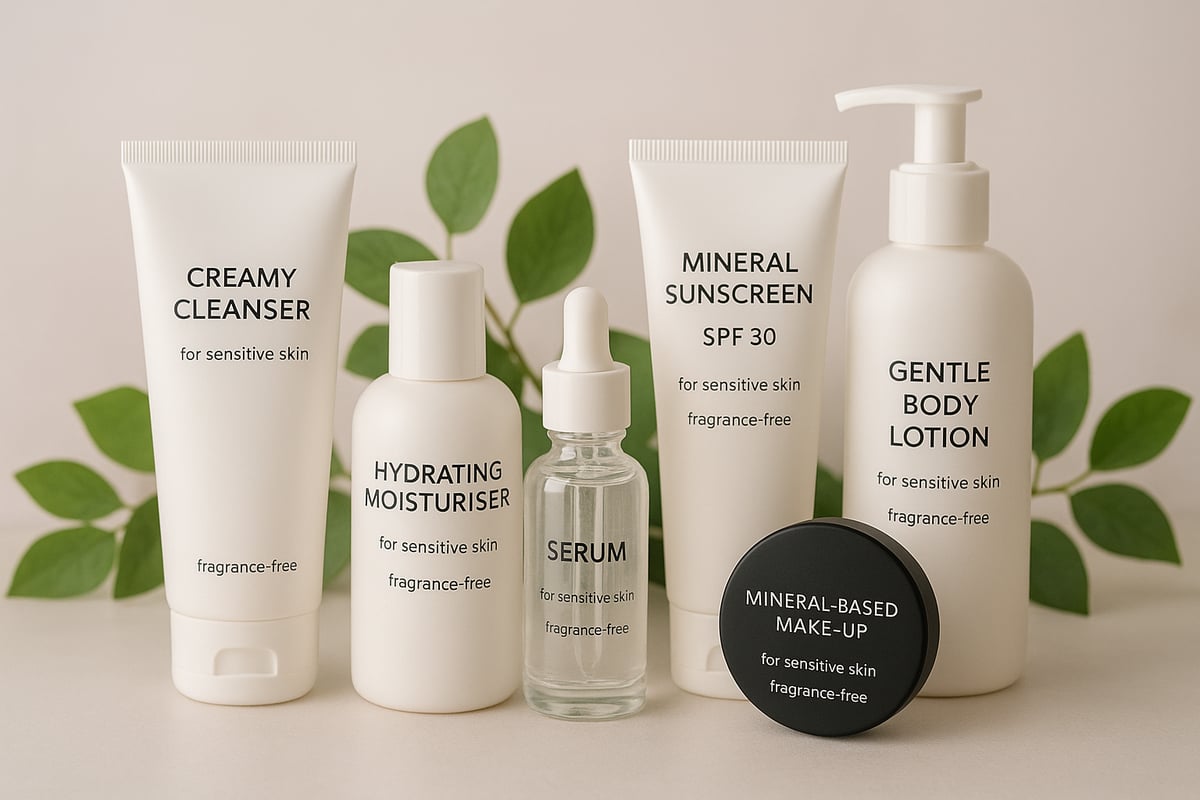
When shopping for sensitive skin products, focus on gentle, fragrance-free formulations that help maintain your skin’s barrier. To make things even easier, curated collections like the dry & sensitive skin collection bring together top picks in one place, saving you time and guesswork.
Cleansers and Face Washes
Cleansing is the foundation of every skincare routine, especially for those seeking effective sensitive skin products. Harsh cleansers can strip away protective oils, leaving your skin dry, tight, and more reactive.
Instead, look for:
- Cream or milk cleansers: These are gentle and nourishing.
- Oil-based cleansers: They dissolve makeup and impurities without disrupting your skin’s natural barrier.
- Soap-free and non-foaming formulas: These help to maintain your skin’s pH balance.
A great example is Green People’s scent-free cleanser, which delivers a thorough cleanse without causing redness or discomfort. Remember, over-cleansing can worsen sensitivity, so aim for a gentle approach both morning and night.
By choosing the right sensitive skin products for cleansing, you lay the groundwork for calmer, healthier skin.
Moisturisers and Hydrators
Moisturisers are a must-have in any collection of sensitive skin products. They help reinforce your skin’s barrier, lock in moisture, and keep irritation at bay.
Key features to look for:
- Fragrance-free creams and lotions: These are less likely to trigger reactions.
- Hydrating ingredients: Ceramides and hyaluronic acid are excellent at boosting moisture.
- Texture variety: Lightweight lotions suit oily or combination sensitive skin, while richer creams provide comfort for drier types.
Tropic Skin Feast nourishing moisturiser is a standout, blending hydration with barrier support. Did you know that moisturisers are among the top-selling sensitive skin products in the UK? The right moisturiser can truly transform your skin’s comfort and appearance.
Serums and Targeted Treatments
Serums can be a powerful addition to your sensitive skin products routine, delivering concentrated ingredients to address specific concerns like redness or dehydration.
When introducing serums:
- Choose calming actives such as niacinamide, panthenol, or peptides.
- Always patch test before full use to ensure compatibility.
- Apply only to areas that need extra care, rather than all over if you’re new to serums.
Peptide and hyaluronic acid serums are popular choices for reducing visible redness and supporting barrier repair. With the right sensitive skin products in your arsenal, even targeted treatments can be gentle and effective.
Sunscreens and Sun Protection
Sun protection is non-negotiable when it comes to sensitive skin products. Sensitive skin is often more prone to sunburn and irritation, making daily SPF a must.
Mineral sunscreens containing zinc oxide or titanium dioxide are ideal, as they sit on top of the skin and deflect UV rays without causing stinging. Opt for fragrance- and alcohol-free options, such as Green People’s scent-free SPF range.
Demand for mineral sunscreens has risen by 25 percent year on year, reflecting growing awareness of their benefits. By making sunscreen a staple in your sensitive skin products, you shield your skin from daily damage.
Body Care for Sensitive Skin
Sensitive skin doesn’t stop at your face. Body care is another crucial category for sensitive skin products, especially since the skin on our bodies can be just as reactive.
Look for:
- Gentle body washes and lotions: Free from sulphates and perfumes.
- Deodorants formulated for sensitive skin: These reduce the risk of irritation under the arms.
- After-shower hydration: Applying lotion to damp skin helps lock in moisture.
Scent-free body lotions from leading brands are formulated to nourish without causing flare-ups. The body care segment for sensitive skin products is growing, as more people seek solutions for their whole body.
Make-up and Sensitive Skin
If you love make-up but worry about sensitivity, there’s good news. The latest sensitive skin products in make-up are designed to be as gentle as your skincare.
Choose mineral-based, non-comedogenic formulas that let your skin breathe. Avoid dyes, fragrances, and harsh preservatives, which can trigger reactions.
Tips for make-up with sensitive skin products:
- Patch test new items before full application.
- Remove make-up gently at the end of the day.
- Explore ranges like Tropic’s sensitive skin make-up for peace of mind.
With more brands focusing on sensitive skin products in make-up, looking your best no longer means sacrificing comfort or skin health.
Building an Effective Sensitive Skin Routine: Step-by-Step Guide
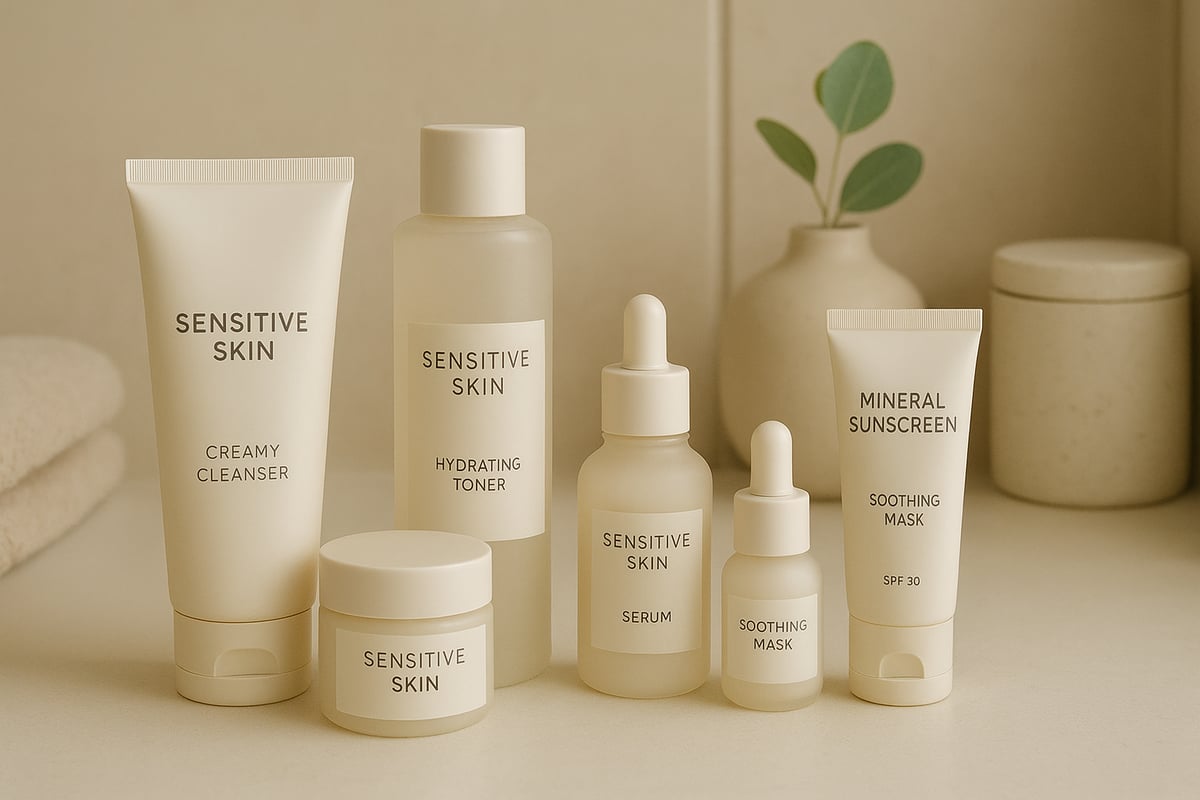
Creating a daily routine with sensitive skin products can feel daunting, but a gentle, consistent approach transforms your skin and your confidence. We all want calm, happy skin, and the right steps make all the difference. If you ever feel overwhelmed, remember, you are not alone—thousands have found relief by finding the right products and sticking with a simple, nurturing routine. For those seeking a ready-made solution, the Sensitive skin product bundle offers a complete set to kickstart your journey.
Step 1: Gentle Cleansing
Sensitive skin products begin with a cleanser that respects your skin barrier. Choose a mild, pH-balanced, fragrance-free cream or milk cleanser. Use lukewarm water and your fingertips, gently massaging in circles. Do not scrub or use hot water, as this can trigger irritation.
Stick to cleansing twice daily—morning and night. Over-cleansing can strip away protective oils, making your skin more reactive. Cream cleansers and oil-based formulas are especially good for sensitive skin products, as they remove impurities without leaving your skin feeling tight or dry.
Step 2: Hydration and Moisturising
Hydration is the heart of any routine using sensitive skin products. After cleansing, mist your face with an alcohol-free hydrating toner, then follow with a lightweight, fragrance-free moisturiser rich in ceramides or hyaluronic acid. These ingredients help lock in moisture and support your skin barrier.
If your skin feels extra dry, add an occlusive layer—like squalane or a balm—on top. Sensitive skin products should never leave you feeling greasy or sticky, just comfortably hydrated. This step keeps your skin soft, bouncy, and resilient.
Step 3: Targeted Treatments and Serums
When it comes to targeted care, choose serums in your sensitive skin products routine with care. Niacinamide, panthenol, and peptides are excellent choices for calming redness and restoring balance. Introduce new serums slowly, applying to a small area first to check for any reaction.
Patch testing is essential, even with products labelled for sensitive skin. Use serums only where needed, and don’t layer too many actives at once. Sensitive skin products with barrier-repairing actives can make a visible difference in redness and comfort.
Step 4: Sun Protection Every Day
No sensitive skin products routine is complete without daily sun protection. Mineral sunscreens with zinc oxide or titanium dioxide are preferred, as they provide broad-spectrum protection without causing stinging or breakouts. Look for fragrance-free, alcohol-free SPF 30+ options.
Apply sunscreen as the final step every morning, and reapply every two hours if outdoors. Sensitive skin products in this category shield your skin from UV rays, which can worsen redness and irritation. Make sunscreen a non-negotiable part of your routine.
Step 5: Weekly Extras—Exfoliation and Masks
Sensitive skin products for weekly use should focus on gentle renewal. Skip harsh scrubs and strong peels. Instead, use an enzyme or lactic acid exfoliant just once a week. This keeps your skin smooth without causing microtears or inflammation.
Calming masks—like those with oats, honey, or aloe—offer soothing relief after exfoliation. Sensitive skin products for this step are all about boosting hydration and reducing redness, leaving you with a healthy, radiant glow.
Step 6: Night-time Routine Adjustments
In the evening, adjust your routine with sensitive skin products to address the day’s challenges. If you wear make-up, double cleanse gently with a cream or oil-based cleanser. Follow with a richer moisturiser or an overnight barrier-repair balm to lock in hydration.
Avoid retinoids unless guided by a dermatologist. Night-time is also the perfect opportunity to use calming treatments, like a peptide serum or gentle overnight mask, from your range of sensitive skin products.
Step 7: Monitoring and Adjusting Your Routine
Sensitive skin products work best when you listen to your skin’s needs. Keep a skin diary to track any reactions or improvements. Adjust your routine seasonally—swap to richer creams in winter or lighter lotions in summer.
If you notice persistent irritation, consult a dermatologist for expert advice. Remember, everyone’s skin is unique, and finding the right sensitive skin products may take a little time and patience. Celebrate small wins and enjoy the journey to healthier skin.
Expert Tips and Common Mistakes to Avoid with Sensitive Skin
Caring for sensitive skin can sometimes feel like walking through a minefield of potential triggers. The good news is, with the right guidance, you can avoid common pitfalls and confidently choose sensitive skin products that truly work for you.
Why Patch Testing is Non-Negotiable
Before adding any new sensitive skin products to your routine, always patch test. Apply a small amount to your inner arm or behind your ear, then wait 24 to 48 hours. If there’s no reaction, you’re likely good to go. This simple habit helps you avoid full-face flare-ups and builds trust with your skin over time. Remember, even products labelled for sensitive skin can sometimes cause irritation if your skin is extra reactive.
The Dangers of Skincare Overload
It’s tempting to try every new product promising a miracle, but layering too many sensitive skin products can overwhelm your skin barrier. Instead, stick to a simple routine: a gentle cleanser, a hydrating moisturiser, and a sunscreen. Introduce new products gradually, one at a time. Overloading your skin can lead to redness, dryness, or even a full-blown reaction. Think quality over quantity for calm, happy skin.
Decoding Labels and Spotting Hidden Irritants
Reading labels is a vital skill for anyone choosing sensitive skin products. Watch out for hidden irritants like fragrances, alcohol, and certain preservatives. Some ingredients, even in small amounts, can cause big problems for sensitive skin. For a deeper look at what to avoid, check out this guide on ingredients not recommended for sensitive skin. Always look for clear, concise ingredient lists and steer clear of products with long lists of unfamiliar chemicals.
Don’t Assume “Natural” Means Safe
It’s easy to believe that “natural” equals gentle, but some botanicals and essential oils can be just as irritating as synthetic ingredients. Sensitive skin products should be free from harsh plant extracts, especially if you don’t know how your skin will react. Always check expiry dates, as old products can harbour bacteria. Good hygiene, like washing your hands before application and not sharing products, also helps prevent unwanted reactions.
SPF: Not Just for Sunny Days
Sensitive skin is often more vulnerable to the sun’s rays. Apply fragrance-free, mineral-based SPF every morning, even if you’re staying indoors, since UV rays can penetrate windows. Skipping sunscreen is a common mistake that can worsen sensitivity over time.
Keep It Minimal and Consistent
Switching between sensitive skin products too often can disrupt your skin’s barrier and undo your hard work. Dermatologists recommend sticking to a minimal routine and only making changes when necessary. If you need inspiration on reliable brands, explore this list of sensitive skin skincare brands that specialise in gentle, effective options.
By following these expert tips and avoiding common mistakes, you’ll be well on your way to a calmer, more resilient complexion. Trust the process, listen to your skin, and celebrate every small victory.
Future Trends in Sensitive Skin Products: What to Expect in 2026
Sensitive skin products are entering a new era in 2026, driven by science, technology, and growing consumer demand for gentle solutions. If you have struggled to find the right fit for your skin, you are not alone. The market is evolving quickly, and it is an exciting time for anyone searching for products that truly work.
One of the most significant shifts in sensitive skin products is the rise of AI-driven personalised skincare. Imagine taking a quick online quiz or using a smart app that analyses your skin and builds a routine tailored just for you. These systems use data from millions of users to recommend products and routines that reduce irritation and boost comfort, making it simpler than ever to manage sensitivity.
Microbiome-friendly and probiotic formulations are also making waves. Scientists have discovered that supporting your skin’s natural bacteria can help strengthen its barrier. Many new sensitive skin products now include prebiotics and probiotics, promoting a calmer, healthier complexion. This approach is especially welcome for those who have found traditional formulas too harsh.
Sustainability is no longer a buzzword, but a genuine movement. In 2026, brands are focusing on eco-friendly packaging, vegan ingredients, and non-toxic formulas. Consumers, more aware than ever, are seeking out options that are kind to both skin and planet. For a deeper look at this trend, check out the Best non-toxic skincare brands, which spotlights brands leading the way with safe, gentle products.
Let us look at some of the latest technological breakthroughs. Skin barrier repair peptides are being used to help rebuild and protect sensitive skin. Smart delivery systems mean actives are released slowly, reducing the risk of irritation. These advances are setting a new standard for sensitive skin products, offering results without compromise.
Market data shows that vegan and cruelty-free sensitive skin products are now some of the fastest-growing categories. Brands like Green People and Tropic Skincare are seeing a surge in demand, as people look for ethical choices that align with their values. This shift is shaping how products are formulated and marketed across the industry.
Regulations are also tightening. Expect clearer labelling, with stricter rules on allergens and full transparency about what goes into your sensitive skin products. This is great news for anyone who wants to avoid hidden irritants and make safe, informed decisions.
In 2026, we are seeing new launches that focus on ultra-minimal, multi-functional products. Think cleansers that double as moisturisers, or serums that soothe, hydrate, and protect all at once. These streamlined routines are perfect for sensitive skin, helping you enjoy calm, balanced skin with less fuss.
The future of sensitive skin products is bright, inclusive, and full of innovation. By staying informed about these trends, you can feel confident choosing products that will help your skin thrive in the years ahead.