

Is your skin always reacting, leaving you frustrated by redness, itching, or sudden flare-ups? You’re not alone. In 2026, more people than ever are searching for sensitive skin care that truly works.
This guide is here to help you take control. We’ll break down what causes sensitive skin, how to spot common triggers, and the steps you can take for real comfort and confidence. Expect practical, up-to-date advice, ingredient tips, and expert recommendations built for today’s evolving skincare world.
Ready to discover a routine that soothes, protects, and brings out your healthiest glow? Let’s get started together.
Understanding Sensitive Skin in 2026
Have you ever felt frustrated by unpredictable redness, burning, or constant itching? Sensitive skin care is a journey many of us share, and understanding your skin is the first step toward comfort and confidence.

What Is Sensitive Skin?
Sensitive skin is more than a fleeting feeling—it’s a condition marked by redness, burning, itching, tightness, or visible reactivity. These symptoms can appear suddenly or persistently, making daily routines a challenge.
It’s surprisingly common. Studies reveal that about 60% of women and 40% of men experience sensitive skin, with numbers rising each year (Global prevalence of sensitive skin). But not all reactions are the same. Sensitive skin care is different from managing sensitised skin, which results from overuse of products, or allergic reactions, which are immune-based.
Living with sensitive skin can impact self-esteem and daily life. Some believe it only affects fair skin or that it’s always linked to allergies—these are myths. Sensitive skin care is relevant to everyone, regardless of age or background.
Causes and Triggers in the Modern World
Why does sensitive skin care seem more important now? Our environment has changed dramatically. Pollution and climate change expose skin to more irritants, while urban living often means less fresh air and more stress.
Digital screens are everywhere, and blue light exposure is a new concern for sensitive skin care routines. Many of us experiment with layers of products, leading to “skincare fatigue”—a cycle of irritation and overuse.
Hormonal changes, stress, and diet also play a big part. For some, genetics or conditions like eczema and rosacea make sensitive skin care even more essential. These triggers can vary from day to day, so staying aware helps us respond quickly.
How Sensitive Skin Has Evolved: Trends for 2026
Sensitive skin care in 2026 looks very different from just a few years ago. The trend of “skinimalism” means simpler routines—less is truly more. There’s a growing demand for fragrance-free, vegan, and hypoallergenic products, with more people seeking out brands that prioritise gentle formulas.
Technology is changing the game too. At-home skin sensors can now diagnose skin needs, helping us personalise sensitive skin care like never before. Social media and online communities are powerful resources, offering support and advice for every skin journey.
Natural and sustainable ingredients are in the spotlight, and consumers are more informed than ever. Sensitive skin care is about respecting your skin’s limits, embracing new tools, and connecting with others who understand the ups and downs of sensitive skin.
Step-by-Step Sensitive Skin Care Routine
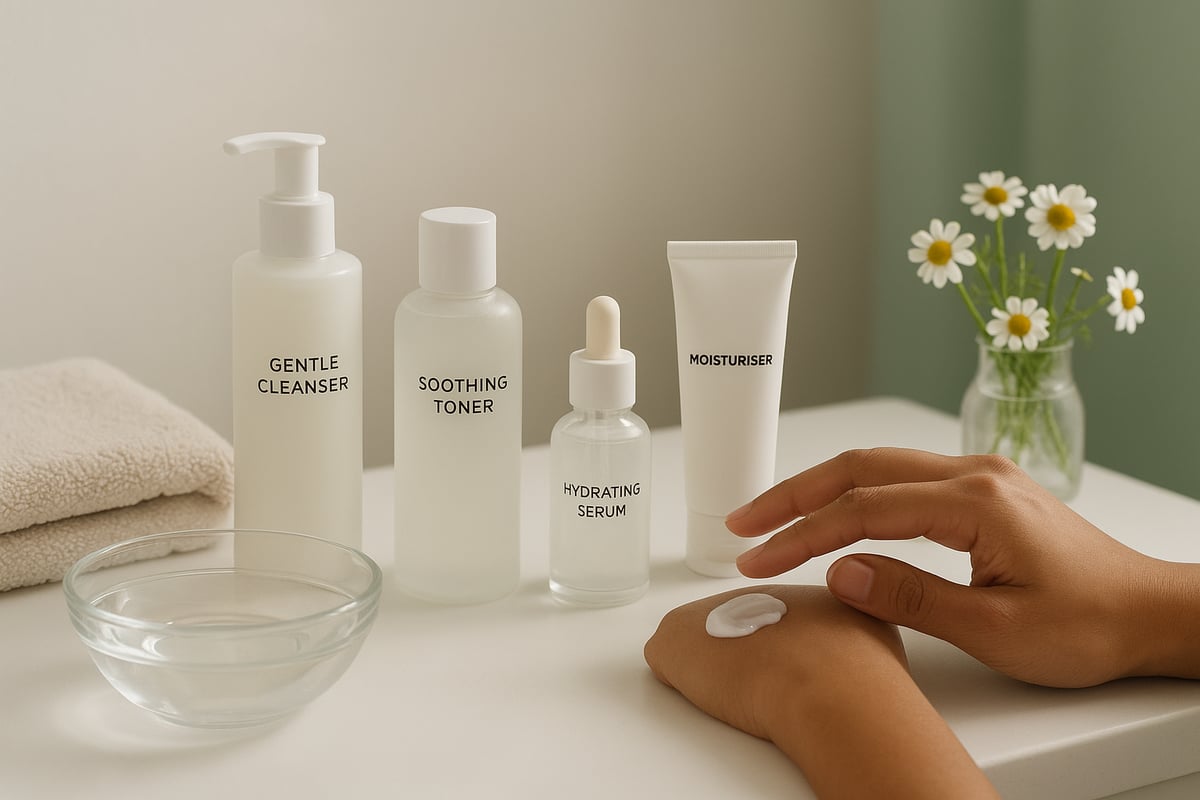
Building the perfect sensitive skin care routine in 2026 does not need to be complicated. With a gentle, step-by-step approach, you can treat your skin with kindness and see real results. Let us walk through each essential step together, making sure your daily and weekly habits support calm, healthy skin.
Step 1: Gentle Cleansing
Cleansing is the foundation of any sensitive skin care routine. Choose a mild, non-stripping cleanser that will remove impurities without upsetting your skin’s natural balance. Avoid harsh surfactants and strong foaming agents, as these can cause dryness and irritation.
Use tepid water instead of hot, and apply your cleanser with minimal friction. A soft muslin cloth or your fingertips is perfect for this step. Micellar water or cream-based cleansers are excellent choices for sensitive skin care, offering effective cleansing with a soothing touch.
Aim to cleanse once or twice a day, depending on your skin’s needs. Over-cleansing can strip your skin, so always listen to what feels comfortable. Remember, a gentle start sets the tone for the rest of your routine.
Step 2: Soothing and Balancing Toners
After cleansing, a gentle toner can help to rebalance and calm sensitive skin care concerns. Look for alcohol-free and fragrance-free formulas, as these are less likely to trigger irritation. Ingredients such as rosewater and witch hazel are popular for their soothing properties.
Apply your toner by patting it into the skin with your hands, not rubbing. For those with ultra-sensitive skin, you might sometimes skip toner altogether to reduce potential reactions.
A good toner preps your skin for the next steps and can provide an extra layer of comfort. If your skin ever feels tight or stingy, reassess and simplify your routine as needed.
Step 3: Targeted Serums for Hydration and Repair
Serums deliver concentrated ingredients that can transform your sensitive skin care results. Choose serums with hyaluronic acid, ceramides, or niacinamide to boost hydration and repair your skin barrier. Avoid formulas with high-strength actives, like potent retinoids, which may cause flare-ups.
Layer your serum gently, allowing each product to absorb before moving to the next. For example, a Circular Hydration Serum with Hyaluronic Acid can restore moisture without overwhelming your skin.
If you are adding something new, introduce it slowly and monitor your skin’s response. Remember, less is more when it comes to sensitive skin care serums.
Step 4: Barrier-Repairing Moisturisers
Moisturising is vital for supporting the barrier that protects sensitive skin care types. Look for creams or gels with ceramides, squalane, and oat extract, which help strengthen and soothe.
Choose a texture that feels comfortable—some prefer rich creams, while others like lightweight gels. The Stabilizing Repair Cream is a good example of a bestseller that caters to delicate skin.
Apply moisturiser morning and night, locking in hydration and shielding against external stressors. Consistent use is the key to long-term comfort and resilience.
Step 5: Daily Sun Protection
Sun protection is a non-negotiable part of your sensitive skin care routine. Sensitive skin is especially prone to UV and visible light damage, which can lead to redness and irritation.
Opt for mineral (physical) SPFs containing zinc oxide or titanium dioxide, as these sit on the skin and are less likely to cause reactions. Some formulas also offer anti-pollution and blue light protection, which is ideal for city living. The Skinperfect Primer SPF30 is a great everyday choice.
Apply SPF every morning, even on cloudy days. Top up as needed, especially if you are outside or near screens for long periods.
Step 6: Weekly Extras—Masks and Exfoliation
Even sensitive skin care routines can benefit from weekly treatments, as long as they are gentle. Choose enzyme-based or mild acid exfoliants, and use them sparingly—once a week is often enough.
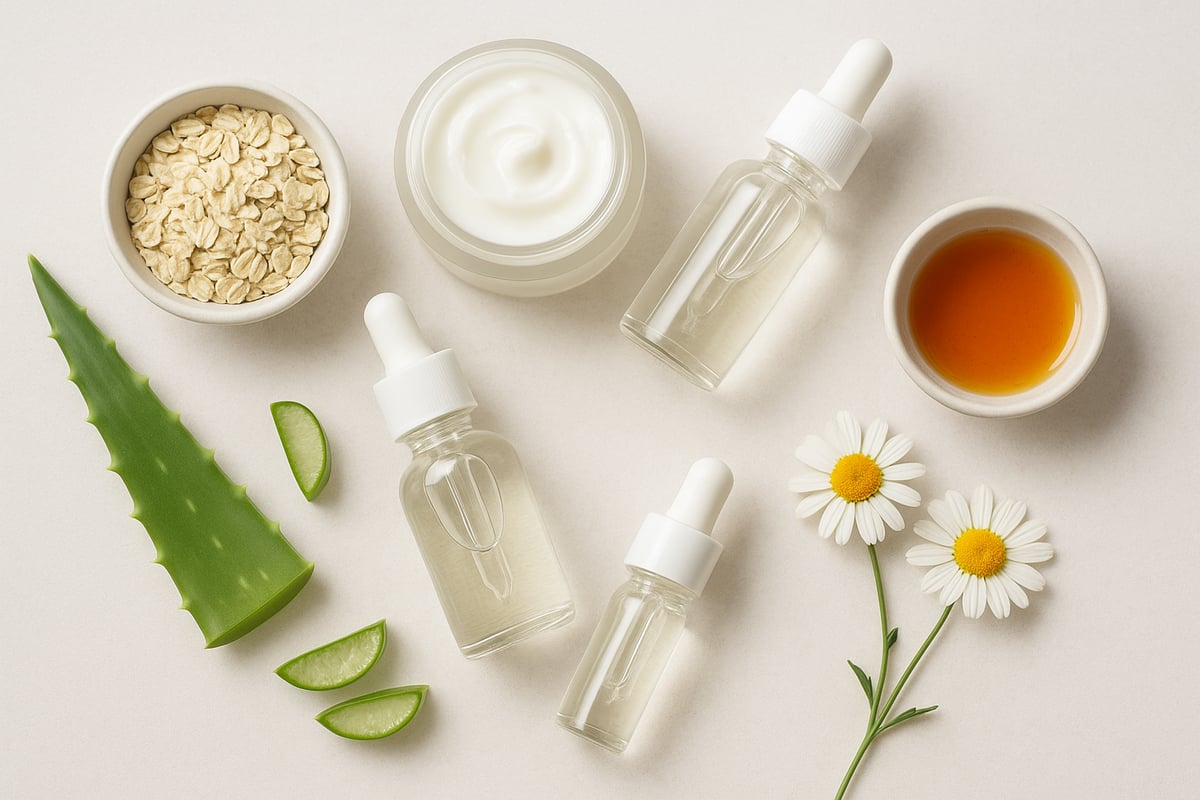
Calming masks with oatmeal, aloe vera, or chamomile can soothe and hydrate. Steer clear of scrubs and harsh tools, which can cause micro-tears and inflammation.
Not sure where to start? Curated bundles like the Sensitive Skin Product Bundle make it easy to try safe, effective extras without the guesswork. Always watch for signs of over-exfoliation, such as increased redness or stinging, and scale back if needed.
Ingredients: What to Seek and What to Avoid
Choosing the right ingredients is at the heart of effective sensitive skin care. Understanding which components calm, protect, or trigger your skin can make all the difference. Let’s break down what to look for, what to steer clear of, and how to decode labels in today’s ever-evolving skincare market.
Best Ingredients for Sensitive Skin
When building a sensitive skin care routine, gentle, barrier-supporting ingredients are your best friends. Here are some of the most effective options:
- Hyaluronic acid: Deeply hydrates without clogging pores or causing breakouts. Perfect for plumping and soothing.
- Ceramides and fatty acids: Restore and reinforce the skin barrier, helping to lock in moisture and prevent irritation.
- Oat extract, panthenol, and allantoin: Calm redness and reduce itching, making them ideal for reactive skin.
- Antioxidants (vitamin E, green tea): Shield against environmental stress and pollution, a must for city dwellers.
- Natural oils: Squalane and rosehip oil offer lightweight nourishment and help repair the skin’s protective layer.
If you want more ideas on which brands excel in these areas, check out this helpful guide to Sensitive Skin Skincare Brands. With the right ingredients, sensitive skin care becomes a gentle, supportive ritual. Take it slow, and let your skin show you what works best.
Ingredients to Avoid
Some ingredients are notorious for triggering irritation, especially in sensitive skin care routines. Watch out for the following:
- Fragrances and essential oils: Top culprits for redness and flare-ups, even if labelled as “natural.”
- Alcohol denat and harsh preservatives: Can dry out or inflame delicate skin.
- Strong acids (high % AHAs/BHAs), retinoids, and exfoliating beads: Over-exfoliate and weaken your skin’s barrier.
- Sulphates and foaming agents: Strip away natural oils, leaving your face tight and uncomfortable.
- Colourants and unnecessary fillers: Often add no benefit and may cause reactions.
Learning which triggers to avoid is a huge step towards better sensitive skin care. If you’re ever unsure, patch test first and keep your routine simple.
Decoding Labels in 2026: What "Clean," "Natural," and "Hypoallergenic" Really Mean
With new regulations in 2026, labels are clearer, but “clean,” “natural,” and “hypoallergenic” can still be confusing. Here’s a quick comparison:
| Term | What It Means Now | What to Watch For |
|---|---|---|
| Clean | Fewer questionable chemicals | Not always safer for all |
| Natural | Plant-based, minimal synthetics | Can still cause allergies |
| Hypoallergenic | Less likely to cause reactions | Not a guarantee |
Even with improved sensitive skin care regulations, always patch test new products and read full ingredient lists. Your skin’s unique needs come first.
Personalising Your Ingredient Choices
Sensitive skin care is highly personal. Start by identifying your own triggers—what causes your skin to react? Keep a skincare diary to track changes and reactions. Consult with dermatologists or skin therapists for tailored advice, especially if you notice new sensitivities.
Remember, your skin’s needs can shift with the seasons, stress, or age. Adjust your products as needed, and celebrate the journey to calmer, happier skin.
Building a Minimal Yet Effective Routine
Finding the right sensitive skin care routine can feel daunting, especially with so many products on the market. The truth is, simplicity often leads to better results and happier skin. Let’s explore how a minimal approach can calm irritation, reduce flare-ups, and help you feel confident every day.

The “Less is More” Approach
Sensitive skin care thrives on simplicity. Overloading your skin with too many products can actually do more harm than good, leading to irritation and what many now call “skincare fatigue.” By focusing on essentials, you give your skin space to repair and strengthen itself.
A basic routine for sensitive skin care typically includes three key steps:
- Gentle cleansing to remove impurities without stripping natural oils
- Lightweight moisturising to restore and protect the skin barrier
- Broad-spectrum SPF to defend against UV and environmental stress
During flare-ups, it’s wise to pare your routine back to just these basics. If you’re unsure where to start or want product ideas for your unique needs, the Shop by Skin Type Guide is a helpful resource.
Remember, less truly can be more. Minimal routines not only prevent overload but also make it easier to track what works for your sensitive skin care needs.
When and How to Introduce New Products
Adding new products to your sensitive skin care routine should always be done with patience. Start with one product at a time, ideally after patch testing on a small area. Wait a few days before adding anything else, so you can clearly see how your skin reacts.
Look for signs that a product is working, such as improved hydration or a calmer complexion. If you notice redness, stinging, or breakouts, reduce frequency or stop use altogether. Keeping a simple diary of changes can help you track what triggers or soothes your skin.
Remember, slow and steady wins the race when it comes to sensitive skin care. Give your skin time to adjust and never rush the process.
Adapting to Life Changes: Age, Hormones, and Environment
Sensitive skin care is not static. Life changes like hormonal shifts, pregnancy, menopause, or even travelling can alter your skin’s needs. Environmental factors such as weather, pollution, and stress may also have a significant impact.
Adjust your routine by swapping products for richer creams in winter or lighter formulas in summer. Stay mindful of how your skin feels, and don’t hesitate to simplify further during stressful periods. Listening to your skin’s cues ensures your sensitive skin care stays effective, comfortable, and tailored to your current situation.
The Role of Professional Guidance
Sometimes, sensitive skin care challenges require expert advice. If you’re experiencing persistent irritation, unexplained reactions, or have underlying conditions, reaching out to a dermatologist or skin therapist can make all the difference.
Many professionals now offer digital consultations, making guidance more accessible than ever. They can help you customise your routine, recommend products suited to your sensitivities, and provide reassurance during flare-ups.
Never feel you have to navigate sensitive skin care alone. Support from professionals and the wider skin care community can empower you to achieve lasting comfort and confidence.
Lifestyle Factors and Sensitive Skin Management
Caring for sensitive skin care is not just about products. Our daily choices, habits, and environment play a huge role in how our skin feels and reacts. Let’s explore how small lifestyle adjustments can make a big difference in keeping your skin calm, happy, and resilient.
Diet, Hydration, and Supplements
What you eat and drink can have a powerful impact on sensitive skin care. Hydration is key, so aim to drink plenty of water throughout the day. When it comes to food, focus on anti-inflammatory choices such as oily fish rich in omega-3s, colourful fruits, and leafy greens. These nourish your skin from within and help reduce sensitivity.
Try to limit spicy and highly processed foods, as these may trigger flare-ups for some people. Supplements like probiotics, vitamin D, and evening primrose oil have shown promise in supporting overall skin health. Always consult your GP before starting new supplements to ensure they’re right for your needs.
Stress, Sleep, and Emotional Wellbeing
Stress is a well-known trigger for sensitive skin care flare-ups. When we’re anxious or sleep-deprived, our skin can become more reactive and prone to redness. Practising mindfulness, breathing exercises, or gentle yoga can be incredibly soothing for both your mind and your skin.
Prioritise restful sleep by keeping a consistent bedtime and creating a calming pre-sleep routine. Good sleep gives your skin time to repair and regenerate. Remember, emotional wellbeing is just as important as physical care in managing sensitive skin.
Environmental Protection Beyond Skincare
Modern life exposes us to pollution, blue light, and indoor climate changes, all of which can challenge sensitive skin care. Consider using an air purifier at home and a humidifier in dry seasons to keep your skin’s environment gentle. Wearing hats and light scarves outside can help reduce direct exposure to the sun and wind.
Urban living, in particular, is linked to increased skin sensitivity. Recent research highlights the impact of urban living on sensitive skin, showing how city pollution and hectic lifestyles can worsen symptoms. Being proactive about your surroundings can make a real difference in your skin’s comfort.
Personal Care and Lifestyle Habits
Everyday habits add up when it comes to sensitive skin care. Opt for fragrance-free laundry detergents and wear soft, breathable fabrics like cotton. Keep showers and baths warm rather than hot, as extreme temperatures can strip your skin’s natural oils.
Be gentle when removing makeup, and always use appropriate cleansers. Practise regular hygiene, but avoid over-washing or scrubbing, which can cause irritation. Simple swaps in your routine can help maintain your skin’s balance and comfort.
Navigating Social Pressures and Beauty Trends
Social media and beauty trends can create unrealistic expectations for sensitive skin care. It’s easy to feel overwhelmed by the constant stream of advice from influencers and brands. Remember, every skin journey is unique, and what works for one person may not suit another.
Take breaks from social media when you need to, and focus on what feels right for you. Embrace your skin’s individuality, and celebrate small wins. Building confidence in your own routine is the best trend you can follow for lasting skin happiness.
Expert Advice and 2026 Innovations in Sensitive Skin Care
Sensitive skin care is rapidly evolving as science uncovers new ways to soothe, protect, and empower those with reactive skin. In 2026, both research and technology are driving more personalised, effective routines. Let’s explore the latest insights and what they mean for our daily care.
Latest Research and Dermatologist Insights
Recent years have seen breakthroughs in understanding the complex biology behind sensitive skin care. Experts now know that the skin's barrier function, inflammation, and the nervous system all play key roles in sensitivity. New studies reveal how even minor changes in the skin’s microbiome can spark irritation.
Dermatologists stress the importance of gentle routines, while emerging research highlights the link between sensitive skin and underlying conditions like rosacea or eczema. For a deeper dive into the science and up-to-date treatment recommendations, see this Sensitive Skin Syndrome: An Update.
This evidence-based approach is helping more people find lasting comfort and confidence.
Cutting-Edge Products and Technologies
The landscape of sensitive skin care is transforming thanks to innovative products and diagnostic tools. At-home skin sensors now allow us to measure hydration and barrier strength, guiding tailored product choices.
Brands are using ingredient encapsulation to deliver actives more gently, reducing the risk of flare-ups. Excitingly, recent Shiseido's microbiome research on sensitive skin has identified specific bacteria that can either support or disrupt calm skin. Their new microbial extracts are opening doors to more balanced and resilient skin.
Smart devices and tech-driven formulas are making sensitive skin care safer and more effective than ever.
The Future of Personalised Skincare
Personalisation is at the heart of sensitive skin care in 2026. AI-powered skin analysis apps can now assess your unique needs, track changes, and recommend custom routines.
Some companies offer DNA or microbiome testing kits, creating formulations that match your individual biology. Subscription-based services deliver adaptive products right to your door, adjusting as your skin’s needs evolve.
With these advances, sensitive skin care is no longer one-size-fits-all. Instead, it’s about finding what truly works for you and adapting as your skin changes over time.
Community Support and Resources
Managing sensitive skin care can feel isolating, but support has never been more accessible. Online forums and social groups connect people facing similar challenges, offering encouragement and real-world advice.
Digital consultations and teledermatology provide expert help from the comfort of home. Reliable sources like dermatology clinics, trusted brands, and medical publications keep you informed on the latest tips and research.
By sharing experiences and knowledge, we can all feel more empowered and supported on our sensitive skin care journey.