

Retinol Serum Vegan: Complete Guide for Cruelty-Free Skin
Finding a retinol serum vegan that delivers real results can feel like searching for a needle in a haystack. With growing awareness around animal-derived ingredients and sustainability, more people are seeking cruelty-free skincare that doesn't compromise on efficacy. The good news? Vegan retinol alternatives have come a long way, offering powerful anti-aging benefits without any animal ingredients or testing. Whether you're committed to plant-based living or simply want cleaner skincare, understanding what makes a retinol serum truly vegan will help you make informed choices for your skin's health and your values.
What Makes Retinol Serum Vegan
A truly vegan retinol serum contains zero animal-derived ingredients and has never been tested on animals at any stage of development. This distinction matters more than you might think, as traditional retinol formulations often include surprising animal-based components.
Traditional retinol itself can be synthesized from plant sources or derived from animal products. Many conventional serums use retinyl palmitate, which combines retinol with palmitic acid that may come from animal fats or palm oil. Other formulas contain animal-derived glycerin, lanolin from sheep's wool, or squalene from shark liver.
Key Vegan Certification Standards
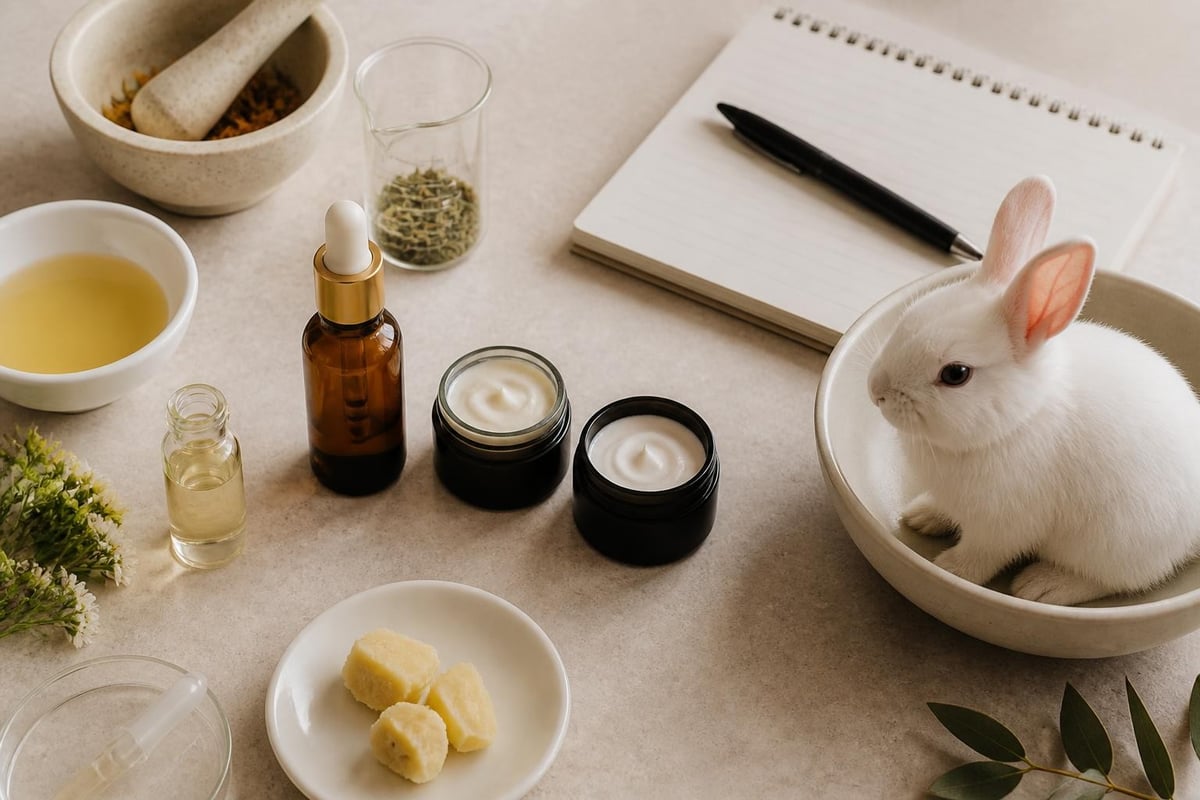
When shopping for a retinol serum vegan option, look for recognized certification marks. The Vegan Society's trademark standards provide clear guidance on what qualifies as genuinely vegan in cosmetics.
Essential vegan criteria include:
- No animal ingredients or by-products
- No animal testing at any production stage
- No cross-contamination with animal products during manufacture
- Full ingredient transparency and disclosure
Many brands claim "vegan-friendly" status without formal certification, making it crucial to verify their credentials. At White Rabbit Skin Care, all formulations meet strict vegan standards whilst maintaining high performance.
Plant-Based Retinol Alternatives
The beauty industry has developed several plant-derived ingredients that mimic retinol's benefits without using animal sources. These botanical alternatives work through similar cellular pathways, stimulating collagen production and accelerating skin renewal.
Bakuchiol: The Leading Vegan Alternative
Bakuchiol has emerged as the gold standard for vegan retinol substitutes. Extracted from the Psoralea corylifolia plant, this compound delivers comparable results to traditional retinol according to systematic reviews of bakuchiol's clinical evidence.
| Feature | Bakuchiol | Traditional Retinol |
|---|---|---|
| Source | Babchi plant seeds | Vitamin A (animal/synthetic) |
| Irritation risk | Low | Moderate to high |
| Sun sensitivity | Minimal | Significant |
| Pregnancy safety | Generally safer | Contraindicated |
| Vegan status | Always | Varies by source |
Studies show bakuchiol reduces fine lines, hyperpigmentation, and improves skin texture with far less irritation than conventional retinoids. This makes it particularly suitable for sensitive skin types who struggle with traditional retinol serum formulations.
Other Effective Plant-Based Options
Beyond bakuchiol, several other botanical ingredients offer retinol-like benefits in vegan formulations:
- Rosehip seed oil contains natural trans-retinoic acid alongside essential fatty acids
- Carrot seed extract provides beta-carotene that converts to vitamin A in skin cells
- Sea fennel stimulates collagen synthesis and protects against environmental damage
- Microalgae extracts contain provitamin A compounds with antioxidant properties
These ingredients often work synergistically when combined in a well-formulated retinol serum vegan product, creating comprehensive anti-aging benefits.
Benefits of Vegan Retinol Formulations
Choosing a retinol serum vegan option offers advantages beyond ethical considerations. Plant-based formulations typically include complementary botanical extracts that enhance overall skin health whilst minimizing potential side effects.
Primary skin benefits include:
- Reduced fine lines and wrinkles through increased collagen production
- Improved skin texture and tone evenness
- Minimized pore appearance and refinement
- Faded hyperpigmentation and age spots
- Enhanced cellular turnover and renewal
- Better hydration retention with supporting plant oils
The gentler nature of plant-based retinol alternatives means fewer users experience the "retinol uglies" that plague traditional formulations. This adjustment period, characterized by peeling, redness, and increased sensitivity, can deter people from persisting with effective treatments.
Environmental and Ethical Advantages
Vegan retinol serums align with sustainable beauty practices that protect both animals and ecosystems. Traditional retinol production can involve wasteful extraction processes and contribute to palm oil deforestation when retinyl palmitate uses unsustainable sources.
Plant-based alternatives typically require less intensive processing and generate smaller environmental footprints. Many companies producing natural skin care brands also prioritize sustainable sourcing, recyclable packaging, and carbon-neutral shipping.
How Vegan Retinol Works in Your Skin
Understanding the mechanism behind retinol serum vegan effectiveness helps you appreciate why these formulations deliver results. Whether derived from plants or synthesized, retinoid compounds work by binding to specific receptors within skin cells.
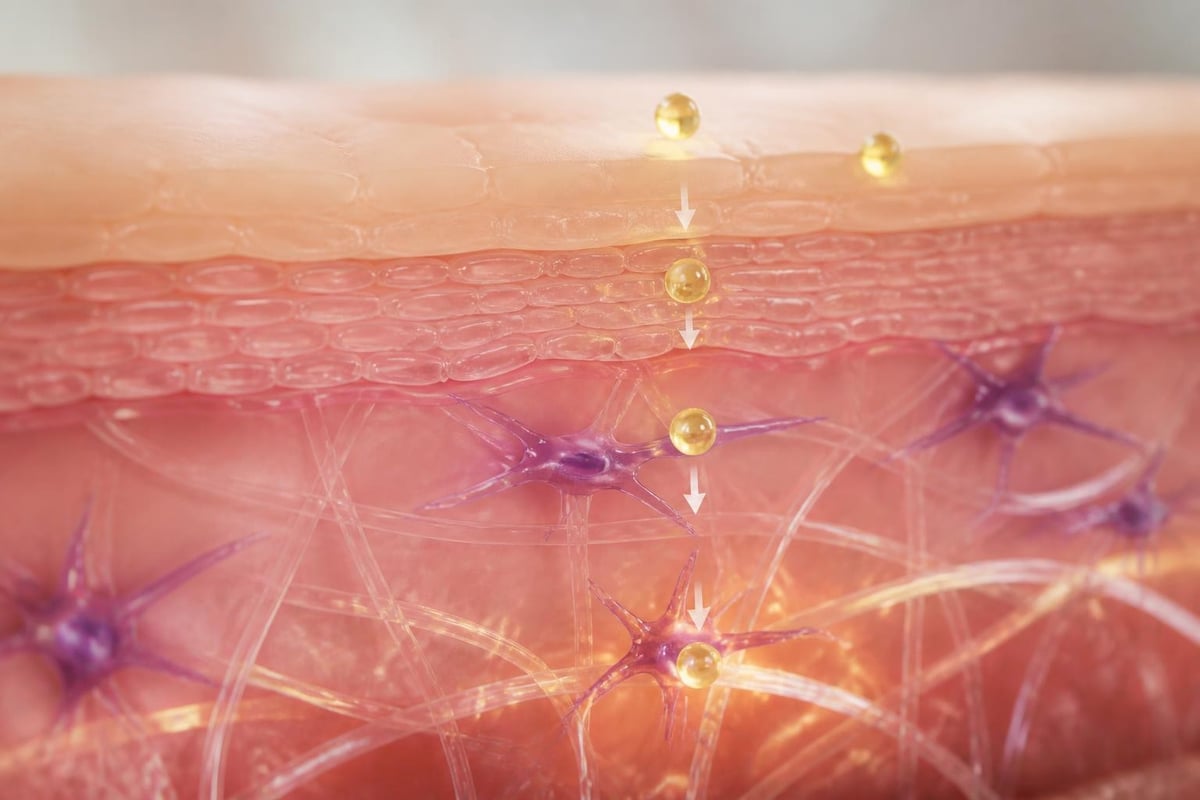
According to clinical research on topical retinoids, these ingredients accelerate the skin's natural exfoliation process whilst simultaneously boosting collagen and elastin production in deeper layers. This dual action creates visible improvements in both surface texture and structural firmness.
The Cellular Renewal Process
When you apply a retinol serum vegan product, several biological processes begin:
- Active ingredients penetrate the stratum corneum (outer skin layer)
- Molecules bind to retinoic acid receptors in living skin cells
- Gene expression changes to increase collagen synthesis
- Cell division accelerates, pushing fresh cells to the surface
- Dead skin cells shed more efficiently, revealing brighter skin
- Melanin production regulates, reducing dark spots
This comprehensive cellular renovation explains why retinoids remain dermatologists' most recommended anti-aging ingredient. The clinical efficacy documented in systematic reviews demonstrates consistent improvements across diverse skin types and concerns.
Formulation Innovations for Stability
One challenge with retinol serums involves ingredient stability. Retinol degrades when exposed to light, air, and certain pH levels, reducing effectiveness over time. Advances in retinoid delivery systems have addressed these concerns through encapsulation technology and protective packaging.
Quality vegan formulations use airless pumps, opaque bottles, and microencapsulation to preserve potency. These innovations ensure your retinol serum vegan product remains effective throughout its shelf life.
Choosing the Right Vegan Retinol Concentration
Retinol and its alternatives come in various strengths, typically ranging from 0.1% to 2% in over-the-counter formulations. Selecting the appropriate concentration depends on your skin type, concerns, and previous retinoid experience.
| Concentration | Best For | Expected Results Timeline |
|---|---|---|
| 0.1-0.3% | Sensitive skin, beginners | 12-16 weeks |
| 0.5-0.75% | Normal to combination skin | 8-12 weeks |
| 1.0% | Experienced users, resilient skin | 6-10 weeks |
| 1.5-2.0% | Mature skin, significant concerns | 4-8 weeks |
Starting with a lower concentration minimizes irritation whilst allowing your skin to build tolerance. Many dermatology experts recommend beginning with 2-3 applications weekly, gradually increasing frequency as your skin adapts.
For those new to retinoids, exploring inexpensive skin care options allows you to test tolerance without significant investment. Once you've identified a suitable concentration, you can upgrade to premium formulations with complementary ingredients.
Supporting Ingredients in Vegan Formulas
The best retinol serum vegan products combine active retinoid alternatives with hydrating and soothing botanicals. These supporting ingredients buffer potential irritation whilst enhancing overall benefits.
Common complementary ingredients include:
- Hyaluronic acid for deep hydration and plumping
- Niacinamide to strengthen skin barrier and reduce redness
- Ceramides for moisture retention and protection
- Vitamin E for antioxidant defense
- Aloe vera and chamomile for calming inflammation
- Peptides to boost collagen production synergistically
This holistic approach distinguishes quality vegan formulations from basic retinol products, creating comprehensive skin transformation.
Safety Considerations and Precautions
Whilst generally gentler than traditional retinoids, vegan retinol serums still require careful use to avoid adverse reactions. Understanding proper application techniques ensures you maximize benefits whilst minimizing risks.
Pregnancy and Nursing Guidelines
The American Academy of Dermatology's guidance on retinoids and pregnancy recommends avoiding all retinoid products during pregnancy and breastfeeding. Although plant-based alternatives like bakuchiol may carry less risk, insufficient research exists to confirm absolute safety.
If you're pregnant or nursing, consult your healthcare provider before using any retinol serum vegan product. Alternative ingredients like vitamin C, azelaic acid, and glycolic acid offer safer anti-aging options during this period.
Sun Protection Requirements
All retinoids increase photosensitivity, making diligent sun protection essential. Even plant-based alternatives accelerate cell turnover, bringing fresh, vulnerable cells to the surface that sunburn easily.
Daily sun protection must include:
- Broad-spectrum SPF 30 minimum every morning
- Reapplication every two hours during sun exposure
- Physical barriers like hats and protective clothing
- Avoidance of peak sun hours when possible
This commitment protects your investment in anti-aging treatment whilst preventing damage that counteracts retinol's benefits. Many users discover that best non-toxic skincare brands offer mineral sunscreens that complement vegan retinol regimens perfectly.
Application Techniques for Best Results
Proper application technique significantly impacts your retinol serum vegan effectiveness. Following dermatologist-recommended protocols ensures optimal absorption whilst minimizing irritation potential.
Step-by-Step Evening Application
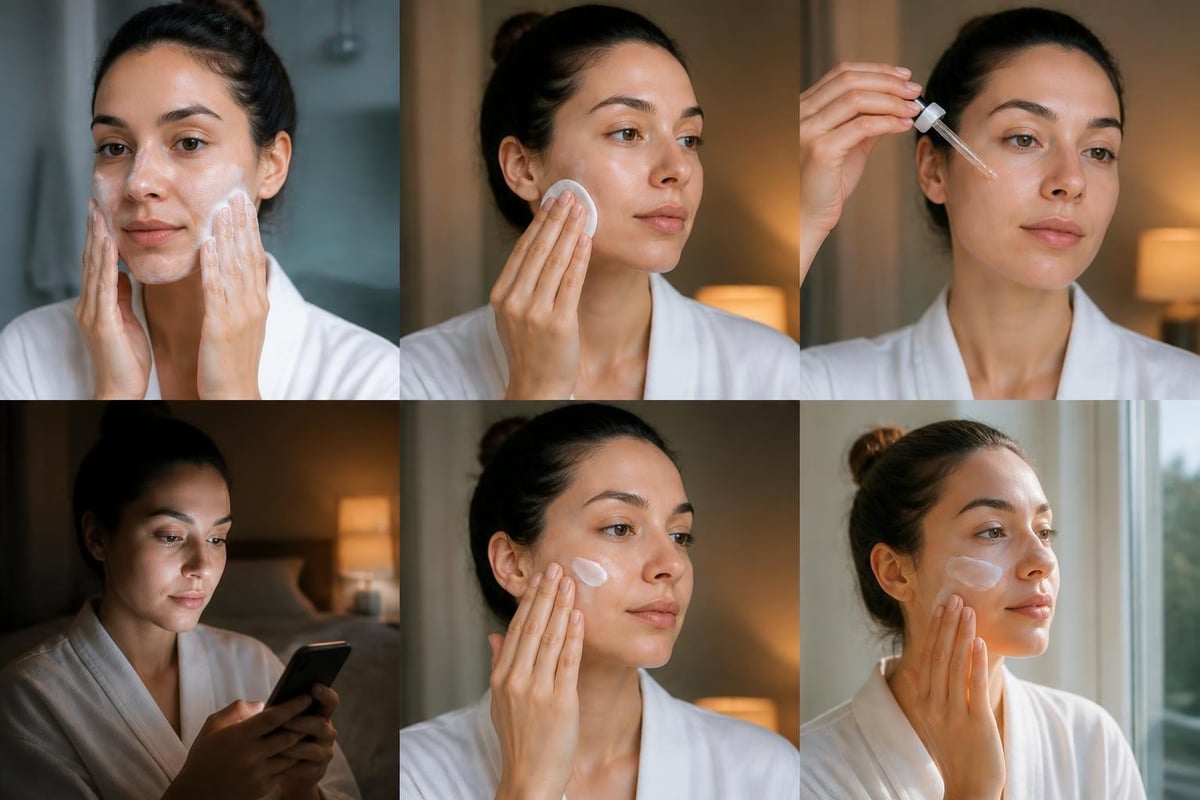
Retinol products work best at night when skin enters repair mode and sun exposure isn't a concern. Here's the ideal application sequence:
- Cleanse thoroughly to remove makeup, sunscreen, and daily impurities
- Pat skin completely dry and wait 5-10 minutes (damp skin increases penetration and irritation)
- Apply pea-sized amount of retinol serum to face and neck
- Wait 20-30 minutes before applying other products
- Follow with rich moisturizer to seal in hydration
- Avoid eye area unless using specific eye formulation
This careful approach maximizes benefits whilst protecting skin from unnecessary stress. For those with sensitive skin, the "sandwich method" offers additional buffering by applying moisturizer before and after retinol.
Building Tolerance Gradually
Your skin needs time to adapt to retinoid activity. Rushing this process invites irritation, peeling, and potential abandonment of an effective treatment.
Recommended introduction schedule:
- Weeks 1-2: Apply twice weekly (e.g., Monday and Thursday)
- Weeks 3-4: Increase to three times weekly
- Weeks 5-6: Progress to every other night
- Week 7+: Use nightly if skin tolerates well
If you experience excessive dryness, redness, or peeling at any stage, reduce frequency until symptoms resolve. Persistence with appropriate pacing delivers superior long-term results compared to aggressive early use.
Combining Vegan Retinol with Other Actives
Strategic ingredient layering enhances your skincare routine's effectiveness, but certain combinations cause irritation or reduce efficacy. Understanding these interactions helps you build a cohesive regimen around your retinol serum vegan product.
Compatible Ingredient Pairings
Some active ingredients work beautifully alongside retinoids, creating synergistic benefits:
| Morning Routine | Evening Routine |
|---|---|
| Vitamin C serum | Retinol serum |
| Hyaluronic acid | Peptide treatment |
| Antioxidants | Ceramide moisturizer |
| Niacinamide | Facial oils |
| Sunscreen | Night cream |
This separation prevents potential conflicts whilst maintaining comprehensive skin support throughout the day-night cycle. Many best selling skin care products are designed to complement retinol treatments through thoughtful formulation.
Ingredients to Separate
Certain actives should not be used simultaneously with retinol to avoid excessive irritation:
- AHAs and BHAs (glycolic, lactic, salicylic acids) increase sensitivity when combined
- Benzoyl peroxide can degrade retinol molecules, reducing effectiveness
- Vitamin C in the same application may cause instability (separate AM/PM instead)
- Physical exfoliants create micro-tears that retinol can irritate
If your routine includes these ingredients, use them on alternating nights or at different times of day. This strategic scheduling ensures each active performs optimally without compromising skin barrier function.
Vegan Retinol for Different Skin Types
Not all skin types respond identically to retinoid treatments. Tailoring your approach based on your specific needs maximizes results whilst minimizing potential complications.
Dry and Sensitive Skin Strategies
If you have dry or sensitive skin, vegan retinol alternatives like bakuchiol offer significant advantages over traditional formulations. Their gentler nature reduces flaking and irritation whilst delivering comparable anti-aging benefits.
Additional protective measures include:
- Starting with lowest available concentration (0.1-0.3%)
- Using the sandwich method with rich moisturizer
- Limiting initial application to 1-2 times weekly
- Incorporating barrier-supporting ingredients like ceramides
- Choosing cream-based rather than serum formulations initially
These adaptations allow even reactive skin types to benefit from retinoid therapy without the discomfort that often accompanies conventional products.
Oily and Acne-Prone Considerations
Oily and acne-prone skin typically tolerates higher retinol concentrations and more frequent application. Retinoids regulate sebum production and prevent pore blockages, making them excellent for managing breakouts alongside anti-aging concerns.
Choose lightweight, non-comedogenic formulations that won't contribute to congestion. Gel or serum textures work better than heavy creams for those prone to breakouts. Remember that initial purging may occur as retinoids accelerate skin turnover and bring underlying blockages to the surface.
Mature Skin Requirements
Mature skin benefits from higher concentrations combined with deeply hydrating supporting ingredients. As natural oil production decreases with age, balancing effective retinoid strength with adequate moisture becomes crucial.
Look for formulations containing 0.75-1% retinol alternatives plus hyaluronic acid, peptides, and nourishing plant oils. These comprehensive formulas address multiple aging concerns simultaneously, delivering visible improvements in firmness, texture, and tone.
Reading Vegan Skincare Labels Correctly
Understanding ingredient labels helps you identify truly vegan formulations versus those making misleading claims. Several common ingredients masquerade as plant-based when they may actually derive from animal sources.
Hidden Animal-Derived Ingredients
Watch for these potentially non-vegan ingredients in retinol serums:
- Glycerin (can be animal or plant-based)
- Squalene (shark liver oil vs. plant squalane)
- Stearic acid (often from animal fats)
- Lecithin (may come from eggs)
- Collagen (always animal-derived)
- Hyaluronic acid (can be rooster comb or fermented)
Reputable vegan brands clearly specify plant sources for potentially ambiguous ingredients. If labels lack this transparency, contact manufacturers directly or choose certified vegan alternatives.
Decoding Marketing Language
Terms like "cruelty-free," "natural," and "clean" don't automatically mean vegan. Cruelty-free products may still contain animal ingredients, whilst natural formulations might include beeswax, lanolin, or honey.
Only products explicitly labeled "vegan" or bearing recognized certification marks guarantee complete absence of animal ingredients. Researching best skin care products from transparent brands saves time and ensures your purchases align with your values.
Long-Term Results and Maintenance
Consistency determines retinol serum vegan success more than any other factor. Whilst some improvements appear within weeks, the most dramatic transformations require months of dedicated use.
Realistic Timeline Expectations
Understanding when to expect specific improvements helps maintain motivation during the adjustment period:
- 2-4 weeks: Smoother texture, improved radiance
- 6-8 weeks: Reduced fine lines, more even tone
- 12-16 weeks: Diminished deeper wrinkles, firmer skin
- 24+ weeks: Significant improvement in photoaging signs
These timeframes assume consistent application at appropriate frequency. Sporadic use dramatically extends the timeline and reduces overall effectiveness.
Sustaining Your Progress
Once you've achieved desired results, continuing retinol use maintains those improvements. Many people reduce application frequency to 3-4 times weekly for maintenance after reaching their goals.
Regular reassessment of your routine ensures it continues meeting your skin's evolving needs. As seasons change or life circumstances shift, adjusting concentration, frequency, or supporting products keeps your regimen optimally effective.
Choosing a retinol serum vegan that delivers real anti-aging results whilst honoring your ethical values is entirely achievable with today's advanced formulations. Plant-based alternatives like bakuchiol offer comparable benefits to traditional retinol without animal-derived ingredients or testing. If you're ready to experience the transformative power of vegan skincare backed by natural ingredients and sustainable practices, explore the carefully curated collection at White Rabbit Skin Care, where cruelty-free beauty meets proven effectiveness.