

Plant Based Moisturiser: Your Complete Guide for 2026
The skincare industry has witnessed a remarkable shift towards natural, ethical formulations over the past few years, and plant based moisturiser products have moved from niche offerings to mainstream essentials. Whether you're driven by environmental concerns, ethical values, or simply want gentler ingredients on your skin, understanding what makes a truly effective plant-based moisturiser can transform your daily routine. This comprehensive guide explores everything you need to know about choosing and using botanical moisturisers that deliver real results whilst aligning with your values.
What Makes a Moisturiser Plant-Based
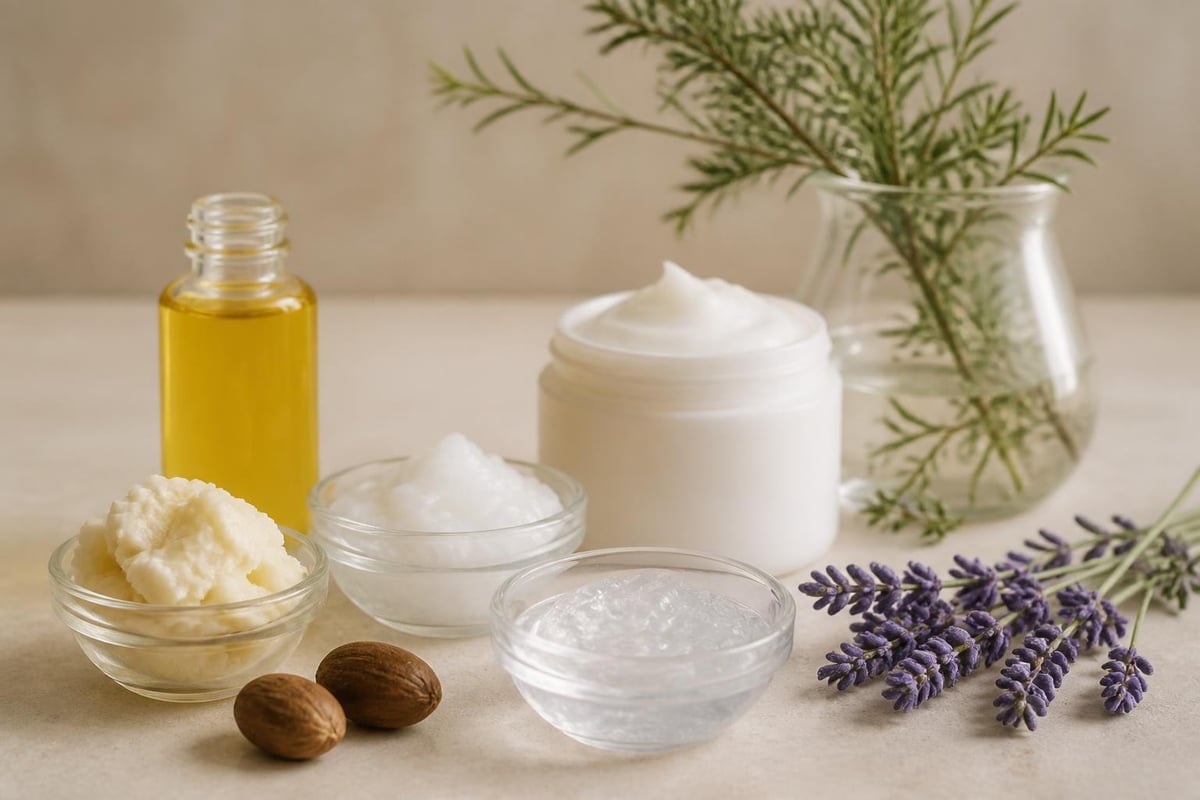
A plant based moisturiser relies entirely on botanical ingredients rather than animal-derived components or synthetic petroleum-based compounds. These formulations harness oils, butters, extracts, and active compounds sourced directly from plants to hydrate, protect, and nourish your skin.
The distinction matters more than you might think. Traditional moisturisers often contain animal-derived ingredients like lanolin, beeswax, or collagen, alongside synthetic emollients derived from petroleum. Plant-based alternatives use ingredients such as shea butter, jojoba oil, coconut oil, and plant-derived hyaluronic acid instead.
Key Components in Botanical Formulations
Understanding the building blocks of your moisturiser helps you make informed choices:
- Emollients: Plant oils like argan, rosehip, and sweet almond that soften and smooth skin
- Occlusives: Ingredients such as candelilla wax and plant butters that lock in moisture
- Humectants: Glycerin (plant-derived), aloe vera, and botanical hyaluronic acid that draw water into skin
- Active botanicals: Extracts from green tea, chamomile, calendula, and other plants offering additional benefits
Research on plant oils as moisturising agents demonstrates that fixed plant oils can function effectively as both emollients and occlusives, providing a solid scientific foundation for their use in skincare formulations.
Benefits of Choosing Plant-Based Skincare
Switching to a plant based moisturiser offers advantages that extend beyond your complexion. These formulations provide a holistic approach to skincare that considers your health, ethics, and the environment.
Gentler on sensitive skin: Many people find botanical ingredients less irritating than synthetic fragrances and preservatives. Natural formulations can reduce the risk of adverse reactions, though it's worth noting that sensitive skin requires careful product selection regardless of whether ingredients are natural or synthetic.
Environmental and Ethical Advantages
| Benefit | Plant-Based | Conventional |
|---|---|---|
| Animal testing | Typically cruelty-free | May involve testing |
| Biodegradability | Generally high | Variable |
| Renewable resources | Yes | Often petroleum-based |
| Carbon footprint | Usually lower | Higher |
The growth of vegetarian and vegan skincare reflects increasing consumer awareness about these factors. When you choose plant-based options, you're supporting more sustainable production methods and reducing demand for animal-derived ingredients.
Nutrient-rich formulations: Plants naturally contain vitamins, antioxidants, and fatty acids that benefit skin health. A well-formulated plant based moisturiser delivers these compounds in concentrations that support your skin's natural functions.
Understanding Different Skin Types and Plant-Based Solutions
Not every botanical moisturiser suits every skin type. Matching the right formula to your specific needs ensures you'll see the best results from your plant-based routine.
Dry and Dehydrated Skin
When your skin feels tight, flaky, or rough, you need rich emollients and occlusives. Look for plant based moisturiser products containing:
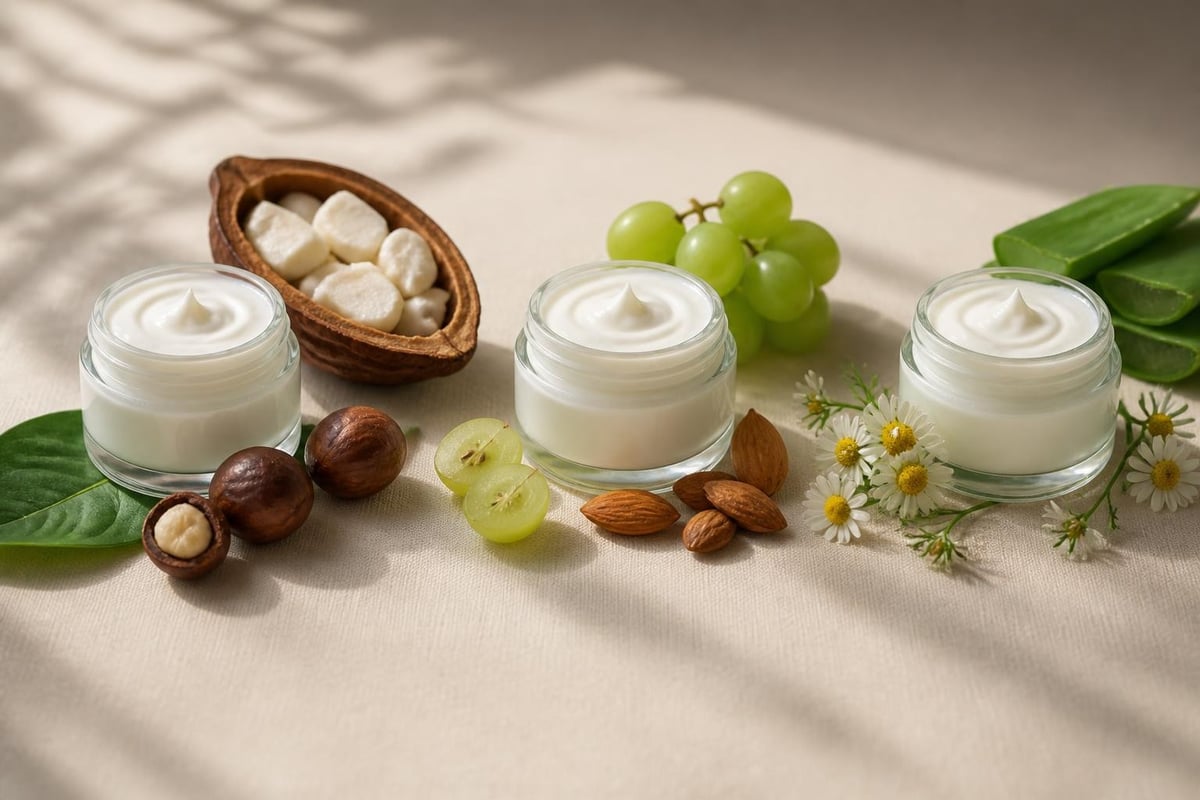
- Shea butter or cocoa butter for intensive nourishment
- Avocado oil or olive oil for deep hydration
- Plant-based ceramides to repair the moisture barrier
- Hyaluronic acid (vegan-sourced) to boost water retention
These ingredients work together to restore suppleness and comfort. Layering a hydrating serum beneath your moisturiser can enhance results for particularly parched skin.
Oily and Combination Skin
You might assume oily skin doesn't need moisturiser, but that's a common misconception. The right plant based moisturiser actually helps balance sebum production.
Lightweight botanical oils like jojoba closely mimic your skin's natural sebum, signalling your glands to produce less oil. Gel-based formulations with aloe vera, green tea extract, and hyaluronic acid provide hydration without heaviness.
Sensitive and Reactive Skin
Sensitive skin requires extra consideration when selecting any skincare product. Best practices for sensitive skin emphasise simplicity and proven gentle ingredients.
Choose plant based moisturiser formulations with:
- Minimal ingredient lists to reduce potential irritants
- Soothing botanicals like chamomile, calendula, or oat extract
- Fragrance-free options (even natural essential oils can irritate)
- pH-balanced formulations that respect your skin's acid mantle
It's worth noting that "natural" doesn't automatically mean "hypoallergenic." Analysis of clean beauty claims reveals that botanical ingredients can still cause contact dermatitis in susceptible individuals. Always patch-test new products.
Decoding Ingredient Lists on Plant-Based Moisturisers
Reading labels effectively empowers you to choose products that truly deliver on their botanical promises. Not all "natural" or "plant-based" claims are created equal.
What to Look For
Start by checking the first five ingredients, as these make up the bulk of any formulation. In a quality plant based moisturiser, you should see botanical oils, plant butters, or water (aqua) followed by plant-derived emulsifiers.
Common beneficial botanicals:
- Rosehip oil: Rich in vitamins A and C, excellent for mature skin
- Jojoba oil: Balancing and suitable for most skin types
- Aloe vera: Soothing and hydrating
- Shea butter: Deeply nourishing for dry skin
- Green tea extract: Antioxidant-rich and calming
Red Flags to Avoid
Even products marketed as natural or vegan can contain questionable ingredients. Watch out for:
- Parabens (methylparaben, propylparaben)
- Synthetic fragrances listed as "parfum"
- Mineral oil or petrolatum
- PEGs (polyethylene glycols)
- Silicones (dimethicone, cyclomethicone)
Some of these ingredients aren't inherently harmful, but they're not plant-based and may not align with your values or skin goals.
The Science Behind Plant-Based Hydration
Understanding how botanical moisturisers actually work helps you appreciate their effectiveness and choose formulations based on evidence rather than marketing hype.
Plant oils function through multiple mechanisms. Studies on emollients in dermatological creams show that plant-derived emollients can perform comparably to synthetic alternatives when properly formulated.
How Botanical Ingredients Hydrate
Your skin's outer layer, the stratum corneum, relies on three key elements for optimal hydration:
| Component | Function | Plant-Based Source |
|---|---|---|
| Water content | Maintains plumpness | Aloe vera, cucumber extract |
| Natural moisturising factors | Attracts water | Plant glycerin, amino acids |
| Lipid barrier | Prevents water loss | Plant oils, butters, waxes |
A comprehensive plant based moisturiser addresses all three aspects. Humectants draw moisture from the air and deeper skin layers, emollients fill gaps between skin cells, and occlusives create a protective seal.
Penetration and Absorption
Not all plant oils penetrate skin equally. Smaller molecular structures absorb more readily:
- Quick-absorbing: Argan oil, rosehip oil, grapeseed oil
- Medium absorption: Jojoba oil, sweet almond oil
- Slower absorption: Coconut oil, shea butter, cocoa butter
Layering different weights can provide both immediate comfort and long-lasting protection. Apply lighter oils first, followed by richer creams or butters.
Choosing Quality Over Marketing Claims
The botanical skincare market has exploded, and not all brands deliver equal quality. Developing discernment helps you invest wisely in products that actually work.
Certifications That Matter
Look for third-party verification rather than relying solely on brand claims:
- Vegan Society certification: Guarantees no animal ingredients or testing
- Soil Association organic: Ensures organic farming practices
- Cruelty-Free International: Confirms no animal testing
- COSMOS: European standard for organic and natural cosmetics
These certifications require independent auditing, providing assurance that your plant based moisturiser meets defined standards.
Transparency and Sourcing
Reputable brands openly share information about ingredient sourcing and manufacturing. Understanding what makes high-end skincare products reveals that quality often correlates with transparency rather than price alone.
Questions to ask:
- Where do the botanical ingredients come from?
- Are they organically grown or wildcrafted sustainably?
- How are active compounds preserved without harsh preservatives?
- Does the brand conduct stability and efficacy testing?
Companies committed to quality typically provide detailed answers, whether on their website FAQs or through customer service channels.
Building Your Plant-Based Skincare Routine
Incorporating a plant based moisturiser into your daily routine maximises its benefits. Consistency and proper application technique matter as much as the product itself.
Morning Application
Start with freshly cleansed skin to ensure your moisturiser can penetrate effectively. Using a gentle cleansing balm removes overnight oil production without stripping natural lipids.
Application steps:
- Apply toner or hydrating mist whilst skin is still damp
- Layer any serums from thinnest to thickest consistency
- Warm a small amount of moisturiser between your palms
- Press gently into skin using upward motions
- Don't forget your neck and décolletage
Morning moisturisers should feel lightweight and sit well under sunscreen and makeup. If you're experiencing pilling or greasiness, you may be using too much product.
Evening Routine
Night-time offers an opportunity for more intensive repair. Your skin's regeneration processes peak during sleep, making evening application particularly valuable.
Consider richer formulations in the evening, especially if you have dry or mature skin. A plant based moisturiser with nutrient-dense ingredients like sea buckthorn oil or evening primrose oil supports overnight renewal.
Seasonal Adjustments
Your skin's needs fluctuate throughout the year. What works perfectly in summer might leave you tight and flaky come winter.
| Season | Skin Concern | Recommended Adjustment |
|---|---|---|
| Winter | Increased dryness | Switch to richer formulas with more occlusives |
| Summer | Oiliness, breakouts | Opt for gel-based or lighter oil formulations |
| Spring/Autumn | Transition sensitivity | Maintain gentle, balanced formulas |
Having two different plant based moisturiser options allows you to adapt your routine without completely changing products.
Common Myths About Natural and Vegan Moisturisers
Misconceptions about botanical skincare can prevent people from making the switch or lead to unrealistic expectations. Let's address some persistent myths.
Myth 1: Natural always means better for your skin
Natural ingredients aren't automatically superior or safer. Poison ivy is natural, but you wouldn't want it in your moisturiser. Quality formulation matters more than whether ingredients are natural or synthetic.
Myth 2: Plant-based moisturisers don't work as well
Properly formulated plant based moisturiser products can perform just as effectively as conventional options. The key is choosing formulations backed by research and designed for your specific skin type.
Myth 3: Vegan skincare is expensive
Whilst some premium botanical brands command high prices, affordable options exist that don't compromise on quality. Price doesn't always indicate effectiveness.
The "All-Natural" Fallacy
Marketing terms like "all-natural," "clean," or "green" lack standardised definitions in the UK. Brands can use these terms liberally without meeting specific criteria.
Focus on actual ingredients and certifications rather than vague marketing language. A product can be 99% natural but still contain that 1% problematic preservative or synthetic fragrance.
Addressing Specific Skin Concerns With Botanical Ingredients
Plant-based skincare offers targeted solutions for common concerns beyond basic hydration. Certain botanical compounds provide specific benefits supported by traditional use and emerging research.
Anti-Ageing and Mature Skin
Plant based moisturiser formulations for mature skin should include:
- Vitamin C-rich ingredients: Rosehip oil, kakadu plum extract
- Antioxidants: Green tea, resveratrol from grapes, vitamin E
- Fatty acids: Sea buckthorn oil, pomegranate seed oil
- Plant retinol alternatives: Bakuchiol, which offers similar benefits with less irritation
These compounds support collagen production, protect against free radical damage, and improve skin texture and tone.
Acne-Prone Skin
You might think oily, acne-prone skin needs to avoid all oils, but certain plant oils actually help:
- Jojoba oil: Regulates sebum production
- Tea tree oil: Provides antimicrobial benefits (use diluted)
- Niacinamide from oats: Reduces inflammation
- Willow bark extract: Natural source of salicylic acid
Choose non-comedogenic plant based moisturiser options that won't clog pores whilst still providing essential hydration.
Hyperpigmentation and Uneven Tone
Botanical brightening agents work more gradually than harsh chemicals but offer gentler alternatives:
- Licorice root extract
- Vitamin C from citrus or berries
- Kojic acid (derived from fungi)
- Alpha arbutin (plant-derived)
Consistent use over several weeks typically yields visible improvements in dark spots and overall radiance.
Making the Transition to Plant-Based Skincare
Switching your entire routine overnight can overwhelm both your skin and your budget. A gradual transition often proves more successful and sustainable.
The Patch Test Protocol
Before incorporating any new plant based moisturiser, conduct a proper patch test:
- Apply a small amount to your inner forearm
- Wait 24-48 hours
- Check for redness, itching, or irritation
- If clear, test on your jawline before full-face application
This simple step prevents adverse reactions and helps identify specific sensitivities.
Introducing New Products
Replace one product at a time, allowing 4-6 weeks to assess its effects. Start with your moisturiser since it's such a fundamental step, then gradually switch your cleanser, serum, and other products.
Transition timeline:
- Weeks 1-6: New plant based moisturiser
- Weeks 7-12: Plant-based cleanser
- Weeks 13-18: Botanical serum or treatment
- Ongoing: Additional products as needed
This methodical approach helps you identify which products truly benefit your skin rather than attributing all changes to your entire new routine.
Storing and Preserving Plant-Based Formulations
Natural preservatives typically aren't as robust as synthetic alternatives, making proper storage essential for maintaining your plant based moisturiser's efficacy and safety.
Best Storage Practices
Keep products cool and dark: UV light and heat degrade botanical ingredients faster than synthetic compounds. Store your moisturiser in a cabinet rather than on a sunny windowsill.
Most plant-based formulations remain stable at room temperature, but extreme heat can separate emulsions or accelerate oxidation of plant oils.
Recognising When Products Have Expired
Watch for these signs that your moisturiser has gone off:
- Changes in colour, smell, or texture
- Separation that doesn't re-blend with shaking
- Rancid or "off" odour
- Reduced effectiveness
Natural products typically have shorter shelf lives than conventional ones. Check the PAO (period after opening) symbol and adhere to those timeframes.
The Future of Plant-Based Skincare Innovation
The botanical skincare sector continues evolving with exciting developments on the horizon for 2026 and beyond.
Emerging Ingredients and Technologies
Researchers are identifying new plant compounds with remarkable skincare benefits:
- Microalgae extracts: Offering potent antioxidants and hydration
- Adaptogenic herbs: Helping skin manage environmental stress
- Fermented botanicals: Increasing bioavailability of active compounds
- Upcycled ingredients: Reducing waste whilst maximising plant benefits
These innovations promise even more effective plant based moisturiser options whilst advancing sustainability goals.
Biotechnology and Plant-Derived Actives
Lab-grown plant compounds offer consistency and sustainability without traditional farming's environmental impact. Biotech can produce rare plant actives at scale, making previously exotic ingredients more accessible and affordable.
This technology isn't "synthetic" in the traditional sense but rather uses biological processes to create identical plant compounds, potentially revolutionising how we think about natural skincare.
Choosing a plant based moisturiser represents more than a skincare decision – it's a commitment to products that respect your skin, animals, and the environment. By understanding ingredient functions, matching formulations to your skin type, and selecting quality over marketing hype, you'll discover botanical moisturisers that deliver genuine results. White Rabbit Skin Care offers thoughtfully crafted vegan moisturisers and complete skincare ranges designed for various skin types, all formulated with the finest natural ingredients and backed by a commitment to cruelty-free practices. Explore their collection to find your perfect plant-based match today.