


Plant Based Face Cleanser: Your Guide to Natural Beauty
Making the switch to gentler, more natural skincare has never been more appealing, and choosing a plant based face cleanser is often the perfect starting point. Whether you're concerned about harsh chemicals, looking for vegan options, or simply want to treat your skin to the botanical goodness nature provides, understanding what makes these cleansers special can transform your daily routine. With growing awareness around ingredient transparency and the importance of authenticity in natural skincare brands, it's time to explore how plant-powered cleansing can benefit your complexion whilst aligning with your values.
Understanding Plant Based Face Cleansers
A plant based face cleanser harnesses the natural cleansing properties found in botanical ingredients rather than relying on synthetic detergents or petroleum-derived compounds. These formulations draw upon centuries of herbal wisdom combined with modern cosmetic science to create effective, gentle products.
The foundation of any quality plant based face cleanser typically includes naturally derived surfactants from sources like coconut, sugar, or corn. These ingredients create the lather and cleansing action without the harsh stripping effect of sulphates commonly found in conventional products.
What Makes Them Different
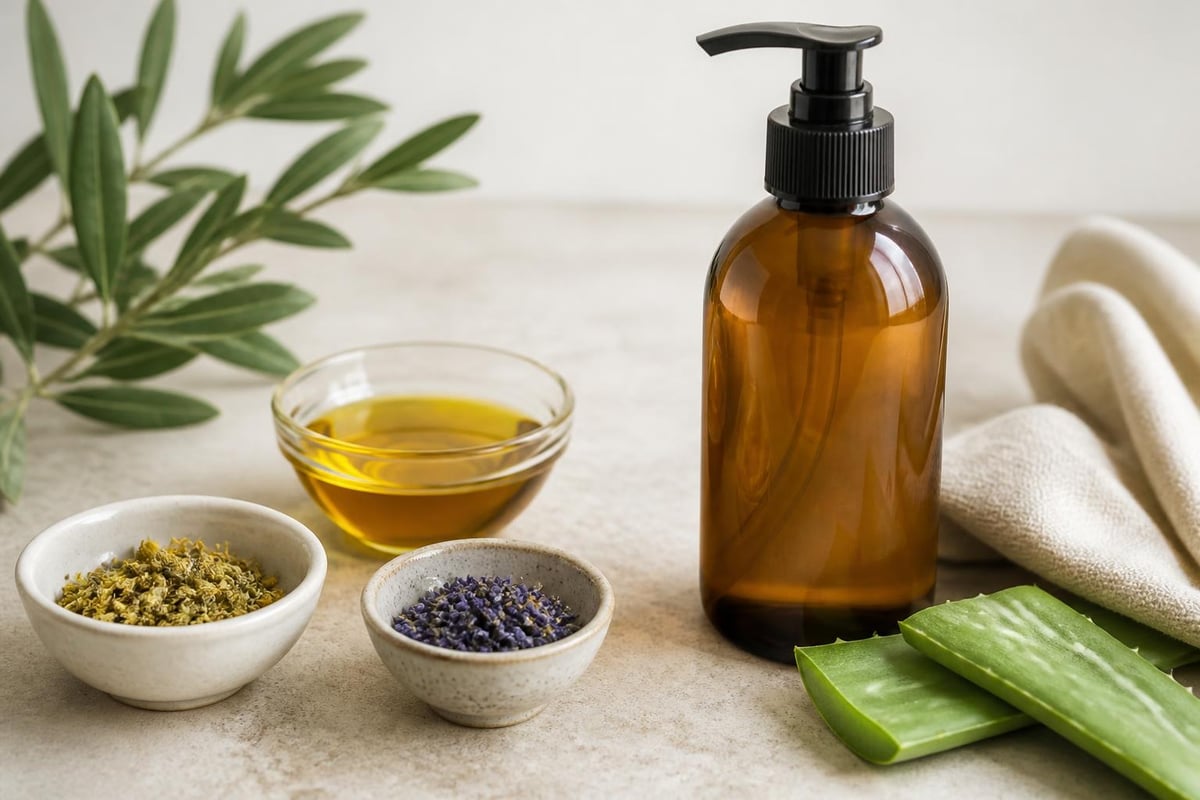
Unlike traditional cleansers that may contain synthetic fragrances, parabens, and artificial colours, plant based options prioritize ingredients you can actually recognize. Think chamomile, green tea, jojoba oil, and aloe vera rather than chemical names that require a degree in chemistry to pronounce.
Key characteristics include:
- Biodegradable formulations that are kinder to the environment
- Absence of animal-derived ingredients, making them suitable for vegans
- Gentle pH-balanced formulas that respect your skin's natural barrier
- Rich in vitamins, antioxidants, and naturally occurring nutrients
- Often packaged in sustainable, recyclable materials
Research into plant-based foods and their impact on skin health suggests that botanical ingredients can offer significant benefits when applied topically as well as consumed, making plant based face cleansers a logical extension of holistic wellness practices.
Benefits for Your Skin and Beyond
Switching to a plant based face cleanser offers advantages that extend far beyond just getting your face clean. Your skin is your largest organ, and what you put on it matters tremendously, especially given that some ingredients can be absorbed into your bloodstream.
Gentler on Sensitive Skin
Plant based formulations tend to be naturally gentler, making them ideal for those with reactive or sensitive skin. The absence of harsh synthetic chemicals means fewer potential irritants, though it's worth noting that natural cosmetics can still cause reactions in some individuals, particularly those with botanical allergies.
Many people find that plant based options reduce redness, inflammation, and breakouts that can be triggered by conventional cleansers. The Cleveland Clinic's guide on proper face washing emphasizes choosing gentle cleansers as a foundation for healthy skin, which aligns perfectly with the plant based philosophy.
Environmental Impact
Your skincare choices ripple outward beyond your bathroom sink. Plant based face cleansers typically:
- Break down naturally without polluting waterways
- Come from renewable resources rather than petroleum
- Support sustainable farming practices when ingredients are ethically sourced
- Generate less environmental harm during manufacturing
- Often use recyclable or minimal packaging
For those committed to vegan, cruelty-free skincare, choosing plant based options ensures no animals were harmed or exploited in creating your beauty routine. This ethical dimension resonates with many consumers who want their purchases to reflect their values.
Nutrient-Rich Formulations
Plants contain an extraordinary array of beneficial compounds. A quality plant based face cleanser might include:
| Ingredient | Primary Benefit | Skin Type |
|---|---|---|
| Aloe Vera | Soothing, hydrating | All types, especially sensitive |
| Green Tea Extract | Antioxidant protection | Oily, acne-prone |
| Chamomile | Calming, anti-inflammatory | Sensitive, rosacea |
| Rosehip Oil | Vitamin-rich, regenerating | Mature, dry |
| Coconut Oil | Cleansing, moisturizing | Dry, normal |
| Tea Tree Oil | Antibacterial | Oily, acne-prone |
These ingredients don't just clean; they actively nourish your skin with vitamins, minerals, and protective compounds that support long-term skin health.
Choosing the Right Plant Based Face Cleanser
Not all plant based cleansers are created equal, and finding the perfect match for your skin requires understanding both your needs and what different formulations offer. Your cleansing routine forms the foundation of effective skincare, so it's worth investing time in getting it right.
Consider Your Skin Type
Dry or mature skin benefits from cream or oil-based plant based face cleansers that don't strip natural oils. Look for formulations containing:
- Avocado oil for deep nourishment
- Oatmeal for gentle exfoliation and soothing
- Shea butter for moisture retention
- Calendula for healing and protection
Oily or acne-prone skin thrives with lightweight gel or foaming plant based options featuring:
- Salicylic acid from willow bark for natural exfoliation
- Witch hazel for pore refinement
- Neem oil for antibacterial properties
- Clay minerals for oil absorption
Combination skin requires balance, often responding well to cleansing balms that melt away impurities whilst maintaining hydration in dry areas.
Understanding Different Formats
The way your plant based face cleanser is formulated affects both its performance and your experience using it.
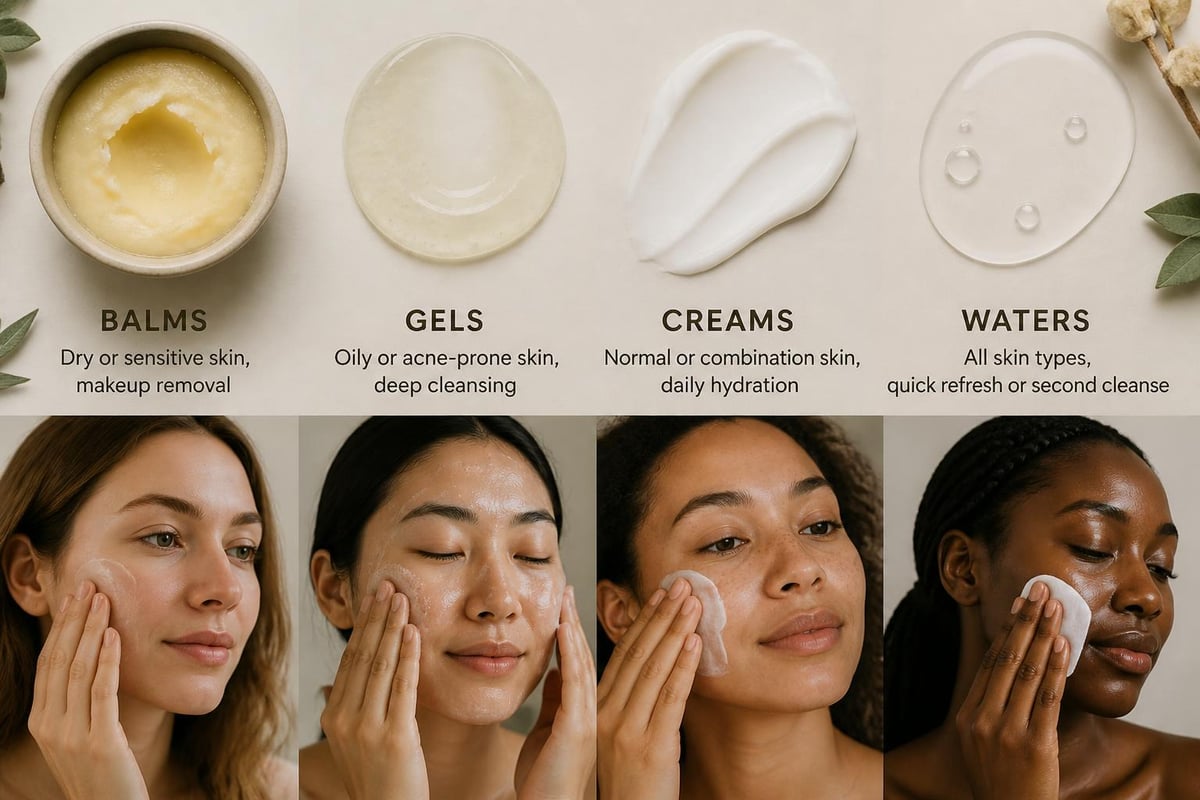
Cleansing balms start solid and transform into silky oils upon contact with skin, making them exceptional for removing makeup and sunscreen. The oil cleansing method has gained popularity for its ability to dissolve oil-based impurities without disrupting your skin's natural balance.
Cream cleansers offer a luxurious, moisturizing experience perfect for morning routines or those with drier complexions. They cleanse effectively whilst leaving skin soft and hydrated.
Gel cleansers provide a refreshing, lightweight clean that suits oilier skin types and those preferring a fresh-faced finish. Glycolic cleansers can offer additional exfoliating benefits through naturally derived acids.
Cleansing waters or micellar formulations use tiny oil molecules suspended in soft water to attract and lift away dirt and makeup with minimal rinsing required, making them travel-friendly and convenient.
Key Ingredients to Look For
Understanding what goes into your plant based face cleanser empowers you to make informed choices. While individual needs vary, certain botanical ingredients have proven track records for effective, gentle cleansing.
Cleansing Agents from Nature
Natural surfactants derived from plants create the cleansing action without harsh sulphates:
- Coco-glucoside from coconut and fruit sugars provides gentle foaming
- Decyl glucoside from corn and coconut offers mild cleansing suitable for sensitive skin
- Saponins from plants like soapwort and yucca create natural lather
- Castile soap made from olive oil delivers traditional gentle cleansing
Beneficial Botanical Extras
Beyond basic cleansing, look for ingredients that offer additional skin benefits. Aloe vera, one of the most researched plant-based skincare ingredients, soothes inflammation and provides hydration. Research on plant-derived proteins and peptides in cosmetics confirms their safety and potential benefits.
Antioxidant-rich additions include:
- Vitamin E from wheat germ or sunflower
- Vitamin C from rosehip or kakadu plum
- Polyphenols from green tea and grape seed
- Resveratrol from Japanese knotweed
Hydrating plant ingredients:
- Hyaluronic acid from plant fermentation
- Glycerin from vegetable sources
- Seaweed extracts packed with minerals
- Cucumber for cooling hydration
The beauty of 100% natural skin care products lies in their ability to deliver results without compromise, though it's important to verify certification and ingredient sourcing.
How to Use Plant Based Face Cleansers Effectively
Even the finest plant based face cleanser won't deliver optimal results without proper application technique. Your cleansing method matters just as much as the product itself.
The Perfect Cleansing Routine
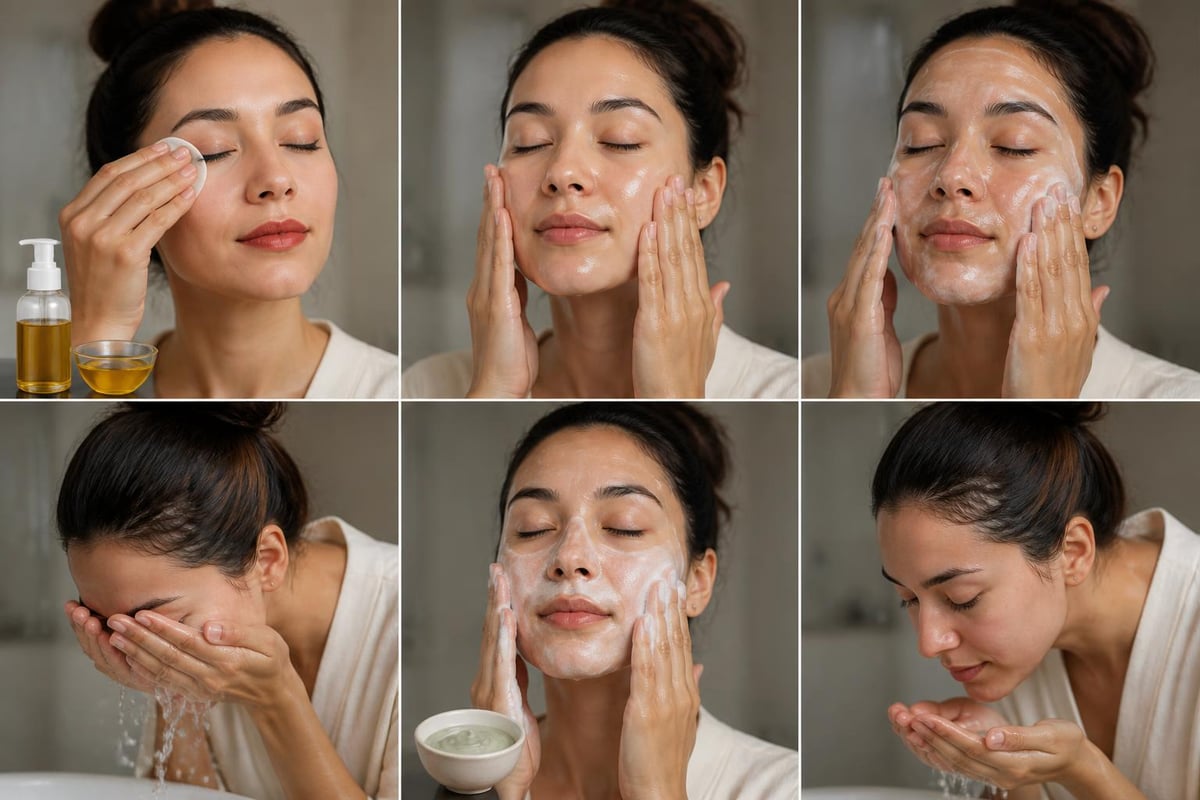
Step 1: Preparation Start with dry hands and a dry face if using a balm or oil-based cleanser. For gel or cream formulations, slightly damp skin helps with distribution.
Step 2: Application Warm a small amount of product between your palms to activate it. Gently massage onto your face using circular motions, working from the center outward. Spend at least 60 seconds cleansing to allow the botanical ingredients time to work.
Step 3: The massage Use gentle upward strokes on your cheeks and forehead, light circular motions around your nose, and delicate touches around your eyes. This massage not only cleanses but also promotes circulation and lymphatic drainage.
Step 4: Removal Rinse thoroughly with lukewarm water. Hot water can strip natural oils, whilst cold water may not remove the cleanser effectively. Pat dry with a clean towel rather than rubbing.
Double Cleansing Benefits
This two-step approach, popularized by vegan Korean skincare routines, involves using an oil-based cleanser first to remove makeup and sunscreen, followed by a water-based plant based face cleanser to clean the skin itself.
The method ensures thorough cleansing without over-stripping, as each step targets different types of impurities. Your first cleanse handles the oil-soluble substances, whilst the second addresses water-soluble dirt and sweat.
| Cleansing Step | Purpose | Best Product Type |
|---|---|---|
| First cleanse | Remove makeup, sunscreen, excess oil | Oil, balm, or micellar water |
| Second cleanse | Clean skin, remove remaining impurities | Gel, cream, or foam cleanser |
| Morning cleanse | Light refresh, prepare for products | Gentle gel or water |
Common Myths About Plant Based Cleansing
Misconceptions about plant based face cleansers persist despite growing evidence of their effectiveness. Let's separate fact from fiction to help you make informed decisions.
"They Don't Clean as Well"
This outdated belief stems from early natural products that may have had limited cleansing power. Modern plant based formulations use sophisticated botanical surfactants that clean just as effectively as conventional options whilst being gentler on skin. Natural face washes can absolutely deliver deep cleansing results.
The key lies in choosing quality products from reputable vegan skin care brands that invest in proper formulation and testing.
"Natural Means Hypoallergenic"
Whilst many people find plant based options gentler, natural doesn't automatically mean allergy-free. Some individuals react to botanical ingredients more than synthetic ones. Essential oils, though natural, can be particularly problematic for sensitive skin.
Always patch test new products and read ingredient lists carefully, especially if you have known plant allergies. Skincare brands for sensitive skin typically formulate without common allergens and fragrance.
"They're Always More Expensive"
Quality plant based face cleansers span a wide price range. Whilst some premium options command higher prices due to rare botanicals or specialized extraction methods, many inexpensive skin care options offer excellent plant based formulations without breaking the bank.
The key is looking at cost per use rather than bottle price. A concentrated plant based cleanser that requires only a small amount per wash may actually prove more economical than a cheaper conventional product you use in larger quantities.
Making the Transition to Plant Based Cleansing
Switching your cleansing routine doesn't need to be complicated or overwhelming. A thoughtful approach helps your skin adjust whilst you discover what works best.
Start Gradually
If you're transitioning from conventional products, consider introducing your plant based face cleanser gradually. Start by using it once daily, perhaps in the evening, whilst continuing your regular morning cleanser. This gives your skin time to adjust to the new formulation.
Week 1-2: Evening cleanse only Week 3-4: Morning and evening use Ongoing: Adjust frequency based on how your skin responds
What to Expect During Transition
Some people experience a brief adjustment period as their skin recalibrates its natural oil production. This "purging" phase typically lasts 2-4 weeks and may involve:
- Slight changes in oil production
- Minor breakouts as impurities surface
- Temporary tightness or changes in texture
- Adjustment to different cleansing sensations
These effects usually resolve as your skin adapts. However, persistent irritation, severe reactions, or worsening skin conditions warrant stopping use and consulting a dermatologist.
Building Your Complete Plant Based Routine
A plant based face cleanser works best as part of a cohesive routine. Consider complementing your cleanser with:
- A gentle toner to balance pH
- A nourishing serum targeting specific concerns
- A plant-based moisturiser appropriate for your skin type
- Sunscreen during the day to protect your freshly cleansed skin
This layered approach allows each product to penetrate effectively and deliver maximum benefits. Exploring all natural skin products for your complete routine ensures consistency in quality and ethics.
Sustainability and Ethical Considerations
Choosing a plant based face cleanser often reflects broader values around environmental responsibility and ethical consumption. Understanding the full picture helps ensure your choices genuinely align with your principles.
Beyond the Ingredients
True sustainability encompasses more than just plant-based formulations. Consider these factors when evaluating products:
- Packaging: Recyclable, minimal, or refillable options reduce waste
- Sourcing: Ethically harvested ingredients support communities and ecosystems
- Certifications: Look for organic, fair trade, and cruelty-free verification
- Carbon footprint: Locally produced options minimize transportation emissions
- Water usage: Both in production and during your cleansing routine
Non-toxic skincare brands increasingly prioritize transparency around these issues, providing detailed information about their sustainability practices.
Supporting Responsible Brands
Voting with your wallet supports companies that prioritize ethics alongside efficacy. Look for brands that:
- Disclose full ingredient lists and sourcing information
- Maintain third-party certifications for claims made
- Practice fair labour throughout their supply chain
- Invest in sustainable packaging innovations
- Support environmental conservation initiatives
Reading reviews, checking company websites, and exploring brand FAQs helps you make informed decisions that feel good on multiple levels.
Plant Based Cleansing for Special Concerns
Different skin concerns require tailored approaches, and plant based face cleansers can address a wide range of specific needs through targeted botanical ingredients.
Anti-Aging Support
Mature skin benefits from plant based cleansers rich in antioxidants and gentle enough not to exacerbate dryness or sensitivity. Look for formulations containing:
- Rosehip oil packed with vitamin A for cell renewal
- Frankincense to firm and tone
- Sea buckthorn for omega fatty acids and vitamin C
- Pomegranate enzymes for gentle exfoliation
These ingredients cleanse whilst delivering anti-aging benefits, preparing skin to better absorb subsequent treatment products.
Acne-Prone Skin Solutions
Plant based options for breakout-prone skin combine antibacterial botanicals with gentle cleansing:
| Plant Ingredient | Acne-Fighting Property | Additional Benefit |
|---|---|---|
| Tea tree oil | Antibacterial | Reduces inflammation |
| Willow bark | Natural salicylic acid | Exfoliates pores |
| Neem | Antimicrobial | Balances oil production |
| Turmeric | Anti-inflammatory | Fades scarring |
The key is finding formulations that address acne without over-drying, as stripped skin often produces more oil to compensate, perpetuating the breakout cycle.
Sensitive Skin Formulations
Those with reactive skin need especially gentle plant based face cleansers free from essential oils and potential irritants. Sensitive skin skincare brands often formulate with:
- Oatmeal for soothing and barrier support
- Chamomile to calm inflammation
- Calendula for healing
- Minimal ingredients to reduce reaction risk
Fragrance-free options, even when made with natural ingredients, prove safest for highly reactive complexions.
Embracing a plant based face cleanser represents more than just a beauty choice; it's a commitment to treating your skin and the planet with respect. By understanding ingredients, choosing quality formulations, and applying them correctly, you can achieve radiant, healthy skin whilst aligning your routine with your values. If you're ready to experience the gentle power of botanical cleansing, explore the thoughtfully crafted, vegan formulations at White Rabbit Skin Care, where natural ingredients meet proven results for every skin type.