

Organic Vegan Face Products: Your Complete Guide
The clean beauty revolution has transformed how we think about skincare, and organic vegan face products now represent the gold standard for conscious consumers who care about what goes on their skin. These products combine the power of plant-based ingredients with organic farming practices, creating formulations that are kind to your complexion, gentle on animals, and sustainable for our planet. Whether you're already committed to a vegan lifestyle or simply exploring healthier alternatives, understanding what makes these products special can help you make informed choices that benefit both your skin and your values.
What Makes Face Products Both Organic and Vegan
Organic vegan face products must satisfy two distinct but complementary criteria. The vegan aspect means the formulation contains absolutely no animal-derived ingredients-no beeswax, lanolin, collagen, or carmine. Every component comes from plant, mineral, or synthetic (but not animal) sources.
The organic designation is more complex. For cosmetics, "organic" typically refers to how ingredients are grown and processed. Organic farming prohibits synthetic pesticides, herbicides, and genetically modified organisms. Many brands seek third-party verification through bodies like Ecocert's COSMOS certification, which ensures ingredients meet strict organic standards.
Key differences to understand:
- Vegan addresses ingredient origin (no animals)
- Organic addresses farming and processing methods
- Natural is a broader term that may include non-organic or even animal-derived ingredients
- Cruelty-free means no animal testing, which is separate from being vegan
Not all vegan products are organic, and not all organic products are vegan. The combination of both standards represents a higher commitment to ethical, sustainable beauty. When choosing organic vegan face products, you're selecting formulations that have been thoughtfully crafted with multiple priorities in mind.
Benefits for Your Skin and Overall Health
Switching to organic vegan face products offers tangible advantages beyond ethical considerations. Your facial skin absorbs ingredients readily, making product purity particularly important.
Reduced Chemical Exposure
Conventional skincare often contains synthetic preservatives, artificial fragrances, and petroleum-derived ingredients. While regulatory bodies like those discussed by the National Institute of Environmental Health Sciences monitor cosmetic safety, organic formulations typically exclude controversial compounds entirely. This proactive approach minimizes exposure to potentially irritating substances.
Organic farming practices also mean fewer pesticide residues in botanical ingredients. When you apply a cleanser made with organic chamomile or calendula, you're not inadvertently introducing agricultural chemicals to your complexion.
Nutrient-Rich Formulations
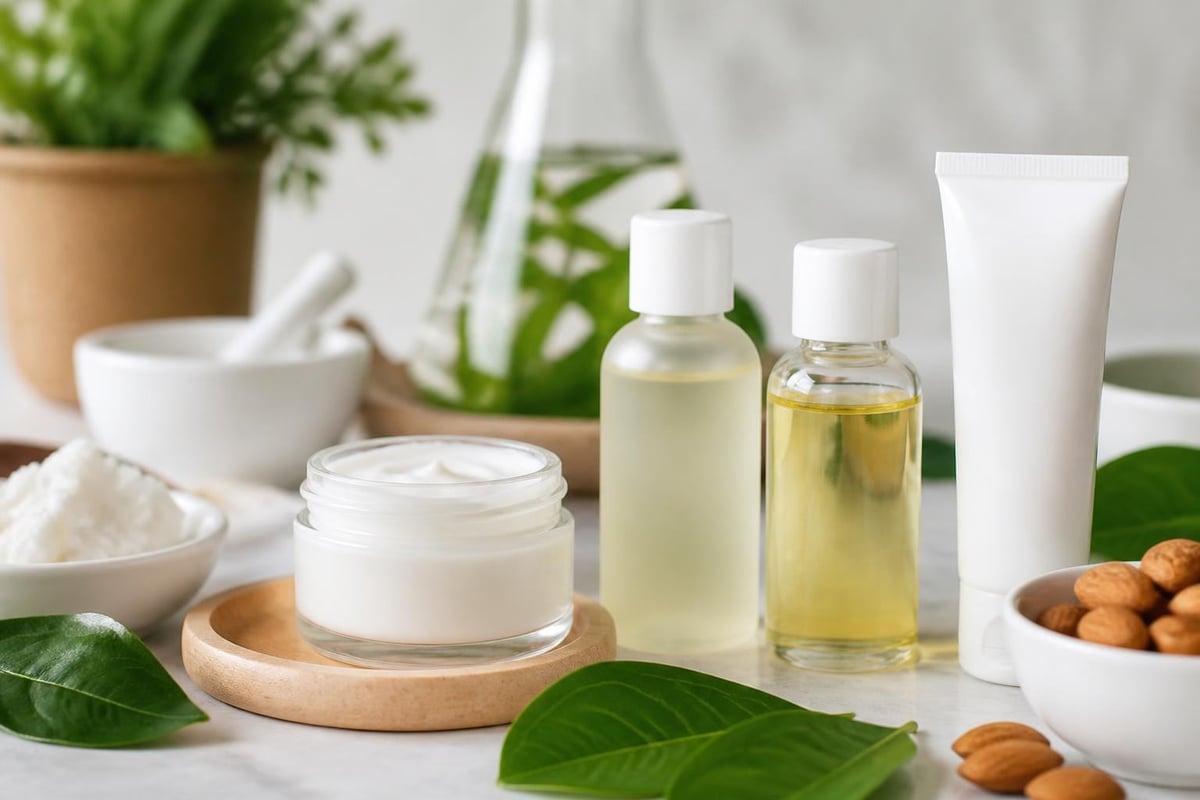
Plant-based ingredients in organic vegan face products deliver impressive nutritional profiles:
- Vitamins (A, C, E) from sources like rosehip, sea buckthorn, and carrot seed oil
- Antioxidants from green tea, pomegranate, and grape seed extracts
- Essential fatty acids from plant oils including jojoba, argan, and hemp seed
- Minerals from clays, salts, and algae extracts
These nutrients work synergistically to support skin health, providing hydration, protection, and regeneration. The best non-toxic skincare brands prioritize these active botanicals in their formulations.
| Skin Concern | Beneficial Vegan Ingredients | Common Product Types |
|---|---|---|
| Dryness | Shea butter, hyaluronic acid, squalane | Moisturisers, serums |
| Sensitivity | Aloe vera, oat extract, chamomile | Cleansers, toners |
| Aging | Vitamin C, retinol alternatives, peptides | Serums, night creams |
| Blemishes | Tea tree oil, willow bark, niacinamide | Spot treatments, cleansers |
Understanding Ingredient Labels and Certifications
Navigating organic vegan face products requires some label-reading skills. The European Commission's Cosmetic Ingredient Database provides official INCI (International Nomenclature of Cosmetic Ingredients) names, which you'll see listed on product packaging.
Recognizing Truly Organic Ingredients
In the UK and EU, cosmetic products cannot claim to be "organic" unless specific percentages of ingredients meet organic standards. Look for these certification logos:
- Soil Association Organic: Requires 95% organic ingredients for beauty products
- COSMOS Organic: International standard requiring minimum percentages of organic content
- ECOCERT: French certifier with rigorous organic and ecological standards
Some products list "organic" ingredients without full product certification. This is legal but means only certain components are organic, not the entire formulation. The ingredient list orders components by concentration, so organic ingredients near the top indicate higher organic content.
Verifying Vegan and Cruelty-Free Claims
"Vegan" isn't regulated for cosmetics the way organic certification is. Reputable brands often seek third-party verification through organizations like The Vegan Society, which provides registered trademarks for approved products.
Separately, Cruelty Free International's Approval Programme certifies that neither the finished product nor individual ingredients were tested on animals. This standard goes beyond EU law, which already prohibits animal testing for cosmetics, by examining entire supply chains.
Common certifications to trust:
- The Vegan Society sunflower logo
- Leaping Bunny (cruelty-free)
- PETA's Beauty Without Bunnies
- Soil Association or COSMOS logos (organic)
When products display multiple certifications, you can feel confident about their organic vegan credentials.
Choosing Products for Different Skin Types
Organic vegan face products work beautifully across all complexion types, but selecting the right formulations maximizes results. Understanding your skin's needs helps you match botanical ingredients to your specific concerns.
Dry and Sensitive Complexions
If your skin feels tight, flaky, or reactive, seek organic vegan face products with rich, soothing ingredients. Plant oils and butters provide deep nourishment without animal-derived ingredients like lanolin.
Best ingredients for dry skin:
- Shea and cocoa butters for intensive moisture
- Rosehip and evening primrose oils for essential fatty acids
- Hyaluronic acid (vegan-sourced) for hydration retention
- Oat and calendula extracts for calming irritation
The American Academy of Dermatology recommends choosing fragrance-free moisturisers and being cautious with certain natural ingredients, which can sometimes irritate sensitive skin. Look for products specifically formulated for sensitive skin types, as these avoid common irritants even within natural ranges.
Oily and Combination Skin
Those with excess sebum production benefit from lightweight organic vegan face products that balance rather than strip natural oils. Contrary to outdated advice, even oily skin needs moisture-just in different textures.
Choose gel or lotion formulations rather than heavy creams. Ingredients like:
- Jojoba oil (actually a wax that mimics skin's sebum)
- Witch hazel and rose water for gentle toning
- Tea tree and lavender essential oils for clarifying
- Willow bark (natural salicylic acid source) for exfoliation
Combination skin typically requires different products for different zones. Many people with this skin type use products designed for combination complexions that balance mattifying and hydrating properties.
Normal and Mature Skin
Those blessed with balanced skin have the most flexibility in choosing organic vegan face products. Focus on prevention and maintenance with antioxidant-rich formulations.
For mature skin showing signs of aging, plant-based alternatives to retinol work beautifully. Bakuchiol, derived from the babchi plant, provides similar benefits without sensitivity. Vitamin C from kakadu plum or rosehip offers brightening and collagen support.
| Age Range | Priority Ingredients | Product Focus |
|---|---|---|
| 20s-30s | Antioxidants, SPF, hydration | Prevention, cleansing |
| 40s-50s | Peptides, vitamin C, ceramides | Firmness, brightness |
| 60s+ | Rich oils, bakuchiol, adaptogens | Deep nourishment, resilience |
Building Your Organic Vegan Skincare Routine
Creating an effective routine with organic vegan face products doesn't need to be complicated or expensive. A three-step approach suits most people, with optional additions based on specific concerns.
The Essential Three Steps
Morning and evening, your skin needs:
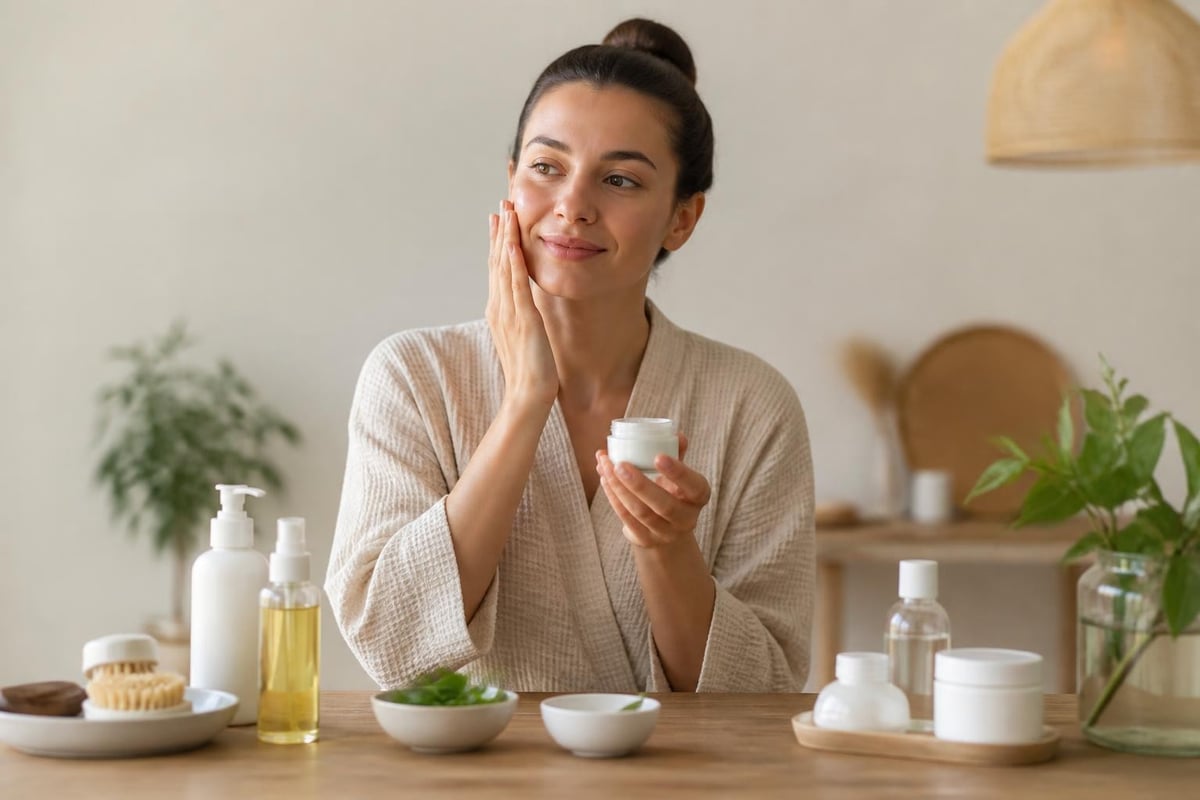
- Cleansing: Removes makeup, pollution, and excess oil without stripping natural moisture
- Toning: Balances pH, prepares skin for absorption, adds hydration layer
- Moisturising: Seals in hydration, protects barrier function, delivers active ingredients
For cleansing, choose oil-based cleansers for dry skin or gel formulas for oily complexions. Many vegan cleansers use plant-derived surfactants like coconut-based ingredients rather than synthetic detergents.
Toners have evolved beyond harsh astringents. Modern organic toners deliver hydration through flower waters, aloe juice, and botanical extracts. They're particularly beneficial for preparing skin to absorb serums and moisturisers effectively.
Moisturisers vary widely in texture and function. Day creams often include natural sun protection ingredients, whilst night formulations focus on repair and regeneration during sleep.
Additional Treatments and Boosters
Once you've established your basic routine, consider these targeted additions:
- Serums: Concentrated treatments addressing specific concerns (brightening, firming, hydration)
- Exfoliants: Weekly treatments using fruit enzymes or gentle physical scrubs
- Masks: Clay masks for deep cleansing, hydrating masks for moisture boosts
- Eye care: Delicate formulations for the thinner skin around eyes
Layering products correctly ensures maximum effectiveness. Apply from thinnest to thickest consistency: toner, serum, moisturiser. Allow each layer to absorb before adding the next.
Common Misconceptions About Vegan and Organic Skincare
Despite growing popularity, organic vegan face products still face unfair criticism based on outdated information or misunderstandings.
"Natural Products Don't Work as Well"
This myth persists despite abundant evidence to the contrary. Plant-based active ingredients can be extraordinarily effective. Vitamin C from natural sources, for instance, provides the same chemical compound as synthetic versions, often with complementary phytonutrients.
Clinical studies demonstrate that many botanical ingredients deliver measurable results. The key is choosing formulations from reputable UK skincare brands that invest in proper formulation science, ensuring ingredients remain stable and bioavailable.
"Organic Vegan Products Are Always Expensive"
Whilst some premium lines command high prices, many inexpensive skincare options offer excellent organic vegan formulations. Price often reflects packaging, marketing, and brand positioning rather than ingredient quality alone.
You can build an effective routine without breaking the bank by:
- Choosing multipurpose products (like cleansers that also remove makeup)
- Buying concentrated products that last longer
- Focusing on the essential three steps before adding extras
- Looking for sample sizes or sets to try products affordably
Investment priorities for budget-conscious buyers:
- Quality cleanser (impacts all subsequent steps)
- Good moisturiser (essential for barrier protection)
- Targeted treatment (addresses your primary concern)
- Extras and luxuries (nice but not essential)
"All Natural Ingredients Are Safe for Everyone"
Even organic vegan face products can cause reactions in sensitive individuals. Natural doesn't automatically mean non-irritating. Essential oils, though natural, commonly trigger sensitivities. Citrus extracts can cause photosensitivity.
This doesn't make organic vegan face products problematic-it simply means personal compatibility matters. Products formulated for sensitive skin typically minimize essential oils and potential allergens whilst maintaining organic vegan standards.
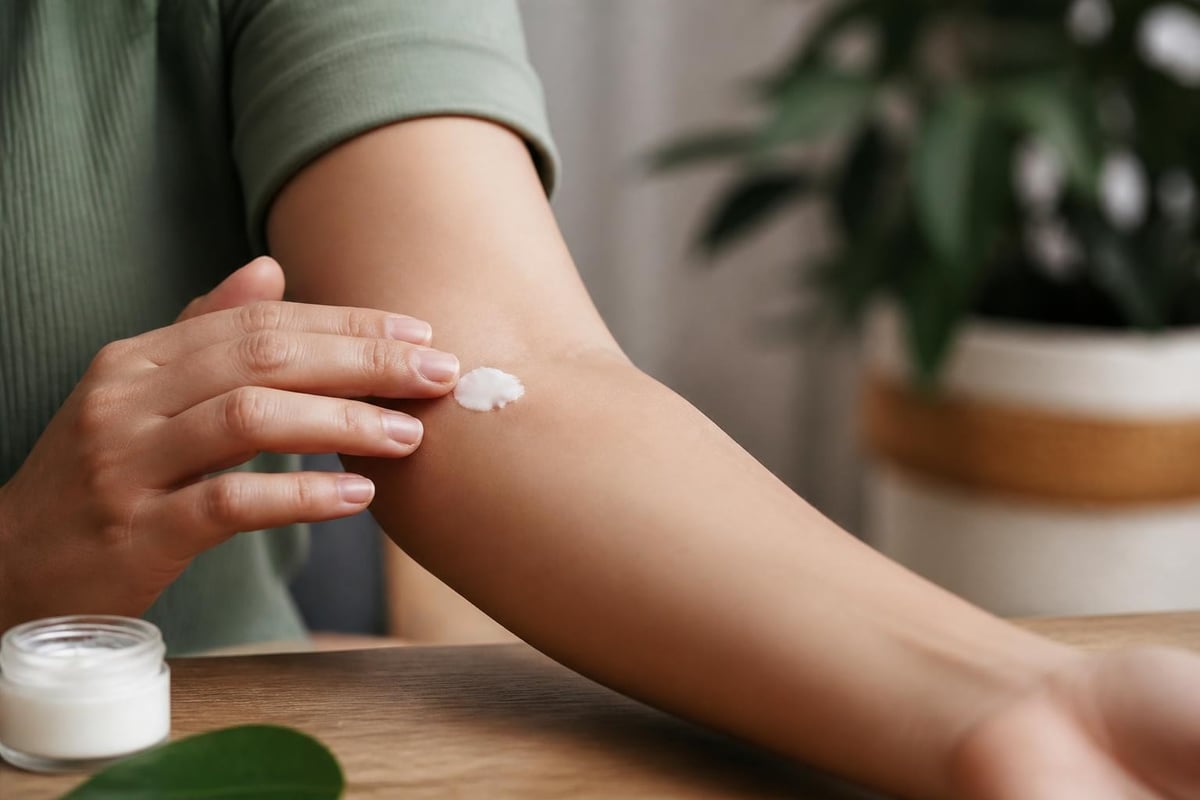
Always patch-test new products, even natural ones, especially if you have reactive skin. Apply a small amount to your inner arm and wait 24-48 hours before using on your face.
Sustainability and Environmental Impact
Choosing organic vegan face products contributes to environmental protection in multiple ways. Your daily skincare routine becomes an act of planetary stewardship.
Reducing Agricultural Chemical Pollution
Organic farming prevents synthetic pesticides and fertilizers from entering watersheds and ecosystems. When you purchase organic skincare, you support farming practices that protect:
- Soil health and biodiversity
- Pollinator populations (bees, butterflies)
- Water quality in agricultural regions
- Long-term land productivity
The demand for organic ingredients incentivizes more farmers to transition from conventional methods, creating positive ripple effects throughout agricultural systems.
Minimizing Animal Agriculture Impact
Vegan formulations eliminate ingredients from animal agriculture, which carries significant environmental costs. Animal farming requires vast land, water, and feed resources whilst producing substantial greenhouse gas emissions.
By choosing plant-based alternatives, you reduce demand for:
- Animal-derived collagen, elastin, and keratin
- Beeswax and honey (which, whilst vegetarian, aren't vegan)
- Lanolin from sheep's wool
- Carmine from crushed insects
Plant-based alternatives often have smaller ecological footprints whilst providing comparable or superior performance.
Packaging and Product Lifecycle
Many brands producing organic vegan face products also prioritize sustainable packaging:
- Glass bottles (recyclable indefinitely)
- Aluminum containers (highly recyclable)
- Post-consumer recycled plastics
- Biodegradable or compostable materials
- Refill programmes reducing packaging waste
Some innovative companies even offer packaging-free solid products like cleansing bars and concentrated powders you mix with water at home.
Making the Transition to Organic Vegan Skincare
Switching to organic vegan face products doesn't need to happen overnight. A gradual transition often works better for both your skin and your budget.
Starting Your Journey
Phase 1: Replace as you run out
Don't discard existing products unnecessarily. As each item empties, replace it with an organic vegan alternative. This spreads costs over time and reduces waste.
Phase 2: Prioritize high-contact products
Start with items you use most or that cover the largest surface area:
- Facial cleanser and moisturiser
- Body lotion and shower products
- Makeup and specialist treatments
Phase 3: Deep dive into ingredients
As you become comfortable with basics, explore more specialized products addressing specific concerns. Learn about hero ingredients that work for your skin type.
Dealing with Adjustment Period
Your skin might need time to adapt when switching to organic vegan face products. This is normal, particularly if you're moving from products with synthetic preservatives or silicones.
Give new products at least 4-6 weeks for your skin to adjust and show results. Some people experience a brief "purging" period as skin detoxifies, though this isn't universal. If irritation persists beyond two weeks, the product might not suit your individual skin chemistry.
Finding Your Perfect Products
Discovering ideal organic vegan face products involves some experimentation. What works brilliantly for your friend might not suit your skin. Consider:
- Taking a skincare quiz to identify your skin type and concerns
- Requesting samples before committing to full sizes
- Reading reviews from people with similar skin types
- Consulting with brands that offer personalized recommendations
Many companies specializing in natural skin brands provide detailed guidance on matching products to individual needs, making the selection process less overwhelming.
The Future of Clean Beauty
The organic vegan face products category continues evolving rapidly. Innovations in 2026 are making these products more effective, accessible, and sustainable than ever before.
Emerging Ingredients and Technologies
Biotechnology now enables vegan alternatives to traditionally animal-derived ingredients. Bioidentical collagen and elastin produced through fermentation offer the same molecular structure as animal sources without requiring animals.
Upcycled ingredients-byproducts from food production that would otherwise be discarded-are gaining popularity. Coffee grounds, fruit peels, and seeds become powerful skincare actives whilst reducing waste.
Transparency and Traceability
Consumers increasingly demand supply chain transparency. Leading brands now share detailed information about:
- Where ingredients are sourced
- How farmers and workers are treated
- Environmental impact of production
- Third-party testing and certification
Blockchain technology and QR codes enable you to trace products from farm to bathroom shelf, ensuring organic vegan claims are verifiable.
Accessibility and Inclusivity
The clean beauty movement is expanding beyond niche markets into mainstream retail. This increased availability brings:
- More competitive pricing
- Wider shade ranges for color cosmetics
- Formulations for previously underserved skin types
- Education and resources in multiple languages
As demand grows, organic vegan face products become normalized rather than specialized, making ethical choices easier for everyone.
Choosing organic vegan face products represents a commitment to your skin's health, animal welfare, and environmental sustainability all at once. By understanding certifications, selecting appropriate formulations for your skin type, and building a thoughtful routine, you can achieve beautiful results whilst honouring your values. White Rabbit Skin Care offers a thoughtfully curated collection of certified organic and vegan skincare products designed for UK customers who refuse to compromise on quality, ethics, or effectiveness. Explore our range of cleansers, toners, and moisturisers tailored to your specific skin type and discover how clean beauty can transform your daily routine.