

Organic Body Care Products: Your Complete Guide 2026
The world of skincare has witnessed a remarkable transformation over recent years, with more people seeking healthier alternatives to conventional beauty products. Organic body care products have moved from niche health shops to mainstream retailers, reflecting growing consumer awareness about what we apply to our skin. This shift isn't just about following trends-it's about making informed choices that benefit both our bodies and the planet. Whether you're new to organic skincare or looking to deepen your understanding, this guide will help you navigate the landscape of truly organic options and understand what makes them different from merely "natural" alternatives.
Understanding What Makes Body Care Truly Organic
The term "organic" carries specific legal weight when applied to skincare and body care products. Unlike the word "natural," which remains largely unregulated in the beauty industry, organic certification follows strict guidelines established by governing bodies. In the UK and internationally, organic certification for cosmetics and body care products follows rigorous standards set by organizations like the Soil Association and COSMOS.
For a product to qualify as certified organic, it must meet several criteria:
- Ingredients must be grown without synthetic pesticides or fertilisers
- No genetically modified organisms (GMOs) can be used
- Processing methods must be environmentally sustainable
- A minimum percentage of organic ingredients must be present (typically 95% for full organic certification)
- Manufacturing facilities undergo regular inspections
The Certification Process Demystified
Understanding certification helps you make better purchasing decisions. When brands claim their products are organic, look for recognized certification logos on packaging. The Soil Association, ECOCERT, and COSMOS are among the most respected certifying bodies in Europe.
Key certification levels include:
| Certification Level | Organic Content | Label Requirements |
|---|---|---|
| 100% Organic | 100% organic ingredients | Can state "100% Organic" |
| Organic | Minimum 95% organic ingredients | Can state "Organic" |
| Made with Organic | Minimum 70% organic ingredients | Can state "Made with Organic [ingredients]" |
The process isn't simple or cheap, which explains why genuinely certified organic body care products often cost more than conventional alternatives. Brands invest significant resources in sourcing certified ingredients, maintaining organic processing standards, and undergoing regular audits.

Benefits That Go Beyond Marketing Claims
Choosing organic body care products offers tangible advantages for your skin and overall wellbeing. These benefits stem from what these products contain-and equally importantly, what they exclude.
Gentler on Your Skin
Organic formulations typically avoid harsh chemicals, synthetic fragrances, and artificial preservatives that can irritate sensitive skin. Many people find that switching to products designed for sensitive skin reduces redness, breakouts, and allergic reactions.
The ingredients in organic body care products work in harmony with your skin's natural processes rather than against them. Plant-based oils, botanical extracts, and natural emollients provide nourishment whilst allowing your skin to breathe and function optimally.
Environmental Responsibility
When you purchase certified organic skincare, you're supporting agricultural practices that protect soil health, water quality, and biodiversity. Organic farming methods reduce pollution, conserve water, and promote sustainable land management.
- No synthetic pesticides entering water systems
- Reduced carbon footprint from sustainable farming
- Protection of beneficial insects and wildlife
- Support for ethical labour practices
Transparency and Trust
Companies producing certified organic body care products must maintain detailed records and undergo third-party verification. This creates accountability that simply doesn't exist for products making vague "natural" claims. As research shows, natural doesn't automatically mean safe or regulated, making certification crucial for consumer protection.
Distinguishing Between Natural and Organic
This distinction confuses many well-intentioned shoppers. A product can be entirely natural yet contain zero organic ingredients, whilst an organic product must meet specific agricultural and processing standards.
Natural Products: The Grey Area
Natural skincare contains ingredients derived from plants, minerals, or animal sources rather than synthetic chemicals. However, "natural" carries no legal definition in cosmetics regulation. A product could contain 1% natural ingredients alongside 99% synthetic ones and still be marketed as natural.
Common natural ingredients that may not be organic:
- Plant extracts from conventionally farmed sources
- Essential oils from non-certified producers
- Mineral ingredients like zinc oxide or titanium dioxide
- Naturally derived preservatives
Why Organic Standards Matter More
Organic certification provides the structure and verification that natural claims lack. When you choose certified organic body care products, you know exactly what standards the manufacturer followed. This transparency matters particularly for those with allergies, skin sensitivities, or concerns about environmental impact.
The importance of authenticity in natural skincare brands cannot be overstated. Genuine commitment to organic principles reflects in everything from ingredient sourcing to packaging choices.
Reading Labels Like a Professional
Developing label-reading skills empowers you to identify truly organic products and avoid greenwashing. Manufacturers know that consumers want organic options, leading some to use misleading marketing whilst offering conventional formulations.
The Ingredient List Tells the Truth
Ingredients appear in descending order by weight. On genuinely organic products, you'll see organic ingredients dominating the top positions. Look for asterisks or notations indicating which ingredients carry organic certification.
Red flags to watch for:
- "Made with organic extracts" when only trace amounts are organic
- Organic certification logos without certification numbers
- Long lists of unpronounceable chemical names despite organic claims
- Marketing copy emphasizing organic properties without certification proof
Understanding Percentage Claims
Some brands display the percentage of organic content. Whilst helpful, remember that water often comprises a significant portion of skincare formulations. A product stating "75% organic ingredients" might contain 40% water, meaning only 75% of the remaining 60% is organic.
Quick shopper's guides help consumers navigate these complexities and make informed choices despite clever marketing tactics.
Building Your Organic Body Care Routine
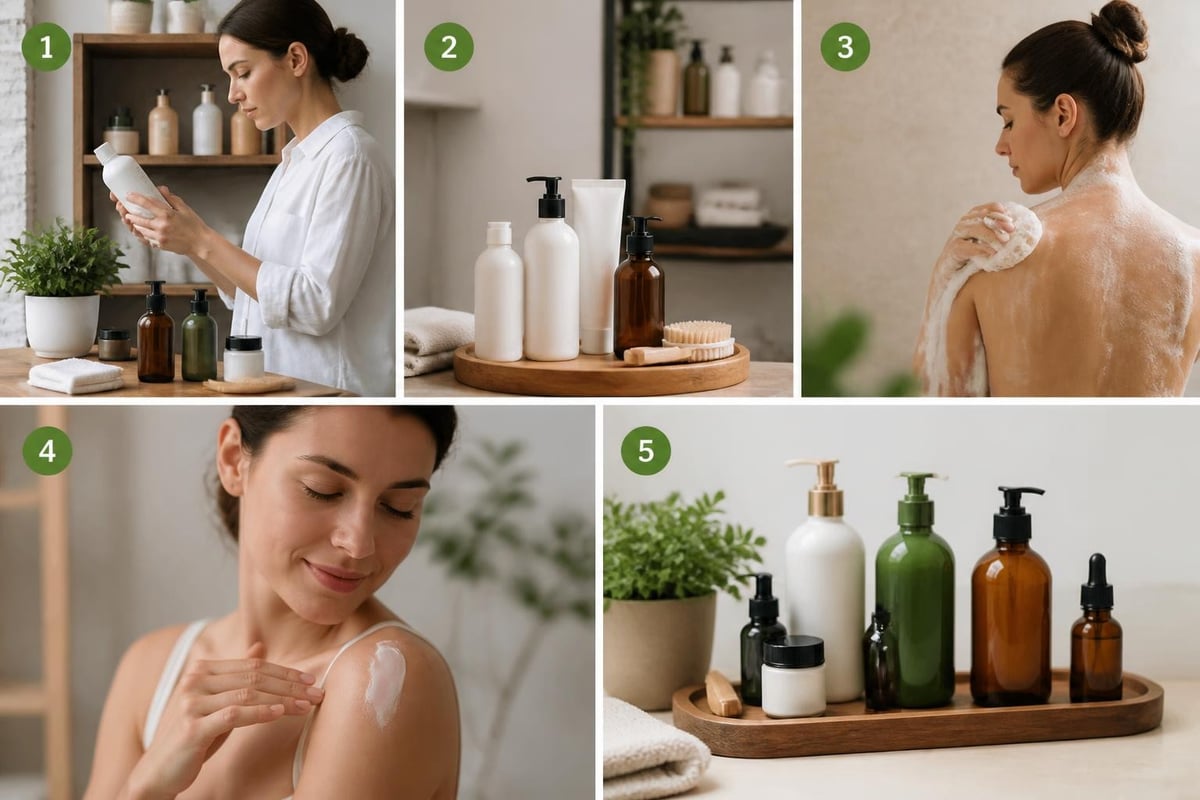
Transitioning to organic body care products doesn't require overnight transformation. A gradual approach helps your skin adjust whilst you discover which formulations work best for your needs.
Starting with High-Impact Products
Begin by replacing products that stay on your skin longest or cover large surface areas. Body moisturisers, facial creams, and daily cleansers make excellent starting points. These products have prolonged contact with your skin, maximizing the benefits of organic ingredients.
Consider your specific skin type when selecting products. Those with dry skin benefit from organic moisturisers rich in plant oils, whilst combination skin types might prefer lighter formulations.
Creating a Cohesive System
| Product Type | Priority Level | Key Organic Ingredients to Seek |
|---|---|---|
| Cleanser | High | Organic plant oils, botanical extracts |
| Moisturiser | High | Organic shea butter, jojoba oil, aloe vera |
| Toner | Medium | Organic rose water, witch hazel, chamomile |
| Body Lotion | High | Organic coconut oil, cocoa butter, vitamin E |
| Lip Balm | Medium | Organic beeswax, plant butters, essential oils |
Don't feel pressured to replace every product simultaneously. Quality organic body care products represent an investment, and building your collection thoughtfully ensures you choose formulations that truly serve your needs.
Vegan and Organic: A Perfect Partnership
Many people seeking organic options also prefer vegan formulations. Vegan skincare products exclude all animal-derived ingredients whilst organic certification ensures plant ingredients meet strict growing standards. This combination appeals to those concerned about both personal health and ethical consumption.
Common Myths and Misconceptions
Despite growing awareness, several persistent myths surround organic body care products. Addressing these helps you make decisions based on facts rather than fiction.
Myth: Organic Products Don't Preserve Well
Reality: Whilst organic formulations avoid synthetic preservatives like parabens, they utilize effective natural preservation systems. Vitamin E, rosemary extract, and other botanical preservatives protect product integrity when formulated correctly. Proper storage-keeping products away from heat and direct sunlight-extends shelf life.
Myth: All Organic Products Suit Sensitive Skin
Reality: Although organic body care products generally contain fewer irritants, natural doesn't automatically mean hypoallergenic. Essential oils, even organic ones, can trigger reactions in some individuals. Choosing products specifically formulated for sensitive skin provides better results than assuming any organic option will work.
Myth: Organic Certification Doesn't Matter for Small Brands
Reality: Certification matters regardless of company size. Small artisan brands sometimes argue that certification costs prevent them from obtaining it despite using organic ingredients. However, without third-party verification, consumers have only the manufacturer's word regarding ingredient quality and sourcing.
Cost Considerations and Value Assessment
Organic body care products typically cost more than conventional alternatives. Understanding why helps you appreciate the value rather than viewing it as mere markup.
Factors influencing organic product pricing:
- Higher ingredient costs due to organic farming practices
- Certification fees and ongoing compliance expenses
- Smaller production runs compared to mass-market brands
- Sustainable packaging investments
- Fair trade and ethical sourcing commitments
When evaluating cost, consider concentration and effectiveness. A rich organic moisturiser requiring only small amounts per application may outlast a cheaper conventional product used more liberally. Calculate cost per use rather than simply comparing price tags.
Investment in Long-Term Skin Health
Think of organic body care products as preventative healthcare for your skin. Quality ingredients support skin barrier function, reduce inflammation, and provide genuine nourishment. This investment may reduce future spending on corrective treatments for issues caused by harsh chemicals.
Supporting Sustainable Beauty Practices
Choosing organic body care products extends beyond personal benefit. Your purchasing decisions influence industry practices and environmental outcomes.
The Ripple Effect of Conscious Consumption
Every organic purchase sends a message to manufacturers about consumer priorities. As demand for certified organic products grows, more companies invest in sustainable practices and transparent sourcing. This creates positive change throughout the supply chain, from farmers using regenerative practices to brands choosing eco-friendly packaging.
The commitment to sustainability shown by established natural brands demonstrates that ethical practices and business success aren't mutually exclusive. Companies building their reputation on genuine organic principles often become industry leaders, proving that consumers value authenticity.
Reducing Environmental Impact
Organic agriculture protects ecosystems that conventional farming degrades. By choosing certified organic body care products, you support:
- Soil regeneration and carbon sequestration
- Biodiversity preservation in agricultural areas
- Cleaner water sources free from pesticide runoff
- Reduced exposure to synthetic chemicals for farmworkers
These benefits extend far beyond your personal skincare routine, contributing to broader environmental health.
Industry Trends Shaping 2026
The organic personal care sector continues evolving rapidly. Understanding current trends helps you anticipate innovations and make forward-thinking choices.
Increased Regulatory Scrutiny
Governments worldwide are tightening regulations around organic claims in cosmetics. This benefits consumers by reducing greenwashing and establishing clearer standards. Industry guides and technical resources help stakeholders navigate these changing requirements.
Technology Meets Tradition
Modern extraction methods preserve beneficial compounds in organic ingredients whilst maintaining certification standards. Cold-pressing, supercritical CO2 extraction, and other gentle processing techniques maximize ingredient potency without synthetic intervention.
Waterless Formulations
Water scarcity concerns are driving innovation in concentrated, waterless organic products. These formulations reduce environmental impact through decreased shipping weight and elimination of water-heavy bases, concentrating active organic ingredients for enhanced effectiveness.
Making the Transition Successfully
Moving to organic body care products works best with realistic expectations and patience. Your skin needs time to adjust, particularly if you've used conventional products for years.
What to Expect Initially
Some people experience a transition period when switching to organic formulations. Your skin may purge impurities or adjust to new ingredient profiles. This typically resolves within 2-4 weeks as your skin rebalances.
Tips for smooth transition:
- Introduce one new product at a time
- Patch test before full application
- Keep a simple routine initially
- Stay consistent for at least a month
- Pay attention to how your skin responds
Finding Your Perfect Products
Everyone's skin is unique, meaning what works wonderfully for one person might not suit another. Exploring high-quality organic options from reputable brands helps you discover formulations matched to your specific needs.
Don't hesitate to contact brands directly with questions about ingredients, certifications, or suitability for your skin type. Companies genuinely committed to organic principles welcome inquiries and provide transparent information.
Beyond Face and Body
Organic certification extends to specialized products often overlooked in routine building. Lip care, hand creams, and even beard oils benefit from organic formulations.
Complete Care Approach
Specialized organic products worth considering:
- Organic lip balms protecting delicate lip skin
- Hand creams for frequently washed, exposed skin
- Foot treatments with intensive organic plant butters
- Nail and cuticle oils supporting healthy growth
- Hair care products (though technically beyond "body care," often integrated into routines)
These products complete your organic body care system, ensuring every part of your routine aligns with your values and skin health goals.
Embracing organic body care products represents a meaningful step toward healthier skin and a more sustainable lifestyle. By understanding certifications, reading labels critically, and choosing products from brands committed to genuine organic principles, you invest in quality that benefits both you and the environment. White Rabbit Skin Care offers a thoughtfully curated selection of vegan, natural, and organic skincare products crafted with the finest ingredients and unwavering commitment to sustainability. Explore their range of cleansers, moisturisers, and body care essentials to discover products that align with your values whilst delivering exceptional results for your skin.