


Order to Clean Face: The Complete Guide for 2026
Understanding the correct order to clean face isn't just about following a routine-it's about maximising the effectiveness of every product you apply. When you cleanse in the right sequence, your skin absorbs nutrients better, maintains its natural barrier, and looks healthier over time. Many of us have drawers filled with beautiful vegan skincare products, yet we're not achieving the radiant results we deserve simply because we're applying them in the wrong order. This comprehensive guide will walk you through each essential step, explaining the science behind why sequence matters and how you can transform your daily cleansing ritual into a moment of self-care that truly delivers results.
Why the Order to Clean Face Matters
The sequence in which you cleanse and treat your skin directly impacts how well each product performs. Think of your skin as a layered structure-each layer has different needs and different absorption capabilities.
When you follow the proper order to clean face, you're essentially preparing your skin to receive maximum benefits from each product. The American Academy of Dermatology emphasises the importance of applying skincare in a specific order, starting with cleansing to remove barriers that prevent absorption.
The Science Behind Sequencing
Your skin's barrier function depends on maintaining the right pH balance and microbial environment. Research shows that personal care products affect the skin microbiome, which means the order in which you apply them can influence your skin's natural protective mechanisms.
Here's what happens at each stage:
- First contact: Initial cleansing removes surface debris, makeup, and pollutants
- pH normalisation: Toning restores your skin's natural acidic mantle
- Active penetration: Serums and treatments work on freshly prepared skin
- Barrier protection: Moisturisers seal in benefits and shield from environmental stress
Step One: Remove Your Makeup and Sunscreen
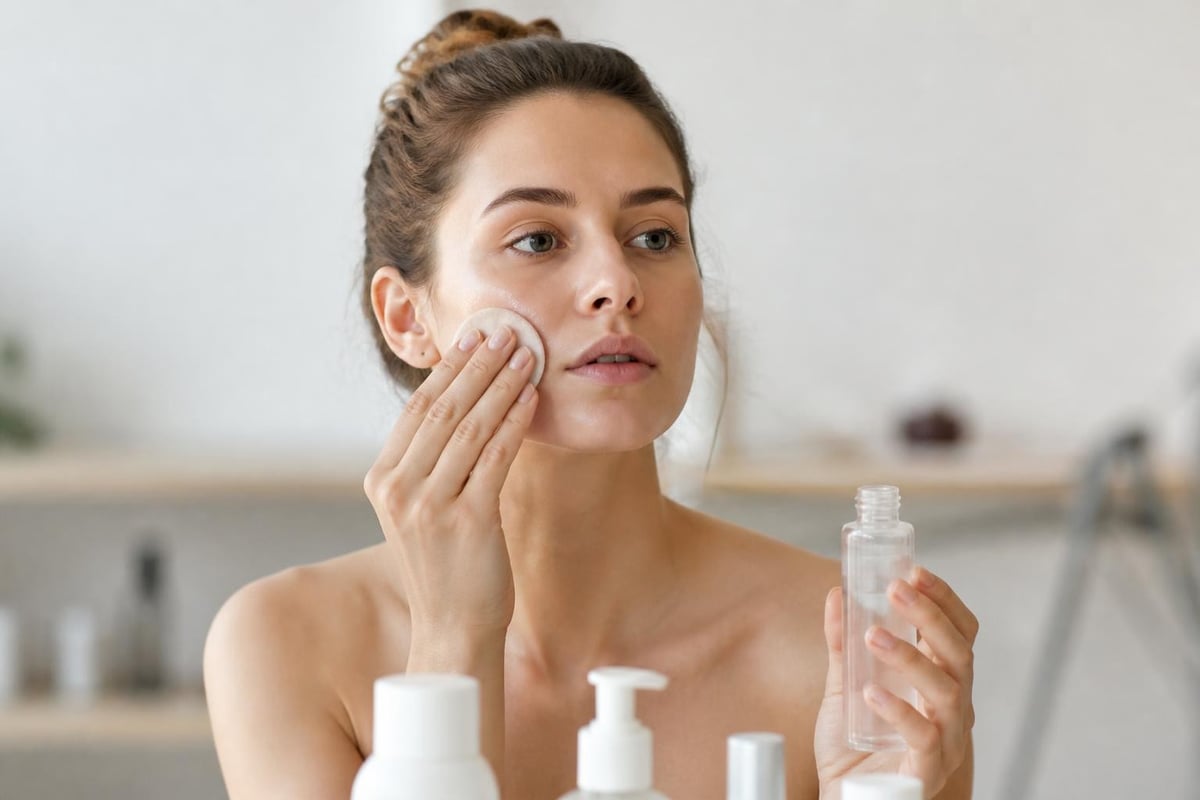
Before you even begin the proper order to clean face, you need to remove makeup and sunscreen. This pre-cleanse step is absolutely crucial, yet often overlooked.
Many sunscreens and makeup formulas contain water-resistant ingredients designed to last all day. A single cleanse won't remove them effectively.
The Double Cleanse Method
| First Cleanse | Second Cleanse |
|---|---|
| Oil-based or balm cleanser | Water-based gentle cleanser |
| Removes makeup, SPF, excess sebum | Cleanses skin, removes remaining impurities |
| Massage for 60 seconds | Gentle circular motions for 30 seconds |
| Emulsifies with water | Rinses clean completely |
This two-step approach ensures you start with truly clean skin. Natural skin brands often formulate oil cleansers with nourishing plant oils that dissolve makeup whilst conditioning your skin.
Pro tip: If you have sensitive skin, choose cleansers specifically designed for your skin type. The sensitive face products available today are formulated to remove impurities without stripping your skin's natural protective oils.
Step Two: Cleanse with Your Primary Facial Cleanser
Now we reach the heart of the order to clean face: your primary cleanse. This step removes any remaining traces of the first cleanse along with sweat, environmental pollutants, and dead skin cells.
Choosing the Right Cleanser
Your cleanser should match your skin type and concerns. Here's a quick guide:
- Oily skin: Gel or foaming cleansers that control excess sebum
- Dry skin: Creamy, hydrating cleansers with nourishing ingredients
- Combination skin: Balanced formulas that don't over-dry or leave residue
- Sensitive skin: Gentle, fragrance-free options with soothing botanicals
When exploring cleansers for your routine, look for vegan formulas that respect your skin's pH balance. The ideal facial cleanser has a pH between 4.5 and 5.5, matching your skin's natural acidity.
Application Technique
How you apply your cleanser matters just as much as which one you choose.
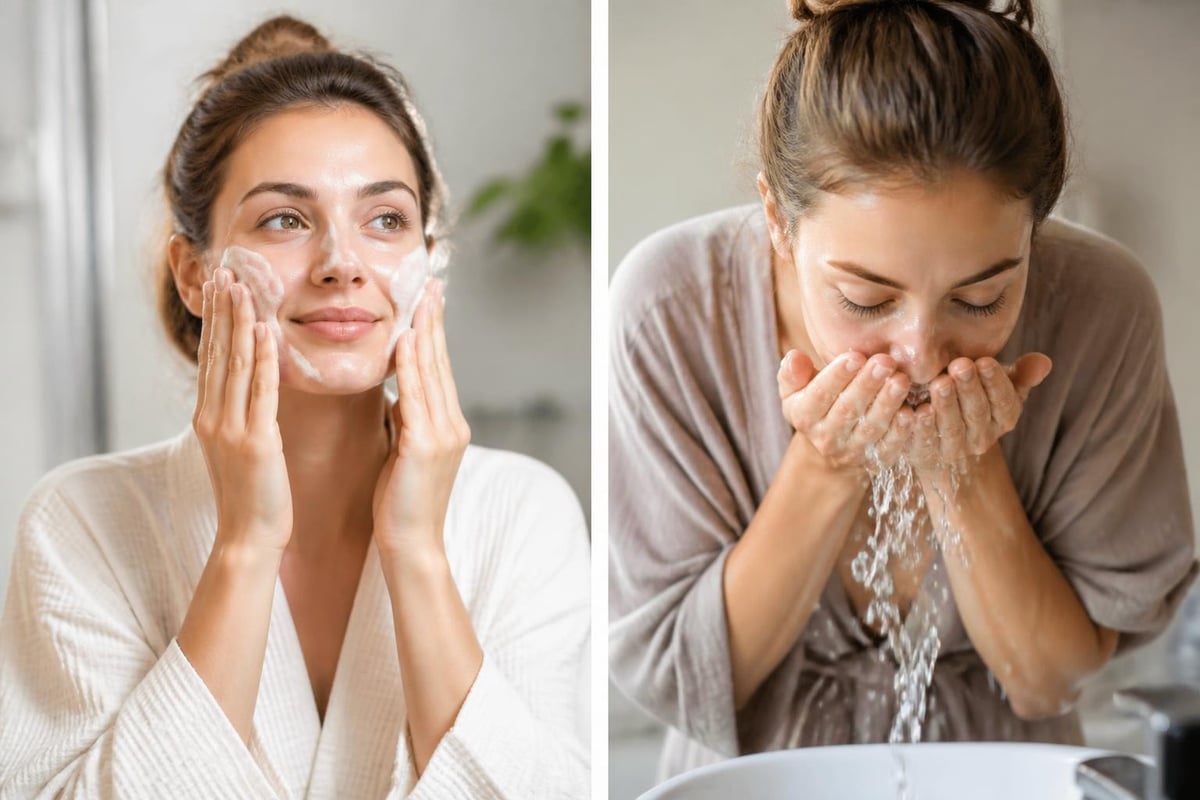
- Wet your face with lukewarm water (never hot)
- Dispense a small amount of cleanser into your palms
- Gently massage in circular motions for 30-60 seconds
- Pay attention to your T-zone and areas where impurities accumulate
- Rinse thoroughly with cool water
- Pat dry with a clean, soft towel
Important: Never rub your face harshly or scrub aggressively. Your skin is delicate, and rough treatment can cause irritation and premature ageing.
Step Three: Apply Your Toner
After cleansing comes toning-a step many people skip, not realising how essential it is in the proper order to clean face. Toners serve multiple crucial functions that bridge the gap between cleansing and treatment.
Modern toners aren't the astringent, alcohol-laden formulas of decades past. Today's toners are sophisticated treatments that prepare your skin for better absorption of subsequent products.
What Toners Actually Do
Toners accomplish several important tasks:
- Restore your skin's optimal pH after cleansing
- Remove any last traces of makeup or cleanser
- Begin the hydration process
- Prep skin to absorb serums and treatments more effectively
- Deliver initial nutrients and antioxidants
Application Methods
You can apply toner in different ways depending on your preference:
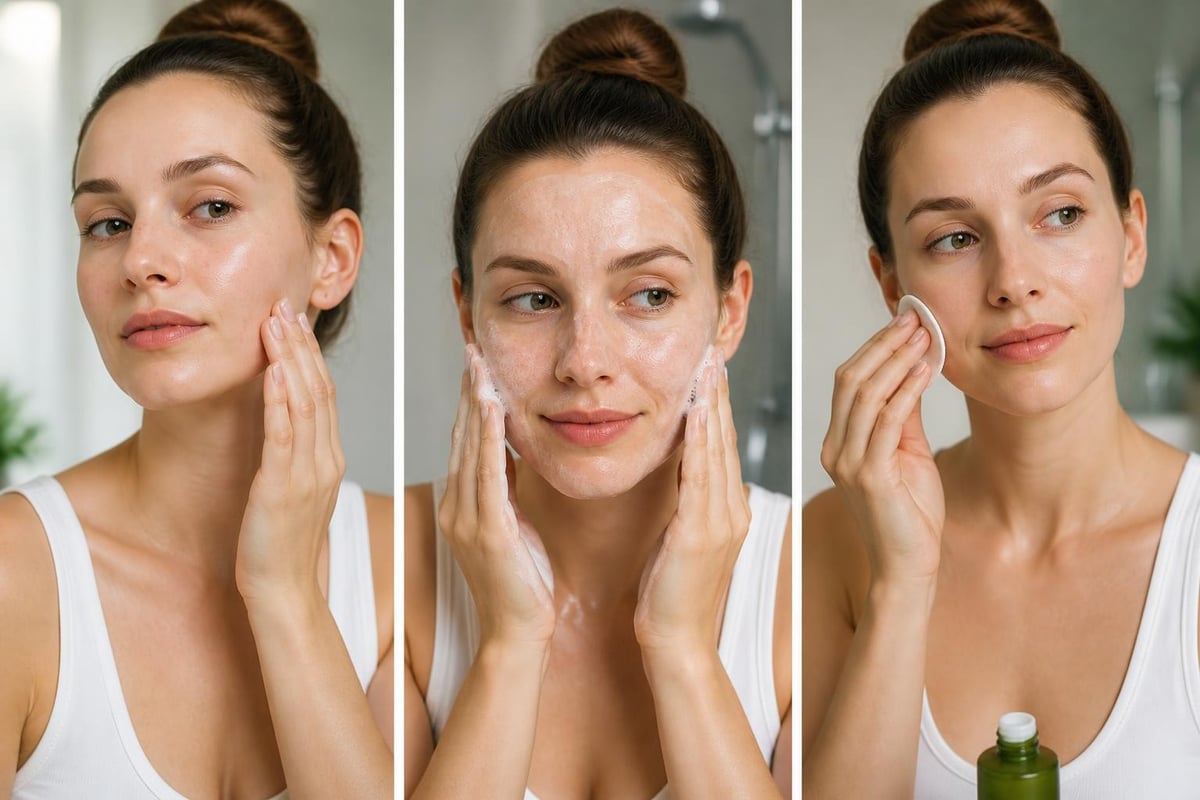
Cotton pad method: Saturate a cotton pad and sweep gently across your face. This provides light physical exfoliation.
Patting method: Pour toner into your palms and pat directly onto skin. This minimises product waste and is gentler on sensitive skin.
Spray method: Use a mist bottle to spritz toner directly onto your face. This is refreshing and perfect for combination or oily skin types.
Step Four: Apply Targeted Treatments and Serums
Now that your skin is cleansed and balanced, you're ready for the treatment phase of the order to clean face. This is where you address specific concerns with concentrated active ingredients.
Serums are formulated with smaller molecules that penetrate deeply into skin. They work best on clean, toned skin because there's nothing blocking their path to where they're needed most.
Layering Multiple Serums
If you use multiple serums, apply them from thinnest to thickest consistency. Here's the general hierarchy:
- Water-based serums: Hyaluronic acid, vitamin B serums
- Treatment serums: Vitamin C, niacinamide, peptides
- Oil-based serums: Facial oils, retinol in oil base
Wait 30-60 seconds between each serum to allow proper absorption. Don't rush this part-patience ensures each product works effectively.
Active Ingredients and pH Considerations
Some active ingredients work best at specific pH levels. For example, vitamin C serums are most effective at a pH of 2.0-3.5. Research on epidermal barrier and pH shows that maintaining proper pH throughout your routine maximises the efficacy of these treatments.
This is another reason why following the correct order to clean face is so important-each step builds on the last to create the optimal environment for your treatments to work.
Step Five: Moisturise to Lock Everything In
Moisturising is the essential final step in the daytime order to clean face. This step seals in all the beneficial ingredients you've just applied whilst providing its own nourishing benefits.
A good moisturiser creates a protective barrier that:
- Prevents water loss from your skin (trans-epidermal water loss)
- Shields against environmental aggressors
- Delivers hydrating and nourishing ingredients
- Creates a smooth base for makeup if you wear it
Finding Your Perfect Moisturiser
Different skin types need different moisturiser formulations. Browse moisturisers designed for your specific needs, whether that's lightweight hydration for oily skin or rich nourishment for dry, sensitive types.
| Skin Type | Moisturiser Texture | Key Ingredients to Look For |
|---|---|---|
| Oily | Gel or lightweight lotion | Hyaluronic acid, niacinamide |
| Dry | Rich cream | Shea butter, ceramides, oils |
| Combination | Balanced lotion | Adaptogenic botanicals, light oils |
| Sensitive | Fragrance-free cream | Calming ingredients like chamomile |
For those with sensitive or dry skin, products like Coconut Rosehip Calming Cream provide gentle, effective hydration without irritation.
Application Technique
- Use a pea-sized amount for your entire face
- Warm the product between your palms
- Press gently into skin using upward motions
- Don't forget your neck and décolletage
- Allow to fully absorb before applying sunscreen or makeup
Morning vs Evening: Adapting Your Order to Clean Face
The basic order to clean face remains consistent, but morning and evening routines have important differences that optimise results.
Morning Routine Adaptations
Your morning cleanse should be gentle since your skin has been repairing overnight. Many people with dry or sensitive skin can skip the morning double cleanse entirely.
Morning sequence:
- Gentle water rinse or light cleanser
- Hydrating toner
- Antioxidant serum (like vitamin C)
- Eye cream
- Moisturiser
- Sunscreen (the essential final step)
Sunscreen should always be the last step in your morning skincare routine, applied after moisturiser but before makeup.
Evening Routine Enhancements
Evening is when you can be more thorough. Your skin repairs itself at night, so this is the perfect time for active treatments.
Evening sequence:
- Double cleanse (oil/balm, then water-based)
- Exfoliating toner (2-3 times per week)
- Treatment serums (retinol, peptides, or other actives)
- Eye cream
- Night cream or sleeping mask
Some people prefer richer moisturisers at night or add a facial oil as the final step to seal everything in.
Common Mistakes When Following the Order to Clean Face
Even with the best intentions, it's easy to make mistakes that undermine your skincare routine. Let's address the most common pitfalls and how to avoid them.
Over-Cleansing
One of the biggest mistakes is cleansing too frequently or too harshly. Your skin needs its natural oils to maintain a healthy barrier. Over-cleansing strips these protective oils, leading to:
- Increased sensitivity and irritation
- Overproduction of sebum (your skin overcompensates)
- Compromised barrier function
- Increased vulnerability to environmental damage
Solution: Cleanse thoroughly once in the evening and gently in the morning. Listen to your skin-if it feels tight or uncomfortable after cleansing, your cleanser might be too harsh.
Skipping Steps
We're all busy, but skipping steps in the order to clean face reduces the effectiveness of your entire routine.
Most commonly skipped steps:
- Toner (thinking it's optional)
- Sunscreen (the most critical daytime step)
- Eye cream (the delicate eye area needs special care)
Using Too Much Product
More isn't better with skincare. Using excessive amounts of product can:
- Clog pores
- Prevent proper absorption
- Waste expensive products
- Overwhelm your skin
Proper amounts:
- Cleanser: Dime-sized amount
- Toner: Enough to dampen a cotton pad or 2-3 drops
- Serum: 2-4 drops
- Moisturiser: Pea-sized amount
- Sunscreen: Quarter-sized amount (or 1/4 teaspoon)
Seasonal Adjustments to Your Cleansing Order
Your skin's needs change with the seasons, and the products within your order to clean face should adapt accordingly.
Winter Adjustments
Cold weather and indoor heating strip moisture from your skin. During winter months:
- Switch to creamier, more hydrating cleansers
- Add a hydrating essence between toner and serum
- Use richer moisturisers
- Consider adding a facial oil as your final step
- Exfoliate less frequently (once weekly instead of 2-3 times)
Summer Modifications
Heat and humidity mean your skin produces more oil and encounters different environmental challenges.
- Opt for gel or foaming cleansers
- Use lightweight, water-based serums
- Choose oil-free or gel moisturisers
- Never skip SPF-increase protection to SPF 30 or higher
- You might exfoliate slightly more often to manage excess oil
Vegan and Natural Products in Your Cleansing Routine
Choosing vegan and natural skincare isn't just an ethical decision-it's often gentler and more effective for your skin. When you follow the order to clean face with thoughtfully formulated vegan products, you're giving your skin the purest ingredients nature offers.
Benefits of Vegan Skincare
Plant-based ingredients offer unique advantages:
- Rich in antioxidants: Botanical extracts protect against environmental damage
- Naturally gentle: Fewer harsh chemicals mean less irritation
- Sustainable: Better for the planet and often packaged responsibly
- Nutrient-dense: Plants are packed with vitamins, minerals, and beneficial compounds
The shop all collection showcases how vegan formulations can address every step in your cleansing routine without compromising on effectiveness.
Key Ingredients to Look For
When building your vegan cleansing routine, seek out these beneficial plant-based ingredients:
| Ingredient | Benefits | Best For |
|---|---|---|
| Rosehip oil | Vitamin A, regenerating | Mature, dry skin |
| Chamomile | Calming, anti-inflammatory | Sensitive, reactive skin |
| Green tea | Antioxidant, oil-controlling | Oily, combination skin |
| Coconut oil | Moisturising, antimicrobial | Dry, normal skin |
| Aloe vera | Soothing, hydrating | All skin types |
Customising the Order to Clean Face for Your Skin Type
While the basic sequence remains the same, you can customise products within each step to address your unique skin concerns.
For Oily Skin
If you have oily skin, focus on balance rather than stripping. The oily skin collection offers products that control excess sebum without over-drying.
Your customised routine:
- Gel cleanser with salicylic acid or tea tree
- Balancing toner with witch hazel or niacinamide
- Lightweight, oil-free serum
- Gel moisturiser with mattifying properties
- Oil-free SPF
For Dry and Sensitive Skin
Dry or sensitive skin needs extra gentleness and hydration at every step. Explore the dry sensitive skin range for products formulated without common irritants.
Your customised routine:
- Creamy, non-foaming cleanser
- Hydrating, alcohol-free toner
- Hyaluronic acid serum
- Rich, nourishing moisturiser
- Mineral sunscreen (less likely to irritate)
For Combination Skin
Combination skin can be tricky-you need to balance oily areas without drying out the rest. The combination skin products are designed to address multiple needs simultaneously.
Your customised routine:
- Balanced gel-cream cleanser
- pH-balancing toner
- Targeted serums (use different ones on different areas if needed)
- Lightweight but hydrating moisturiser
- Broad-spectrum SPF
Building Your Perfect Routine
Understanding the order to clean face is one thing-actually implementing it consistently is another. Here's how to build a routine you'll stick with.
Start Simple
If you're new to proper skincare, don't overwhelm yourself. Begin with the absolute essentials:
- Cleanser
- Moisturiser
- Sunscreen (morning only)
Once this becomes habit, gradually add toner, then serums, then treatments. Building slowly creates lasting habits.
Track Your Progress
Keep notes about how your skin responds. Notice:
- Texture changes (smoother, softer)
- Tone improvements (more even, brighter)
- Concerns that improve or worsen
- Products that work particularly well
This information helps you refine your routine over time and understand which steps in the order to clean face deliver the most noticeable benefits for your unique skin.
Allow Time for Results
Skincare isn't magic-it takes time. Give new products at least 4-6 weeks before deciding if they work. Your skin's natural renewal cycle is approximately 28 days, so you need to complete at least one full cycle to see real results.
Special Considerations and Advanced Steps
Once you've mastered the basic order to clean face, you might want to incorporate advanced steps for specific concerns.
Exfoliation
Exfoliation removes dead skin cells, revealing fresher skin beneath. It fits into your routine 2-3 times weekly, right after cleansing.
Types of exfoliation:
- Chemical: AHAs (glycolic, lactic acid) and BHAs (salicylic acid)
- Physical: Gentle scrubs with rounded particles
- Enzyme: Fruit enzymes that digest dead cells
Apply your exfoliant after cleansing, leave for the recommended time, rinse, then continue with toner.
Face Masks
Masks are occasional treatments that target specific concerns. They typically follow this placement:
- Cleanse
- Exfoliate (if using)
- Apply mask
- Rinse mask
- Toner
- Serum
- Moisturise
Use masks 1-2 times weekly based on your skin's needs.
Eye Cream
The delicate eye area deserves special attention. Apply eye cream after serums but before moisturiser, using your ring finger to gently pat (never rub) the product around the orbital bone.
Mastering the proper order to clean face transforms your skincare from a random collection of products into a targeted, effective ritual that delivers real results. By understanding why each step matters and how they work together, you're empowering your skin to look and feel its absolute best. White Rabbit Skin Care offers thoughtfully formulated vegan products for every step of your cleansing routine, from gentle cleansers to nourishing moisturisers, all crafted with natural ingredients that respect both your skin and the planet. Discover how the right products in the right order can unlock your skin's natural radiance and create the healthy, glowing complexion you deserve.