


Natural Skincare for Sensitive Skin: A Complete Guide
Living with sensitive skin can feel like navigating a minefield, especially when you're trying to embrace a more natural approach to your beauty routine. Every new product brings a mixture of hope and anxiety-will this be the one that finally works, or will it trigger another flare-up? The good news is that natural skincare for sensitive skin isn't just possible; it can be transformative when you understand which ingredients to seek out and which to avoid. With the right knowledge and a thoughtful approach, you can create a gentle, effective routine that respects both your skin's unique needs and your commitment to clean, sustainable beauty.
Understanding Sensitive Skin and Why Natural Matters
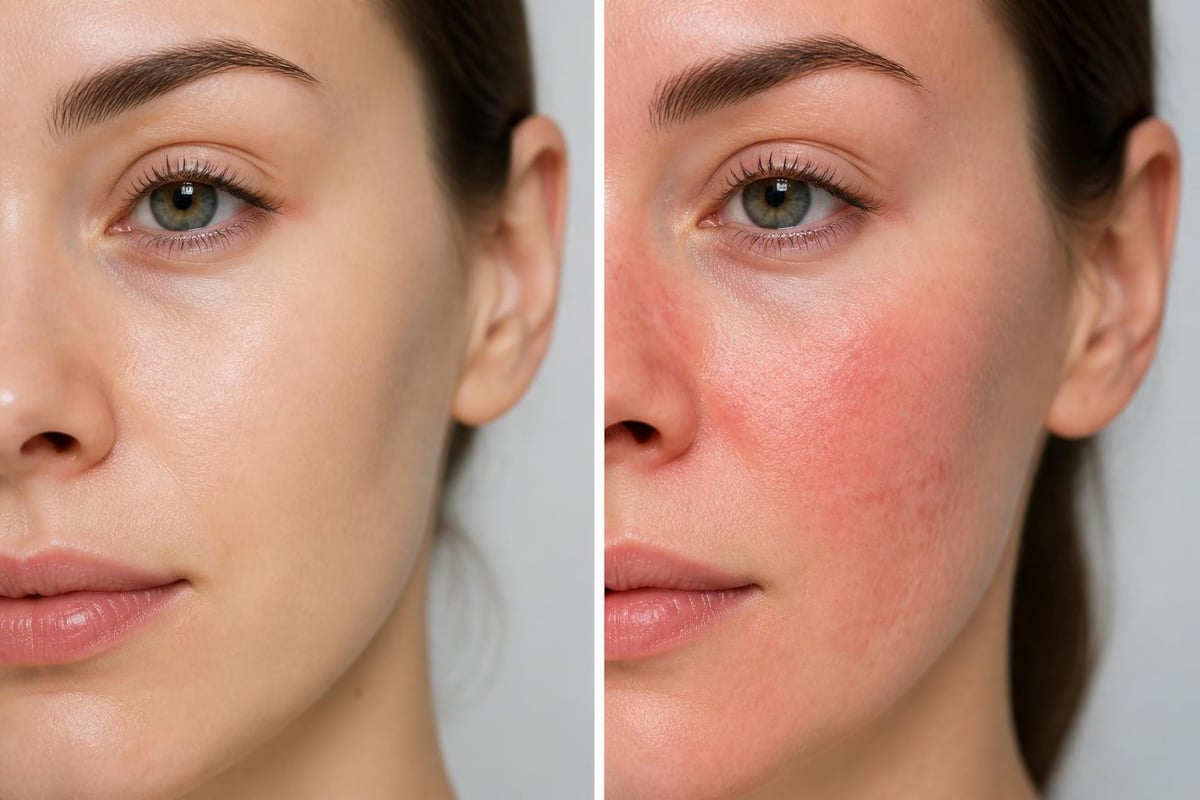
Sensitive skin isn't a clinical diagnosis but rather a spectrum of reactivity that affects millions of people worldwide. Research shows that sensitive skin is characterized by heightened responses to environmental triggers, cosmetic ingredients, and even temperature changes. Your skin might sting, burn, itch, or develop redness when exposed to products that others use without issue.
What makes natural skincare for sensitive skin particularly appealing is the philosophy behind it. Natural formulations typically avoid synthetic fragrances, harsh preservatives, and aggressive surfactants-common culprits in sensitivity reactions. However, "natural" doesn't automatically mean "safe for sensitive skin," which is why understanding ingredients matters more than ever.
The Science Behind Sensitivity
Your skin barrier is your first line of defence against the outside world. When this barrier is compromised, irritants penetrate more easily, triggering inflammatory responses. Sensitive skin often has:
- Reduced lipid content in the stratum corneum (outer layer)
- Increased trans-epidermal water loss leading to dehydration
- Higher density of nerve endings near the skin surface
- Reactive immune responses to otherwise harmless substances
Natural ingredients that support barrier function and reduce inflammation can help restore balance without overwhelming already-stressed skin.
Ingredients to Embrace in Natural Skincare for Sensitive Skin
Not all natural ingredients are created equal when it comes to sensitive skin. Some botanical extracts are remarkably gentle and backed by scientific evidence, whilst others can be potent irritants despite their "natural" credentials.
Soothing Superstars
Aloe vera stands out as one of the most well-researched natural ingredients for sensitive skin. Studies demonstrate its anti-inflammatory properties and ability to promote healing whilst providing lightweight hydration. The polysaccharides in aloe help retain moisture without feeling heavy or greasy.
Chamomile contains compounds like bisabolol and chamazulene that calm redness and reduce inflammation. Both Roman and German chamomile varieties offer benefits, though German chamomile typically contains higher levels of the active compounds.
Calendula has been used for centuries to soothe irritated skin. This gentle flower extract supports skin healing and provides antioxidant protection without triggering sensitivities.
| Ingredient | Primary Benefit | Best For |
|---|---|---|
| Aloe Vera | Hydration & healing | All sensitive skin types |
| Chamomile | Anti-inflammatory | Redness-prone skin |
| Calendula | Barrier repair | Dry, reactive skin |
| Oat Extract | Itch relief | Eczema-prone skin |
| Cucumber | Cooling & calming | Irritated, inflamed skin |
Gentle Hydrators
Hyaluronic acid, whilst technically synthesized, occurs naturally in the body and is exceptionally well-tolerated. It holds up to 1,000 times its weight in water, making it perfect for plumping dehydrated sensitive skin.
Plant oils require careful selection. Some excellent options include:
- Jojoba oil closely mimics skin's natural sebum
- Squalane (plant-derived) provides lightweight moisture
- Rosehip oil offers vitamins without heaviness
- Sunflower oil rich in ceramides for barrier support
When exploring natural face care products, look for formulations that combine these gentle hydrators with soothing botanical extracts.
What to Avoid: Common Irritants in Natural and Conventional Products
Even within the natural skincare world, certain ingredients can spell trouble for sensitive skin. Being able to identify potential irritants is just as important as knowing which ingredients to seek out.
Fragrance: The Hidden Troublemaker
Fragrance-whether synthetic or derived from essential oils-ranks as the top allergen in skincare products. EU regulations now require the labelling of 26 common fragrance allergens, but many more exist. For truly sensitive skin, fragrance-free formulations are your safest bet.
Essential oils deserve special mention. Whilst natural, many are highly concentrated and can irritate sensitive skin. Particularly problematic oils include:
- Peppermint and menthol (cooling sensation often indicates irritation)
- Citrus oils (phototoxic and sensitizing)
- Cinnamon and clove (strong irritants)
- Tea tree in high concentrations (can cause contact dermatitis)
Preservatives and Exfoliants
Natural preservatives vary in tolerability. Phenoxyethanol is generally well-tolerated, whilst some people react to parabens despite their good safety profile. Formaldehyde-releasing preservatives should be avoided entirely.
Physical exfoliants with jagged particles (like ground nut shells) can create micro-tears. Chemical exfoliants-even natural ones like fruit acids-require caution. If you use them at all, choose low concentrations and infrequent application.
Building Your Natural Skincare Routine for Sensitive Skin
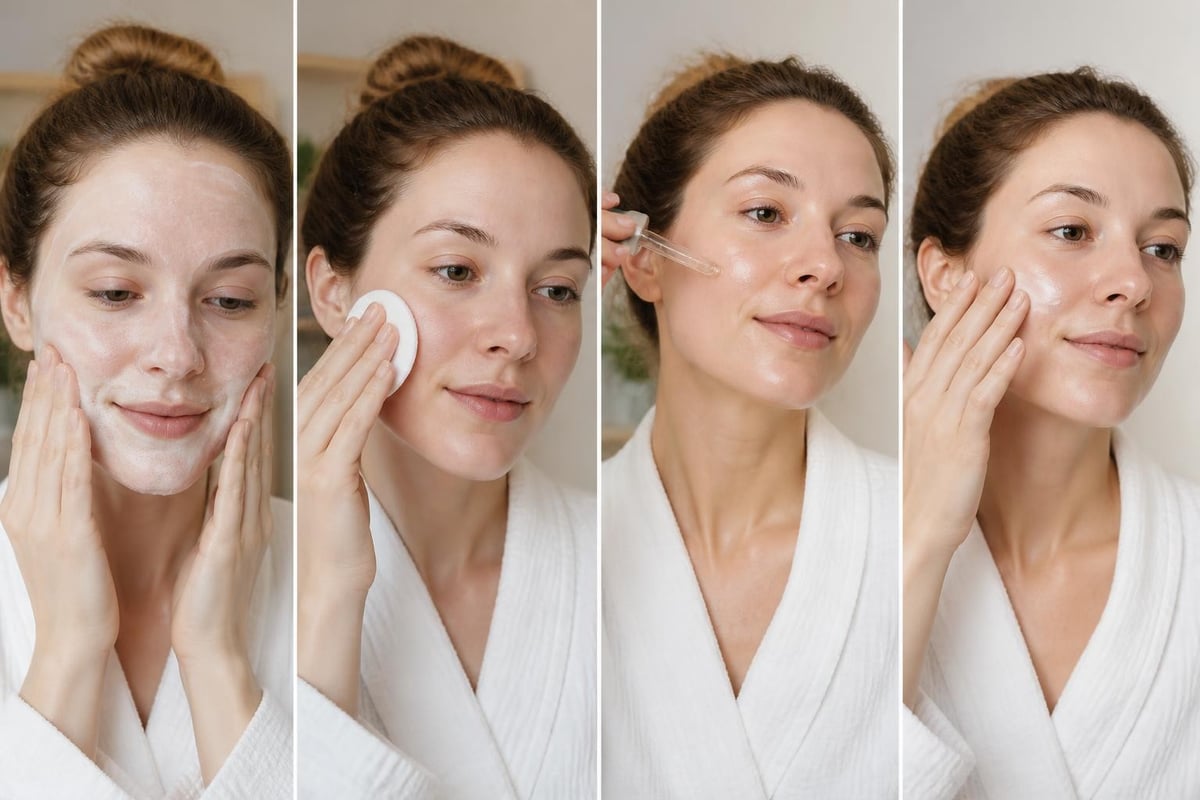
Creating an effective routine doesn't require dozens of products. In fact, sensitive skin often thrives on simplicity. A well-chosen cleaner, toner, and moisturiser form the foundation of healthy skin.
Morning Routine
Step 1: Gentle Cleansing
Start with a cream or milk cleanser that doesn't foam excessively. Foaming agents like sodium lauryl sulphate can strip sensitive skin. Look for gentle surfactants derived from coconut or sugar. White Rabbit's cleansers are formulated with sensitive skin in mind, using plant-based ingredients that clean without compromising your barrier.
Step 2: Hydrating Toner
Traditional astringent toners with alcohol are too harsh. Instead, choose hydrating toners with soothing ingredients like rose water, aloe, or chamomile. These prepare skin to absorb moisture whilst providing an extra layer of calming hydration.
Step 3: Moisturize
A lightweight moisturizer with barrier-supporting ingredients protects throughout the day. Look for formulations containing:
- Humectants (hyaluronic acid, glycerin) to attract moisture
- Emollients (plant oils) to soften and smooth
- Occlusives (shea butter, plant waxes) to seal everything in
Step 4: Sun Protection
Mineral sunscreens with zinc oxide or titanium dioxide are typically better tolerated than chemical filters. Seek formulations designed for sensitive skin that don't leave a heavy white cast.
Evening Routine
Your evening routine can mirror your morning approach, though you might choose a slightly richer moisturizer for overnight repair. This is also when you'd incorporate any active treatments, though these should be introduced gradually and only if your skin tolerates them.
For those with dry sensitive skin, a nourishing night cream with plant ceramides and fatty acids can work wonders whilst you sleep.
Patch Testing and Introducing New Products
Even the most promising natural skincare for sensitive skin should be tested before full application. The American Academy of Dermatology recommends a systematic approach to patch testing that can save you from widespread reactions.
How to Patch Test Properly
Choose a discrete area where skin is thin and reactive-the inner forearm or behind the ear works well. Apply a small amount of product twice daily for at least 48 hours, ideally extending to 5-7 days for a thorough test.
Watch for:
- Redness or rash
- Itching or burning sensations
- Swelling or bumps
- Flaking or dryness
If you experience any reaction, discontinue immediately. If all goes well, you can cautiously introduce the product to your face, starting with small areas before full application.
The One-Product-at-a-Time Rule
When building your routine with new products, introduce only one item every two weeks. This patience pays dividends-if a reaction occurs, you'll know exactly which product caused it. This methodical approach is especially important when exploring sensitive face products from a new brand.
Navigating Labels and Certifications
Understanding product labels empowers you to make informed choices about natural skincare for sensitive skin. Several certification systems help identify truly gentle, clean products.
What to Look For
Vegan and cruelty-free certifications indicate products free from animal-derived ingredients and testing. Many people with sensitive skin find plant-based formulations gentler than those containing animal ingredients like lanolin or beeswax, which can trigger sensitivities in some individuals.
Organic certifications (like COSMOS, Soil Association) ensure ingredients were grown without synthetic pesticides, though they don't guarantee suitability for sensitive skin.
Dermatologically tested claims vary in meaning. Some companies conduct rigorous testing with dermatologists, whilst others use the term more loosely. Look for specific details about testing methods.
The National Eczema Association's Seal of Acceptance is particularly valuable, as products undergo scientific review to ensure they're suitable for eczema and sensitive skin conditions.
| Certification | What It Means | Relevance for Sensitive Skin |
|---|---|---|
| Vegan Society | No animal ingredients or testing | Often gentler formulations |
| COSMOS Natural | Natural/organic ingredients | Cleaner ingredient lists |
| NEA Seal | Eczema-safe formulation | High relevance-tested for sensitivity |
| Fragrance-Free | No added fragrance | Critical for reactive skin |
Common Mistakes and How to Avoid Them
Even with the best intentions, certain habits can sabotage your sensitive skin journey. Recognising these pitfalls helps you avoid setbacks.
Over-Exfoliating
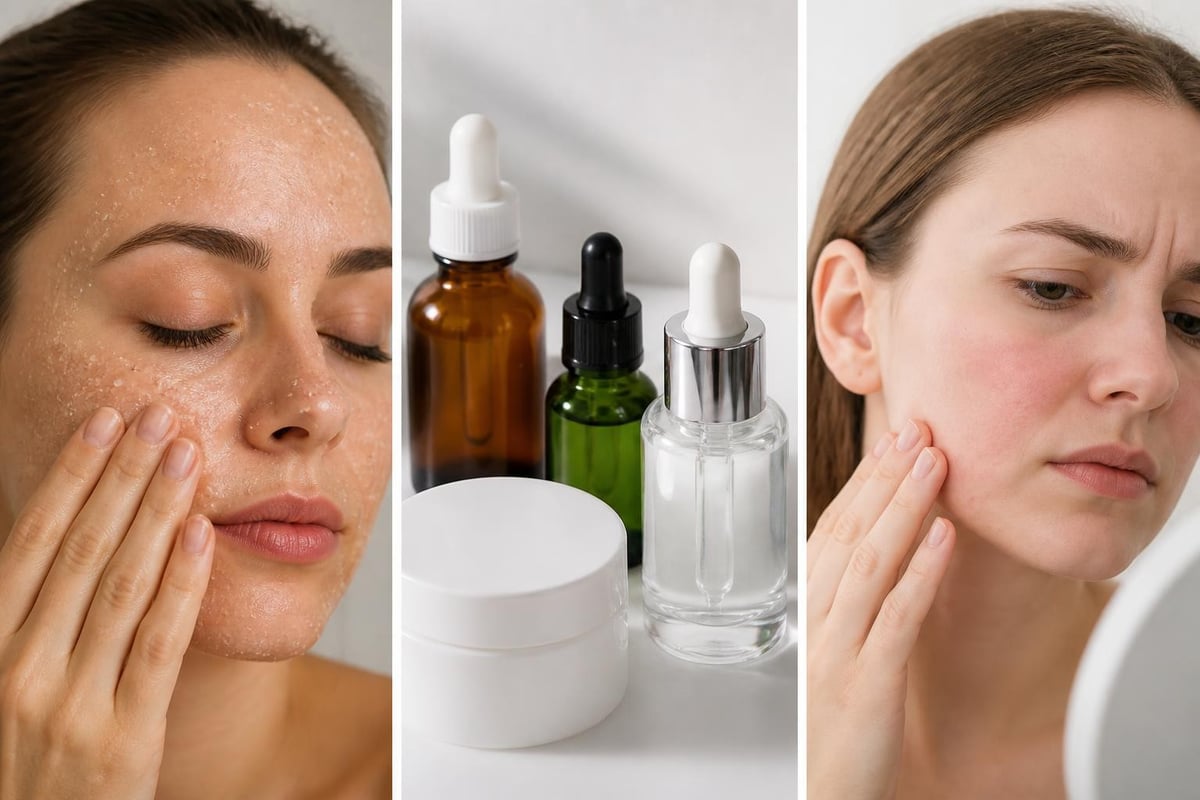
The pursuit of glowing skin can lead to excessive exfoliation. Sensitive skin typically benefits from exfoliating no more than once weekly, if at all. Your skin naturally sheds dead cells-you don't need to force the process.
Mixing Too Many Actives
Layering multiple serums with different active ingredients creates opportunity for irritation. Natural doesn't mean you can pile on endless products. Keep it simple, especially when dealing with sensitivity.
Ignoring Your Skin's Signals
If a product stings, burns, or causes persistent redness, stop using it-even if everyone else raves about it. Understanding the difference between irritation and allergy can help you identify whether you need to avoid an ingredient entirely or simply reduce concentration.
Expecting Overnight Results
Natural skincare for sensitive skin requires patience. Barrier repair takes weeks, not days. Give new routines at least four to six weeks before evaluating effectiveness.
Seasonal Adjustments for Sensitive Skin
Your skin's needs change with the seasons, and your routine should adapt accordingly. British weather presents unique challenges, from harsh winter winds to unexpected summer humidity.
Winter Care
Cold air and indoor heating strip moisture from sensitive skin. During winter months:
- Switch to creamier cleansers that don't strip natural oils
- Layer hydrating toners under richer moisturisers
- Consider adding a facial oil as your final step
- Protect exposed skin with scarves when outdoors
The moisturisers collection at White Rabbit Skin Care offers options for different seasons and skin needs, all formulated with natural, vegan ingredients.
Summer Considerations
Warmer weather might allow lighter formulations, but don't skimp on hydration. Heat can trigger inflammation in sensitive skin, so cooling products with cucumber or aloe become especially valuable. Never forget sun protection-UV exposure worsens sensitivity over time.
When to Seek Professional Help
Whilst natural skincare for sensitive skin can address many concerns, certain situations require professional guidance. If you experience persistent issues despite gentle routines, a dermatologist can help identify underlying conditions.
Rosacea, eczema, perioral dermatitis, and contact allergies all present as "sensitive skin" but require targeted treatment. Professional patch testing can identify specific allergens, allowing you to avoid triggers with precision.
Don't let fear of prescription treatments prevent you from seeking help. Many dermatologists now integrate natural approaches alongside medical treatments, offering the best of both worlds.
The Role of Diet and Lifestyle
Whilst topical products matter enormously, true skin health comes from within. Inflammation in the body often manifests as skin sensitivity, making lifestyle factors crucial.
Anti-Inflammatory Foods
A diet rich in omega-3 fatty acids, antioxidants, and vitamins supports skin barrier function. Consider increasing:
- Fatty fish (salmon, mackerel, sardines)
- Nuts and seeds (walnuts, flaxseeds, chia)
- Colourful vegetables (berries, leafy greens, sweet potatoes)
- Anti-inflammatory spices (turmeric, ginger)
Stress Management
Stress triggers cortisol release, which increases skin inflammation and sensitivity. Regular exercise, adequate sleep, and stress-reduction practices like meditation or yoga support both mental wellbeing and skin health.
Hydration
Drinking sufficient water supports your skin from the inside out. Whilst topical hydration is essential, internal hydration ensures your cells function optimally.
Making the Transition to Natural Skincare
If you're currently using conventional products and want to transition to natural skincare for sensitive skin, a gradual approach prevents overwhelming your skin.
Start by replacing one product at a time, beginning with your cleanser. Once your skin adjusts (give it 2-3 weeks), swap your moisturiser. Continue this pattern until you've transitioned your entire routine.
Some people experience a brief adjustment period where skin seems temporarily worse. This "purging" is controversial-true purging only occurs with active ingredients that increase cell turnover. If you experience worsening sensitivity with gentle natural products, you're likely reacting to an ingredient rather than purging.
Exploring sensitive skin brands that specialize in gentle, natural formulations can help you find products specifically designed for reactive complexions.
Cost Considerations and Value
Natural skincare for sensitive skin doesn't have to break the bank. Whilst some natural brands command premium prices, effective formulations exist at various price points.
Focus on three well-formulated core products rather than accumulating dozens of items. Quality over quantity serves sensitive skin best. Sample sizes let you test products before committing to full-size purchases, reducing waste and expense.
Consider that gentle, effective products actually save money long-term by preventing reactions that require additional treatments to fix. A slightly higher upfront investment in quality natural skincare often proves more economical than repeatedly replacing unsuitable products.
Caring for sensitive skin with natural products is a journey of learning what your unique skin loves and tolerates. By choosing gentle, plant-based ingredients, avoiding common irritants, and listening to your skin's signals, you can build a routine that soothes rather than aggravates. If you're ready to embrace natural skincare tailored for sensitive skin, White Rabbit Skin Care offers thoughtfully formulated, vegan products designed with reactive skin in mind. Every product is crafted with natural ingredients and tested to ensure they're as gentle as they are effective-because your sensitive skin deserves nothing less.