

Natural Skin Cosmetics: Your Complete Guide for 2026
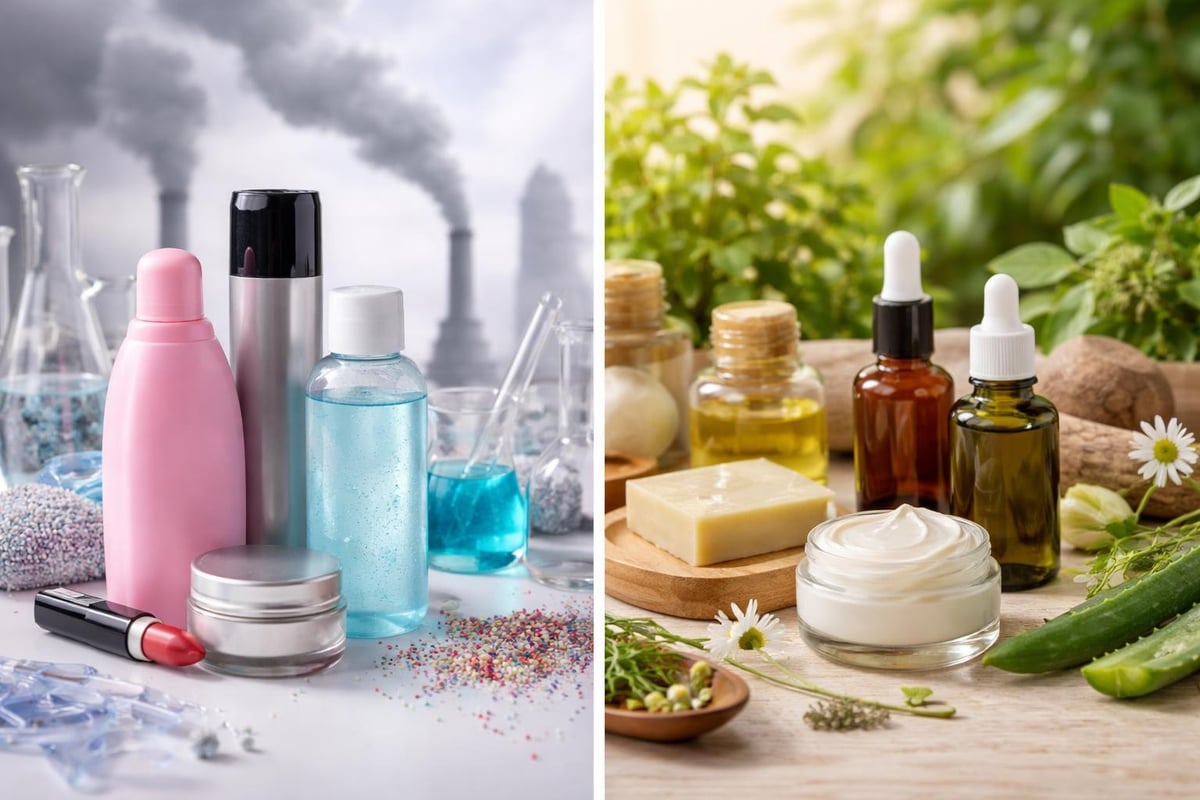
The beauty industry has experienced a remarkable shift over the past decade, with more consumers choosing natural skin cosmetics over synthetic alternatives. This growing movement isn't just a trend, it reflects a deeper understanding of what we apply to our skin and the long-term impact on both our health and the environment. Whether you're managing sensitive skin, seeking vegan options, or simply wanting transparency in your skincare routine, natural cosmetics offer a compelling alternative that combines efficacy with ethical production methods.
Understanding What Makes Cosmetics Truly Natural
The term "natural" in skincare can feel frustratingly vague, and that's because there's no universally accepted definition across the industry. According to Harvard Health's analysis of clean and natural cosmetics, consumers should critically assess product claims rather than accepting marketing language at face value.
Genuine natural skin cosmetics typically share these characteristics:
- Ingredients derived from plants, minerals, or other natural sources
- Minimal chemical processing or synthetic additives
- Absence of controversial ingredients like parabens, phthalates, and synthetic fragrances
- Transparent labelling that clearly identifies all components
- Sustainable sourcing and production methods
The Certification Advantage
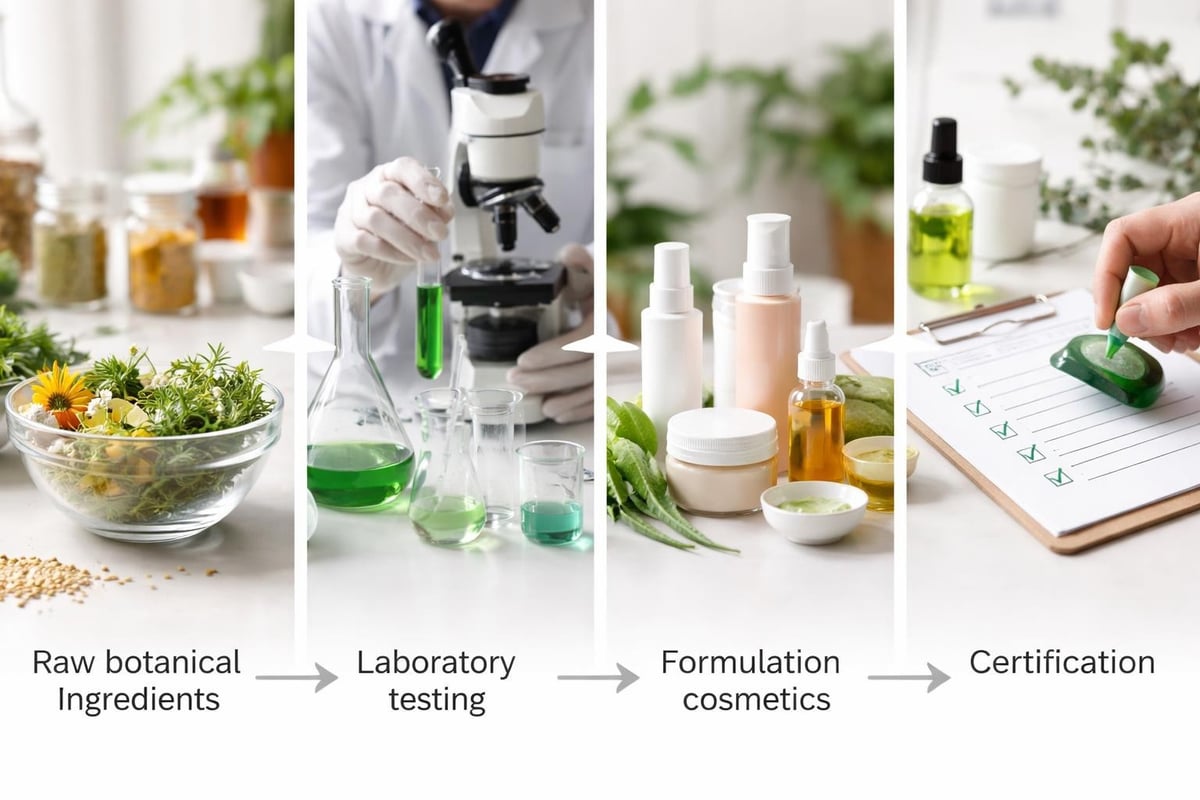
Third-party certifications provide an extra layer of assurance when selecting natural products. Organizations like NATRUE, Soil Association, and Cosmos set strict standards that brands must meet before displaying their badges. These certifications verify ingredient sourcing, manufacturing processes, and environmental commitments.
Many UK consumers now specifically seek products with recognized certification marks, which explains why non-toxic skincare brands have gained such prominence in recent years.
The Science Behind Natural Ingredients
One common misconception suggests that natural skin cosmetics lack scientific backing, but research increasingly demonstrates the efficacy of botanical ingredients. Formula Botanica's research-backed natural ingredients highlights ten compounds with robust clinical evidence supporting their skincare benefits.
Proven Natural Performers
| Ingredient | Primary Benefit | Skin Type |
|---|---|---|
| Hyaluronic Acid (plant-derived) | Deep hydration | All types |
| Rosehip Oil | Anti-ageing, brightening | Normal to dry |
| Niacinamide (from grains) | Pore refinement, tone evening | Oily, combination |
| Aloe Vera | Soothing, healing | Sensitive |
| Green Tea Extract | Antioxidant protection | All types |
The effectiveness of these ingredients comes down to molecular structure and skin penetration capabilities. Natural doesn't mean weak, it means working with your skin's biology rather than against it.
Active Compounds That Deliver Results
Plant-based ingredients contain complex mixtures of active compounds that often work synergistically. For instance, chamomile doesn't just contain one anti-inflammatory molecule but dozens of complementary compounds that enhance each other's effects. This complexity gives natural skin cosmetics a multifaceted approach to skin health that isolated synthetic ingredients might struggle to replicate.
When exploring the best natural cosmetic products, you'll notice formulations that layer multiple botanical extracts to achieve comprehensive skin benefits.
Benefits That Go Beyond Your Complexion
Choosing natural skin cosmetics offers advantages that extend far beyond immediate skin improvements. These products represent a holistic approach to personal care that considers environmental impact, animal welfare, and long-term health.
Environmental Advantages:
- Biodegradable ingredients that don't accumulate in waterways
- Reduced carbon footprint from sustainable farming practices
- Packaging innovation using recycled and recyclable materials
- Lower chemical pollution during manufacturing
Personal Health Considerations:
- Fewer endocrine disruptors
- Reduced risk of cumulative toxin exposure
- Gentler formulations for sensitive skin
- Greater ingredient transparency
The Cleveland Clinic's examination of natural skin care emphasizes that whilst natural products can be safer, consumers must still understand potential allergens and individual sensitivities.
Navigating Common Misconceptions
Despite growing popularity, several myths about natural skin cosmetics persist in consumer consciousness. Let's address the most prevalent ones with evidence-based clarity.
Myth 1: Natural Equals Hypoallergenic
Natural ingredients can absolutely cause allergic reactions. Essential oils, botanical extracts, and even gentle substances like chamomile may trigger sensitivities in some individuals. The advantage of natural products lies in transparency and the ability to identify and avoid specific irritants.
Myth 2: Natural Products Don't Preserve Well
Modern natural preservation systems use ingredients like radish root ferment, rosemary extract, and vitamin E to maintain product stability. Whilst some natural cosmetics may have shorter shelf lives than conventional products, proper formulation ensures they remain effective throughout their intended use period.
Myth 3: You Can't Get Clinical Results
This outdated belief crumbles when examining formulations that combine concentrated botanical actives. Products featuring bakuchiol (a natural retinol alternative), plant-derived peptides, and fruit enzymes deliver visible improvements in texture, tone, and firmness.
Those interested in skincare for sensitive and dry skin often find that natural formulations provide the gentle efficacy their complexions require.
Building Your Natural Skincare Routine
Transitioning to natural skin cosmetics doesn't require discarding everything in your bathroom overnight. A thoughtful, gradual approach allows your skin to adjust whilst you discover which natural ingredients work best for your individual needs.
Step-by-Step Transition Strategy
- Start with cleansers - Replace your face wash first, as this product rinses off rather than remaining on skin
- Move to moisturisers - Once comfortable, swap your daily moisturiser for a natural alternative
- Introduce treatments - Add serums, masks, and targeted treatments
- Complete the routine - Finish by replacing toners, exfoliants, and specialized products
Morning Routine Framework
Your morning routine with natural skin cosmetics should focus on protection and preparation:
- Gentle cleanser to remove overnight oils
- Hydrating toner to balance pH
- Antioxidant serum for environmental protection
- Lightweight moisturiser appropriate for your skin type
- Natural mineral SPF (absolutely essential)
The best UK skincare brands often provide complete routines designed to work synergistically, simplifying the selection process.
Evening Restoration Protocol
Night-time represents your skin's natural repair cycle, making it ideal for more intensive natural treatments:
| Step | Purpose | Key Ingredients |
|---|---|---|
| Double cleanse | Remove makeup and impurities | Plant oils, gentle surfactants |
| Toner | Prepare skin for absorption | Rose water, witch hazel |
| Treatment serum | Target specific concerns | Bakuchiol, vitamin C, peptides |
| Night cream | Deep nourishment | Shea butter, squalane, ceramides |
| Eye cream | Delicate area care | Caffeine, cucumber, peptides |
Understanding how to use skincare products properly ensures you maximize the benefits of each natural formulation.
Ingredient Intelligence for Informed Choices
Becoming an educated consumer empowers you to select natural skin cosmetics that genuinely align with your values and skin needs. Developing ingredient literacy doesn't require a chemistry degree, just familiarity with key terms and red flags.
Reading Labels Like a Professional
Top-of-list ingredients matter most. Components appear in descending order by concentration, so the first five ingredients typically constitute the bulk of the formula.
Recognize botanical names. Natural ingredients often appear in Latin (INCI names), which can make labels appear intimidating. Chamomilla recutita sounds complicated but simply refers to chamomile.
Understand preservation systems. Even natural products need preservation. Look for ingredients like leuconostoc/radish root ferment, potassium sorbate, or sodium benzoate rather than parabens or formaldehyde-releasing preservatives.
According to NATRUE's comprehensive guide, understanding certification standards helps consumers navigate marketing claims and identify authentically natural products.
Ingredients Worth Seeking
- Hyaluronic acid (naturally derived): Holds 1000x its weight in water
- Niacinamide (vitamin B3): Strengthens skin barrier, minimizes pores
- Bakuchiol: Plant-based retinol alternative without irritation
- Squalane (olive-derived): Mimics skin's natural oils
- Alpha hydroxy acids (from fruit): Gentle exfoliation
- Ceramides (plant-based): Restore protective barrier

Vegan Versus Natural: Understanding the Distinction
Whilst these terms often appear together, natural skin cosmetics and vegan cosmetics aren't synonymous. Understanding this distinction helps you make choices aligned with your specific values.
Key Differences Explained
Natural cosmetics focus on ingredient origin, emphasizing plant-based, mineral, or naturally-derived components. However, some natural products may contain animal-derived ingredients like beeswax, lanolin, or collagen.
Vegan cosmetics exclude all animal-derived ingredients and typically avoid animal testing. A vegan product might contain synthetic ingredients, making it vegan but not necessarily natural.
Natural vegan cosmetics combine both principles, offering plant-based formulations without animal ingredients or testing.
Many consumers seeking all-natural skin products specifically want vegan options, recognizing that plant-based ingredients can deliver exceptional results without animal exploitation.
Performance Considerations
| Product Category | Natural Animal-Derived | Natural Vegan Alternative | Performance Comparison |
|---|---|---|---|
| Moisturizing | Lanolin | Shea butter, cocoa butter | Equally effective |
| Exfoliation | Silk proteins | Fruit enzymes, jojoba beads | Vegan often gentler |
| Healing | Beeswax | Candelilla wax, carnauba wax | Comparable barrier protection |
| Anti-ageing | Marine collagen | Plant peptides, bakuchiol | Similar visible results |
Tailoring Natural Products to Your Skin Type
One size never fits all in skincare, and natural skin cosmetics offer enough variety to address every skin type's unique requirements. Matching ingredients to your complexion ensures optimal results.
For Oily and Combination Skin
Oily skin benefits from lightweight, non-comedogenic natural ingredients that balance sebum production without stripping:
- Jojoba oil closely mimics skin's natural sebum
- Tea tree oil provides natural antibacterial properties
- Witch hazel offers gentle astringent benefits
- Clay masks (kaolin, bentonite) draw out impurities
Browse oily skin collections for formulations specifically balanced for excess sebum.
For Dry and Sensitive Skin
Compromised barriers need gentle, deeply nourishing ingredients:
- Oat extract soothes inflammation and strengthens barriers
- Calendula calms irritation with anti-inflammatory properties
- Rosehip oil delivers omega fatty acids for repair
- Shea butter provides intensive moisture without irritation
Products designed for dry and sensitive skin typically feature minimal ingredient lists to reduce reaction risks.
For Normal and Mature Skin
Balanced complexions and mature skin seeking anti-ageing benefits thrive with:
- Bakuchiol for retinol-like results without sensitivity
- Vitamin C (from kakadu plum, rosehip) for brightening
- Plant peptides supporting collagen production
- Hyaluronic acid maintaining plumpness and hydration
The Future of Natural Beauty
The natural skin cosmetics industry continues evolving rapidly, with innovations emerging in formulation technology, sustainability practices, and ingredient discovery. Several trends are shaping what we'll see on shelves throughout 2026 and beyond.
Biotechnology Meets Nature
Fermentation technology now produces natural ingredients with enhanced bioavailability. Fermented oils, extracts, and actives offer improved skin penetration and stability whilst maintaining their natural origin.
Waterless Formulations
Concentrated balms, powder cleansers, and solid serums eliminate water from formulations, reducing weight for shipping (lowering carbon footprint) and removing the need for extensive preservation systems.
Upcycled Beauty Ingredients
Innovative brands extract valuable compounds from food industry byproducts, such as grape seed oil from wine production or coffee extract from spent grounds. This circular approach maximizes resource efficiency.
Personalized Natural Skincare
Customization platforms now allow consumers to build bespoke formulations using natural ingredients selected for their specific skin concerns, environment, and lifestyle factors.
The evolution of skincare brands demonstrates how innovation and natural principles can coexist beautifully.
Making the Investment Worthwhile
Natural skin cosmetics often carry higher price points than mass-market alternatives, reflecting quality ingredients, sustainable sourcing, and ethical production. Understanding this value proposition helps justify the investment in your skin's long-term health.
Cost-Benefit Analysis
What you're paying for:
- Sustainably sourced, organic ingredients
- Small-batch production ensuring freshness
- Ethical labour practices throughout supply chains
- Environmentally responsible packaging
- Transparent testing and quality control
Long-term savings emerge from:
- Fewer products needed due to effective formulations
- Reduced spending on corrective treatments for reactions
- Prevention of long-term skin damage
- Multi-use products (like oils for face, body, and hair)
Exploring gift sets and samples allows you to trial natural formulations before committing to full-size products.
Storage and Shelf Life Considerations
Because natural skin cosmetics typically use gentler preservation systems, proper storage extends their effectiveness and prevents premature degradation.
Maximizing Product Longevity
Essential storage practices:
- Keep products away from direct sunlight and heat
- Close lids tightly after each use to prevent oxidation
- Use clean, dry hands or spatulas when accessing jars
- Store in cool, consistent temperatures (not the bathroom)
- Note opening dates and respect PAO (Period After Opening) symbols
Signs a natural product has expired:
- Changes in colour, consistency, or scent
- Separation that doesn't remix with shaking
- Unusual texture or graininess
- Reduced effectiveness or skin reactions
Most natural cosmetics remain stable for 6-12 months after opening when stored correctly, with some lasting longer depending on formulation and preservation systems.
Seasonal Adjustments to Your Natural Routine
Your skin's needs fluctuate throughout the year, and natural skin cosmetics allow flexible adjustments to match seasonal changes in weather, humidity, and environmental stressors.
Winter Adaptations
Cold weather demands richer textures and protective barriers:
- Swap lightweight lotions for nourishing creams
- Layer facial oils over moisturisers for extra protection
- Use gentle, cream-based cleansers instead of foaming formulas
- Incorporate hydrating masks weekly
Summer Modifications
Warmth and humidity call for lighter formulations:
- Choose gel-based or fluid moisturisers
- Increase antioxidant serums for sun damage protection
- Use clay masks to manage increased oil production
- Never skip natural mineral SPF
Understanding these adjustments helps you make the most of your moisturiser collection throughout the year.
Natural skin cosmetics represent more than a beauty choice, they're an investment in your skin's health, the environment's wellbeing, and ethical consumption practices. By understanding ingredients, matching products to your skin type, and building routines that work with your skin's natural processes, you'll experience the transformative benefits that natural formulations offer. White Rabbit Skin Care provides thoughtfully crafted vegan skincare products that combine natural ingredients with proven efficacy, offering transparent formulations tailored to your unique complexion needs. Explore their range of cleansers, toners, and moisturisers to begin your natural skincare journey today.