

Natural Face Skin Care: Your Complete Guide for 2026
The beauty industry has witnessed a remarkable transformation over recent years, with more people turning towards plant-based solutions for their skincare needs. Natural face skin care has evolved from a niche market into a mainstream movement, driven by growing awareness of ingredient transparency, environmental sustainability, and the desire for gentler alternatives to synthetic formulations. Whether you're new to botanical skincare or looking to refine your existing routine, understanding what makes natural products effective is essential for achieving healthy, radiant skin without compromising your values or the planet.
Understanding Natural Face Skin Care
Natural face skin care encompasses products formulated with ingredients derived from plants, minerals, and other naturally occurring sources rather than synthetic chemicals or petroleum-based compounds. The philosophy centres on harnessing the inherent properties of botanical extracts, essential oils, and naturally derived compounds to nourish, protect, and rejuvenate facial skin.
What Makes Skincare Truly Natural
The term "natural" in skincare can be somewhat ambiguous, as regulatory standards vary across regions. In the UK and Europe, whilst there isn't a strict legal definition, most consumers expect natural products to contain predominantly plant-based or mineral ingredients with minimal processing. White Rabbit Skin Care exemplifies this commitment by focusing on vegan formulations that exclude animal-derived ingredients whilst prioritising botanical actives.
Key characteristics of genuine natural face skin care include:
- Plant-based active ingredients with documented skin benefits
- Minimal synthetic preservatives or fragrances
- Transparent ingredient lists with recognisable components
- Sustainable sourcing and ethical production methods
- Cruelty-free testing practices
It's worth noting that "natural" doesn't automatically mean safe or effective. A recent 2026 review highlighted potential safety concerns with some products labelled as natural, particularly when they contain toxic or restricted substances. This underscores the importance of choosing brands that adhere to rigorous safety standards.
The Science Behind Plant-Based Skincare
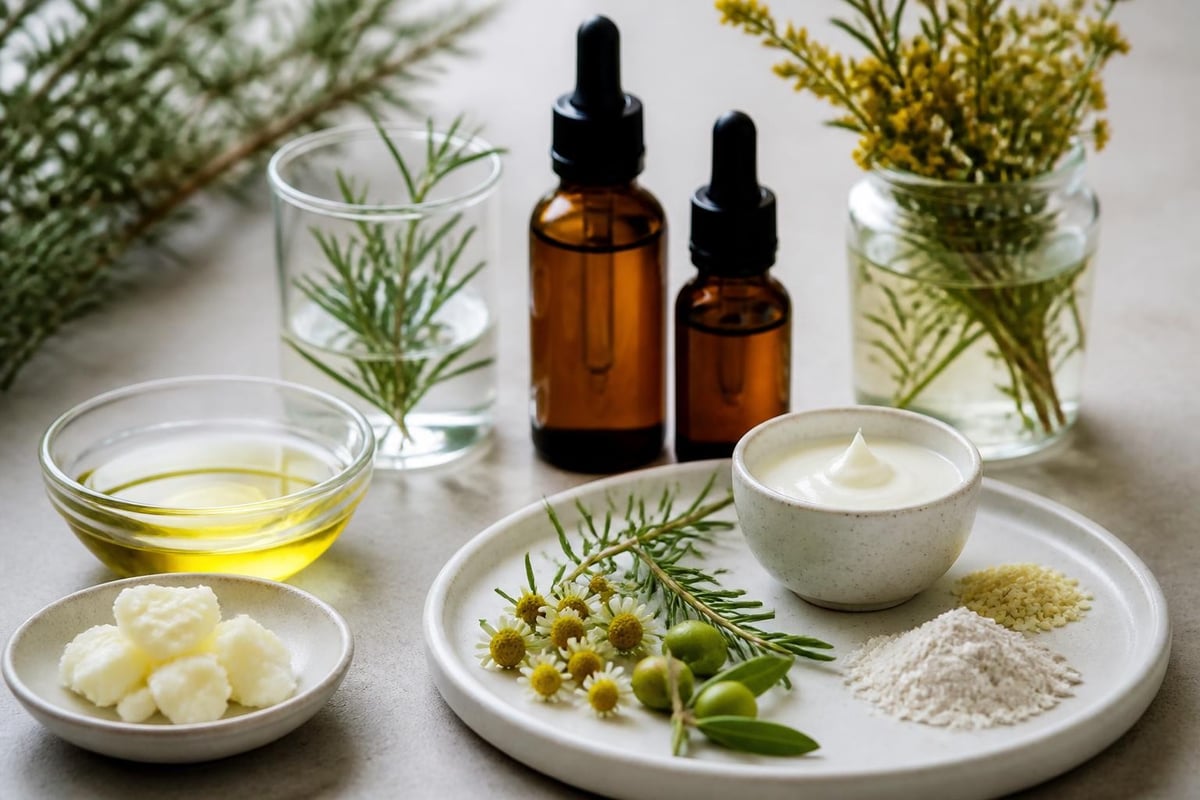
Natural ingredients aren't just pleasant alternatives; many possess scientifically validated benefits for skin health. Research continues to demonstrate that certain botanical compounds offer genuine therapeutic properties for various skin concerns.
Evidence-Based Natural Ingredients
A comprehensive systematic review of topical plant-based products has examined the efficacy and safety of botanical ingredients for skin aging. The findings reveal that specific plant extracts show promising results for improving skin texture, reducing fine lines, and enhancing overall complexion.
| Ingredient | Primary Benefit | Skin Type Suitability |
|---|---|---|
| Rosehip Oil | Anti-aging, vitamin C | All types, especially dry |
| Coconut Oil | Deep moisturisation | Dry, sensitive |
| Olive Extract | Antioxidant protection | Normal, combination |
| Avocado Oil | Nourishment, vitamin E | Dry, mature |
| Green Tea | Anti-inflammatory | Oily, acne-prone |
How Natural Ingredients Work
Plant-based skincare ingredients function through various mechanisms. Antioxidants like vitamins C and E neutralise free radicals that contribute to premature aging. Essential fatty acids found in seed oils strengthen the skin barrier, reducing moisture loss and sensitivity. Phytonutrients from botanical extracts can stimulate collagen production or calm inflammation.
The effectiveness of natural face skin care often depends on concentration, formulation stability, and ingredient quality. A well-formulated natural product considers how ingredients interact, ensuring optimal penetration and stability without synthetic stabilisers.
Building Your Natural Skincare Routine
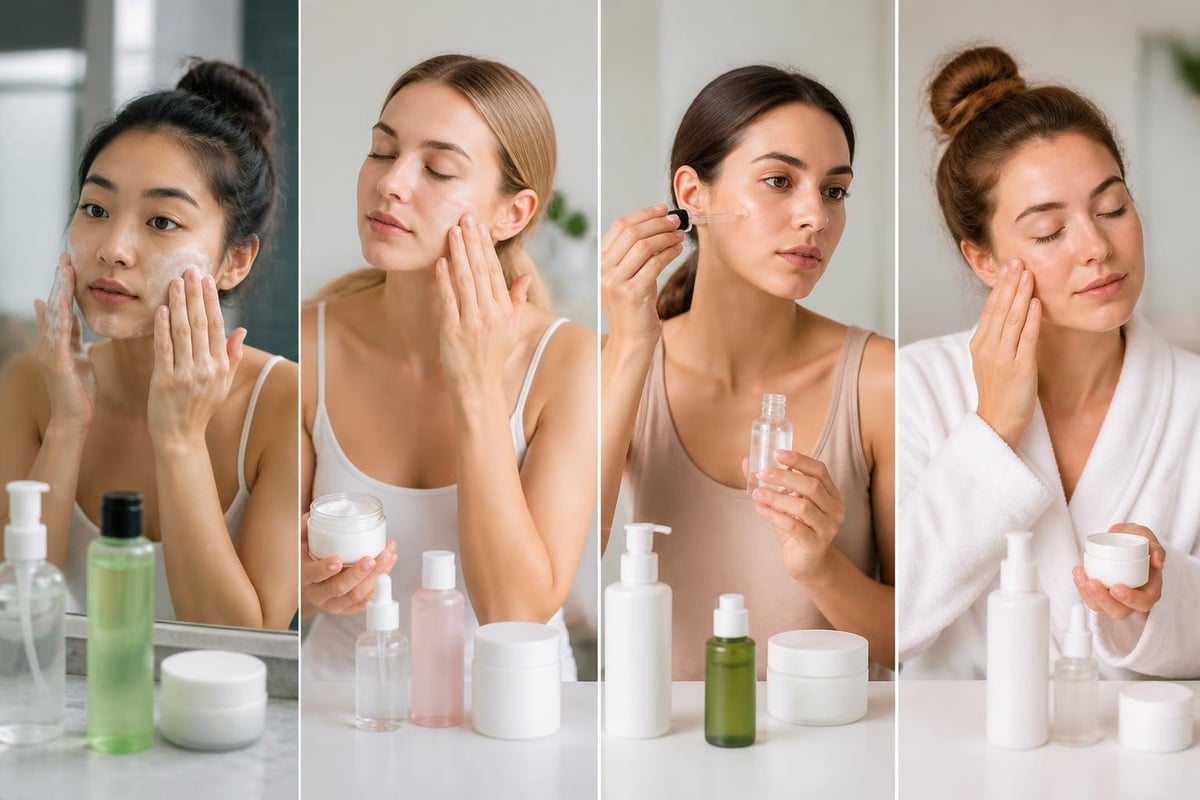
Creating an effective natural face skin care routine doesn't need to be complicated. The foundation remains consistent with conventional skincare: cleanse, tone, and moisturise, adapted to your specific skin type and concerns.
The Essential Three-Step Process
Step 1: Cleansing
Proper cleansing removes daily buildup of oils, environmental pollutants, and makeup without stripping the skin's protective barrier. Natural cleansers typically use plant-based oils or gentle surfactants derived from coconut or sugar.
For different skin types:
- Oily skin: Lightweight cleansing waters with lime or tea tree
- Dry skin: Oil-based cleansing balms with nourishing botanicals
- Sensitive skin: Fragrance-free formulas with calming ingredients like coconut
Step 2: Toning
Toners prepare the skin for better absorption of subsequent products whilst balancing pH levels. Natural toners often feature floral waters, witch hazel, or fruit extracts. Understanding the correct order of application maximises the benefits of each product.
Step 3: Moisturising
Moisturisation locks in hydration and provides a protective layer against environmental stressors. Natural moisturisers rely on plant oils, butters, and botanical extracts rather than mineral oil or silicones.
Targeted Treatments and Serums
Beyond the basics, incorporating targeted treatments addresses specific concerns. Natural serums deliver concentrated botanical actives:
- Anti-aging serums: Rose, frankincense, and vitamin C-rich ingredients
- Hydrating boosters: Hyaluronic acid (often plant-derived) with aloe
- Brightening treatments: Licorice root, vitamin C from kakadu plum
- Calming solutions: Chamomile, calendula, and lavender extracts
The olive and avocado serum demonstrates how combining complementary plant oils creates a potent treatment for nourishment and protection.
Choosing Products for Your Skin Type
Natural face skin care isn't one-size-fits-all. Your skin type determines which botanical ingredients will work best and which might cause issues.
Personalising Your Product Selection
| Skin Type | Best Natural Ingredients | Products to Consider | What to Avoid |
|---|---|---|---|
| Oily | Tea tree, willow bark, jojoba | Lightweight gels, cleansing waters | Heavy oils like coconut on face |
| Dry | Avocado, shea butter, rosehip | Rich creams, oil-based cleansers | Alcohol-based toners |
| Combination | Rose, geranium, argan oil | Balanced moisturisers, gentle cleansers | Overly heavy or stripping products |
| Sensitive | Chamomile, oat, coconut | Fragrance-free, minimal ingredient formulas | Essential oils, strong actives |
For those with sensitive skin, choosing products specifically formulated with gentle, non-irritating botanicals becomes particularly important. Natural doesn't guarantee hypoallergenic, so patch testing remains essential.
Understanding Ingredient Interactions
Some natural ingredients work synergistically whilst others may reduce effectiveness or cause irritation when combined. Vitamin C serums, for instance, work best at specific pH levels and may destabilise when mixed with certain botanical extracts. Quality natural skincare brands formulate products with these interactions in mind, ensuring compatibility across their range.
Safety and Quality Considerations
Whilst natural face skin care offers numerous benefits, understanding safety standards and quality markers protects consumers from ineffective or potentially harmful products.
Regulatory Standards and Testing
The European Commission's Scientific Committee on Consumer Safety provides comprehensive guidance on testing and safety evaluation of cosmetic ingredients, including natural ones. These standards ensure products meet rigorous safety requirements without animal testing.
Key safety considerations:
- Preservation systems that prevent microbial growth
- Stability testing to ensure ingredient integrity
- Allergen identification and appropriate labelling
- Contamination prevention during manufacturing
- Appropriate concentration levels for active ingredients
The Myth of "Chemical-Free"
A common misconception suggests that natural face skin care is "chemical-free." In reality, everything is composed of chemicals, including water and plants. The distinction lies in whether ingredients are synthesised in laboratories or derived from natural sources. Some naturally occurring substances can be irritating or allergenic, whilst certain synthetic ingredients are gentle and beneficial.
Vegan and cruelty-free skincare ensures products align with ethical values without relying on animal-derived ingredients like lanolin, collagen, or beeswax, demonstrating that effective formulations can be both natural and compassionate.
Sustainable and Ethical Natural Skincare
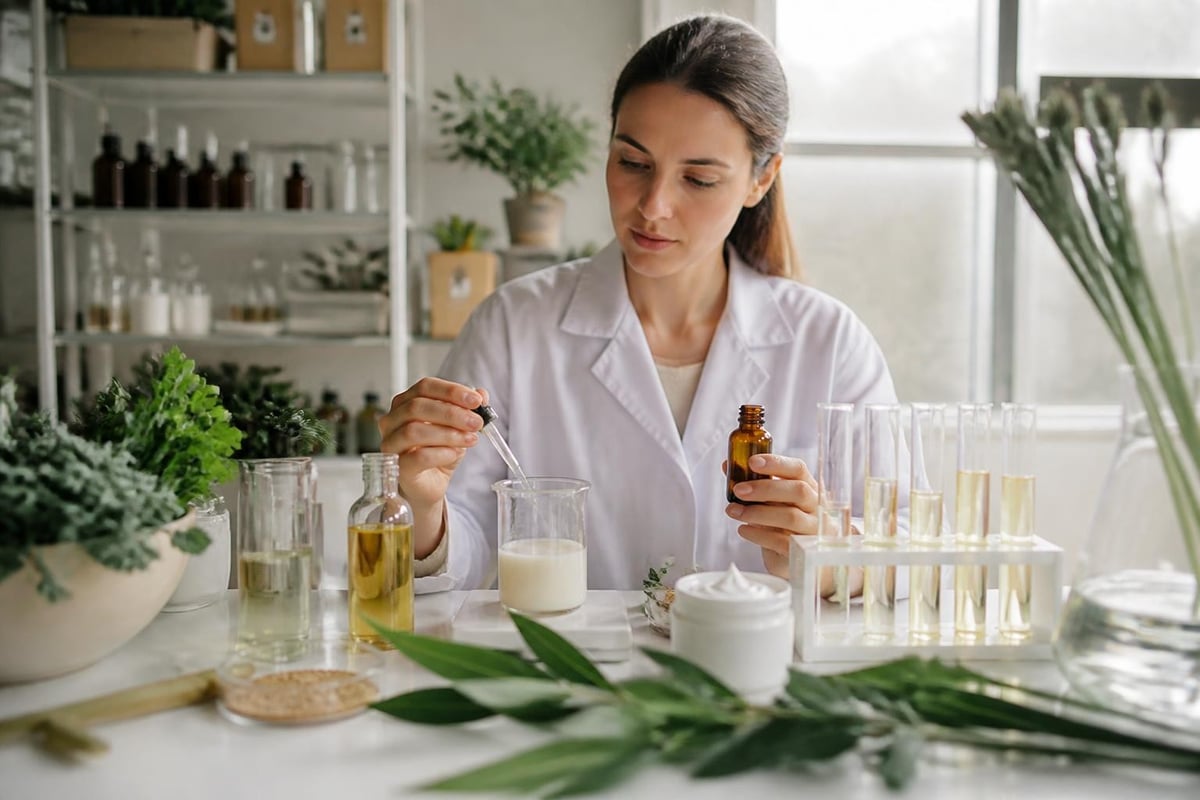
Natural face skin care extends beyond ingredient selection to encompass environmental responsibility and ethical practices throughout the supply chain.
Environmental Impact
The beauty industry's environmental footprint includes packaging waste, water consumption, and agricultural practices. Sustainable natural skincare addresses these concerns through:
- Recyclable or biodegradable packaging materials
- Concentrated formulas requiring less packaging
- Locally sourced ingredients reducing transport emissions
- Organic farming practices protecting soil and water
- Minimal water usage in production processes
Transparency and Traceability
Modern consumers expect transparency regarding ingredient origins, manufacturing processes, and company values. Choosing brands with clear sourcing information helps ensure your natural face skin care choices support ethical practices.
Questions to ask when evaluating brands:
- Where do ingredients originate?
- Are farming practices organic or sustainable?
- How are workers throughout the supply chain treated?
- What certifications verify claims?
- How does the company minimise environmental impact?
Common Myths About Natural Face Skin Care
Misconceptions about natural skincare can lead to unrealistic expectations or unnecessary concerns. Let's address some prevalent myths.
Myth 1: Natural Products Work Slower
Many believe natural face skin care requires more patience than conventional products. Whilst some botanical ingredients provide cumulative benefits over time, others deliver immediate results. Hyaluronic acid, though plant-derived, instantly plumps skin. Natural oils provide immediate moisturisation. The timeframe depends on the specific concern being addressed, not whether ingredients are natural or synthetic.
Myth 2: Preservatives Are Always Harmful
Products containing water require preservation to prevent bacterial and fungal growth. Some individuals mistakenly believe that homemade or preservative-free products are safer, but unpreserved formulas can harbour dangerous microorganisms. Natural preservatives like rosemary extract or radish root ferment provide safe alternatives to synthetic parabens.
Myth 3: All Natural Ingredients Are Gentle
Natural doesn't automatically mean gentle. Essential oils, whilst derived from plants, can cause significant irritation or allergic reactions in some individuals. Citrus oils increase photosensitivity. Even beloved ingredients like tea tree oil require proper dilution. Understanding your skin's sensitivities matters more than whether ingredients are natural.
Maximising Results With Natural Products
Getting the most from your natural face skin care routine involves more than just product selection. Application techniques, consistency, and lifestyle factors all influence outcomes.
Application Best Practices
Optimising product absorption:
- Apply to slightly damp skin when possible
- Use gentle upward motions during application
- Allow each layer to absorb before adding the next
- Apply thinner consistency products before heavier ones
- Use appropriate amounts (more isn't always better)
Lifestyle Factors Supporting Skin Health
Natural face skin care works best when supported by healthy lifestyle choices. Nutrition plays a crucial role in skin appearance, with antioxidant-rich foods complementing topical treatments. Adequate hydration, quality sleep, stress management, and sun protection all contribute to optimal skin health.
Monitoring and Adjusting Your Routine
Skin needs change with seasons, stress levels, hormones, and age. Successful natural skincare involves periodic assessment and adjustment. What works beautifully in summer might feel insufficient during winter's dry months. Keeping notes about product performance helps identify patterns and refine your routine.
Transitioning to Natural Face Skin Care
If you're switching from conventional to natural skincare, a thoughtful transition minimises disruption whilst allowing your skin to adjust.
The Gradual Approach
Rather than replacing everything simultaneously, introduce natural products one at a time:
- Start with cleanser (used briefly, rinsed off)
- Add moisturiser after two weeks
- Introduce toner or serum next
- Complete the transition over 6-8 weeks
This methodical approach helps identify any ingredients causing issues and allows skin to adapt to new formulations without overwhelming it.
What to Expect During Transition
Some people experience a brief "adjustment period" as skin recalibrates after years of synthetic ingredients. This might include temporary changes in oil production or minor breakouts. These effects typically resolve within 2-4 weeks. However, persistent irritation or worsening concerns warrant reassessment.
Finding Quality Brands
Researching the best face care products involves reading reviews, checking certifications, and understanding company values. Established natural skincare brands often offer sample sizes or discovery sets, allowing you to test products before committing to full sizes.
Creating a Customised Natural Skincare Wardrobe
Beyond daily essentials, building a comprehensive natural face skin care collection addresses varying needs throughout the year and special occasions.
Seasonal Adjustments
- Spring: Lighter textures, brightening ingredients, increased sun protection
- Summer: Oil-control, antioxidants, hydrating mists
- Autumn: Barrier repair, gentle exfoliation, transitional moisturisation
- Winter: Richer creams, intensive hydration, protective balms
Occasion-Specific Products
Different situations call for tailored approaches. Gift sets introduce others to natural skincare, whilst travel sizes maintain your routine away from home. Special occasion products might include overnight masks, facial oils for extra radiance, or calming treatments before important events.
Budget-Friendly Natural Skincare
Quality natural face skin care needn't strain finances. Strategic shopping makes botanical skincare accessible:
- Prioritise products that contact skin longest (moisturisers, serums)
- Consider multi-use products (cleansing balms, facial oils)
- Take advantage of value sets and promotions
- Start with essentials before expanding
- Remember that effective skincare can be affordable
Natural face skin care offers a thoughtful approach to maintaining healthy, radiant skin whilst aligning with values of sustainability, transparency, and ethical production. By understanding ingredient benefits, selecting products matched to your skin type, and maintaining consistency, you can build an effective routine that nourishes both your complexion and your conscience. White Rabbit Skin Care provides carefully formulated vegan products designed to meet diverse skin needs with botanical ingredients you can trust. Explore their range of cleansers, toners, and moisturisers to discover natural skincare that truly works for you.