

Most Popular Skincare Brands in 2026: A Complete Guide
The skincare industry has transformed dramatically over the past few years, with consumers becoming increasingly savvy about ingredients, sustainability, and brand values. Today's most popular skincare brands aren't just those with the biggest marketing budgets, they're the ones delivering genuine results whilst aligning with modern values of transparency, cruelty-free practices, and environmental responsibility. Whether you're searching for clinical-grade formulations or natural alternatives, understanding which brands dominate the market can help you make informed decisions about your skincare routine.
What Makes Skincare Brands Popular in 2026
The definition of popularity has evolved beyond simple sales figures. Today's consumers research extensively before purchasing, reading ingredient lists, checking certifications, and seeking recommendations from trusted sources. According to Who What Wear's analysis of consumer behavior, social proof now plays a pivotal role in brand success.
Modern popularity factors include:
- Ingredient transparency and clean formulations
- Demonstrable efficacy through clinical studies
- Ethical sourcing and cruelty-free certifications
- Strong social media presence and authentic engagement
- Accessibility through price point or distribution
- Sustainability initiatives and eco-friendly packaging
The rise of platforms like TikTok has fundamentally changed how brands gain traction. The TikTok Beauty Index reveals how viral moments can catapult relatively unknown brands into household names overnight, whilst established brands maintain relevance through consistent innovation.
The Role of Dermatologist Endorsements
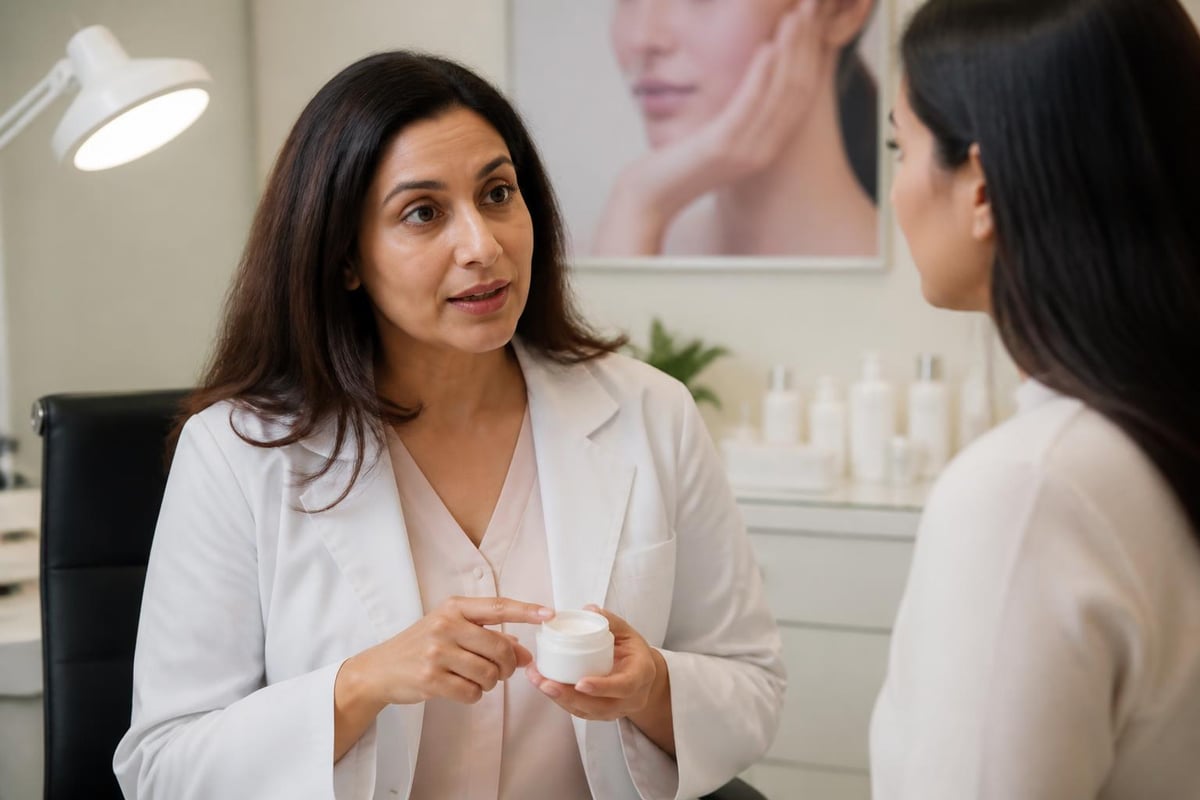
Professional recommendations carry tremendous weight in the skincare world. Brands that earn dermatologist approval often see exponential growth, as consumers seek clinical validation for their purchasing decisions. This trend has benefited affordable brands that prioritize science-backed formulations over luxury packaging.
Clinical Favorites Among Most Popular Skincare Brands
CeraVe has emerged as a true powerhouse in the skincare industry. The brand's dermatologist-developed formulas featuring ceramides have made it a staple recommendation for sensitive skin. CeraVe's widespread appeal stems from its ability to deliver pharmaceutical-grade ingredients at high street prices, making effective skincare accessible to everyone.
La Roche-Posay maintains its position as a pharmacy favorite, particularly for those dealing with sensitive or reactive skin. Their Effaclar and Toleriane ranges address specific concerns with gentle yet effective formulations.
| Brand | Key Ingredient | Price Point | Best For |
|---|---|---|---|
| CeraVe | Ceramides | Budget-friendly | Barrier repair |
| La Roche-Posay | Thermal water | Mid-range | Sensitive skin |
| The Ordinary | Active ingredients | Budget | Targeted treatments |
| Paula's Choice | BHA/AHA | Mid-range | Exfoliation |
The Ordinary revolutionized the industry by making active ingredients accessible and affordable. The brand's transparent approach to formulation and pricing has earned it cult status. As reported by Stylist's coverage of brand popularity, The Ordinary consistently ranks as one of the world's most searched skincare brands.
Luxury Brands That Maintain Their Appeal
Despite the rise of affordable options, luxury skincare brands continue to thrive by offering premium experiences and innovative technologies. These most popular skincare brands justify their price points through extensive research, rare ingredients, and elegant formulations.
Estée Lauder's Advanced Night Repair remains an iconic product, with generations of loyal users swearing by its results. The brand's commitment to innovation keeps it relevant despite increasing competition.
SK-II built its reputation on a single hero ingredient, Pitera, demonstrating that sometimes a focused approach resonates more than an extensive range. The brand's loyal following spans decades, with many users refusing to switch despite premium pricing.
Why Premium Brands Remain Popular
Luxury doesn't automatically mean better results, but these brands invest heavily in research and development. Their popularity stems from:
- Proprietary technologies and patented ingredients
- Luxurious textures and sensorial experiences
- Prestigious brand heritage and reputation
- Extensive clinical testing and trials
- Sophisticated packaging and presentation
For those seeking gentle skin products without the luxury price tag, natural alternatives offer compelling benefits whilst maintaining high quality standards.
The Rise of Natural and Vegan Skincare
Consumer consciousness has shifted dramatically toward ethical and sustainable choices. Natural and vegan skincare brands have moved from niche to mainstream, with many becoming the most popular skincare brands in their categories.
Drunk Elephant pioneered the "clean clinical" approach, combining natural ingredients with scientific formulation. Their colorful packaging and ingredient-focused philosophy appeal to millennials and Gen Z consumers.
Biossance built its entire brand around sustainability, using sugarcane-derived squalane as a hero ingredient. This demonstrates how environmental responsibility can be a core selling point rather than an afterthought.
The importance of authenticity in natural skincare brands cannot be overstated. Consumers quickly identify and reject greenwashing, demanding genuine commitment to natural formulations.
Vegan Korean Skincare Movement
Korean beauty has influenced global skincare trends for years, and the vegan movement within K-beauty represents the next evolution. Brands like Klairs and I'm From combine traditional Korean skincare philosophy with plant-based formulations. Those interested in this approach can explore vegan Korean skincare options that deliver the innovative textures and layering techniques K-beauty is famous for.
Affordable Brands Delivering Premium Results
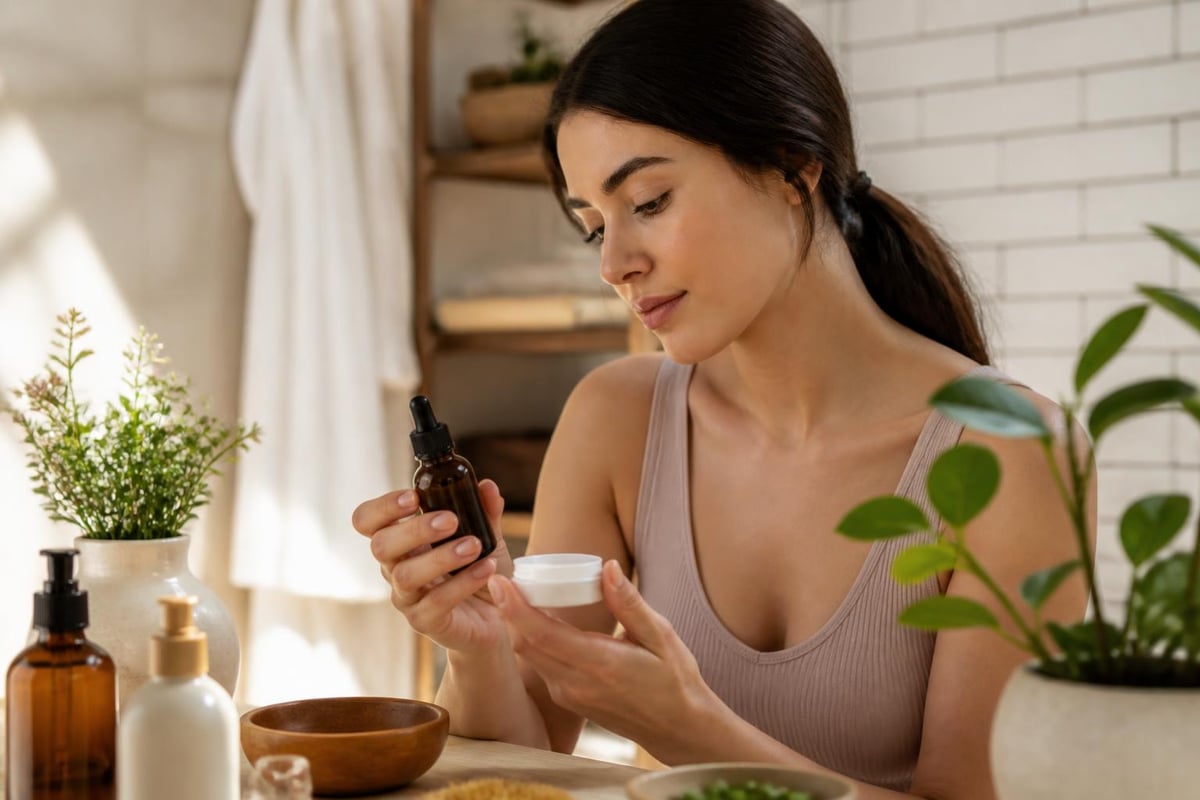
The skincare industry has democratized significantly, with numerous affordable brands proving that effective skincare doesn't require luxury pricing. These budget-friendly options have become some of the most popular skincare brands by delivering visible results without financial strain.
The INKEY List follows The Ordinary's model of transparent, ingredient-focused formulations at accessible prices. Their educational approach helps consumers understand what they're putting on their skin.
Good Molecules gained cult status through strategic partnerships with beauty retailers like Beautylookbook, offering clinical-grade ingredients at remarkably low prices.
- Revolution Skincare: Dupes for luxury products at fraction of the price
- E.l.f. Skin: Clean ingredients and affordable pricing
- Naturium: Science-backed formulations under £20
- Versed: Sustainable packaging meets effective ingredients
According to NewBeauty's reader survey, consumers increasingly prioritize value and efficacy over brand prestige, making affordability a competitive advantage rather than a limitation.
Sensitive Skin Specialists
For those with reactive or sensitive skin, choosing the right brand is crucial. Several most popular skincare brands have built their reputations specifically on gentle, non-irritating formulations.
Avène utilizes thermal spring water as the foundation for its entire range, providing soothing benefits for compromised skin barriers. Their minimal ingredient philosophy reduces the risk of reactions.
Eucerin combines pharmaceutical expertise with accessible pricing, making it a dermatologist favorite for conditions like eczema and rosacea. Their UreaRepair range demonstrates how simple ingredients can deliver profound results.
For comprehensive guidance on face products for sensitive skin, consider exploring formulations that prioritize minimal ingredients and maximum gentleness. Understanding which skincare brands for sensitive skin suit your specific needs can transform your skincare experience.
| Brand | Specialty | Key Feature | Price Range |
|---|---|---|---|
| Avène | Thermal water | Soothing | Mid |
| Eucerin | Barrier repair | Urea-based | Budget |
| First Aid Beauty | Ultra repair | Colloidal oatmeal | Mid |
| Cetaphil | Gentle cleansing | Minimal ingredients | Budget |
Innovation-Driven Beauty Tech Brands
Technology has revolutionized skincare formulation and delivery. These most popular skincare brands leverage scientific advancement to create next-generation products.
SkinCeuticals leads in antioxidant technology, with their C E Ferulic serum setting the gold standard for vitamin C formulations. Their research-driven approach appeals to consumers seeking evidence-based skincare.
Medik8 focuses on the "CSA philosophy" combining vitamin C, sunscreen, and vitamin A as the foundation of effective skincare. Their time-release technologies minimize irritation whilst maximizing results.
Ingredient Innovation
The most successful brands continually research and develop new ingredient combinations:
- Encapsulation technology for better ingredient stability
- Microbiome-friendly formulations supporting skin health
- Blue light protection addressing modern environmental stressors
- Adaptogenic ingredients helping skin manage stress
- Probiotics and prebiotics for barrier function

Global Influences on Popular Brands
International beauty philosophies have enriched the skincare landscape, bringing diverse approaches to skin health. Japanese skincare brands emphasize simplicity and gentle effectiveness, whilst French pharmacy brands focus on dermatological science.
Shiseido represents Japanese innovation with over 150 years of expertise. Their approach combines traditional ingredients like rice bran with cutting-edge technology.
Bioderma exemplifies French pharmacy skincare with its micellar water technology that revolutionized cleansing routines worldwide.
Regional Approaches to Skincare
Different markets prioritize various aspects:
- Japanese: Prevention, gentle formulations, long-term skin health
- Korean: Innovation, layering, achieving glass skin
- French: Minimalism, dermatological testing, pharmacy-grade
- American: Active ingredients, problem-solving, results-driven
- British: Natural ingredients, sustainability, ethical production
Understanding these philosophies helps consumers choose brands aligning with their skincare values. Those interested in 100% natural skin care products can find options that combine global wisdom with local sourcing.
Social Media and Brand Popularity
Platform presence significantly impacts brand success in 2026. The most popular skincare brands maintain active engagement across multiple channels, creating communities rather than just customer bases.
Instagram remains crucial for visual storytelling and before-and-after transformations. Brands that encourage user-generated content build authentic relationships with consumers.
TikTok has become the discovery platform for skincare, with trends like "skin cycling" and "slugging" originating from creator content rather than brand marketing.
YouTube provides space for detailed reviews and tutorials, with influencer partnerships driving significant sales for featured products.
The most popular beauty products of 2025 showcase how social media virality translates into market dominance, with products gaining cult status through organic sharing rather than traditional advertising.
Sustainable and Ethical Leaders
Environmental consciousness has moved from niche concern to mainstream priority. The most popular skincare brands in 2026 demonstrate genuine commitment to sustainability through:
- Refillable packaging systems reducing waste
- Carbon-neutral shipping and operations
- Waterless formulations conserving resources
- Biodegradable or recyclable materials
- Transparent supply chain practices
Youth to the People built its brand identity around sustainability, using glass packaging and superfood ingredients. Their vegan formulations prove ethical choices don't compromise effectiveness.
Pai Skincare specializes in organic ingredients for sensitive skin, demonstrating how best non-toxic skincare brands can deliver both purity and performance. Their commitment to organic certification sets high standards for natural beauty.
Multi-Tasking Products Trend
Modern consumers value efficiency, driving demand for products that deliver multiple benefits. These most popular skincare brands succeed by simplifying routines without sacrificing results.
Glossier revolutionized minimalist beauty with its "skin first, makeup second" philosophy. Their Milky Jelly Cleanser and Solution products became iconic through simplicity and effectiveness.
Summer Fridays gained fame with Jet Lag Mask, a multi-purpose product that hydrates, soothes, and brightens. This versatility appeals to time-poor consumers seeking maximum impact from minimal steps.
Benefits of multi-tasking formulations:
- Streamlined morning and evening routines
- Reduced product waste and bathroom clutter
- Cost-effective approach to comprehensive care
- Ideal for travel and busy lifestyles
- Gentler on skin through fewer applications
For those building efficient routines, exploring glowing skin care products that work synergistically can simplify your regimen whilst enhancing results.
Personalization and Customization
Bespoke skincare represents the frontier of beauty innovation. Brands offering personalized formulations have carved unique positions among the most popular skincare brands by acknowledging that no two skin types are identical.
Curology pioneered prescription skincare accessibility, providing dermatologist-formulated custom treatments delivered directly to consumers. This model democratized previously clinic-only solutions.
Proven uses artificial intelligence to analyze over 4,000 ingredients and create personalized formulations based on individual skin profiles, environmental factors, and lifestyle considerations.
The customization trend extends beyond formulation to include:
- Diagnostic quizzes identifying specific skin concerns
- Seasonal adjustments for changing environmental conditions
- Age-appropriate formulations evolving with skin needs
- Ingredient preference options for vegan or natural choices
- Concentration customization based on tolerance levels
Building Your Ideal Skincare Routine
With so many options among the most popular skincare brands, creating an effective routine requires understanding your skin's unique needs. Start with these fundamental steps:
Cleansing removes impurities without stripping essential moisture. Choose gentle formulations that respect your skin barrier, whether you prefer balms, oils, or traditional cleansers.
Treatment addresses specific concerns using active ingredients. This step might include serums, essences, or targeted solutions for issues like hyperpigmentation or fine lines.
Moisturizing locks in hydration and protects the skin barrier. Select textures appropriate for your skin type, from lightweight gels to rich creams.
Sun Protection prevents premature aging and protects against environmental damage. Daily SPF use is non-negotiable for long-term skin health.
Those exploring all natural skin products can build complete routines using plant-based formulations that deliver results without synthetic ingredients. The key is consistency rather than complexity.
Understanding Ingredient Lists
Knowledge empowers better purchasing decisions. The most popular skincare brands succeed partly because informed consumers recognize quality formulations. Understanding common ingredients helps you evaluate products effectively.
Humectants like hyaluronic acid and glycerin attract moisture to the skin, providing plumping and hydration. These work best when followed by occlusives that seal in moisture.
Antioxidants including vitamin C, vitamin E, and ferulic acid protect against environmental damage whilst brightening and evening skin tone.
Retinoids remain the gold standard for anti-aging, stimulating collagen production and accelerating cell turnover. Start slowly to build tolerance.
Acids (AHAs and BHAs) exfoliate dead skin cells, revealing brighter, smoother skin. Choose based on your skin type and concerns.
Reading labels critically helps you identify genuinely beneficial products versus marketing hype, ensuring your investment delivers actual results.
Value Beyond Price Point
The most popular skincare brands prove that effectiveness transcends price. Whether investing in luxury formulations or discovering affordable gems, value comes from results, not cost alone.
Consider cost-per-use rather than upfront price. A £50 serum lasting six months offers better value than a £20 product depleted monthly. Quality ingredients often require smaller quantities, making concentrated formulations economical long-term.
Best selling skin care products succeed because they deliver consistent results that justify repurchasing, building loyal customer bases through performance rather than marketing alone.
Evaluate products based on:
- Ingredient quality and concentration
- Product longevity and usage efficiency
- Visible results within reasonable timeframes
- Skin tolerance and absence of irritation
- Brand transparency and ethical practices
The skincare landscape offers unprecedented choice, from clinical powerhouses to natural alternatives, each category featuring most popular skincare brands that have earned their status through genuine results and consumer trust. Understanding what drives popularity helps you navigate options confidently, selecting products aligned with your values and skin needs. If you're seeking effective, ethical skincare that combines natural ingredients with real results, explore White Rabbit Skin Care for vegan formulations crafted with transparency, sustainability, and your skin's health at heart.