

Most Effective Skincare Products for Healthy Skin
Finding the most effective skincare products can feel overwhelming when you're faced with endless shelves of serums, creams, and treatments, all making bold promises. With so much conflicting information and clever marketing, it's easy to wonder what actually works and what's just hype. The good news is that dermatologists and skin scientists have identified specific ingredients that genuinely transform skin health, backed by decades of research and clinical trials. Whether you're concerned about ageing, acne, dryness, or uneven tone, understanding which ingredients deliver real results will help you build a routine that truly works for your skin. As consumers increasingly seek vegan cruelty-free skincare options, the availability of effective, ethical products has never been better.
Understanding What Makes Skincare Products Truly Effective
The most effective skincare products share several key characteristics that set them apart from marketing gimmicks. First, they contain clinically proven active ingredients at therapeutic concentrations. Second, these ingredients are formulated in a way that allows them to penetrate the skin barrier and reach their target sites. Third, they're stable enough to remain potent throughout the product's shelf life.
Research from leading dermatologists reveals that ingredient quality matters more than brand prestige. According to dermatologists at GW School of Medicine, the most effective ingredients include retinoids, vitamin C, hyaluronic acid, and niacinamide. These powerhouse actives have extensive scientific backing and consistent results across diverse skin types.
The Science Behind Ingredient Efficacy
When evaluating skincare effectiveness, it's crucial to understand how ingredients work at a cellular level. Some ingredients act as humectants, drawing moisture into the skin. Others function as antioxidants, neutralising free radicals that cause premature ageing. Still others stimulate collagen production or regulate skin cell turnover.
The concentration of active ingredients matters significantly. A product might list vitamin C on its label, but if it contains only 0.5% instead of the clinically effective 10-20%, you won't see meaningful results. This is why understanding product authenticity becomes essential for informed skincare decisions.
Retinoids: The Gold Standard for Skin Transformation
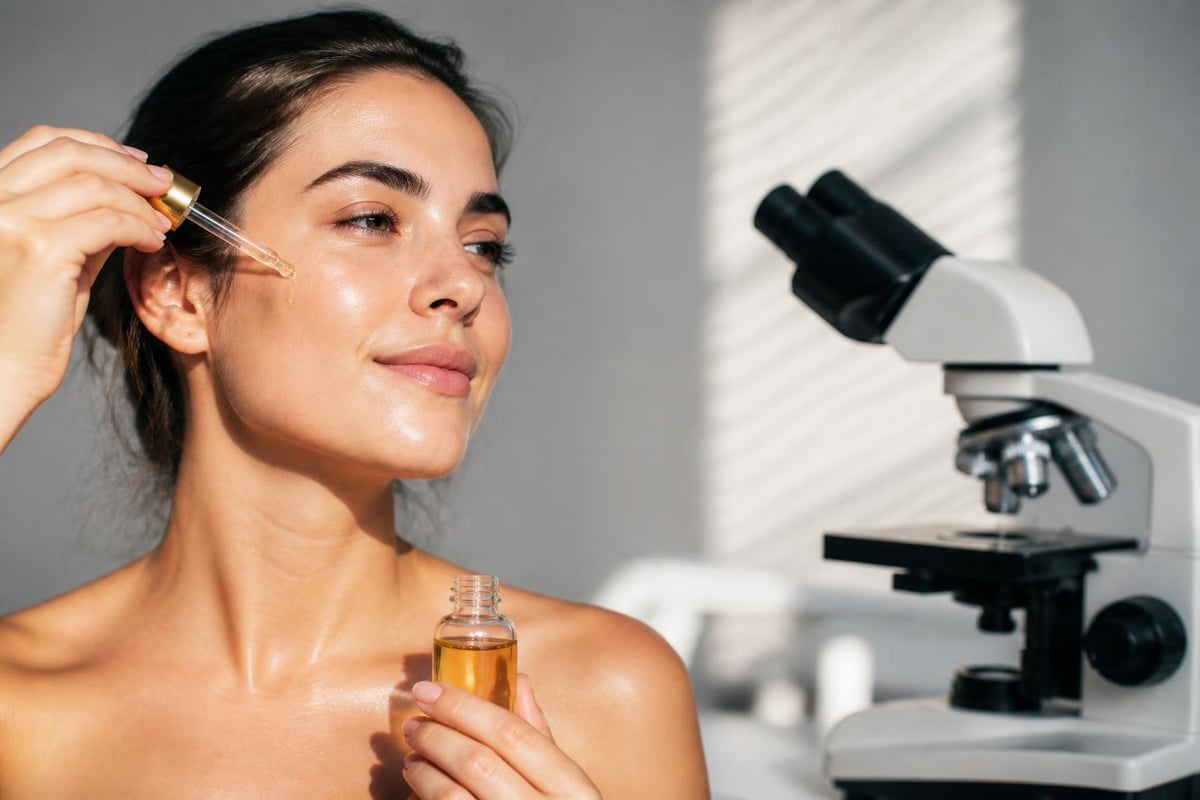
Retinoids consistently rank among the most effective skincare products for addressing multiple concerns simultaneously. These vitamin A derivatives accelerate cell turnover, boost collagen production, reduce hyperpigmentation, and unclog pores. The Cleveland Clinic confirms that retinoids are one of the few ingredients with decades of robust clinical evidence supporting their anti-ageing benefits.
Types of Retinoids and Their Potency
Different retinoids offer varying levels of strength and accessibility:
- Prescription retinoids (tretinoin, tazarotene) provide the most dramatic results but can cause irritation
- Over-the-counter retinol offers gentler action whilst still delivering measurable improvements
- Retinaldehyde sits between prescription and OTC options in terms of efficacy
- Retinyl palmitate works most gently but requires longer to show results
Starting with lower concentrations and gradually increasing helps your skin build tolerance. Most dermatologists recommend beginning with retinol twice weekly, then slowly increasing frequency as your skin adapts.
| Retinoid Type | Strength | Prescription Required | Best For |
|---|---|---|---|
| Tretinoin | High | Yes | Severe ageing, acne |
| Retinaldehyde | Medium-High | No | Sensitive skin wanting potency |
| Retinol | Medium | No | Most skin types |
| Retinyl Palmitate | Low | No | First-time users |
Vitamin C: Brightening and Protection Combined
Vitamin C serums have earned their place among the most effective skincare products through impressive multitasking abilities. This powerful antioxidant brightens skin tone, fades dark spots, protects against environmental damage, and stimulates collagen synthesis. Northwestern Medicine explains how vitamin C's antioxidant properties work to prevent and reverse visible signs of ageing.
Choosing Stable Vitamin C Formulations
The challenge with vitamin C lies in its instability. L-ascorbic acid, the most potent form, oxidises quickly when exposed to light and air. Look for these features in effective vitamin C products:
- Dark or opaque packaging to prevent light degradation
- Airless pump dispensers rather than dropper bottles
- Concentrations between 10-20% for optimal efficacy
- pH levels around 3.5 for proper skin penetration
Alternative forms like ascorbyl glucoside or tetrahexyldecyl ascorbate offer greater stability, though they may convert to active vitamin C more slowly in the skin. Combining vitamin C with vitamin E and ferulic acid enhances both stability and effectiveness.
Hyaluronic Acid: The Hydration Hero
Hyaluronic acid stands out among the most effective skincare products for hydration because of its remarkable ability to hold up to 1,000 times its weight in water. This humectant doesn't just sit on the skin's surface-it draws moisture from the environment and deeper skin layers, plumping fine lines and creating a dewy, healthy appearance.
Molecular Weight Matters
Not all hyaluronic acid works the same way:
- High molecular weight (large molecules) stays on the skin's surface, providing immediate hydration and a temporary plumping effect
- Low molecular weight (small molecules) penetrates deeper layers, delivering longer-lasting moisture and stimulating the skin's own hyaluronic acid production
- Multi-molecular weight blends offer both immediate and sustained benefits
For best results, apply hyaluronic acid to damp skin and seal it with a moisturiser to prevent water from evaporating. This ingredient works beautifully in all natural skin products, particularly when derived from plant-based sources.
Niacinamide: The Versatile Problem-Solver
Niacinamide, also known as vitamin B3, deserves recognition as one of the most effective skincare products for virtually every skin concern. This gentle yet powerful ingredient reduces inflammation, minimises pores, regulates oil production, fades hyperpigmentation, and strengthens the skin barrier. Research shows it works well for sensitive skin types that might struggle with retinoids or acids.
Key Benefits of Niacinamide
Clinical studies demonstrate that niacinamide at 2-10% concentration delivers impressive results:
- Reduces appearance of fine lines and wrinkles by boosting collagen production
- Decreases hyperpigmentation by inhibiting melanin transfer to skin cells
- Controls sebum production, making it ideal for oily and acne-prone skin
- Strengthens skin barrier function, reducing sensitivity and moisture loss
- Minimises redness and inflammation associated with rosacea and acne
Unlike some actives, niacinamide plays well with others. You can safely combine it with retinoids, vitamin C, and acids in the same routine, making it an excellent team player in your skincare arsenal.
Sunscreen: The Non-Negotiable Essential
When discussing the most effective skincare products, sunscreen deserves top billing. The American Academy of Dermatology emphasises that daily sunscreen use is the single most important anti-ageing step you can take. No other product can reverse sun damage as effectively as prevention itself.
Choosing Between Mineral and Chemical Sunscreens
Both types offer protection when used correctly:
| Feature | Mineral Sunscreen | Chemical Sunscreen |
|---|---|---|
| Active Ingredients | Zinc oxide, titanium dioxide | Avobenzone, octinoxate, others |
| How It Works | Physical barrier reflecting UV rays | Absorbs UV rays and converts to heat |
| Best For | Sensitive skin, rosacea | All skin types, sport activities |
| Texture | Can leave white cast | Typically more transparent |
| Vegan-Friendly | Often yes | Check individual formulations |
For truly effective sun protection, apply sunscreen as the final step in your morning routine, using approximately a quarter-teaspoon for your face and neck. Reapply every two hours during extended sun exposure. Many vegan skin care brands now offer mineral sunscreens that avoid the white cast issue through micronised formulations.
Alpha and Beta Hydroxy Acids: Exfoliation Powerhouses
Chemical exfoliants rank among the most effective skincare products for resurfacing skin and addressing concerns like dullness, uneven texture, and clogged pores. Harvard Health discusses how these acids work to improve skin appearance through controlled exfoliation.
Understanding Different Exfoliating Acids
AHAs (Alpha Hydroxy Acids) like glycolic and lactic acid work on the skin's surface:
- Dissolve dead skin cells for smoother texture
- Improve tone and brightness
- Reduce appearance of fine lines
- Work best for dry or sun-damaged skin
BHAs (Beta Hydroxy Acids) like salicylic acid penetrate into pores:
- Clear congested pores and blackheads
- Reduce acne breakouts
- Control oil production
- Ideal for oily and acne-prone skin
Start with lower concentrations (5-8% AHA or 1-2% BHA) and use them 2-3 times weekly. Always follow with sunscreen during the day, as acids increase sun sensitivity.
Natural and Vegan Alternatives That Actually Work
The most effective skincare products don't necessarily require synthetic ingredients. Plant-based actives have gained recognition for delivering genuine results whilst aligning with ethical values. Vegan Korean skincare has pioneered the use of fermented ingredients and botanical extracts that rival their conventional counterparts.
Proven Natural Ingredients
Several natural ingredients boast impressive clinical backing:
- Green tea extract provides powerful antioxidant protection and reduces inflammation
- Rosehip oil contains natural retinoids and essential fatty acids for anti-ageing
- Bakuchiol offers retinol-like benefits without irritation, perfect for sensitive skin
- Sea buckthorn delivers vitamins C and E plus omega fatty acids
- Centella asiatica promotes wound healing and collagen synthesis
These ingredients demonstrate that 100% natural skin care products can compete with conventional formulations when properly formulated and concentrated.

Building an Effective Skincare Routine
Owning the most effective skincare products means nothing if they're not used correctly. The order of application and product combinations significantly impact results. Understanding proper layering ensures your investment in quality products pays off.
Morning Routine Structure
Your morning routine should focus on protection:
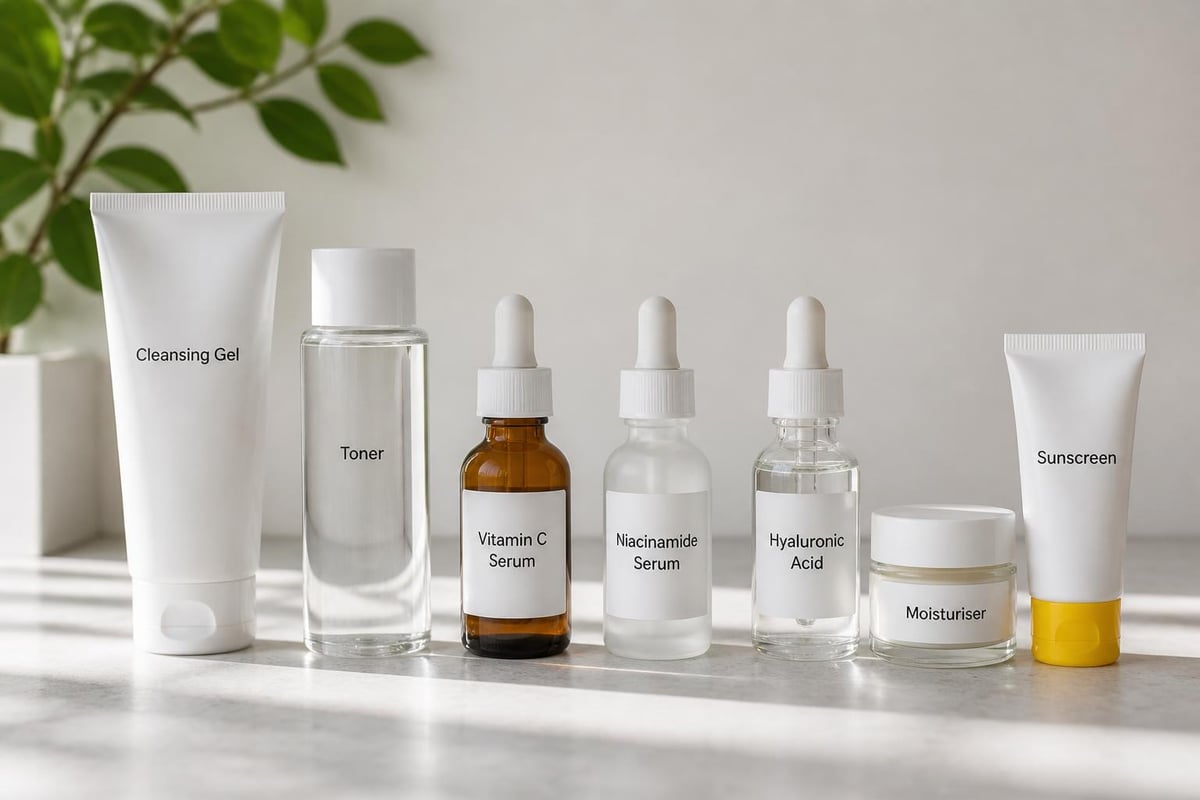
- Cleanser: Remove overnight oil and debris
- Toner: Balance pH and prep skin
- Vitamin C serum: Antioxidant protection
- Moisturiser: Hydrate and protect barrier
- Sunscreen: Essential UV protection
Evening Routine Structure
Night-time is for treatment and repair:
- Cleanser: Remove makeup, sunscreen, and daily grime
- Exfoliating acid: 2-3 times weekly
- Retinoid or treatment serum: Active ingredients for concerns
- Hyaluronic acid: Deep hydration
- Night cream: Richer moisture for overnight repair
The best cruelty-free moisturiser will seal in all the active ingredients you've applied, preventing transepidermal water loss whilst you sleep.
Matching Products to Your Skin Type
The most effective skincare products for one person might not suit another. Understanding your skin type helps you select formulations that work with, not against, your natural characteristics.
Product Selection by Skin Type
Dry Skin needs:
- Cream-based cleansers rather than foaming formulas
- Rich moisturisers with ceramides and oils
- Gentle exfoliation (lactic acid over glycolic)
- Hydrating serums with hyaluronic acid
Oily Skin benefits from:
- Gel or foaming cleansers to remove excess sebum
- Lightweight, oil-free moisturisers
- Salicylic acid for pore control
- Niacinamide to regulate oil production
Combination Skin requires:
- Balanced cleansers that don't strip or over-moisturise
- Lightweight moisturisers with targeted treatments
- Different products for different facial zones if needed
Sensitive Skin thrives with:
- Fragrance-free, minimal ingredient formulations
- Barrier-supporting ingredients like ceramides
- Calming ingredients like centella and niacinamide
- Avoiding known irritants like essential oils and high-strength acids
Finding skincare brands for sensitive skin ensures you get effective results without irritation or reactions.
Cost-Effective Skincare That Works
You don't need to spend a fortune to access the most effective skincare products. Many affordable formulations contain the same active ingredients as luxury brands, often at comparable concentrations. Kiplinger's financial advice suggests investing in specific categories whilst saving on others.
Where to Invest and Where to Save
Worth the investment:
- Sunscreen with broad-spectrum protection
- Retinoid treatments with stable formulations
- Vitamin C serums with proper packaging
- Products with high concentrations of actives
Where you can save:
- Basic cleansers (as long as they're suitable for your skin type)
- Simple moisturisers with proven humectants and emollients
- Hyaluronic acid serums (ingredient is relatively inexpensive)
- Niacinamide products (widely available at various price points)
Research shows that inexpensive skin care can deliver excellent results when you focus on ingredient lists rather than brand prestige. Many pharmacy brands formulate products with dermatologist input and clinical testing.
Common Mistakes That Reduce Product Effectiveness
Even with the most effective skincare products, poor usage habits can sabotage your results. Avoiding these common pitfalls ensures you get maximum benefit from your routine.
Top Effectiveness Killers
Using too many actives at once overwhelms skin and increases irritation risk. Instead, introduce one new active ingredient every 3-4 weeks and monitor your skin's response.
Skipping sunscreen undermines all your anti-ageing efforts. UV damage occurs even on cloudy days and through windows, making daily protection essential.
Not giving products enough time to work leads to product hopping. Most actives need 6-12 weeks to show visible results, so patience is crucial.
Applying products to completely dry skin reduces absorption, particularly for humectants like hyaluronic acid that need moisture to draw in.
Over-exfoliating damages the skin barrier, causing sensitivity, redness, and increased breakouts. Limit chemical exfoliation to 2-3 times weekly unless using very gentle formulations.
Adapting Your Routine Seasonally
The most effective skincare products for summer might not work as well in winter. Seasonal changes affect skin needs, requiring routine adjustments for optimal results.
Winter Adjustments
Cold weather and indoor heating strip moisture from skin:
- Switch to cream-based cleansers if you typically use gel formulas
- Layer hydrating serums under richer moisturisers
- Add facial oils to seal in moisture
- Reduce exfoliation frequency to prevent over-stripping
- Consider hydrating sheet masks for extra moisture boosts
Summer Modifications
Warmer weather and increased sun exposure require different approaches:
- Use lighter, gel-based moisturisers if heavy creams feel uncomfortable
- Increase sunscreen SPF to 50+ during peak sun months
- Add antioxidant serums for extra UV protection
- Consider oil-control products if humidity increases breakouts
- Exfoliate regularly to prevent clogged pores from sweat and sunscreen
The Role of Consistency in Skincare Success
Having the most effective skincare products means little without consistent application. Building sustainable habits ensures you reap long-term benefits rather than seeing temporary improvements that fade when routines slip.
Set realistic expectations by starting with a basic routine of cleanser, moisturiser, and sunscreen. Once these become habit, gradually add targeted treatments like retinoids or vitamin C. Overwhelming yourself with a ten-step routine often leads to abandonment.
Time your routine to fit your lifestyle. Morning people might prefer thorough routines upon waking, whilst night owls perform better with evening rituals. The best routine is one you'll actually follow.
Track your progress with monthly photos in consistent lighting. Subtle improvements become obvious when compared over time, providing motivation to continue.
Consider exploring samples and sets when trying new products, allowing you to test effectiveness before committing to full sizes.
Reading Labels and Understanding Ingredient Lists
Identifying the most effective skincare products requires understanding how to decode ingredient lists. Regulations mandate that ingredients appear in descending order by concentration, with some exceptions for those present below 1%.
Label-Reading Skills
Active ingredients typically appear in the first five ingredients if present at therapeutic levels. If you see retinol or vitamin C listed tenth or later, concentrations are likely too low for effectiveness.
Fragrance and essential oils often appear near the end of lists but can cause irritation in sensitive skin. Terms like "parfum" or individual essential oil names indicate these additions.
Preservatives are necessary for product safety but certain types (like parabens) concern some consumers. Modern alternatives include phenoxyethanol, potassium sorbate, and sodium benzoate.
Base ingredients like water, glycerin, and emulsifiers form the product foundation. Quality bases ensure active ingredients penetrate effectively and feel pleasant on skin.
Learning to identify best non-toxic skincare brands becomes easier once you understand common ingredient functions and potential concerns.
Understanding which ingredients genuinely transform skin health empowers you to build an effective routine that delivers real results, regardless of marketing hype or premium price tags. When you're ready to explore ethically formulated, plant-based options that combine effectiveness with sustainability, White Rabbit Skin Care offers a carefully curated range of vegan skincare products designed for various skin types and concerns. Our commitment to natural, cruelty-free formulations means you never have to compromise your values for beautiful, healthy skin.