

Good Skincare Brands UK: Your 2026 Guide
Finding good skincare brands UK consumers can trust has become increasingly important as we navigate the ever-evolving beauty landscape of 2026. With rising awareness about ingredient transparency, ethical sourcing, and environmental impact, British shoppers are more discerning than ever about what they apply to their skin. The UK skincare market has responded brilliantly, offering an impressive array of brands that combine scientific innovation with natural, cruelty-free formulations. Whether you're searching for vegan options, sustainable packaging, or products tailored to specific skin concerns, the British beauty scene has something wonderful to offer everyone.
What Makes Good Skincare Brands Stand Out
The definition of quality skincare has evolved significantly over recent years. According to research on UK skincare trends, today's consumers are increasingly focused on scientifically backed formulations whilst also demanding transparency about ingredient sourcing and manufacturing processes.
Key characteristics of excellent skincare brands include:
- Complete transparency about ingredient lists and sourcing
- Cruelty-free certification and ethical testing practices
- Sustainable packaging solutions
- Formulations backed by scientific research
- Accessibility across various price points
The rise of what experts call 'skintellectual' consumers has transformed the marketplace. These informed shoppers actively research ingredients, understand their skin's specific needs, and aren't swayed by marketing hype alone. They want proof that products deliver real results.
The Vegan Revolution in British Skincare
One of the most significant shifts we've witnessed is the mainstream acceptance of vegan skincare. What was once a niche category has become a priority for many shoppers seeking cruelty-free skin care products that align with their values.
Vegan formulations have proven they can compete with traditional products in terms of efficacy. Natural alternatives to animal-derived ingredients like collagen, lanolin, and beeswax have been developed using plant-based science, delivering comparable or even superior results.
British Heritage Brands Leading the Way
The UK boasts several heritage skincare brands that have stood the test of time whilst adapting to modern consumer demands. These established names have earned their reputation through decades of quality and innovation.
| Brand Type | Strengths | Price Range | Best For |
|---|---|---|---|
| Heritage British | Time-tested formulations, trusted reputation | Mid to High | Traditional skincare enthusiasts |
| Indie Natural | Innovative plant-based ingredients | Low to Mid | Eco-conscious consumers |
| Vegan Specialists | Complete plant-based ranges | Mid | Ethical shoppers |
| Clinical Brands | Scientific backing, dermatologist-approved | High | Problem skin concerns |
Many traditional brands have successfully pivoted to include vegan and natural options within their ranges. This demonstrates their commitment to meeting changing consumer expectations whilst maintaining the quality standards that built their reputations.
Emerging UK Brands Making Waves
The British beauty scene thrives with innovative newcomers who are challenging established norms. These brands often start small, focusing on specific niches or skin concerns, and grow through word-of-mouth recommendations and genuine customer satisfaction.
Skin experts recommend various brands based on their unique formulations and approach to skincare. What sets these emerging brands apart is their agility in responding to consumer feedback and their willingness to experiment with cutting-edge ingredients.
Several British indie brands have gained international recognition for their commitment to sustainability and efficacy. They're proving that good skincare brands UK produces can compete globally whilst maintaining ethical standards.
Understanding Your Skin's Needs
Before investing in any skincare range, understanding your specific skin type and concerns is essential. The most expensive product won't deliver results if it's not suited to your individual needs.
Sensitive Skin Considerations
Those with reactive or delicate skin require extra consideration when selecting products. Skincare brands for sensitive skin should prioritize gentle, fragrance-free formulations that won't trigger irritation.
Essential features for sensitive skin products:
- Minimal ingredient lists to reduce reaction risk
- Fragrance-free or naturally scented options
- Hypoallergenic formulations
- pH-balanced to support skin barrier function
- Dermatologically tested and approved
Research from YouGov's skincare survey indicates that consumers increasingly seek multi-use products that simplify their routines whilst addressing multiple concerns simultaneously.
Building an Effective Routine
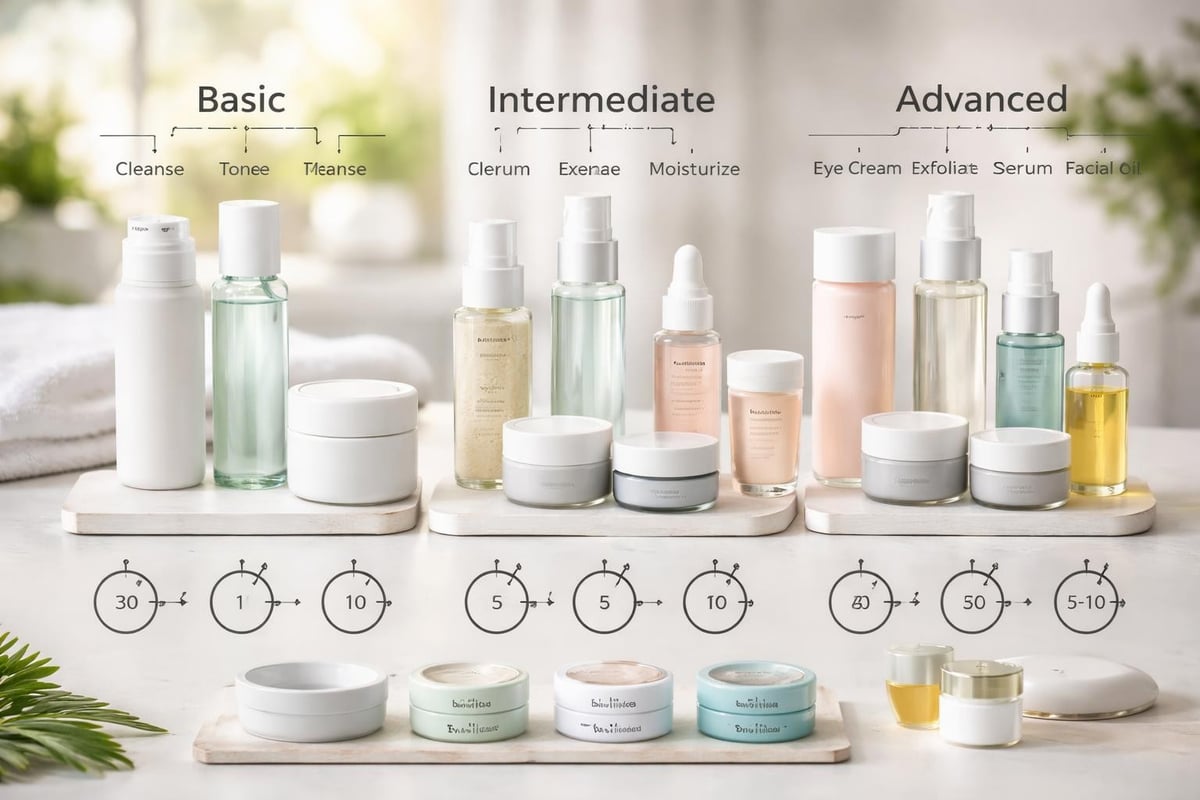
Good skincare brands UK shoppers love often provide comprehensive ranges that work together synergistically. A basic routine typically includes cleansing, toning, and moisturizing, but can be expanded based on individual needs.
Morning routines should focus on protection, incorporating antioxidants and SPF. Evening routines offer opportunities for deeper treatment with active ingredients that work overnight to repair and regenerate.
Natural and Organic Options
The demand for best all-natural skin products continues to grow as consumers become more conscious about what they're applying to their largest organ. Natural doesn't automatically mean better, but when formulated correctly, plant-based ingredients can be incredibly effective.
Distinguishing Natural from Organic
Understanding labeling terminology helps make informed decisions. "Natural" skincare typically contains plant-derived ingredients, whilst "organic" indicates ingredients grown without synthetic pesticides or fertilizers.
Common natural ingredients in quality UK brands:
- Rosehip oil for vitamin C and regeneration
- Hyaluronic acid for deep hydration
- Aloe vera for soothing and calming
- Jojoba oil for balancing and nourishing
- Green tea extract for antioxidant protection
The best non-toxic skincare brands prioritize clean formulations without parabens, sulfates, synthetic fragrances, or other potentially harmful additives.
Price Points and Value
Good skincare brands UK offers span every price category, proving that quality doesn't always require breaking the bank. According to Mintel's industry trends report, the cost of living crisis has influenced purchasing decisions, with consumers becoming more price-conscious whilst still prioritizing quality.
| Price Category | What to Expect | Investment Level |
|---|---|---|
| Budget (£5-15) | Basic formulations, larger product sizes | Best for testing and basics |
| Mid-range (£15-40) | Refined formulations, active ingredients | Excellent everyday value |
| Premium (£40-80) | Advanced actives, luxury experience | Targeted treatments |
| Luxury (£80+) | Exclusive ingredients, prestige packaging | Special occasion investment |
Value isn't determined by price alone. Consider cost per use, product longevity, and actual results when evaluating whether a product represents good value. A higher-priced product that lasts six months and delivers visible results may offer better value than a cheaper alternative requiring frequent replacement.
Finding Budget-Friendly Excellence
Inexpensive skin care doesn't mean compromising on quality or ethics. Many affordable brands deliver impressive results through smart formulation and minimal marketing costs rather than celebrity endorsements.
Shopping strategically during sales events, purchasing travel sizes to test products, and focusing on multi-use products can help maximize your skincare budget without sacrificing quality.
Sustainable and Ethical Practices
Environmental consciousness has moved from niche concern to mainstream priority. Good skincare brands UK consumers support increasingly demonstrate commitment to sustainability through packaging choices, ingredient sourcing, and manufacturing processes.
Packaging Innovation
Sustainable packaging solutions include:
- Recyclable glass containers
- Post-consumer recycled plastic
- Refillable systems
- Biodegradable materials
- Minimal or plastic-free packaging
Many brands now offer refill programs, allowing customers to purchase product refills in eco-friendly pouches that generate significantly less waste than traditional packaging. This reduces environmental impact whilst often providing cost savings.

Ethical Sourcing and Manufacturing
Transparency about supply chains has become essential for building consumer trust. Brands sharing detailed information about ingredient sourcing, fair trade partnerships, and manufacturing locations demonstrate accountability that resonates with today's conscious consumers.
The best vegan skin care products combine ethical ingredient sourcing with effective formulations, proving that compassion and results aren't mutually exclusive.
Addressing Specific Skin Concerns
Different skin concerns require targeted approaches. Good skincare brands UK produces excel at addressing specific issues with specialized formulations.
Anti-Ageing Solutions
Mature skin benefits from ingredients like retinol alternatives, peptides, and antioxidants that support natural collagen production and protect against environmental damage. Many brands now offer vegan alternatives to traditional anti-ageing ingredients.
Effective vegan anti-ageing ingredients:
- Plant retinol alternatives (bakuchiol)
- Vitamin C derivatives
- Peptide complexes
- Niacinamide for barrier support
- Plant stem cells for regeneration
Hydration and Moisture Balance
Proper hydration forms the foundation of healthy skin regardless of type. Moisturizer vegan options have evolved to include sophisticated formulations that rival traditional products.
Different skin types require varying levels of hydration. Oily skin benefits from lightweight, water-based moisturizers, whilst dry skin needs richer formulations with occlusive ingredients to lock in moisture.
Blemish-Prone Skin
Managing breakouts requires gentle yet effective approaches. Overly harsh products can damage the skin barrier, actually worsening acne over time. Look for brands offering balanced formulations with salicylic acid, niacinamide, or natural alternatives like tea tree oil.
Shopping Smart for Skincare
Making informed purchasing decisions requires research and sometimes a bit of trial and error. Understanding your priorities helps narrow down the overwhelming array of options available.
Reading Labels Effectively
Key information to check on skincare labels:
- INCI ingredient list (ingredients listed by concentration)
- Certification logos (vegan, cruelty-free, organic)
- Expiry dates and PAO (period after opening) symbols
- Country of manufacture
- Specific claims and supporting evidence
Ingredients near the top of the list appear in higher concentrations, whilst those at the end may be present in trace amounts. This helps evaluate whether advertised star ingredients are actually present in meaningful quantities.
Patch Testing and Introduction
Even the best formulated products can cause reactions in some individuals. Always patch test new products on a small area before full application. When introducing active ingredients, start slowly to allow your skin to adjust.
Supporting Local and Independent Brands
Shopping with smaller, independent British brands supports local businesses whilst often providing more personalized customer service and unique formulations. Many indie brands offer direct-to-consumer models that eliminate retailer markups, providing better value.
These brands frequently maintain closer connections with their customers, responding to feedback and creating products based on genuine customer needs rather than solely market trends. This customer-centric approach often results in thoughtfully formulated products that truly address real skincare concerns.
The White Rabbit Approach
Brands like White Rabbit Skin Care exemplify the commitment to quality and ethics that defines the best of British skincare. Specializing in face products for sensitive skin and natural formulations, they demonstrate how good skincare brands UK produces combine traditional quality with modern values.
Their focus on vegan ingredients, sustainable practices, and products suitable for various skin types reflects the evolving priorities of today's informed consumers. This approach to skincare development ensures products are both effective and aligned with ethical purchasing decisions.
Digital Resources and Community
Online communities and resources have transformed how we discover and evaluate skincare products. Social media platforms, dedicated forums, and review websites provide access to real user experiences and expert opinions.
Valuable online resources include:
- Ingredient analysis databases
- Customer review platforms
- Expert dermatologist advice columns
- Brand transparency tracking websites
- Skincare routine sharing communities
However, remember that everyone's skin is unique. What works brilliantly for one person might not suit another. Use online resources as starting points for research rather than definitive guides.
Future Trends in UK Skincare
The British skincare market continues evolving rapidly. Emerging trends for 2026 and beyond suggest increasing personalization through technology, continued growth in sustainable packaging innovation, and greater emphasis on skin barrier health rather than aggressive treatments.
Biotech ingredients developed through fermentation and cellular agriculture represent the next frontier in vegan skincare. These lab-grown alternatives to animal-derived ingredients offer identical molecular structures with guaranteed cruelty-free credentials.
The concept of 'skinimalism' continues gaining traction, with consumers preferring simplified routines using fewer, higher-quality products rather than extensive multi-step regimens. This shift benefits both skin health and environmental sustainability.
Making Your Selection
Choosing from the many good skincare brands UK offers ultimately depends on your individual needs, values, and budget. Prioritize brands that demonstrate transparency, ethical practices, and formulations suited to your specific skin type.
Don't feel pressured to purchase entire ranges immediately. Start with one or two key products, evaluate results over several weeks, and expand gradually. Building an effective skincare routine is a journey rather than a destination, requiring patience and willingness to adjust as your skin's needs change.
Consider factors beyond just the products themselves. Brand values, customer service quality, return policies, and educational resources all contribute to the overall experience and success of your skincare journey.
The abundance of good skincare brands UK produces in 2026 means finding products that align with your values and deliver real results has never been easier. Whether you prioritize vegan formulations, sustainable packaging, or scientifically backed ingredients, British brands offer excellent options across all categories and price points. If you're seeking natural, vegan skincare that doesn't compromise on quality or effectiveness, explore the thoughtfully curated range at White Rabbit Skin Care, where commitment to your skin's health and the planet's wellbeing come together beautifully.