

Good Natural Skin Care Products: Your Complete Guide
Finding good natural skin care products has become a priority for many of us seeking healthier, more sustainable beauty routines. The shift towards plant-based, vegan formulations isn't just a passing trend – it reflects a growing awareness of what we apply to our skin and how those choices impact our wellbeing and the planet. Whether you're managing sensitive skin, looking to reduce synthetic ingredients, or simply curious about natural alternatives, understanding what makes a natural product truly effective can transform your daily routine.
What Defines Good Natural Skin Care Products
The term 'natural' in skincare can mean different things to different brands, which is why understanding definitions matters. Good natural skin care products typically contain ingredients derived from plants, minerals, or other naturally occurring sources, formulated without harsh synthetic chemicals, parabens, or artificial fragrances.
In the UK and across Europe, cosmetic products must comply with EU cosmetics legislation, which sets strict safety standards regardless of whether products are marketed as natural or conventional. This regulatory framework ensures that even natural ingredients undergo rigorous safety assessments before reaching your bathroom shelf.
The Science Behind Natural Ingredients
Natural doesn't automatically mean better or safer – it's the quality, sourcing, and formulation that count. Plant-based ingredients offer remarkable benefits when properly processed and combined. Research shows that topical plant-based products can effectively address skin aging whilst delivering antioxidants, vitamins, and essential fatty acids.
Key components in effective natural formulations include:
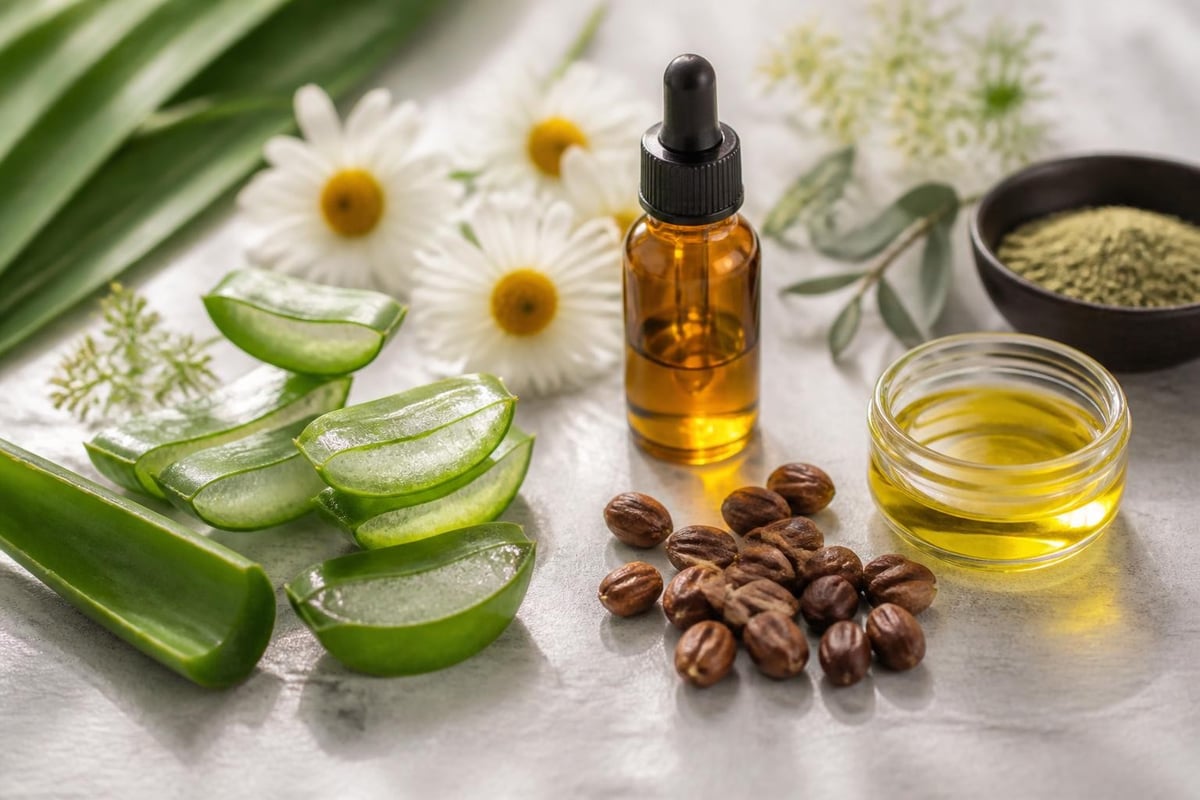
- Botanical oils rich in omega fatty acids (rosehip, jojoba, argan)
- Plant extracts with proven antioxidant properties (green tea, chamomile, calendula)
- Natural humectants that draw moisture to skin (aloe vera, glycerin derived from plants)
- Vitamin-rich ingredients supporting skin barrier function (sea buckthorn, carrot seed oil)
These ingredients work synergistically, meaning they often perform better together than individually. A well-formulated natural moisturiser, for instance, might combine hydrating aloe with nourishing plant oils and protective antioxidants.
Identifying Quality in Natural Formulations
Not all natural products deliver the same results. Quality depends on ingredient sourcing, extraction methods, formulation expertise, and preservation techniques. When evaluating good natural skin care products, several factors distinguish exceptional formulations from mediocre ones.
Ingredient Transparency and Sourcing
Reputable brands provide complete ingredient lists using INCI (International Nomenclature of Cosmetic Ingredients) names. This transparency allows you to research what you're applying to your skin. Look for companies that disclose:
- Where ingredients originate
- How they're extracted (cold-pressed oils retain more nutrients than heat-processed)
- Whether they're organic or wildcrafted
- Sustainability certifications and ethical sourcing practices
White Rabbit Skin Care, for example, prioritizes transparency in their vegan formulations, ensuring customers understand exactly what benefits each ingredient provides.
Certification Standards Worth Considering
Third-party certifications offer reassurance that products meet specific standards. The COSMOS standard provides comprehensive criteria for natural and organic cosmetics, covering ingredient sourcing, manufacturing processes, and environmental impact.
| Certification | What It Guarantees | Why It Matters |
|---|---|---|
| COSMOS Natural | Minimum 95% natural origin | Ensures authenticity of natural claims |
| Vegan Society | No animal ingredients or testing | Confirms ethical, plant-based formulation |
| Soil Association | Organic farming standards | Guarantees pesticide-free ingredients |
| Leaping Bunny | No animal testing | Verifies cruelty-free status across supply chain |
However, certification isn't mandatory for quality. Many excellent small brands produce outstanding good natural skin care products without formal certification due to cost constraints, so examining ingredient lists and company values remains essential.
Matching Natural Products to Your Skin Type
Different skin types require different approaches, even within natural skincare. Understanding your skin's specific needs helps you select formulations that deliver real results rather than disappointing performance.
For Dry and Sensitive Skin
Dry, sensitive skin thrives with rich, nourishing ingredients that strengthen the skin barrier whilst calming inflammation. Look for:
- Rich plant butters like shea, cocoa, or mango that provide intensive moisture
- Calming botanicals including chamomile, calendula, and oat extract
- Ceramide-rich oils such as rosehip and safflower that repair barrier function
- Minimal ingredient lists reducing potential irritation triggers
Choosing the right moisturizer matters greatly for dry skin types, and dermatologists recommend looking for formulations that lock in hydration without causing sensitivity.
The Coconut Rosehip Calming Cream exemplifies how thoughtful natural formulation can address multiple concerns simultaneously, combining deep hydration with skin-soothing properties.
For Oily and Combination Skin
Oily skin needs balance, not stripping. Good natural skin care products for this type focus on regulating sebum whilst maintaining necessary hydration.
Effective natural ingredients include:
- Jojoba oil (mimics skin's natural sebum, helping regulate production)
- Witch hazel and rose water (natural astringents without harsh alcohol)
- Tea tree and lavender (antibacterial properties supporting clear skin)
- Lightweight gel-based formulations with aloe or hyaluronic acid
Those with combination skin benefit from versatile products that hydrate dry areas without overwhelming oily zones, making multi-tasking natural formulations particularly valuable.
For Normal and Mature Skin
Even balanced skin needs maintenance, whilst mature skin requires targeted support. Natural antioxidants, vitamins, and gentle exfoliants keep normal skin healthy and address aging concerns effectively.
For mature skin specifically:
- Seek vitamin C-rich ingredients (rosehip, kakadu plum) supporting collagen
- Look for natural retinol alternatives (bakuchiol, carrot seed oil) promoting cell turnover
- Choose antioxidant-dense formulations (green tea, pomegranate, vitamin E)
- Incorporate gentle natural acids (fruit enzymes, lactic acid from plants)
Understanding Ingredient Safety and Effectiveness
The assumption that natural equals safe requires nuance. A systematic review of cosmetic ingredient toxicology reveals that both synthetic and natural ingredients can pose risks when improperly formulated or used. What matters is scientific understanding and responsible formulation.
Common Misconceptions About Natural Ingredients
Several myths persist about natural skincare that deserve clarification:
Myth 1: Natural products don't need preservatives Truth: Water-based natural products require preservation to prevent harmful bacterial growth. Natural preservatives like radish root ferment or potassium sorbate work effectively without synthetic parabens.
Myth 2: All essential oils are beneficial Truth: Essential oils are potent and can irritate sensitive skin. Good natural skin care products use them judiciously, in appropriate concentrations, and sometimes avoid them entirely for sensitive formulations.
Myth 3: Natural products work immediately Truth: Like conventional products, natural formulations often require consistent use over weeks to show visible results. Cell turnover cycles and skin barrier repair take time regardless of ingredient origin.
Potential Sensitivities and Patch Testing
Even the finest natural ingredients can cause reactions in some individuals. Before incorporating new products:
- Always patch test on inner forearm or behind ear for 24-48 hours
- Introduce one new product at a time to identify potential triggers
- Watch for redness, itching, or inflammation
- Remember that 'natural' fragrances from essential oils can be as problematic as synthetic ones for sensitive skin
The Scientific Committee on Consumer Safety regularly evaluates ingredients, providing evidence-based safety assessments that reputable brands use to guide formulation decisions.
Building an Effective Natural Skincare Routine
Creating a routine with good natural skin care products doesn't require dozens of items. Simplicity often yields better results than elaborate, complicated regimens that overwhelm both your skin and your budget.
The Essential Three-Step Foundation
A basic but effective routine includes:
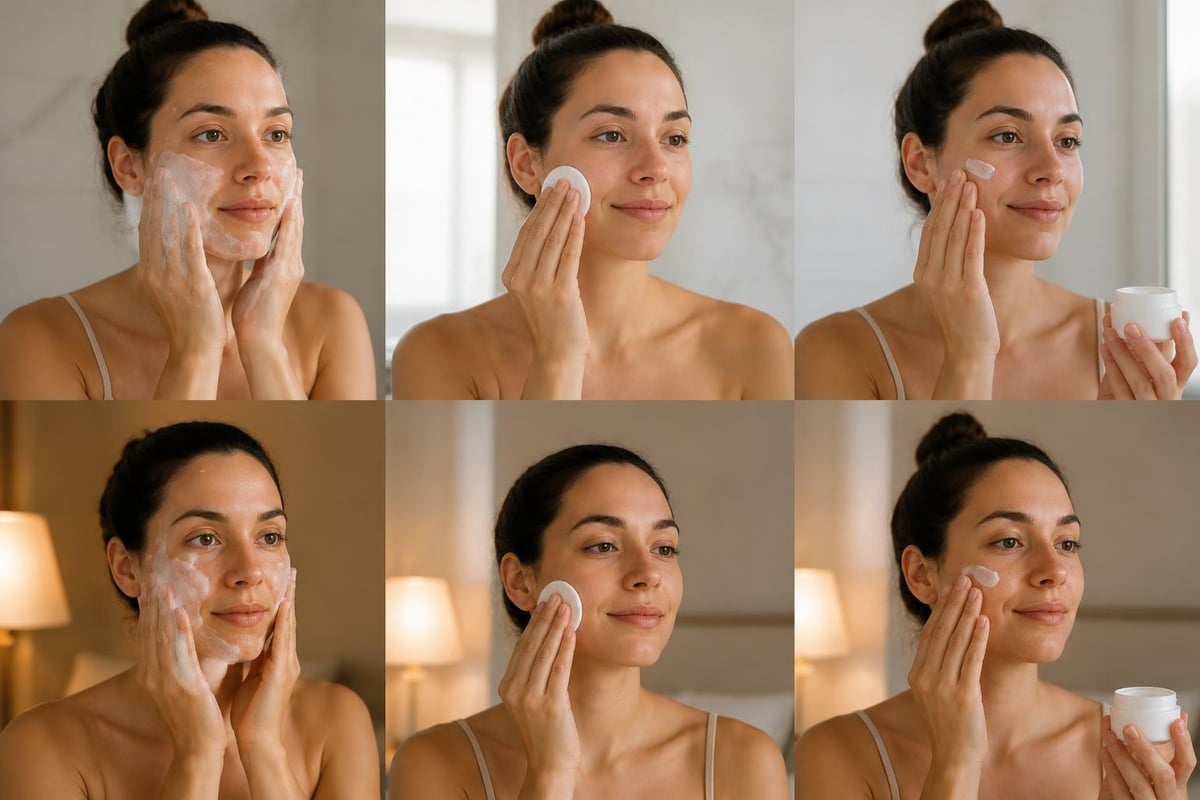
- Cleanse: Remove impurities without stripping natural oils
- Tone: Balance pH and prepare skin for moisture
- Moisturise: Lock in hydration and protect skin barrier
Natural cleansers using gentle surfactants derived from coconut or sugar effectively remove makeup and daily grime whilst maintaining skin's natural moisture balance. Following with a hydrating toner prepares skin to absorb subsequent products more effectively.
| Morning Routine | Evening Routine | Weekly Treatments |
|---|---|---|
| Gentle cleanser or water rinse | Oil or cream cleanser | Gentle exfoliation (1-2x) |
| Hydrating toner | Purifying toner | Nourishing mask |
| Lightweight moisturiser | Richer night cream | Targeted treatments |
| SPF (separate product) | Face oil (optional) | Extra hydration boost |
Layering Products Correctly
Product order matters for efficacy. Apply thinnest to thickest consistency, allowing each layer to absorb before adding the next:
- Water-based products first (toners, essences)
- Lightweight serums next
- Heavier creams or oils last
- SPF always final in morning routines
This sequencing ensures each product penetrates effectively rather than sitting on the surface. For guidance on optimal product use, exploring resources like how to use natural products can maximize your routine's effectiveness.
Sustainability and Ethical Considerations
Good natural skin care products extend beyond what's inside the bottle. Packaging choices, manufacturing practices, and company values increasingly influence purchasing decisions as we become more environmentally conscious.
Packaging and Waste Reduction
The beauty industry generates significant waste, but natural brands often lead sustainability efforts:
- Glass containers that preserve product integrity and are infinitely recyclable
- Refill programmes reducing single-use packaging
- Minimal packaging eliminating unnecessary boxes and plastic wrapping
- Biodegradable materials for unavoidable packaging components
Supporting brands committed to reducing environmental impact aligns personal skincare choices with broader ecological values. Many consumers now prioritise non-toxic skincare brands that demonstrate genuine environmental responsibility.
Cruelty-Free and Vegan Formulations
The distinction between cruelty-free and vegan matters:
Cruelty-free means no animal testing at any stage of production, whilst vegan means no animal-derived ingredients. Good natural skin care products increasingly embrace both standards, proving that effective formulations don't require animal exploitation.
Plant-based alternatives often perform as well or better than traditional animal-derived ingredients:
- Plant glycerin replaces animal-derived versions
- Squalane from olives or sugarcane replaces shark-derived squalene
- Fruit and vegetable waxes substitute beeswax
- Plant ceramides mirror those naturally found in skin
Shopping Smart for Natural Products
Navigating the crowded natural skincare market requires discernment. Marketing claims don't always match product reality, so knowing how to evaluate options protects both your investment and your skin.
Reading Labels Effectively
Ingredient lists appear in descending concentration order, with highest percentages first. This reveals whether highlighted star ingredients are truly significant or merely marketing props.
Red flags to notice:
- 'Natural fragrance' or 'parfum' high on ingredient lists (potential irritant)
- Impressive botanicals listed at the end after preservatives (minimal concentration)
- Vague terms like 'derived from natural sources' without specificity
- Long chemical names that sound synthetic (many natural ingredients have complex INCI names)
Where to Find Quality Natural Products
Shopping from reputable sources ensures authenticity and freshness. Consider:
- Direct from brands – often freshest products and full range availability
- Specialist natural retailers – curated selections meeting specific standards
- Verified online stockists – convenience with authenticity guarantees
- Physical shops allowing product testing and personalized advice
For those seeking trusted UK options, exploring best UK skincare brands provides curated recommendations from local companies committed to natural formulation excellence.
Investment vs. Value
Good natural skin care products often cost more than mass-market alternatives due to premium ingredient sourcing, smaller production batches, and ethical practices. However, price doesn't always equal quality.
Evaluating value involves:
- Cost per use (concentrated formulas last longer)
- Multi-purpose products reducing total items needed
- Ingredient quality and sourcing transparency
- Brand values aligning with personal priorities
- Proven efficacy through consistent results
Sometimes investing in high quality skin care means buying fewer, better products rather than accumulating numerous mediocre options that underperform.
Transitioning to Natural Skincare
Switching from conventional to natural products requires patience and realistic expectations. Your skin needs time to adjust, and finding your ideal routine involves some experimentation.
The Adjustment Period
When transitioning to good natural skin care products, some people experience a brief 'purging' phase as skin adjusts. This typically resolves within 2-4 weeks. During this period:
- Continue your routine consistently
- Avoid introducing multiple new products simultaneously
- Stay hydrated and maintain healthy sleep patterns
- Document changes to identify what works for your unique skin
If problems persist beyond a month, reassess whether specific ingredients might be causing issues rather than the natural approach itself.
Starting Your Natural Routine
Begin gradually rather than replacing everything overnight:
Week 1-2: Swap your cleanser to a natural alternative Week 3-4: Introduce a natural moisturiser suitable for your skin type Week 5-6: Add a natural toner between cleansing and moisturising Week 7+: Incorporate targeted treatments (serums, masks, exfoliants)
This methodical approach allows you to assess each product's individual impact and identify any sensitivities early. Samples and sets offer cost-effective ways to trial products before committing to full sizes.
When to Seek Professional Guidance
While good natural skin care products address many concerns, some conditions require professional assessment:
- Persistent acne or rosacea unresponsive to routine changes
- Sudden skin reactions or severe sensitivity
- Concerns about moles or unusual skin changes
- Chronic dryness or excessive oiliness despite appropriate products
Natural skincare complements but doesn't replace medical dermatology when skin health issues arise. For general questions about natural products, consulting resources like FAQs from trusted brands can provide helpful guidance.
Supporting Skin Health Holistically
Truly good natural skin care products work best alongside healthy lifestyle habits. External application is only part of the equation – what happens internally profoundly affects skin appearance and resilience.
Nutrition and Hydration
Your skin reflects overall health. Supporting it from within includes:
- Drinking adequate water (roughly 6-8 glasses daily, adjusted for activity)
- Eating antioxidant-rich foods (berries, leafy greens, nuts, seeds)
- Consuming healthy fats (avocados, olive oil, oily fish for omega-3s)
- Limiting inflammatory foods (excess sugar, processed items, alcohol)
These dietary choices provide the raw materials your skin needs to repair, renew, and maintain its protective barrier naturally.
Lifestyle Factors Affecting Skin
Several daily habits significantly impact how well even the best natural products can perform:
- Sleep quality: Cell repair and collagen production peak during deep sleep
- Stress management: Chronic stress triggers inflammation affecting skin clarity
- Sun protection: UV damage undermines skin health regardless of skincare routine
- Exercise: Improved circulation delivers nutrients to skin cells
- Environmental protection: Pollution and harsh weather require extra barrier support
Combining good natural skin care products with these lifestyle considerations creates comprehensive skin support far exceeding what products alone achieve.
The Future of Natural Skincare
Innovation in natural formulation continues advancing, bringing increasingly sophisticated products that rival or exceed conventional alternatives in performance. Emerging trends include:
Biotechnology and fermentation: Natural ingredients enhanced through fermentation become more bioavailable and potent whilst remaining plant-based. These processes unlock beneficial compounds that traditional extraction methods miss.
Waterless formulations: Concentrated products eliminating water reduce packaging, shipping impact, and preservation requirements whilst delivering more active ingredients per application.
Personalization: Understanding individual skin microbiomes and genetic factors allows customized natural formulations addressing specific needs rather than one-size-fits-all approaches.
Transparency technology: Blockchain and traceability systems let consumers verify ingredient sourcing and ethical claims, building trust in natural product markets.
These developments mean that good natural skin care products will continue improving, offering ever-better options for those seeking effective, sustainable, ethical skincare solutions. Staying informed through trusted sources and natural skin brands helps navigate this evolving landscape confidently.
Choosing good natural skin care products represents an investment in both personal wellbeing and environmental responsibility, but success requires understanding what makes formulations truly effective beyond marketing claims. By focusing on quality ingredients, appropriate formulations for your skin type, and reputable brands committed to transparency and sustainability, you'll build a routine that delivers genuine results whilst aligning with your values. White Rabbit Skin Care offers thoughtfully crafted vegan formulations combining the best of natural ingredients with proven efficacy, making it easier to embrace natural skincare without compromising on performance or ethics.