


Gentle Skincare for Sensitive Skin: The Essential 2026 Guide
If you find yourself battling redness, irritation, or unpredictable flare-ups, you are not alone. Navigating skincare when every product feels like a gamble can be overwhelming.
This essential 2026 guide is here to help you master gentle skincare for sensitive skin, giving you confidence and comfort in your daily routine. We will explore the science behind sensitivity, step-by-step routines, ingredient choices, and expert tips to calm and protect your skin.
Ready to discover solutions that truly work? Let's embark on this journey together for a healthier, happier complexion.
Understanding Sensitive Skin: Causes, Symptoms, and Triggers
Sensitive skin can sometimes feel like a moving target, with discomfort appearing out of nowhere. What exactly is sensitive skin, and how can we recognise and manage it? Let’s break down what it means, why it happens, and how to take the first steps toward gentle skincare for sensitive skin.

Defining Sensitive Skin
Sensitive skin isn’t just a marketing term, it’s a real dermatological concern. Clinically, it’s defined by heightened reactivity to products, weather, or even touch, often without an obvious cause. Common symptoms include redness, burning, stinging, dryness, and visible irritation. These sensations may come and go, making it tricky to predict flare-ups.
A recent study found that up to 60% of women and 40% of men in the UK report sensitive skin. If you notice these symptoms often, you’re not alone. For more insight into how many people experience these issues, see the Sensitive skin prevalence statistics. Recognising these signs is the first step toward gentle skincare for sensitive skin.
Root Causes of Sensitivity
Why does sensitive skin happen? Genetics play a big role, especially if your skin barrier is naturally weaker. Environmental factors, like pollution, harsh weather, or too much sun, can also stress your skin. Even your day-to-day life matters. Stress, certain foods, and some medications may increase your skin’s sensitivity.
When your skin barrier is compromised, irritants can sneak in more easily. That’s why gentle skincare for sensitive skin focuses on reinforcing this barrier and protecting your skin from external stressors.
Major Triggers to Avoid
Sensitive skin reacts strongly to certain ingredients and actions. Watch out for harsh skincare ingredients, such as alcohol, fragrance, or sulphates, which can strip and irritate your skin. Physical triggers include over-exfoliating, using rough towels, or washing with hot water. Even your environment can be a culprit, with allergens and irritants lurking in daily life.
Building a routine of gentle skincare for sensitive skin means steering clear of these triggers and choosing products designed to soothe, not stress, your skin.
How to Identify Your Unique Triggers
Everyone’s skin is different. To discover what bothers your skin, try patch testing new products on a small area first. Keep a skincare diary to spot patterns in reactions, noting any changes in products, weather, or stress. If your skin remains unpredictable, consulting a dermatologist can help you create a gentle skincare for sensitive skin plan tailored just for you.
Learning your skin’s signals can prevent future flare-ups and give you more confidence in your routine.
Impact on Quality of Life
Living with sensitive skin can affect more than just your complexion. Many people feel self-conscious about visible redness or irritation, which can lead to anxiety or frustration. The search for gentle skincare for sensitive skin often means trial and error, making it hard to find products that truly work.
But you’re not alone. By understanding sensitive skin and its triggers, you can take steps toward calm, comfortable skin and a more positive self-image.
Building a Gentle Skincare Routine: Step-by-Step for Sensitive Skin
Building a gentle skincare for sensitive skin routine can feel overwhelming, but with the right approach, you can nurture and protect your delicate complexion. Let’s walk through a calming, effective regimen designed to minimise irritation and support your skin’s natural barrier. If you’re unsure where to begin or want to tailor your steps even further, you may find How to build a skincare routine by skin type especially helpful.
Step 1: Gentle Cleansing
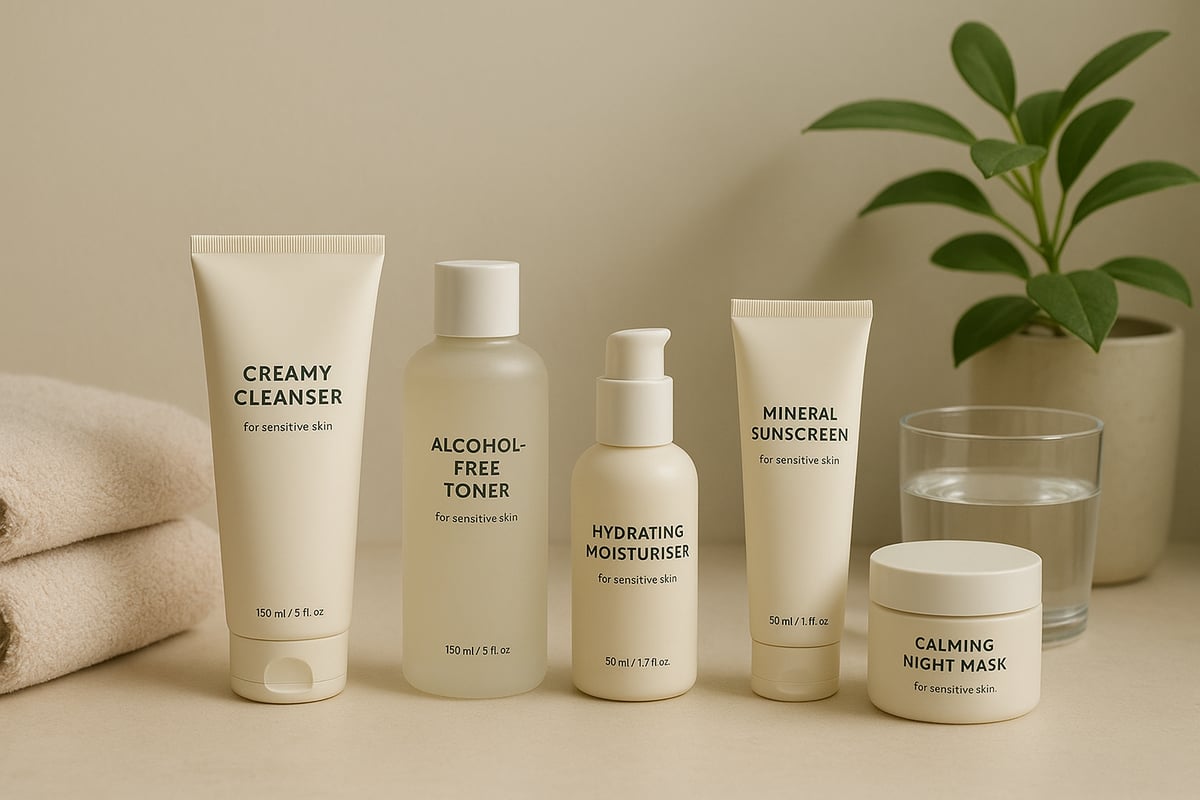
Cleansing is the first building block of gentle skincare for sensitive skin. Opt for a mild, fragrance-free cleanser that skips foaming agents and harsh surfactants. Cream or oil-based cleansers are excellent choices, as they help preserve your skin’s barrier and avoid stripping away essential moisture.
Use lukewarm water and a soft cloth to cleanse. Avoid rough towels or vigorous rubbing, which can trigger redness or discomfort. Gentle cleansing in the morning and night removes impurities while keeping your skin calm and comfortable. By prioritising gentle skincare for sensitive skin at this step, you set the stage for a healthier, more resilient complexion.
Step 2: Soothing and Balancing with Toners
Toners can be a soothing addition to your routine, especially if you choose alcohol-free options like rosewater or aloe vera. The right toner refreshes your skin and restores balance without causing stinging or dryness.
Pat the toner onto your face gently with your hands or a cotton pad. Rubbing can worsen sensitivity, so always use a light touch. Look for pH-balanced formulas, as they help maintain comfort and prepare your skin for the next steps in your gentle skincare for sensitive skin routine.
Step 3: Hydration and Moisturisation
Hydration is essential for gentle skincare for sensitive skin. Moisturisers with ceramides, hyaluronic acid, or squalane reinforce your barrier and deeply hydrate. Choose products with minimal, focused ingredient lists to reduce the risk of reactions.
Apply moisturiser while your skin is still slightly damp to lock in moisture. Layering can be helpful: start with lighter hydrating serums, then seal with a cream. Always check for common irritants and opt for fragrance-free, non-comedogenic formulas. Studies show that proper hydration can improve barrier function by up to 35 percent in sensitive skin.
Step 4: Sun Protection
Daily sun protection is a must for gentle skincare for sensitive skin. Mineral sunscreens with zinc oxide or titanium dioxide are often gentler and less likely to cause irritation than chemical filters.
Apply sunscreen every morning, even on cloudy days. Use at least a teaspoon for your face and neck, and reapply every two hours if you’re outdoors. Mineral formulas sit on top of the skin and deflect UV rays, making them a smart choice for those with sensitivities.
Step 5: Targeted Treatments (When Needed)
If you want to address specific concerns like redness or blemishes, introduce targeted treatments with care. Start with calming ingredients such as niacinamide or azelaic acid, but always patch test new products first.
Keep your routine simple. Too many actives or unnecessary steps can overload your skin and lead to flare-ups. Gentle skincare for sensitive skin means prioritising what your skin needs most and avoiding overcomplication.
Step 6: Night Care and Recovery
Night-time is when your skin repairs itself, so focus on recovery and comfort. Consider using an occlusive balm or a calming overnight mask to support barrier repair. If your skin feels especially sensitive, keep your night routine minimal and soothing.
Good sleep hygiene also plays a role in gentle skincare for sensitive skin. Restful sleep helps reduce stress and inflammation, giving your skin the best chance to heal and renew overnight. With consistency and care, your complexion can become calmer and more resilient.
Ingredient Guide: What to Embrace and What to Avoid
Choosing the right ingredients is the heart of gentle skincare for sensitive skin. With so many products on the shelves, it is easy to feel lost. The good news? A few key ingredients can make all the difference for your delicate complexion.
Hero Ingredients for Sensitive Skin
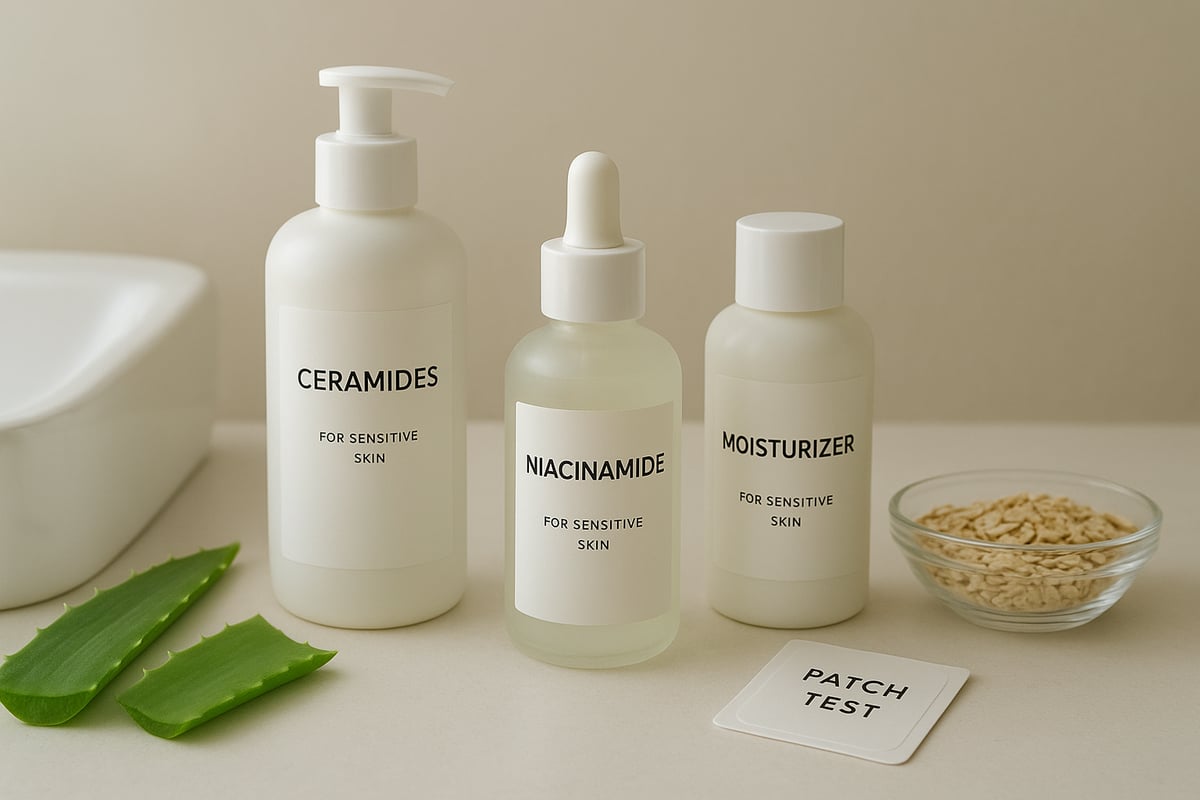
Let us start with what your skin will love. The best gentle skincare for sensitive skin focuses on ingredients that heal, hydrate, and protect.
- Ceramides: Essential for restoring and strengthening your skin barrier.
- Centella Asiatica & Colloidal Oatmeal: Both calm irritation and reduce redness.
- Allantoin & Panthenol: Soothe, soften, and help your skin recover from flare-ups.
- Glycerin & Hyaluronic Acid: Draw water into the skin, boosting hydration.
- Niacinamide: Balances, reduces redness, and supports barrier function.
When shopping, look for products with short, focused ingredient lists. If you need inspiration, check out the best skincare brands for sensitive skin for formulas that put these heroes front and centre.
Here is a quick table to help you:
| Embrace | Avoid |
|---|---|
| Ceramides | Fragrances |
| Colloidal Oatmeal | Essential Oils |
| Panthenol | Alcohol (denat, ethanol) |
| Glycerin | Sulphates |
| Niacinamide | Harsh Exfoliants |
Ingredients and Formulations to Avoid
Just as important as what you use is what you skip. The wrong ingredients can undo all your gentle skincare for sensitive skin efforts.
- Fragrances and Essential Oils: These are leading causes of irritation and allergic reactions.
- Alcohols and Astringents: They strip away moisture, leaving your skin dry and vulnerable.
- Sulphates and Harsh Exfoliants: Both physical and chemical types can damage your barrier.
- Dyes, Preservatives, and Parabens: Some preservatives are necessary, but always check current research and patch test.
If you see a long, complicated ingredient list, pause and review. Less is often more for gentle skincare for sensitive skin.
The Importance of Patch Testing
Patch testing is your secret weapon for gentle skincare for sensitive skin. It helps you spot potential reactions before they happen.
Here is a simple way to patch test:
- Dab a small amount of product behind your ear or on your inner arm.
- Wait 24-48 hours, watching for redness, itching, or swelling.
- If all is clear, you can try it on your face.
Did you know? Up to 70% of adverse reactions can be avoided with patch testing. Keep a diary of your results to spot patterns and protect your skin.
Reading Labels and Understanding Claims
Reading skincare labels can feel like learning a new language. For gentle skincare for sensitive skin, look for terms like “hypoallergenic”, “dermatologist-tested”, and “non-comedogenic”. However, these claims are not always regulated.
Always check ingredient lists for hidden irritants. Watch for names like “parfum”, “linalool”, or “limonene”, which often signal fragrance. Minimal, clear labelling is a good sign that a product is made with gentle skincare for sensitive skin in mind.
If in doubt, ask your pharmacist or dermatologist for advice. Your skin deserves the gentlest care, every single day.
Expert Strategies for Calming and Protecting Sensitive Skin
If you’re searching for ways to make gentle skincare for sensitive skin truly effective, expert strategies can make all the difference. By looking beyond products alone, we can build a routine and lifestyle that calms, soothes, and protects every day.
Environmental Protection
Environmental factors can be some of the biggest triggers for sensitive skin. Shielding your skin from pollution, strong winds, and sudden temperature changes is essential for gentle skincare for sensitive skin.
Simple steps like wearing a wide-brimmed hat, a scarf, or UV-protective sunglasses help minimise direct exposure. Barrier creams can provide an extra layer of defence when you’re outdoors, while a humidifier at home keeps the air moist and prevents your skin from drying out.
Try to avoid very hot showers and harsh indoor heating, as both can strip your skin’s natural moisture. Making these small adjustments can greatly reduce the risk of flare-ups and keep your skin feeling comfortable.
Lifestyle Adjustments
Lifestyle choices play a vital role in gentle skincare for sensitive skin. Eating anti-inflammatory foods, such as berries, fatty fish, and leafy greens, helps support your skin from within. Staying hydrated by drinking plenty of water each day also keeps your skin barrier strong.
Stress can quickly worsen sensitivity. Practising mindfulness, deep breathing, or gentle yoga may help you manage daily stress and reduce the chances of irritation. Don’t forget to check your makeup and personal care products for hidden irritants, and always opt for fragrance-free options whenever possible.
When to See a Dermatologist
Sometimes, gentle skincare for sensitive skin needs professional support. If you notice persistent redness, itching, or signs of conditions like eczema or rosacea, it’s time to consult a dermatologist.
A dermatologist can offer advanced patch testing, prescribe targeted treatments, and help you identify hidden triggers. Building a long-term partnership with a skin expert ensures that your routine evolves as your needs change, giving you confidence and peace of mind.
White Rabbit Skin Care: Natural Solutions for Sensitive Skin
For those seeking gentle skincare for sensitive skin, White Rabbit Skin Care is a trusted choice. The brand focuses on natural, vegan, and cruelty-free products formulated specifically for delicate skin types. Their range includes gentle cleansers, soothing moisturisers, and calming serums that avoid harsh chemicals and unnecessary additives.
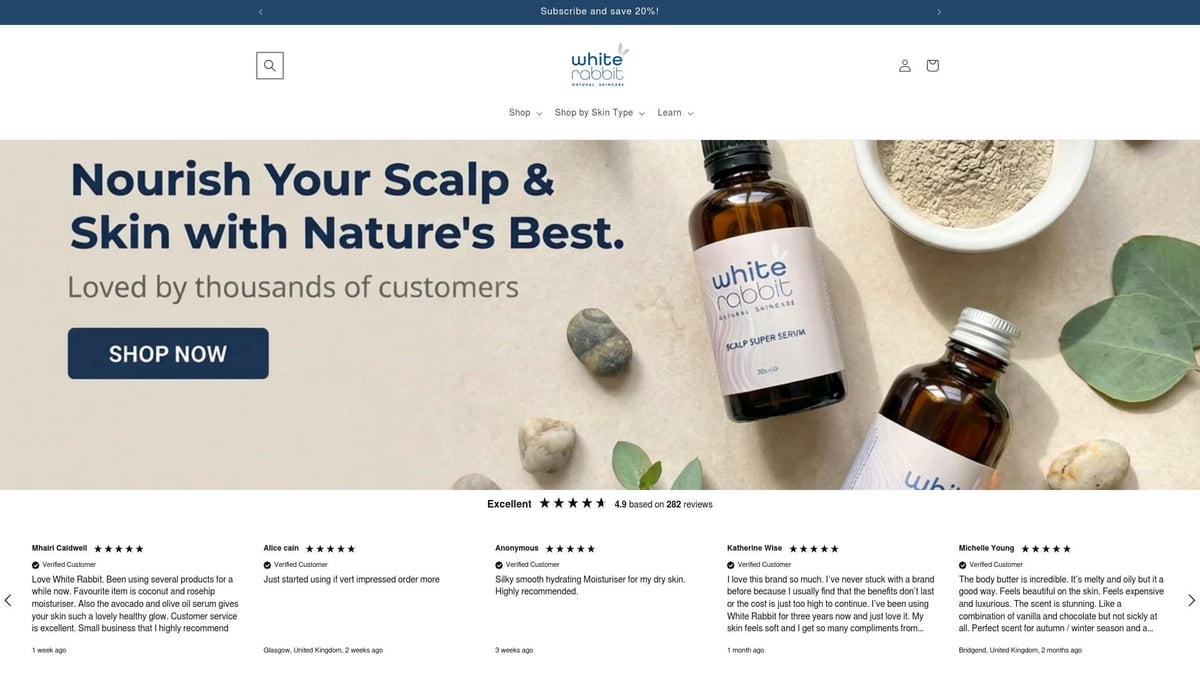
Customers consistently rate White Rabbit Skin Care highly, with a 4.9 out of 5 satisfaction score, praising noticeable improvements in redness and irritation. The company’s commitment to sustainability, transparent sourcing, and risk-free purchasing makes it easy to try new solutions with confidence.
Real-Life Success Stories
Many people have transformed their skin by embracing gentle skincare for sensitive skin and sticking to a consistent, simple routine. For example, some found relief by switching to non-foaming cleansers and layering lightweight moisturisers, while others benefited from keeping a skincare diary to track triggers.
Before-and-after stories often highlight the power of patience and small adjustments. By sharing these experiences, we remind ourselves that improvement is possible and that we’re not alone in our sensitive skin journey.
Product Recommendations and How to Choose Wisely
Finding the right products for gentle skincare for sensitive skin can feel overwhelming with so many options on the shelves. The right choices can make all the difference, helping you achieve calm, comfortable skin. Let’s break down how to choose wisely and what to look for in 2026.
Choosing the Right Products
Selecting products for gentle skincare for sensitive skin starts with understanding ingredients and transparency. Look for formulas with minimal, purposeful ingredients and avoid anything with unnecessary fillers or fragrances.
Check product reviews from people with similar skin concerns. Pay attention to how your skin responds, patch testing each new product before full use. If you want a shortcut, consider a curated Sensitive skin product bundle that groups gentle essentials together, making the decision process easier.
A simple checklist can help:
- Does it have a short, clear ingredient list?
- Are there reviews from people with sensitive skin?
- Is it free from common irritants?
Building gentle skincare for sensitive skin starts with these mindful choices.
Top Categories for Sensitive Skin
When building a routine, focus on product categories that support gentle skincare for sensitive skin. Creamy, non-foaming cleansers help maintain the skin barrier. Moisturisers should be fragrance-free and packed with barrier-repairing ingredients like ceramides.
For sun protection, mineral-based sunscreens with zinc oxide or titanium dioxide are best, as they are less likely to irritate. When choosing serums, opt for calming and hydrating formulas with ingredients like panthenol or centella asiatica.
Here's a quick comparison:
| Category | Best for Sensitive Skin | Ingredients to Seek |
|---|---|---|
| Cleanser | Creamy, non-foaming, pH-balanced | Glycerin, squalane |
| Moisturiser | Fragrance-free, barrier repair | Ceramides, hyaluronic acid |
| Sunscreen | Mineral-based, non-comedogenic | Zinc oxide, titanium dioxide |
| Serum | Calming, hydrating | Panthenol, centella asiatica |
Prioritise these categories for a solid gentle skincare for sensitive skin routine.
Navigating Certifications and Claims
Understanding certifications is key for gentle skincare for sensitive skin. Look for labels such as cruelty-free, vegan, and allergy-tested. However, be cautious, as not all certifications are created equal.
Verify authenticity by checking official certification bodies or scanning product barcodes using trusted apps. Genuine certifications provide peace of mind, especially when your skin is sensitive to unknown ingredients.
Some common, trustworthy certifications include:
- Leaping Bunny (cruelty-free)
- Vegan Society
- Allergy UK Seal
Spot these on your gentle skincare for sensitive skin products for added reassurance.
Shopping Tips for 2026
Shopping for gentle skincare for sensitive skin in 2026 is easier than ever, thanks to online resources and improved transparency. Buy from reputable UK retailers or directly from trusted brand websites. Take advantage of samples, travel sizes, and return policies to test before committing.
Many brands now offer personalised quizzes or consultations to help you find products tailored to your needs. Utilise these tools to build a routine that truly works for your gentle skincare for sensitive skin journey.
Remember, investing a little extra time upfront saves frustration and discomfort later.
Budget-Friendly vs. Premium Options
Gentle skincare for sensitive skin does not have to break the bank. Affordable brands often offer fragrance-free, minimal ingredient formulas that work just as well as luxury lines. Compare value packs or subscription services to save on ongoing care.
Premium options may include special actives or eco-friendly packaging, but always check if the added benefits justify the price. The most important factor is how your skin feels, not the label or price tag.
Find the balance that suits your lifestyle and budget, keeping gentle skincare for sensitive skin at the heart of every purchase.
Avoiding Marketing Hype
Marketing can be overwhelming, especially when searching for gentle skincare for sensitive skin. Watch for red flags such as “miracle cure” claims or vague promises. Stick to science-backed products and avoid those with hidden irritants or unproven trends.
Look for clear evidence, such as clinical studies or dermatologist recommendations. Trust your instincts and do not be swayed by flashy packaging or influencer hype.
By focusing on facts and your own experience, you will build a gentle skincare for sensitive skin routine that is truly effective.
Adapting Your Routine: Special Considerations for 2026 and Beyond
Adapting your gentle skincare for sensitive skin is an ongoing process, especially as we step into 2026. Our skin never stands still, so your routine should evolve with it. Let’s explore how to stay ahead of the curve and keep your complexion happy, healthy, and resilient.
Adapting to Changing Skin Needs
Our skin changes over time, and so should our approach to gentle skincare for sensitive skin. Ageing, hormonal shifts, and even the weather can influence how your skin reacts. In your twenties, you might notice occasional flare-ups, while in your forties or fifties, dryness and sensitivity may become more pronounced.
To adapt, keep a close eye on how your skin feels throughout the year. Swap lighter moisturisers for richer creams in winter, and consider calming serums during hormonal changes. Remember, gentle skincare for sensitive skin means listening to your skin’s signals and making small adjustments for comfort and balance.
The Rise of Personalised Skincare
Personalisation is transforming gentle skincare for sensitive skin. AI-powered skin analysis, DNA testing, and microbiome assessments are making it easier to find products tailored just for you. Imagine an app that analyses your skin’s needs in real time, or a serum formulated for your unique genetic makeup.
These advances help us avoid ingredients that might trigger sensitivity and discover what truly works. As brands embrace technology, personalised gentle skincare for sensitive skin becomes more accessible, giving you greater control and confidence in your daily routine.
Sustainable and Ethical Skincare Choices
Choosing sustainable and ethical options is now central to gentle skincare for sensitive skin. More brands offer recyclable packaging, refillable containers, and responsibly sourced ingredients. Cruelty-free and vegan certifications are easier to find, reflecting a shift towards mindful beauty.
When shopping, look for transparent labelling and brands committed to ethical practices. Supporting these companies not only benefits your skin but also the planet. Making sustainable choices is a natural extension of gentle skincare for sensitive skin, helping you care for yourself and the world around you.
Innovations to Watch
The world of gentle skincare for sensitive skin is always evolving. Keep an eye out for new ingredients like encapsulated actives, which deliver benefits with less risk of irritation. Waterless formulas and minimalist routines are trending, offering effective care with fewer products and less waste.
For those interested in the science behind these changes, the Sensitive skin syndrome update provides valuable insights into ongoing research and treatment advances. By staying informed, you can embrace innovations that truly support your sensitive skin.
Community Support and Resources
You’re not alone on your gentle skincare for sensitive skin journey. Online forums, support groups, and social media communities offer advice, product reviews, and encouragement. These spaces make it easier to share experiences, ask questions, and find the latest tips.
Seek out professional advice when needed, especially if you’re facing persistent issues. Connecting with others helps you feel understood and empowered, making your gentle skincare for sensitive skin routine more effective and enjoyable.