

Facial Brands: Choosing the Right Skincare for You
The skincare landscape has never been more vibrant or more complex. As we navigate 2026, the choices facing consumers looking for facial brands have expanded dramatically, with everything from heritage names to innovative indie labels vying for attention. Whether you're searching for your first proper skincare routine or looking to upgrade your existing collection, understanding what sets different facial brands apart can transform your approach to skin health. This journey isn't just about finding products that work; it's about discovering brands whose values align with yours and whose formulations genuinely support your skin's unique needs.
Understanding the Modern Facial Brands Landscape
The beauty industry has undergone a remarkable transformation over the past decade. Today's facial brands are held to higher standards than ever before, with transparency, sustainability, and efficacy forming the cornerstone of consumer expectations.
Modern consumers want to know exactly what they're putting on their skin. This shift towards ingredient consciousness has prompted many facial brands to reformulate their products, removing questionable ingredients and embracing cleaner, more traceable components. Plant-based actives have moved from niche to mainstream, with brands recognising that natural doesn't mean ineffective.
The Rise of Vegan and Cruelty-Free Options
The vegan skincare movement has fundamentally reshaped how facial brands approach product development. In 2026, it's no longer enough to simply avoid animal testing; consumers expect complete transparency about every ingredient's origin.
Key factors driving this change include:
- Growing awareness of animal welfare issues in cosmetics production
- Recognition that plant-based ingredients can deliver exceptional results
- Environmental concerns about animal agriculture's impact
- Regulatory changes making cruelty-free practices more standardised
The best UK skincare brands have responded by creating comprehensive vegan ranges that don't compromise on performance. These formulations often incorporate innovative botanical extracts that rival or exceed traditional animal-derived ingredients.
What Defines Quality in Facial Brands
Not all skincare is created equal. When evaluating facial brands, several critical factors separate exceptional products from mediocre ones.
Ingredient quality sits at the heart of any worthwhile skincare range. Premium facial brands invest in sourcing the finest botanical extracts, ensuring each ingredient is harvested at peak potency and processed to maintain its beneficial properties. This attention to detail often means working directly with growers or using organic, wild-harvested materials.
Formulation Science and Skin Health
Recent research into the skin microbiome has revolutionised how thoughtful facial brands approach product development. We now understand that our skin hosts a complex ecosystem of beneficial bacteria that play crucial roles in maintaining skin health, barrier function, and even appearance.
Progressive brands formulate products that support, rather than disrupt, this delicate balance. This means avoiding harsh surfactants, choosing pH-appropriate formulations, and incorporating prebiotic ingredients that nourish beneficial skin flora.
| Formulation Aspect | Traditional Approach | Microbiome-Friendly Approach |
|---|---|---|
| Cleansing | Strong detergents | Gentle, pH-balanced cleansers |
| Preservation | Broad-spectrum antimicrobials | Selective preservatives |
| Active Delivery | High concentrations | Balanced, barrier-supporting doses |
| Fragrance | Synthetic fragrances | Natural essential oils or fragrance-free |
The difference in approach reflects a more holistic understanding of skin health. Rather than simply targeting individual concerns, modern facial brands aim to support overall skin resilience and function.
Choosing Facial Brands for Your Skin Type
Your skin type should be the primary guide when selecting from the array of facial brands available. Each skin type has distinct needs, and the best brands offer targeted solutions rather than one-size-fits-all approaches.
Dry and Sensitive Skin
If you experience tightness, flaking, or reactivity, look for facial brands that specialise in sensitive face products. These formulations typically feature:
- Rich, nourishing oils like rosehip, camellia, or avocado that restore the skin's lipid barrier
- Soothing botanicals such as chamomile, calendula, or rose that calm inflammation
- Minimal ingredient lists reducing the risk of irritation
- Fragrance-free options or those scented only with gentle essential oils
Brands focusing on dry, sensitive skin understand that less is often more. They avoid harsh exfoliants, drying alcohols, and potential irritants, instead building formulations around deeply hydrating and protective ingredients.
Oily and Combination Skin
Contrary to popular belief, oily skin still needs moisture. The key is finding facial brands that understand how to balance and regulate sebum production without stripping the skin.
Look for lightweight formulations containing ingredients like:
- Niacinamide for pore refinement
- Willow bark or salicylic acid for gentle exfoliation
- Hyaluronic acid for hydration without heaviness
- Clay-based treatments for periodic deep cleansing
Combination skin requires particular flexibility, with products that can address both oily and dry zones. Smart facial brands create versatile products that balance these different needs effectively.

Sustainability and Packaging Innovation
Environmental responsibility has become non-negotiable for forward-thinking facial brands. In 2026, sustainability encompasses everything from ingredient sourcing to packaging disposal.
The Packaging Revolution
According to industry analysis on the future of beauty packaging, consumers increasingly favour brands that prioritise refillable, recyclable, or biodegradable packaging solutions. This shift has prompted facial brands to completely reimagine their approach to product presentation.
Progressive packaging strategies include:
- Glass containers that can be endlessly recycled or repurposed
- Aluminium tubes offering both recyclability and product protection
- Refill programmes reducing packaging waste by up to 70%
- Minimal packaging eliminating unnecessary outer boxes and plastic components
- Biodegradable materials for items that must be disposable
The most innovative facial brands are going beyond simply choosing better materials. They're designing entire systems that encourage reuse, offering incentives for customers who return empties and creating beautiful packaging that consumers genuinely want to keep and refill.
Regulatory Compliance and Safety Standards
The regulatory landscape for facial brands has evolved significantly, particularly with recent changes to cosmetics legislation. The implementation of the Modernization of Cosmetics Regulation Act has introduced stricter requirements for product listing, adverse-event reporting, and safety substantiation.
Reputable facial brands welcome these changes because they level the playing field and protect consumers. When choosing skincare, look for brands that:
- Clearly list all ingredients using INCI nomenclature
- Provide transparent information about product testing and safety substantiation
- Maintain proper facility registrations and quality control procedures
- Respond promptly to any safety concerns or adverse events
These regulatory frameworks ensure that the facial brands you trust are genuinely committed to consumer safety, not just marketing claims.
Price Points and Value Considerations
The cost of facial brands varies enormously, from budget-friendly options to ultra-premium luxury ranges. Understanding what you're actually paying for helps you make informed decisions.
| Price Category | Typical Features | Best For |
|---|---|---|
| Budget (Under £15) | Simple formulations, basic packaging | Single-ingredient products, basics |
| Mid-Range (£15-40) | Quality ingredients, thoughtful formulation | Most daily skincare needs |
| Premium (£40-80) | Advanced actives, elegant packaging | Targeted treatments, special occasions |
| Luxury (£80+) | Rare ingredients, extensive research | Those wanting ultra-premium experiences |
Interestingly, inexpensive skin care brands can offer excellent value when they focus on simple, effective formulations without excessive marketing costs. The key is understanding that higher price doesn't automatically guarantee better results.
Value isn't just about the initial purchase price. Consider concentration, longevity, and whether a product actually delivers on its promises. A moderately priced serum that lasts three months and produces visible results offers better value than a cheap cream that irritates your skin or requires double the amount to be effective.
Building Your Ideal Skincare Routine
Successfully incorporating products from various facial brands into a cohesive routine requires some strategic thinking. The good news is that you don't need to stick to a single brand for all your products.
The Core Three-Step Approach
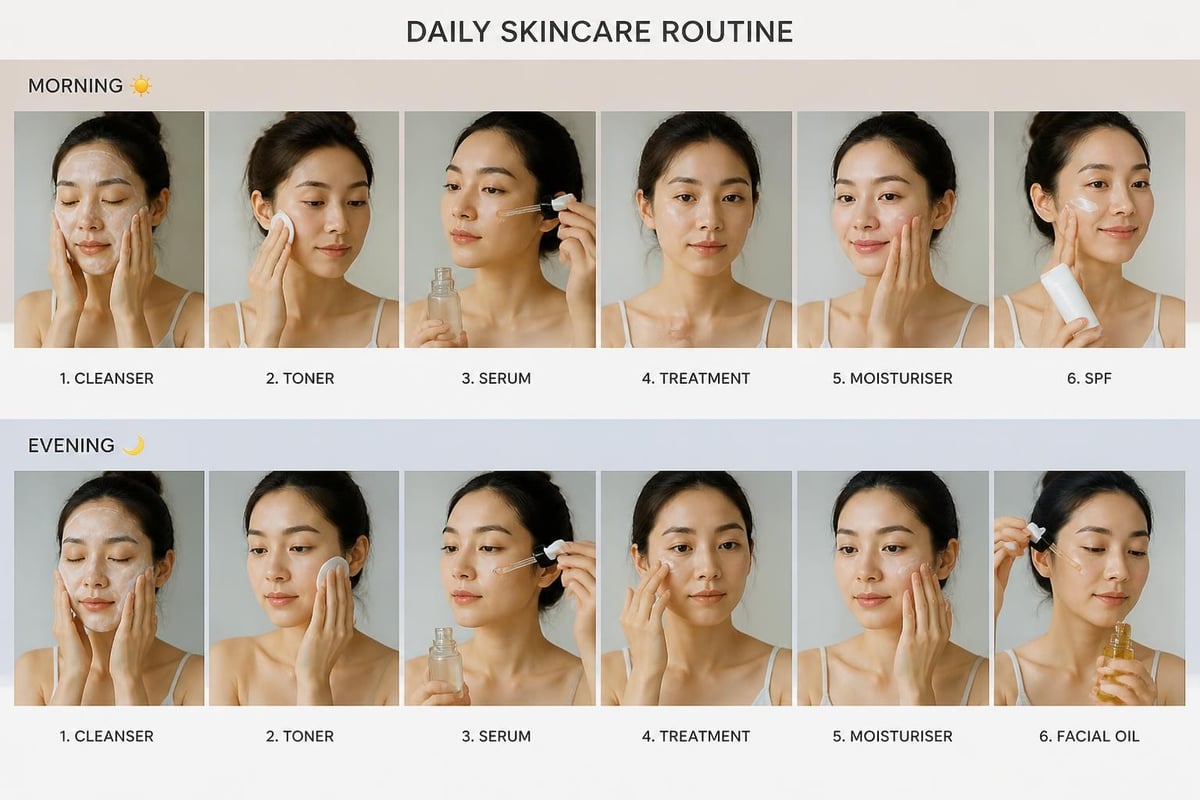
Every effective routine includes three fundamental steps:
- Cleansing to remove impurities, makeup, and environmental pollutants
- Toning to balance pH and prepare skin for subsequent products
- Moisturising to hydrate, protect, and seal in beneficial ingredients
Quality cleansers form the foundation of healthy skin. Double cleansing has become increasingly popular, starting with an oil-based cleanser to dissolve makeup and sebum, followed by a water-based cleanser to refresh and purify.
Toners have evolved far beyond the harsh, astringent formulations of the past. Modern toners from thoughtful facial brands deliver hydration, antioxidants, and skin-balancing ingredients that genuinely enhance your routine.
Specialised Treatments and Targeted Solutions
Beyond the basics, many facial brands offer specialised products addressing specific concerns. These targeted treatments can elevate your routine from good to exceptional.
Eye Care
The delicate eye area requires special attention. Facial brands create dedicated eye products with lighter textures and specific active ingredients targeting dark circles, fine lines, and puffiness. Look for formulations containing peptides, caffeine, or vitamin K that address these common concerns without causing irritation.
Serums and Intensive Treatments
Serums represent concentrated doses of active ingredients, allowing facial brands to deliver powerful results in lightweight formulations. Popular options include:
- Vitamin C for brightness and antioxidant protection
- Hyaluronic acid for intense hydration
- Retinol alternatives for gentle cell renewal
- Niacinamide for pore refinement and barrier support
The vegetarian skin care products category has expanded dramatically, with plant-based serums proving that you don't need animal-derived ingredients for transformative results.
The Importance of Patch Testing and Transition
When exploring new facial brands, patience and proper testing protect your skin from potential reactions. Even the most gentle, natural products can cause sensitivity in some individuals.
Always patch test new products before full-face application. Apply a small amount to your inner forearm or behind your ear, waiting 24-48 hours to check for any reaction. This simple step can prevent disappointing or uncomfortable experiences.
When transitioning between facial brands or introducing new products:
- Add only one new product at a time, spacing introductions by at least a week
- Start with less frequent application, building up as your skin adjusts
- Keep a skincare journal noting any changes in skin condition
- Be patient, allowing 4-6 weeks to properly assess a product's effectiveness
Natural and High-Performance Ingredients
The distinction between "natural" and "effective" has blurred significantly as facial brands demonstrate that botanical ingredients can deliver exceptional performance. High-end skin products increasingly feature plant-based actives that rival synthetic alternatives.
Powerhouse Botanicals
Several plant ingredients have emerged as skincare superstars:
Rosehip oil delivers essential fatty acids and vitamins that support skin regeneration and reduce the appearance of scarring. Its lightweight texture suits most skin types whilst providing deep nourishment.
Hyaluronic acid, though it sounds synthetic, is often derived from plant sources and holds up to 1000 times its weight in water, providing unparalleled hydration.
Bakuchiol has gained recognition as a natural alternative to retinol, offering similar cell-renewal benefits without the sensitivity concerns.
Sea buckthorn provides an extraordinary nutrient profile, including rare omega-7 fatty acids that support skin barrier function and healing.
Progressive facial brands are investing in research to unlock the potential of traditional botanicals, often working with ethnobotanists to discover ingredients used for centuries in various cultures.
Reading Labels and Understanding Claims
The ability to decode product labels empowers you to make informed choices amongst the vast array of facial brands. Marketing language can be misleading, but understanding what terms actually mean cuts through the noise.
| Claim | What It Really Means | What to Verify |
|---|---|---|
| "Natural" | Contains some natural ingredients | Percentage of natural content; specific ingredients |
| "Organic" | Contains certified organic ingredients | Certification body; percentage certified |
| "Hypoallergenic" | Less likely to cause allergic reactions | Independent testing; fragrance-free status |
| "Dermatologically tested" | A dermatologist has assessed the product | Scope of testing; results |
| "Clinically proven" | Some form of testing conducted | Study size; methodology; specific claims tested |
Reputable facial brands provide detailed ingredient lists in descending order of concentration. The first five ingredients typically constitute the bulk of the formulation, so these deserve special attention.
Supporting Small and Independent Brands
Whilst major facial brands dominate shelf space, independent producers often lead innovation in natural, sustainable skincare. These smaller operations typically offer:
- More direct relationships with ingredient suppliers
- Greater flexibility to reformulate based on new research
- Stronger commitment to ethical practices
- More personalised customer service
- Unique formulations not found in mass-market products
Supporting sensitive skin skincare brands that operate independently often means accessing formulations specifically designed for underserved skin types and concerns.
Independent facial brands frequently offer sample programmes or discovery sets, allowing you to trial products before committing to full sizes. This approach reduces waste whilst helping you find your perfect match.
Seasonal Adjustments and Routine Flexibility
Your skin's needs aren't constant throughout the year. The most effective approach to using facial brands involves adjusting your routine seasonally and responding to changes in your skin's condition.
Winter Considerations
Cold weather and indoor heating strip moisture from skin. During winter months:
- Switch to richer, more emollient moisturisers
- Add facial oils to boost barrier protection
- Use gentle, non-foaming cleansers that don't strip natural oils
- Consider overnight masks for intensive hydration
Summer Adaptations
Warmer weather and increased sun exposure require different support:
- Opt for lighter, gel-based moisturisers
- Never skip SPF protection
- Incorporate antioxidant serums to combat UV damage
- Use gentle exfoliation to manage increased perspiration
Smart facial brands often offer seasonal variations or provide guidance on adapting their core products for different conditions.
The Role of Professional Guidance
Whilst exploring facial brands independently is entirely possible, professional input can accelerate your journey to healthy skin. Aestheticians and dermatologists bring valuable expertise to product selection and routine design.
Many facial brands offer consultation services, either in-person at stockists or virtually. These sessions can help you understand your skin type, identify specific concerns, and create a targeted routine using appropriate products.
If you're dealing with persistent skin issues like acne, rosacea, or dermatitis, professional medical advice should always take precedence over product experimentation. Dermatologists can recommend specific facial brands or ingredients suitable for medical-grade skincare needs.
Creating Sustainable Skincare Habits
Beyond choosing the right facial brands, building sustainable habits ensures long-term skin health and reduces environmental impact.
Consistency matters more than complexity. A simple routine followed daily outperforms an elaborate regimen used sporadically. Select facial brands whose products you genuinely enjoy using, making your routine something you look forward to rather than a chore.
Proper storage extends product life. Keep skincare away from direct sunlight and heat, ensuring active ingredients remain potent. Many facial brands package products in protective packaging, but your storage habits still matter.
Use products completely before purchasing replacements. This reduces waste and helps you properly assess whether a product deserves repurchasing. Keep non-toxic skincare brands in rotation by finishing items systematically.
Making the Switch to Cleaner Options
If you're transitioning from conventional to natural facial brands, the process needn't be overwhelming. A gradual approach allows your skin to adjust whilst you discover what works best.
Start by replacing your most-used products first. For most people, this means beginning with cleanser and moisturiser, the foundation of any routine. Once you've found options that suit your skin, gradually introduce other products like serums, treatments, and masks.
Many people experience a brief adjustment period when switching to natural facial brands. Your skin may need several weeks to recalibrate, particularly if you've been using products with synthetic fragrances, silicones, or harsh surfactants. Patience during this transition typically rewards you with healthier, more balanced skin.
Choosing the right facial brands transforms your skincare journey from guesswork into a purposeful path towards healthier skin. By prioritising transparency, sustainability, and formulations tailored to your specific needs, you're investing in both your wellbeing and the planet's future. White Rabbit Skin Care embodies these principles, offering natural, vegan products crafted with integrity and care. Explore their thoughtfully formulated range and discover skincare that aligns with your values whilst delivering genuine results.