

Face Products: Your Complete Guide to Natural Skincare
Navigating the world of face products can feel overwhelming, especially with the sheer volume of options available in 2026. Whether you're building your first skincare routine or refining an existing one, understanding what your skin truly needs is essential. The good news is that choosing the right face products doesn't have to be complicated. By focusing on natural, vegan formulations that respect both your skin and the environment, you can create a routine that delivers real results whilst aligning with your values. This guide will help you understand the essentials, decode ingredients, and build a face care regimen that works for your unique skin type.
Understanding Your Skin Type and Needs
Before investing in any face products, you need to identify your skin type. This foundational step determines which formulations will work best for you.
The four main skin types are:
- Oily skin: Produces excess sebum, often leading to shine and enlarged pores
- Dry skin: Lacks moisture, may feel tight or flaky
- Combination skin: Exhibits both oily and dry characteristics in different zones
- Sensitive skin: Prone to redness, irritation, or reactions
Most people discover their skin type through simple observation. Oily skin typically shows shine across the T-zone within hours of cleansing, whilst dry skin feels tight after washing. Combination skin presents the trickiest challenge, with an oily T-zone but dry cheeks.
Seasonal Changes and Skin Evolution
Your skin type isn't fixed forever. Environmental factors, hormones, diet, and age all influence how your skin behaves. You might find your skin requires different care during winter months compared to summer.
Many people notice their skin becomes drier in cold weather or more reactive during stressful periods. This means your face products routine should be flexible, adapting to your skin's changing needs rather than remaining static year-round.
Essential Face Products for Every Routine
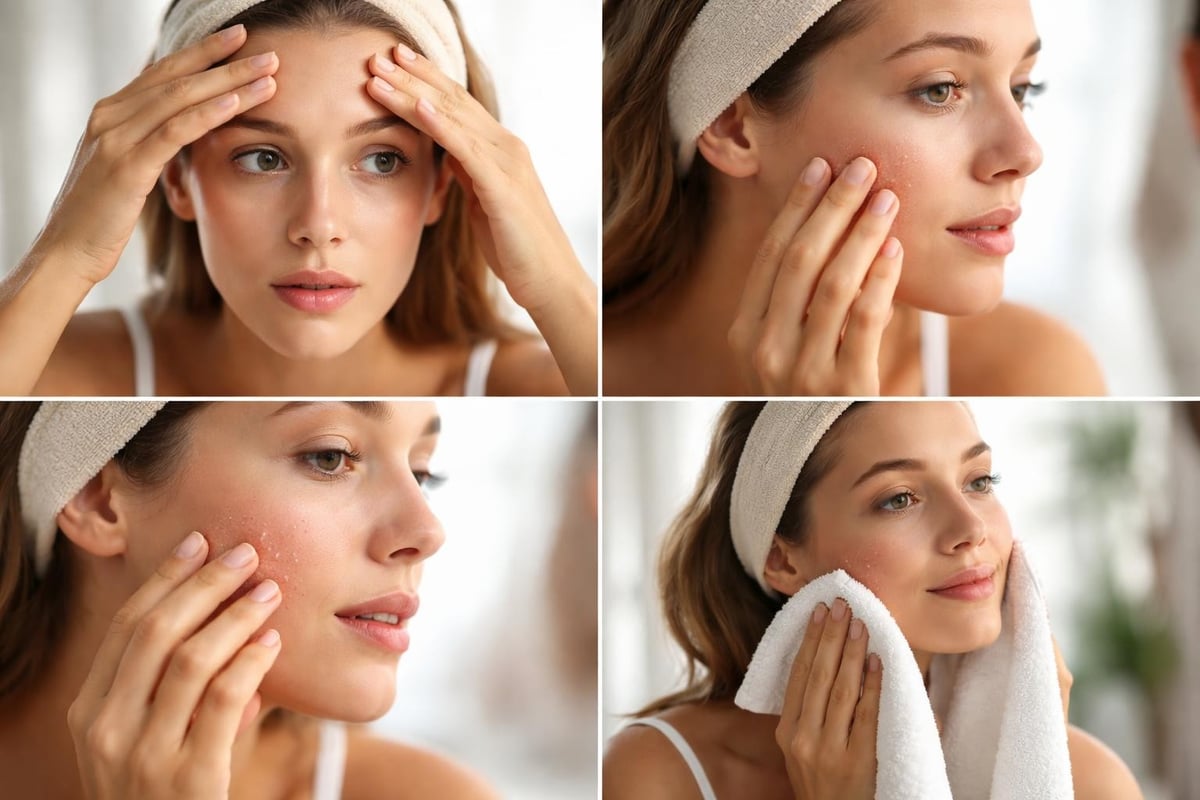
A basic skincare routine doesn't require dozens of products. Three core face products form the foundation of effective skin care.
Cleansers: The Starting Point
Cleansing removes dirt, oil, makeup, and environmental pollutants that accumulate throughout the day. The right cleanser for your skin type makes all the difference.
| Skin Type | Recommended Cleanser Type | Key Benefits |
|---|---|---|
| Oily | Gel or foaming formula | Controls excess oil without stripping |
| Dry | Cream or oil-based cleanser | Cleanses whilst adding moisture |
| Combination | Gentle gel cleanser | Balances different facial zones |
| Sensitive | Fragrance-free, pH-balanced | Minimizes irritation risk |
Double cleansing has gained popularity for good reason. This method uses an oil-based cleanser first to remove makeup and sunscreen, followed by a water-based cleanser to clean the skin itself. It's particularly effective for those who wear makeup daily or live in polluted urban environments.
Toners: The Misunderstood Middle Step
Toners have evolved significantly from the harsh, alcohol-based formulas of the past. Modern toners hydrate, balance pH levels, and prepare skin to absorb subsequent products more effectively.
Hydrating toners contain ingredients like hyaluronic acid and glycerin. Exfoliating toners use gentle acids to remove dead skin cells. Treatment toners target specific concerns like redness or enlarged pores.
Moisturisers: Sealing in Hydration
Every skin type needs moisture, even oily skin. Moisturisers create a protective barrier that prevents water loss whilst delivering beneficial ingredients to your skin.
Lightweight gel moisturisers suit oily skin, whilst richer creams benefit dry skin types. Look for formulations that contain humectants (which draw water into skin), emollients (which soften), and occlusives (which seal in moisture).
Decoding Face Product Ingredients
Understanding what's actually in your face products empowers you to make informed choices. Research from cosmetic dermatologists identifies key ingredients that deliver proven results for various skin concerns.
Star ingredients to look for:
- Hyaluronic acid: Holds up to 1,000 times its weight in water, providing deep hydration
- Niacinamide: Reduces inflammation, minimizes pores, and evens skin tone
- Vitamin C: Brightens skin and protects against environmental damage
- Retinol alternatives: Bakuchiol offers similar benefits without irritation
- Ceramides: Strengthen the skin barrier and prevent moisture loss
The vegan skincare movement has revolutionized ingredient sourcing. Plant-based alternatives often deliver comparable or superior results to animal-derived ingredients, without ethical concerns. When exploring vegan face products, you'll discover innovative botanical extracts that harness nature's power.
What to Avoid in Face Products
Ingredients that deserve scrutiny:
- Synthetic fragrances: Common irritants with no skincare benefit
- Sulfates: Harsh cleansing agents that strip natural oils
- Parabens: Preservatives with potential hormone-disrupting effects
- Mineral oil: Petroleum-derived occlusive that may clog pores
- Silicones: Create temporary smoothness but don't improve skin health
Reading ingredient lists becomes easier with practice. Ingredients appear in descending order by concentration, so the first five to ten ingredients matter most.

Building Your Face Products Routine
Layering face products in the correct order maximizes their effectiveness. The general rule is to apply products from thinnest to thickest consistency.
Morning Routine Structure
A typical morning sequence:
- Cleanser (if needed, or just water for dry skin)
- Toner or essence
- Serum targeting specific concerns
- Eye cream (if using)
- Moisturiser
- Sunscreen (absolutely essential)
Morning routines focus on protection. Your skin faces environmental stressors like UV radiation, pollution, and blue light from screens throughout the day. Studies on topical treatments emphasize the importance of antioxidant protection in preventing premature aging.
Evening Routine Structure
Night-time is when your skin repairs itself, making it the ideal time for treatment products.
Evening application order:
- Oil-based cleanser (if wearing makeup/sunscreen)
- Water-based cleanser
- Exfoliating toner (2-3 times weekly)
- Treatment serum
- Eye cream
- Night cream or sleeping mask
You don't need to use every product every day. Listen to your skin and adjust accordingly. If your skin feels irritated, simplify your routine. If it's thriving, you can gradually introduce new treatments.
Addressing Common Skin Concerns
Different face products target specific issues. Understanding your primary concerns helps you choose treatments that deliver results.
Acne and Breakouts
Acne-prone skin benefits from ingredients like salicylic acid, tea tree oil, and niacinamide. These components reduce inflammation, unclog pores, and regulate sebum production without the harshness of traditional acne treatments.
Contrary to popular belief, over-cleansing and stripping your skin can worsen acne. Your skin responds to aggressive treatment by producing even more oil, creating a vicious cycle.
Hyperpigmentation and Uneven Tone
Dark spots, sun damage, and post-inflammatory hyperpigmentation respond well to brightening ingredients. Vitamin C, kojic acid, and liquorice root extract all help fade discoloration over time.
| Concern | Recommended Ingredients | Expected Timeline |
|---|---|---|
| Active acne | Salicylic acid, tea tree oil | 4-6 weeks |
| Acne scars | Niacinamide, rosehip oil | 8-12 weeks |
| Fine lines | Retinol alternatives, peptides | 12-16 weeks |
| Hyperpigmentation | Vitamin C, alpha arbutin | 8-12 weeks |
| Dryness | Hyaluronic acid, ceramides | 2-4 weeks |
Patience is crucial when addressing skin concerns. Most treatments require consistent use for at least eight weeks before showing visible improvements.
Fine Lines and Aging Skin
The anti-aging market is saturated with promises, but certain ingredients have proven efficacy. Retinol and its gentler cousin bakuchiol stimulate collagen production and accelerate cell turnover.
Peptides are protein fragments that signal your skin to produce more collagen. Antioxidants like vitamin E and green tea extract protect against free radical damage that accelerates aging.
The Importance of Ingredient Transparency
Consumer awareness about face products has increased dramatically. People want to know exactly what they're applying to their skin and whether those ingredients are safe, effective, and ethically sourced.
Building trust through expertise and transparency has become essential for skincare brands. The most reputable companies provide detailed ingredient information, explain their sourcing practices, and back their claims with evidence.
How to Research Face Products
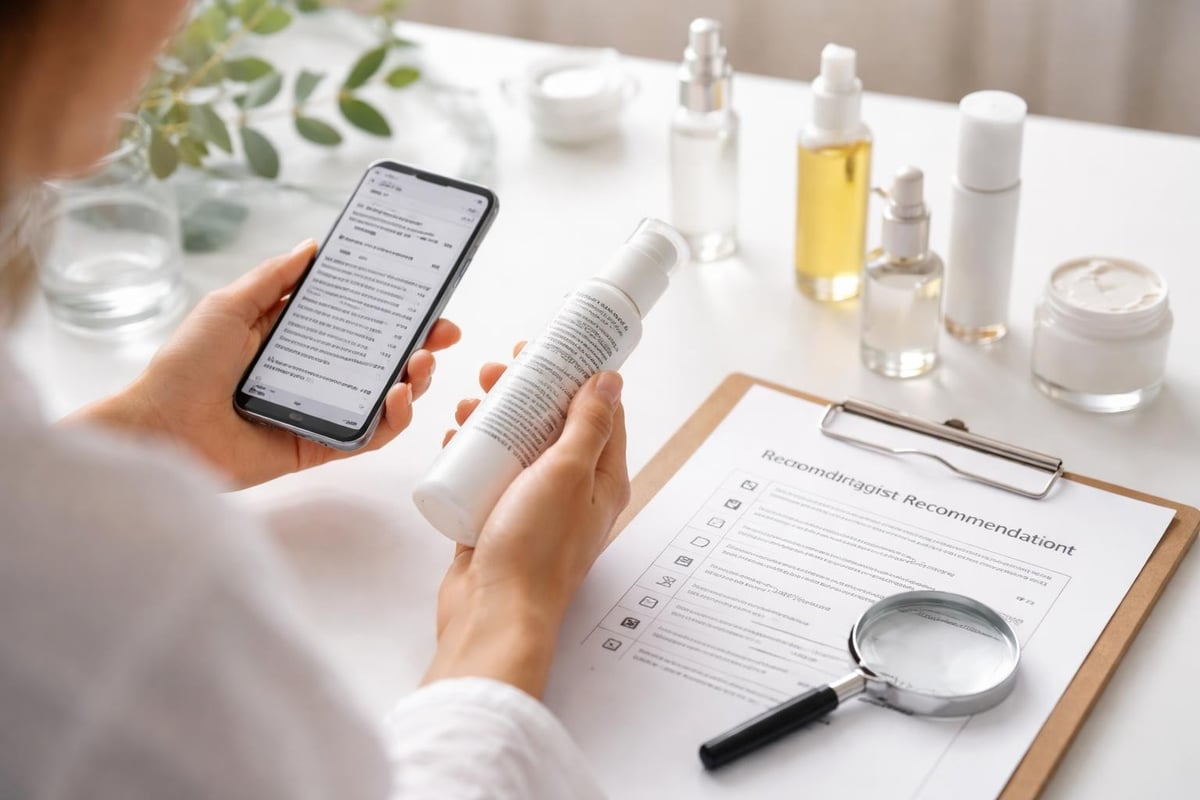
Before purchasing new face products, invest time in research. Read ingredient lists, check for certifications, and seek recommendations from trusted sources.
Reliable information sources include:
- Dermatologists and aestheticians
- Peer-reviewed scientific studies
- Independent certification bodies
- Transparent skincare brands
- Evidence-based beauty publications
Consumer research shows that healthcare professionals remain the most trusted source for skincare advice, followed by personal research and recommendations from family and friends.
Natural and Vegan Face Products
The shift toward natural and vegan face products reflects growing environmental consciousness and ethical considerations. Plant-based formulations can be just as effective as conventional products, often with fewer side effects.
Benefits of Natural Formulations
Natural ingredients work harmoniously with your skin's biology. They're typically gentler, less likely to cause irritation, and often provide additional nutrients beyond their primary function.
Botanical extracts offer complex combinations of beneficial compounds. For example, rosehip oil contains vitamins A and C, essential fatty acids, and antioxidants, all working together to nourish skin.
Vegan Certifications Matter
Not all products claiming to be vegan have been independently verified. Look for certifications from recognized bodies like The Vegan Society or PETA's Beauty Without Bunnies programme.
Cruelty-free face products ensure that no animal testing occurred during development or production. Many consumers consider this an essential criterion when selecting skincare.
Customizing Your Face Products Selection
One size definitely doesn't fit all in skincare. Your ideal routine depends on multiple factors beyond basic skin type.
Factors Influencing Product Choice
Consider these variables:
- Climate and seasonal changes
- Indoor heating or air conditioning exposure
- Diet and hydration levels
- Stress and sleep quality
- Age and hormonal fluctuations
- Environmental pollution levels
Someone living in humid, coastal weather needs different face products than someone in a dry, urban environment. Similarly, your skin's needs at 25 differ from its requirements at 45.
Patch Testing New Products
Introducing new face products requires caution, especially if you have sensitive skin. Always patch test new formulations before applying them to your entire face.
Apply a small amount to your inner forearm or behind your ear and wait 24-48 hours. If no irritation occurs, try the product on a small area of your face before incorporating it fully into your routine.
Sustainable Packaging and Ethical Considerations
The face products you choose impact more than just your skin. Packaging waste, ingredient sourcing, and manufacturing processes all carry environmental implications.
Eco-Friendly Packaging Options
Progressive brands are moving toward recyclable, biodegradable, or refillable packaging. Glass containers, aluminum tubes, and post-consumer recycled plastics reduce environmental impact.
Some companies offer refill programmes, allowing you to reuse the original packaging multiple times. This approach significantly reduces waste whilst often saving money in the long term.
Supporting Ethical Brands
When you purchase face products from ethical companies, you're voting with your wallet. Look for brands that demonstrate genuine commitment to sustainability, fair trade practices, and transparent supply chains.
Non-toxic skincare brands prioritize both human health and environmental protection, proving that effective skincare doesn't require harmful chemicals or exploitative practices.
Common Face Products Mistakes to Avoid
Even with the best intentions, people often make errors that undermine their skincare efforts. Recognizing these mistakes helps you get better results from your face products.
Over-Exfoliation
Exfoliating removes dead skin cells, revealing brighter, smoother skin underneath. However, excessive exfoliation damages your skin barrier, leading to sensitivity, redness, and increased vulnerability to environmental stressors.
Most skin types benefit from exfoliating 2-3 times weekly, not daily. If your skin feels raw, tight, or excessively sensitive, you're probably overdoing it.
Ignoring Neck and Décolletage
Your face doesn't end at your jawline. The neck and chest area show aging signs just as readily as facial skin, yet many people neglect these areas in their skincare routine.
Extend your face products down to your décolletage, particularly sunscreen, moisturiser, and anti-aging treatments. This creates a more cohesive appearance and prevents the telltale signs of neglected areas.
Expecting Immediate Results
Perhaps the most common mistake is abandoning face products too quickly. Skincare requires consistency and patience. Most active ingredients need several weeks of regular use before producing visible improvements.
Realistic timelines for results:
- Hydration improvements: 1-2 weeks
- Texture refinement: 4-6 weeks
- Pigmentation fading: 8-12 weeks
- Fine line reduction: 12-16 weeks
- Acne scar improvement: 3-6 months
Document your skin's progress with photos taken in consistent lighting. Gradual changes are easy to miss in the mirror but become obvious when comparing photos from different weeks.
Professional Guidance and Face Products
Whilst self-education is valuable, professional advice ensures you're making the best choices for your specific skin needs. Dermatologists, aestheticians, and trained skincare consultants offer expertise that complements your research.
When to Seek Professional Help
Certain skin conditions require professional intervention. Persistent acne, severe sensitivity, suspicious moles, or dramatic changes in your skin warrant a dermatologist visit.
Even without specific concerns, a professional skin analysis can identify issues you might miss and recommend targeted face products that address your unique needs.
Integrating Professional Treatments with Home Care
Professional treatments like facials, chemical peels, or LED therapy work synergistically with your home routine. The right face products maximize and extend the benefits of professional services.
Discuss your current routine with your aesthetician or dermatologist. They can identify any products that might conflict with treatments or suggest additions that enhance results.
The Future of Face Products
Skincare innovation continues advancing rapidly. Understanding emerging trends helps you stay informed about new options whilst maintaining healthy skepticism about overhyped fads.
Biotechnology and Fermented Ingredients
Fermentation enhances ingredient bioavailability, making beneficial compounds easier for skin to absorb. Fermented face products often deliver more potent results than their non-fermented counterparts.
Probiotics and prebiotics support skin's microbiome, the ecosystem of beneficial bacteria that protects against inflammation and pathogens. This approach represents a paradigm shift from aggressive, sterilizing treatments to nurturing skin's natural defenses.
Personalized Skincare
DNA testing and AI-powered skin analysis are making truly personalized face products increasingly accessible. These technologies identify your skin's specific needs, vulnerabilities, and optimal ingredients.
Whilst still emerging, personalized skincare promises to replace the trial-and-error approach with data-driven formulations tailored to your unique biology.
Choosing the right face products transforms your skin's health and appearance, but success requires understanding your skin type, researching ingredients, and maintaining consistent routines. Whether you're addressing specific concerns or simply maintaining healthy skin, focusing on natural, vegan formulations benefits both you and the planet. Discover how White Rabbit Skin Care can support your skincare journey with thoughtfully crafted, cruelty-free face products designed for every skin type, all made with the finest natural ingredients right here in the UK.