

Face Cosmetic Products: Your Complete Guide for 2026
Choosing the right face cosmetic products can feel overwhelming when you're confronted with endless options on shop shelves and online stores. The landscape of facial skincare has transformed dramatically in recent years, with consumers increasingly seeking products that align with their values whilst delivering visible results. Whether you're building your first proper skincare routine or refining an existing one, understanding what goes into face cosmetic products and how to select formulas suited to your unique needs makes all the difference. This comprehensive guide walks you through everything from ingredient transparency to vegan alternatives, helping you make informed choices that benefit both your skin and the planet.
Understanding Face Cosmetic Products in 2026
Face cosmetic products encompass everything from daily cleansers and toners to targeted treatments and moisturisers designed specifically for facial skin. Unlike body products, these formulations are created with the delicate nature of facial skin in mind, accounting for sensitivity, thinner epidermis, and higher exposure to environmental stressors.
The face cosmetic products industry has undergone significant shifts in 2026, with transparency and clean formulations leading consumer priorities. Shoppers now scrutinise ingredient lists more carefully than ever before, seeking products that avoid questionable chemicals whilst delivering proven results.
The Regulatory Landscape
Face cosmetic products sold in the UK must comply with EU Regulation 1223/2009 on cosmetics, which establishes strict safety assessments, labeling requirements, and ingredient restrictions. This framework ensures that products reaching consumers have undergone rigorous evaluation.
Key regulatory requirements include:
- Comprehensive safety assessments before market release
- Clear ingredient listing in descending concentration order
- Proper labeling with batch numbers and expiry dates
- Notification to regulatory authorities within the EU market
For those concerned about potential health impacts, research on cosmetics and health provides valuable insights into ingredient safety and long-term effects. Recent studies have particularly focused on the bioaccumulation of certain synthetic compounds, driving the movement towards natural alternatives.

Categories of Face Cosmetic Products
Understanding the different categories helps you build a comprehensive routine tailored to your skin's needs. Each type serves a distinct purpose within your daily regimen.
Cleansers
Cleansers form the foundation of any skincare routine, removing makeup, pollutants, and excess sebum without stripping natural oils. Options range from gentle milk cleansers to foaming gels and oil-based formulations.
Popular cleanser types:
- Cream cleansers for dry and sensitive skin
- Gel cleansers for combination and oily complexions
- Oil cleansers for thorough makeup removal
- Micellar water for quick, gentle cleansing
For those with particularly reactive skin, exploring face products for sensitive skin reveals formulations specifically designed to minimise irritation whilst maintaining effectiveness.
Toners and Essences
Often misunderstood as optional, toners prepare skin to better absorb subsequent products whilst balancing pH levels disrupted during cleansing. Modern face cosmetic products in this category have evolved far beyond the harsh, alcohol-laden formulas of decades past.
| Toner Type | Primary Benefit | Best For |
|---|---|---|
| Hydrating | Moisture boost | Dry, dehydrated skin |
| Exfoliating | Gentle cell turnover | Uneven texture, dullness |
| Balancing | Oil control | Combination, oily skin |
| Soothing | Calming inflammation | Sensitive, reactive skin |
Moisturisers and Serums
Moisturisers lock in hydration and create a protective barrier against environmental aggressors. Serums deliver concentrated active ingredients targeting specific concerns like hyperpigmentation, fine lines, or dullness.
The shift towards vegan face lotions reflects growing awareness of both ethical considerations and the efficacy of plant-based ingredients. Many find these formulations gentler yet equally effective as their conventional counterparts.
The Science Behind Effective Ingredients
Not all face cosmetic products are created equal. Understanding which ingredients genuinely benefit your skin versus marketing fluff empowers smarter purchasing decisions.
A Delphi consensus study on skincare ingredients identifies components that cosmetic dermatologists consistently recommend for various skin concerns, providing evidence-based guidance beyond trendy buzzwords.
Active Ingredients That Work
Proven beneficial ingredients include:
- Hyaluronic acid attracts and retains moisture, plumping skin
- Niacinamide reduces inflammation and regulates oil production
- Vitamin C brightens complexion and protects against free radicals
- Retinol alternatives (like bakuchiol) promote cell turnover gently
- Peptides support collagen production and firmness
These ingredients appear across numerous face cosmetic products, from budget-friendly options to luxury formulations. The key lies in proper concentration and formulation stability rather than price point alone.
Natural and Plant-Based Actives
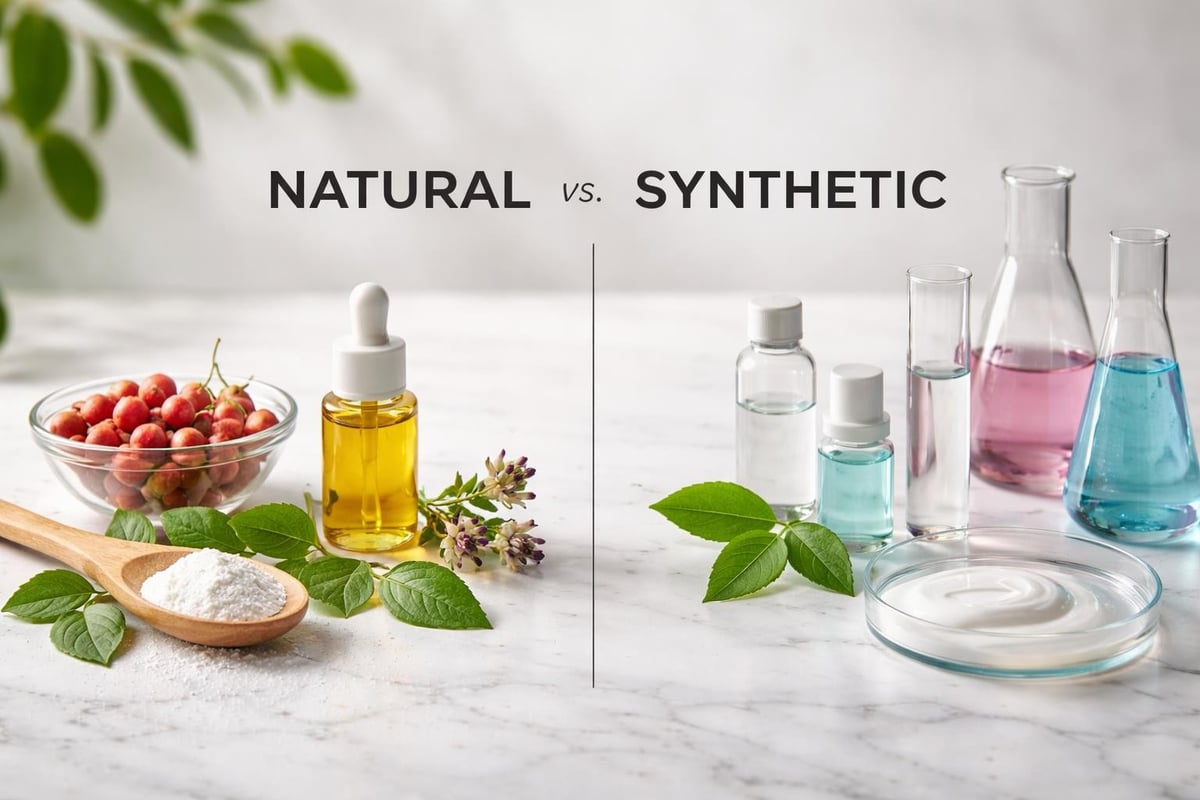
The movement towards all natural skin products has introduced botanicals with impressive clinical backing. Plant extracts, oils, and derivatives offer multifaceted benefits without synthetic additives.
Effective natural ingredients:
- Rosehip oil rich in essential fatty acids and vitamin A
- Green tea extract providing antioxidant protection
- Aloe vera soothing irritation and delivering hydration
- Chamomile calming redness and sensitivity
- Jojoba oil mimicking skin's natural sebum
Building Your Face Cosmetic Products Routine
Creating an effective routine doesn't require dozens of products. A streamlined approach with well-chosen face cosmetic products often outperforms elaborate ten-step regimens.
Morning Routine Essentials
Your morning routine protects and prepares skin for the day ahead:
- Gentle cleanser to remove overnight oil buildup
- Hydrating toner to balance and prep
- Serum targeting specific concerns (vitamin C for brightening)
- Moisturiser appropriate for your skin type
- SPF (non-negotiable regardless of weather)
The best vegan skin care products increasingly feature in morning routines, offering clean formulations that work beautifully under makeup whilst supporting ethical values.
Evening Routine Fundamentals
Night-time routines focus on repair and treatment:
- Double cleanse (oil-based followed by water-based)
- Exfoliating toner (2-3 times weekly, not daily)
- Treatment serum with actives like retinol alternatives
- Richer moisturiser or facial oil
- Eye cream for the delicate orbital area
Choosing Face Cosmetic Products for Your Skin Type
Generic recommendations rarely address individual needs. Identifying your skin type streamlines product selection significantly.
Dry and Sensitive Skin
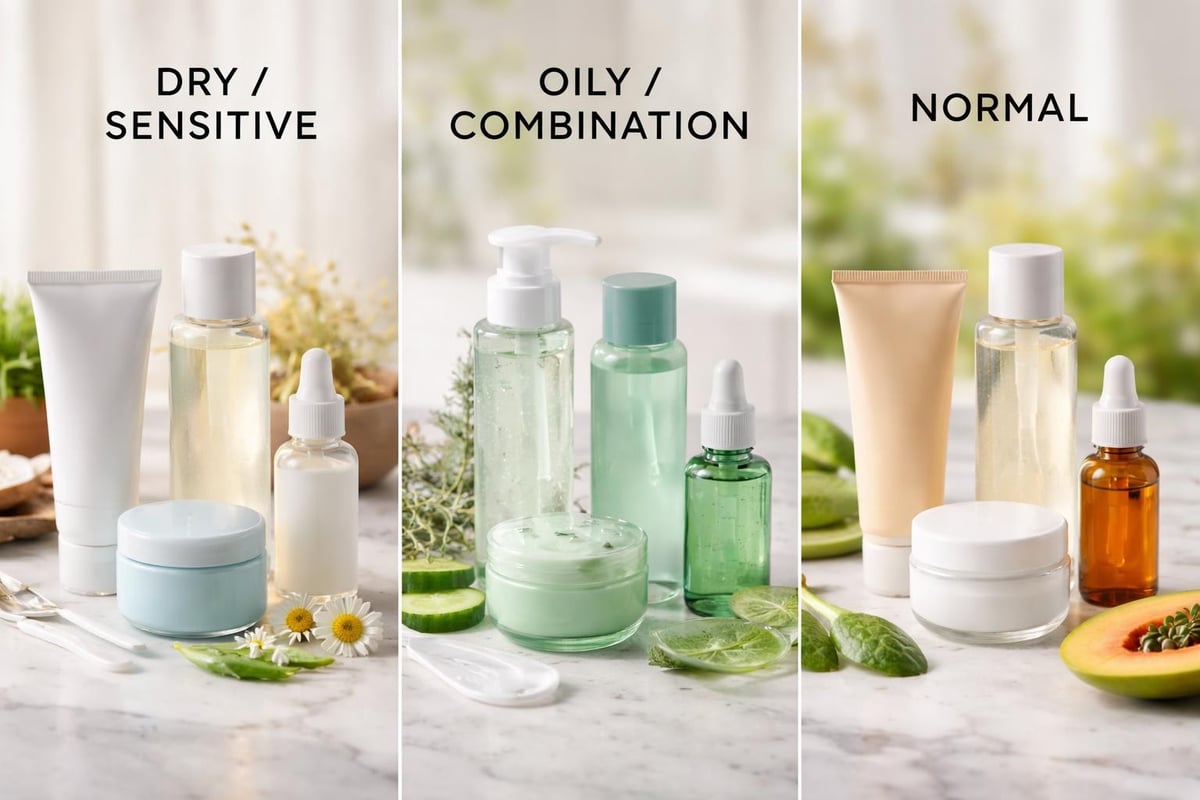
Those with dry or sensitive complexions benefit from face cosmetic products emphasising hydration and barrier support. Avoid harsh surfactants, synthetic fragrances, and high concentrations of volatile oils.
Look for these characteristics:
- Cream or balm textures rather than gels
- Ceramides and fatty acids for barrier repair
- Minimal ingredient lists reducing irritation risk
- Fragrance-free formulations
Resources on skincare for sensitive dry skin provide targeted guidance for managing reactivity whilst addressing dehydration concerns.
Oily and Combination Skin
Contrary to intuition, oily skin still requires proper hydration. The key lies in selecting lightweight face cosmetic products that don't clog pores or exacerbate shine.
| Product Type | Recommended Formula | What to Avoid |
|---|---|---|
| Cleanser | Gel or foaming | Heavy creams |
| Toner | Balancing, pore-refining | Alcohol-heavy formulas |
| Moisturiser | Oil-free, gel-based | Rich creams, comedogenic oils |
| Treatment | Niacinamide, salicylic acid | Thick occlusives |
Normal Skin
Even balanced skin benefits from preventative care and consistent hydration. Face cosmetic products for normal skin can explore a wider range of formulations without triggering reactions.
Focus on antioxidant protection, consistent hydration, and gentle exfoliation to maintain your skin's equilibrium. This skin type offers flexibility to experiment with different textures and formulations.
The Vegan and Cruelty-Free Movement
The demand for ethical face cosmetic products has fundamentally reshaped the industry. Vegan formulations exclude all animal-derived ingredients, whilst cruelty-free certification ensures no animal testing occurred during development.
Understanding Certifications
Several organisations provide vegan and cruelty-free certifications, each with specific criteria:
- Vegan Society trademark confirms no animal ingredients or testing
- Leaping Bunny certification verifies cruelty-free status
- PETA approval for both vegan and cruelty-free products
- Cruelty Free International global standard for animal testing ban
Exploring cruelty-free skin care products reveals the breadth of ethical options now available across all price points and product categories.
Benefits Beyond Ethics
Vegan face cosmetic products often incorporate innovative plant-based alternatives that rival or surpass traditional ingredients. Formulators have developed sophisticated methods to extract and stabilise botanical actives, creating products that perform exceptionally well.
Advantages of plant-based formulations:
- Generally gentler on sensitive skin
- Rich in antioxidants and phytonutrients
- Sustainable sourcing possibilities
- Reduced environmental impact
- Alignment with holistic wellness values
Safety Considerations and Ingredient Awareness
Whilst regulatory frameworks protect consumers, individual awareness remains important. Research into human exposure to toxic elements through facial cosmetics highlights the importance of understanding what we apply to our skin daily.
Ingredients to Question
Certain ingredients commonly found in face cosmetic products warrant careful consideration:
- Parabens as preservatives (links to hormone disruption debated)
- Synthetic fragrances hiding multiple unlisted chemicals
- Sulfates causing potential irritation and dryness
- Formaldehyde releasers used for preservation
- Heavy metals occasionally found in colour cosmetics
The cosmetic ingredients resource from industry associations provides detailed information about common components, helping consumers make informed choices.
Reading Labels Effectively
Face cosmetic products list ingredients in descending order by concentration. The first five ingredients typically comprise the bulk of any formula.
Label reading tips:
- "Aqua" or "Water" usually appears first in water-based products
- Active ingredients should appear in the first third of the list
- Preservatives typically appear near the end
- Fragrance listed as "Parfum" may contain numerous undisclosed compounds
- "Natural" claims lack regulatory definition-verify ingredient sources
Sustainability in Face Cosmetic Products
Environmental consciousness increasingly influences purchasing decisions around face cosmetic products. Brands responding to this shift have reimagined everything from sourcing to packaging.
Packaging Innovations
The beauty industry generates substantial waste through excessive packaging. Forward-thinking brands now offer:
- Refillable containers reducing single-use plastic
- Recyclable or biodegradable materials for all components
- Minimalist packaging eliminating unnecessary layers
- Concentrated formulas requiring less product and shipping weight
- Packaging-free options like solid cleansing bars
Sustainable Sourcing
Ethical face cosmetic products consider ingredient origins and cultivation methods. Sustainable practices include fair-trade partnerships, organic farming, and biodiversity protection in harvesting regions.
Choosing best non-toxic skincare brands often aligns with environmental values, as companies prioritising clean formulations frequently extend that philosophy to sourcing and production methods.
Seasonal Adjustments to Your Routine
Your skin's needs fluctuate throughout the year, requiring periodic adjustments to your face cosmetic products selection.
Winter Skincare Adaptations
Cold weather and indoor heating strip moisture from skin, necessitating richer formulations:
| Season Challenge | Product Adjustment | Key Ingredients |
|---|---|---|
| Dry, flaky patches | Heavier moisturiser | Shea butter, squalane |
| Windburn sensitivity | Protective barrier cream | Ceramides, niacinamide |
| Indoor heating | Hydrating mist throughout day | Hyaluronic acid, glycerin |
Summer Skincare Shifts
Warmer months bring increased sun exposure, humidity, and perspiration:
- Lighter textures preventing congestion from sweat and SPF
- Higher SPF products for extended outdoor time
- Mattifying formulas controlling excess shine
- Antioxidant serums protecting against UV-induced damage
The Future of Face Cosmetic Products
Innovation continues reshaping the face cosmetic products landscape. Several trends define the direction of the industry in 2026 and beyond.
Personalisation and Technology
Advanced diagnostics now enable truly customised formulations. Brands utilise:
- AI-powered skin analysis through smartphone apps
- DNA testing identifying genetic predispositions
- Microbiome mapping optimising products for individual skin flora
- 3D printing creating bespoke formulations on-demand
Clean Beauty Evolution
The clean beauty movement has matured beyond simple "free-from" marketing. Today's sophisticated consumers demand:
- Transparent sourcing with traceable ingredients
- Scientific validation of natural ingredient efficacy
- Sustainable production with minimal environmental impact
- Social responsibility throughout supply chains
- Honest marketing without greenwashing
Exploring resources about the best UK skincare brands showcases how British companies lead in combining traditional botanical knowledge with cutting-edge formulation science.
Making Informed Purchase Decisions
With countless face cosmetic products available, strategic selection prevents costly mistakes and bathroom clutter.
Researching Before Buying
Smart shopping strategies include:
- Reading reviews from multiple sources, not just brand websites
- Checking ingredient lists against your known sensitivities
- Investigating brand ethics and transparency practices
- Starting with samples when possible before full-size purchases
- Consulting dermatologists for persistent skin concerns
Budget Considerations
Effective skincare doesn't require luxury pricing. Many affordable face cosmetic products contain identical active ingredients to prestige lines, often in comparable concentrations.
Where to invest versus save:
- Invest in: SPF products, active treatments (retinol alternatives, vitamin C)
- Save on: Basic cleansers, simple moisturisers without actives
- Mid-range: Toners, eye creams, specialty masks
The best selling skin products often achieve popularity through proven performance rather than marketing budgets, offering reliable options across price points.
Common Mistakes to Avoid
Even skincare enthusiasts make errors that compromise results or harm skin health.
Over-Exfoliation
One of the most frequent mistakes involves excessive exfoliation, whether physical or chemical. Face cosmetic products containing acids or scrubs should be used judiciously.
Signs you're over-exfoliating:
- Persistent redness or sensitivity
- Increased breakouts (damaged barrier)
- Tight, uncomfortable feeling
- Shiny, taut appearance
- Products that previously worked now sting
Product Layering Conflicts
Not all face cosmetic products work harmoniously together. Certain combinations reduce efficacy or increase irritation risk.
Avoid combining:
- Retinol with vitamin C (different pH requirements)
- Multiple acids in one routine (cumulative irritation)
- Prescription treatments with unverified products (consult dermatologist)
- Too many actives simultaneously (start slow, introduce gradually)
Neglecting Patch Testing
New face cosmetic products should always undergo patch testing, especially for sensitive skin types. Apply a small amount to your inner forearm or behind your ear, waiting 24-48 hours before full facial application.
Understanding face cosmetic products empowers you to curate a routine that truly serves your skin's unique needs whilst aligning with your values around sustainability and ethics. The journey towards healthier skin doesn't require complicated regimens or expensive products-just informed choices and consistency. If you're seeking natural, vegan formulations created with both efficacy and ethics in mind, explore the thoughtfully crafted range at White Rabbit Skin Care, where every product supports your skin's wellbeing without compromising on quality or values.