

Cruelty Free Vegan Skincare: Your Complete Guide
The beauty industry has undergone a remarkable transformation in recent years, with more consumers than ever demanding products that align with their values. Cruelty free vegan skincare represents more than just a trend; it's a conscious choice to support products that respect both animals and our planet. Whether you're passionate about animal welfare, environmental sustainability, or simply seeking cleaner formulations for your skin, understanding what makes skincare truly ethical is essential. This guide will help you navigate the world of compassionate beauty, uncovering the truth behind certifications, ingredients, and the benefits of choosing products that are kind to all living beings.
Understanding Cruelty Free Vegan Skincare
When we talk about cruelty free vegan skincare, we're actually discussing two distinct but complementary concepts. Cruelty-free means that neither the finished product nor its individual ingredients have been tested on animals at any stage of development. Vegan means the product contains no animal-derived ingredients whatsoever.
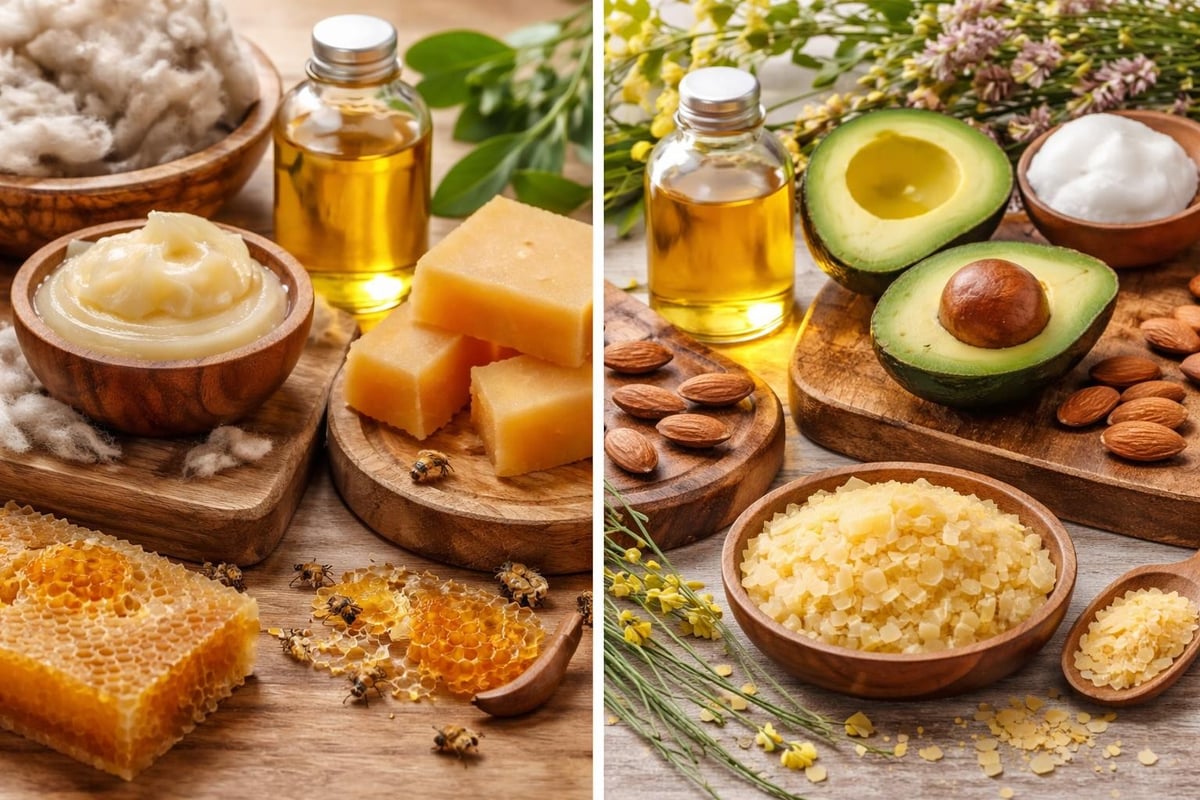
It's crucial to understand that a product can be vegan without being cruelty-free, and vice versa. A moisturiser might contain no animal ingredients yet still be tested on animals. Conversely, a cream might be cruelty-free but contain beeswax or honey. The comprehensive guide to informed skincare terminology explains these distinctions in detail, helping consumers make truly informed choices.
Why Both Matter
Choosing products that are both cruelty-free and vegan ensures complete ethical alignment. Animal testing causes unnecessary suffering, whilst animal-derived ingredients often involve exploitation or harm. By selecting cruelty free vegan skincare, you're making a powerful statement that beauty should never come at the expense of another living being.
Recognising Genuine Certifications
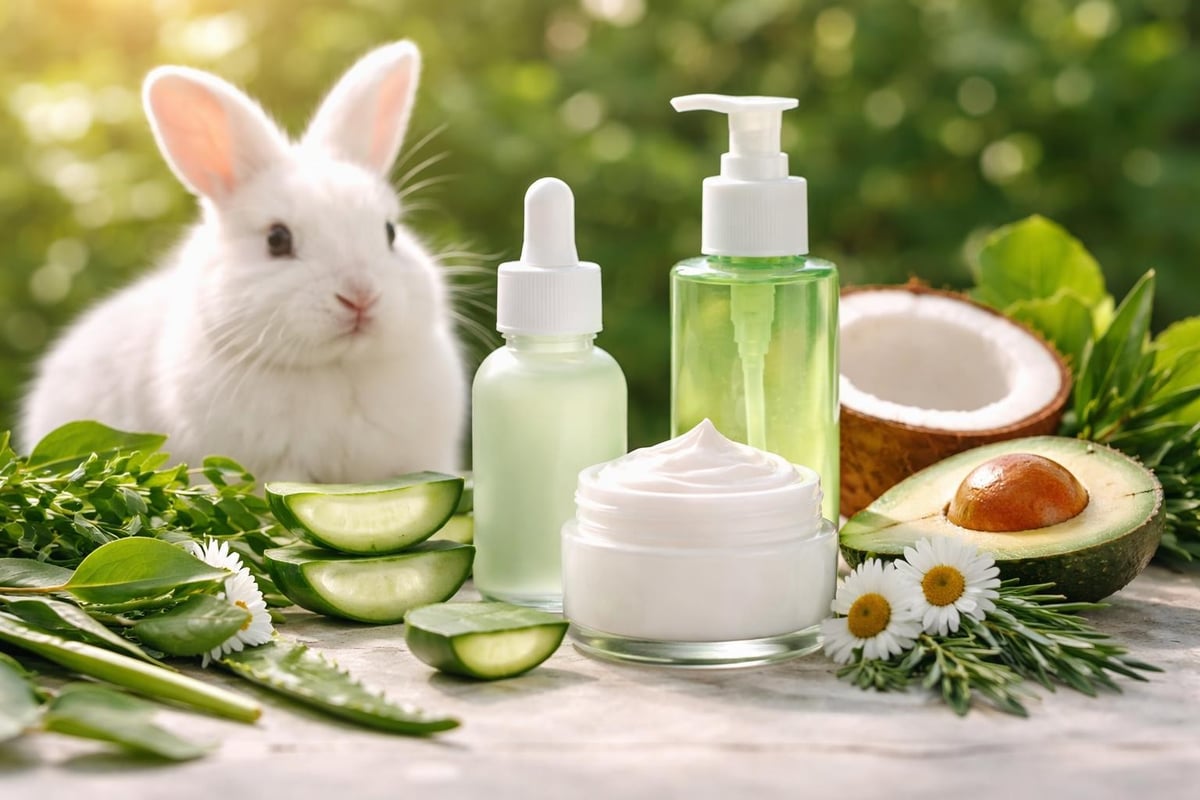
The market is flooded with products claiming to be ethical, but not all certifications are created equal. Understanding which logos and certifications you can trust is fundamental to making genuinely compassionate choices.
Trusted Cruelty-Free Certifications
| Certification | Organisation | What It Guarantees |
|---|---|---|
| Leaping Bunny | Cruelty Free International | No animal testing throughout supply chain |
| PETA Certified | PETA | Cruelty-free and optionally vegan verified |
| Choose Cruelty Free | CCF Australia | Comprehensive cruelty-free standards |
| Naturewatch Foundation | Naturewatch | No animal testing by company or suppliers |
The Ethical Consumer skincare guide offers an excellent breakdown of which brands genuinely uphold their cruelty-free commitments. These certifications require companies to demonstrate transparency across their entire supply chain, not just final products.
Vegan Certifications to Look For
For vegan verification, seek out logos from The Vegan Society, Certified Vegan, or BeVeg. These organisations rigorously assess ingredients to ensure no animal-derived substances are present. However, some excellent cruelty free vegan skincare brands may not display formal certifications due to cost constraints, especially smaller businesses. In these cases, check the company's website for detailed ingredient lists and policy statements.
Hidden Animal Ingredients in Skincare
One of the biggest challenges in choosing vegan skincare is identifying hidden animal-derived ingredients. Many substances used in cosmetics have obscure names that don't immediately reveal their origins.
Common animal ingredients to avoid include:
- Lanolin - derived from sheep's wool
- Carmine - red pigment from crushed insects
- Beeswax, propolis, royal jelly - bee products
- Squalene - often sourced from shark liver
- Collagen and elastin - typically from animal tissue
- Keratin - from feathers, horns, or hooves
- Guanine - from fish scales
- Cholesterol - usually from sheep wool or animal fat
The Ethical Consumer guide to vegan beauty products provides a comprehensive list of ingredients to watch for. Modern cruelty free vegan skincare has evolved tremendously, with plant-based and synthetic alternatives that perform just as well, if not better, than their animal-derived counterparts.
Plant-Based Alternatives
Thankfully, for every animal ingredient, there's a compassionate alternative. Squalane can be derived from olives or sugarcane, whilst plant collagen comes from sources like edelweiss and algae. Candelilla wax and carnauba wax serve as excellent replacements for beeswax, and plant-based hyaluronic acid is now widely available.
The Benefits of Choosing Ethical Skincare
Beyond the obvious ethical advantages, cruelty free vegan skincare offers numerous benefits for your skin and overall wellbeing. Plant-based formulations are often rich in antioxidants, vitamins, and minerals that nourish skin naturally.
Skin Health Advantages
Vegan skincare tends to be gentler and more suitable for sensitive skin types. Without heavy animal-derived ingredients, these products are typically:
- Less likely to clog pores
- Free from potential allergens found in animal products
- Rich in natural antioxidants and vitamins
- More easily absorbed by the skin
- Better for various skin concerns including sensitivity
Our collection of products for dry sensitive skin demonstrates how plant-based ingredients can effectively address specific skincare needs without compromising on ethics or efficacy.
Environmental Impact
The environmental footprint of cruelty free vegan skincare is significantly lower than conventional products. Animal agriculture contributes substantially to greenhouse gas emissions, deforestation, and water pollution. By choosing plant-based alternatives, you're supporting more sustainable production methods.
Plant-based ingredients require fewer resources to produce and process. Additionally, many ethical skincare brands prioritise sustainable sourcing, eco-friendly packaging, and carbon-neutral shipping, creating a comprehensive approach to environmental responsibility.
Building Your Cruelty-Free Routine
Transitioning to a completely ethical skincare routine doesn't have to happen overnight. Start by replacing products as they run out, beginning with the items you use most frequently.
Essential Steps
- Cleansing - Remove daily impurities with gentle, plant-based cleansers
- Toning - Balance your skin's pH with alcohol-free toners
- Treating - Address specific concerns with serums and targeted treatments
- Moisturising - Lock in hydration with nourishing creams
- Protecting - Shield skin from environmental damage
Our cleansers collection offers various options suitable for different skin types, all formulated without animal testing or animal-derived ingredients. Pairing these with products from our moisturisers range creates a complete routine that's both effective and ethical.
Customising for Your Skin Type
Different skin types require different approaches, but cruelty free vegan skincare caters to everyone:
| Skin Type | Key Needs | Recommended Ingredients |
|---|---|---|
| Oily | Oil control, pore refinement | Salicylic acid, tea tree, clay |
| Dry | Deep hydration, barrier repair | Hyaluronic acid, shea butter, oils |
| Combination | Balance, targeted treatment | Niacinamide, aloe vera, jojoba |
| Sensitive | Calming, gentle formulation | Chamomile, oat extract, calendula |
Whether you have oily skin or combination skin, there are cruelty free vegan skincare solutions tailored to your specific requirements.
Spotting Fake Certifications
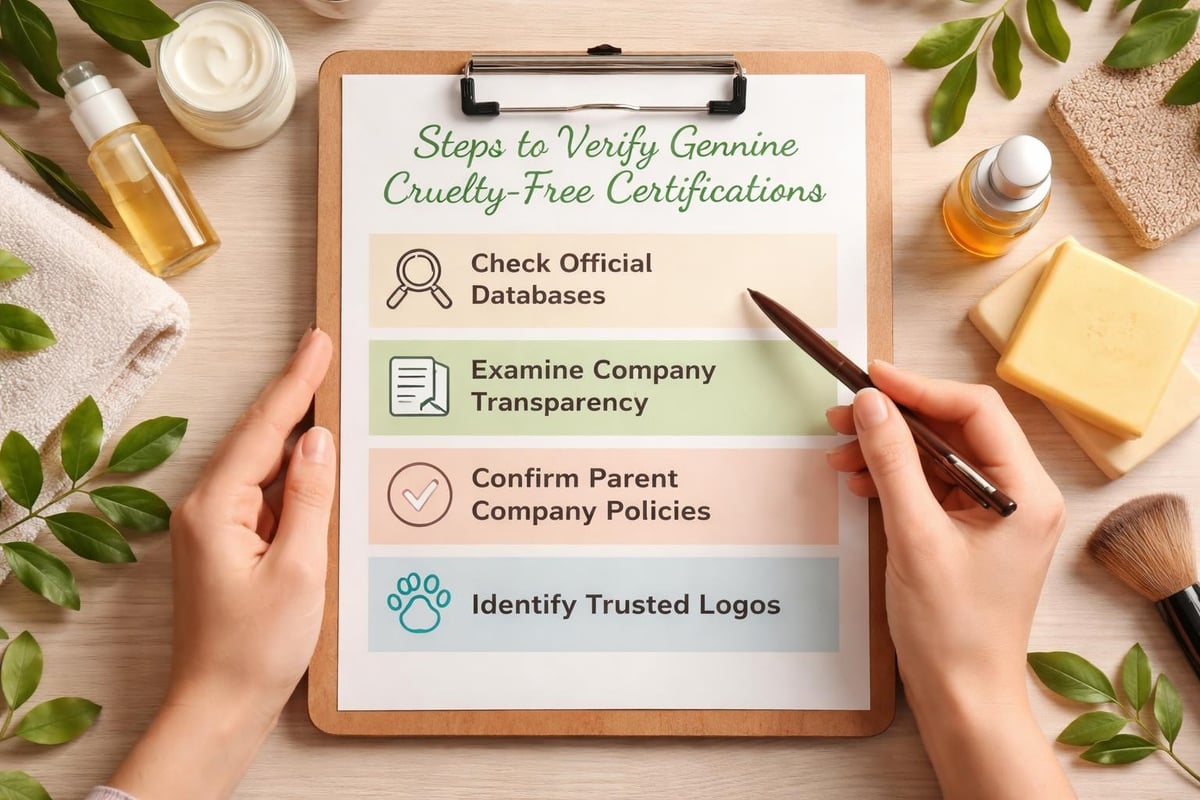
Unfortunately, the growing demand for ethical products has led to "cruelty-free washing" - when brands mislead consumers about their animal testing policies. Learning to spot fake cruelty-free certifications protects you from inadvertently supporting unethical practices.
Red Flags to Watch For
Be cautious of brands that:
- Use vague language like "against animal testing" without certification
- Sell in markets where animal testing is legally required (like mainland China)
- Display unofficial or self-created "cruelty-free" logos
- Lack transparency about their parent company's testing policies
- Cannot provide clear documentation of their certification status
Always verify certifications through the official organisation's website. Cruelty Free International's database allows you to search for genuinely certified brands, providing peace of mind with your purchases.
Supporting Truly Ethical Brands
When you choose cruelty free vegan skincare, you're voting with your wallet for a more compassionate industry. Supporting brands that prioritise ethics from formulation through to packaging creates positive change throughout the supply chain.
What to Look For in Ethical Brands
Beyond certifications, consider brands that demonstrate:
- Complete transparency about ingredients and sourcing
- Sustainable and eco-friendly packaging choices
- Fair trade and ethical labour practices
- Active support for animal welfare organisations
- Educational content about ethical beauty choices
Many best-selling skin products now meet these criteria, proving that ethics and efficacy aren't mutually exclusive. The comprehensive guide to clean and cruelty-free brands features numerous companies maintaining high ethical standards across all operations.
The Importance of Small Businesses
Small, independent brands often lead the way in ethical innovation. Without pressure from shareholders to cut corners, these businesses can maintain strict standards whilst creating high-quality formulations. They're also more likely to use sustainable, locally-sourced ingredients and minimal packaging.
Our gift sets offer perfect introductions to ethical skincare, allowing you to experience the quality and effectiveness of compassionately created products.
Price vs. Value in Ethical Skincare
A common misconception is that cruelty free vegan skincare must be expensive. Whilst some luxury ethical brands command premium prices, many affordable options deliver excellent results without compromising on values.
Making Ethical Choices on Any Budget
Consider these budget-friendly strategies:
- Start with multi-purpose products that serve several functions
- Look for concentrated formulas that last longer
- Shop sample sizes to test products before committing
- Take advantage of seasonal sales and promotions
- Focus on essential products rather than extensive routines
Our treats under £20 collection proves that ethical skincare doesn't have to strain your budget. Quality ingredients and ethical production needn't mean excessive costs.
Investment Pieces Worth the Splurge
Some products justify higher price points through superior formulations or longer-lasting results. Serums, intensive treatments, and specialised products like eye cream often deliver concentrated benefits that make them worthwhile investments in your skincare routine.
Reading Labels Like a Pro
Becoming an informed consumer means developing label-reading skills. Understanding ingredient lists, certifications, and marketing claims helps you make genuinely ethical choices rather than falling for greenwashing.
Ingredient List Basics
Ingredients appear in descending order by concentration. The first five ingredients typically make up the bulk of the product, so pay particular attention to these. Active ingredients might appear lower on the list but still be effective at smaller concentrations.
Watch for:
- Scientific names - many plant ingredients have Latin names
- Percentages - some brands list active ingredient percentages
- Allergen information - especially important for sensitive skin
- Preservation systems - natural preservatives ensure product safety
The Dermatology Review's guide to cruelty-free skincare offers excellent advice on interpreting labels and understanding formulation choices.
Marketing Claims vs. Reality
Terms like "natural," "clean," and "organic" aren't regulated as strictly as "vegan" or "cruelty-free." A product can claim to be natural whilst still containing synthetic ingredients or having been tested on animals. Always look for specific certifications rather than relying solely on marketing language.
Transitioning Your Entire Routine
Moving to completely cruelty free vegan skincare might seem daunting, but a strategic approach makes the transition smooth and manageable. You don't need to discard everything at once; thoughtful replacement ensures you maintain effective skincare throughout the process.
Step-by-Step Transition Plan
- Audit your current products - note what's already ethical
- Prioritise replacements - start with products used on largest skin areas
- Research alternatives - find ethical versions of your favourites
- Test new products - introduce one at a time to monitor skin response
- Build your routine - gradually complete your ethical collection
Our body products collection provides excellent starting points, as body care products are used generously and replacing them makes an immediate impact. From there, move to facial cleansers and toners before transitioning specialist treatments.
Dealing with Favourite Products
The hardest part of transitioning is often replacing beloved products that aren't cruelty-free or vegan. Research thoroughly to find similar alternatives with comparable ingredients and benefits. Many ethical brands now offer products specifically designed to replicate popular conventional items.
Beyond Personal Care
Once you've embraced cruelty free vegan skincare, you might feel inspired to extend these values to other areas of your life. The principles of compassion and sustainability apply far beyond beauty products.
Expanding Your Ethical Choices
Consider exploring:
- Cruelty-free makeup and cosmetics
- Vegan and ethical haircare products
- Sustainable household cleaning products
- Cruelty-free personal care items
- Ethical fashion and accessories
The Bower Collective's comprehensive guide to vegan and cruelty-free skincare extends into broader lifestyle choices, helping you create a fully aligned approach to ethical consumption.
The Ripple Effect
Every ethical purchase sends a message to manufacturers that consumers care about animal welfare and environmental sustainability. As demand for cruelty free vegan skincare grows, more brands adopt ethical practices, creating positive change throughout the industry. Your choices genuinely matter.
Special Considerations for Different Needs
Cruelty free vegan skincare accommodates every skin concern and life stage. Whether you're addressing ageing concerns, managing problematic skin, or dealing with specific conditions, plant-based solutions exist.
Anti-Ageing Without Compromise
Plant-based ingredients like retinol alternatives (bakuchiol), peptides derived from rice or soy, and powerful antioxidants from botanical sources effectively address signs of ageing. Products like anti-ageing day cream demonstrate how ethical formulations deliver results without animal testing or animal-derived ingredients.
Sensitive and Problematic Skin
Vegan formulations often benefit sensitive skin by eliminating potential irritants found in animal-derived ingredients. Plant-based anti-inflammatory ingredients like chamomile, calendula, and oat extract soothe reactivity whilst maintaining effectiveness. Our calming cream showcases how gentle, plant-based formulations can address sensitive skin concerns.
Choosing cruelty free vegan skincare represents a powerful commitment to compassion, sustainability, and personal wellbeing. By understanding certifications, reading labels carefully, and supporting genuinely ethical brands, you're contributing to positive change whilst caring for your skin beautifully. White Rabbit Skin Care offers an extensive range of natural, vegan, and cruelty-free products designed to meet every skincare need, from cleansers and toners to moisturisers and specialised treatments, all created with the finest plant-based ingredients and unwavering commitment to ethical principles.