

Cruelty Free Face Cleansers: Your Ethical Skincare Guide
Making conscious choices about what we apply to our skin extends beyond ingredients and effectiveness. The journey towards ethical beauty starts with understanding how our face cleansers are tested and produced. As awareness grows about animal testing in the cosmetics industry, more people are seeking cruelty free face cleansers that align with their values whilst still delivering brilliant results. Whether you're new to ethical skincare or looking to refine your routine, navigating the world of cruelty-free products can feel overwhelming. This guide will help you understand what truly makes a cleanser cruelty-free, how to spot authentic certifications, and which ingredients work best for your skin type.
Understanding What Cruelty-Free Really Means
The term "cruelty-free" appears on countless beauty products, but cruelty-free labeling remains largely unregulated, making it essential to know what you're actually looking for. When we talk about cruelty free face cleansers, we're referring to products that haven't been tested on animals at any stage of development, from individual ingredients to the final formulation.
Key distinctions to understand:
- Cruelty-free means no animal testing occurred during product development
- This applies to both the finished product and individual ingredients
- It covers testing by the brand, suppliers, and third parties
- Some countries still require animal testing for imported cosmetics
The Difference Between Cruelty-Free and Vegan
Whilst these terms often appear together, they're not interchangeable. A product can be cruelty-free but still contain animal-derived ingredients like honey, beeswax, or lanolin. Conversely, a vegan product contains no animal ingredients but might still have been tested on animals.
For those seeking the highest ethical standards, choosing face cleansers that are both cruelty-free and vegan offers peace of mind. White Rabbit Skin Care's plant-based approach ensures products meet both criteria, combining ethical production with effective natural ingredients.

Recognising Legitimate Cruelty-Free Certifications
Not all cruelty-free claims are created equal. Third-party certifications provide independent verification that brands genuinely follow ethical practices. Understanding these logos helps you make informed decisions when selecting your cleansers.
| Certification | Requirements | Verification Process |
|---|---|---|
| Leaping Bunny | No animal testing at any production stage | Annual audits and supplier monitoring |
| PETA Certified | Written assurance of no animal testing | Brand statement verification |
| Choose Cruelty Free | Australian standard for no animal testing | Thorough application review |
| Cruelty Free International | Global standard against animal testing | Independent assessment |
PETA's Ultimate Cruelty-Free List offers a comprehensive database of verified brands, making it easier to discover trustworthy options. These certifications require brands to demonstrate their commitment through transparent supply chains and regular audits.
Reading Beyond the Label
Smart shoppers look deeper than surface claims. Research the brand's parent company, as some cruelty-free brands are owned by corporations that test on animals elsewhere. Check whether they sell in markets requiring animal testing, and review their ingredient sourcing practices.
Transparency matters. Brands genuinely committed to cruelty-free practices openly share their policies and certifications.
Key Ingredients in Effective Cruelty Free Face Cleansers
Choosing cruelty free face cleansers doesn't mean compromising on effectiveness. Natural and plant-based ingredients often outperform synthetic alternatives whilst remaining gentle and ethical.
Gentle Cleansing Agents
Traditional cleansers often contain harsh sulphates that strip natural oils. Cruelty-free alternatives use gentler surfactants:
- Coconut-derived cleansers provide effective cleansing without irritation
- Sugar-based surfactants create a luxurious lather whilst maintaining skin balance
- Botanical extracts offer natural cleansing properties
- Clay minerals absorb excess oil and impurities
For those with reactive skin, non-toxic skincare brands prioritise gentle, naturally-derived ingredients that cleanse without causing inflammation.
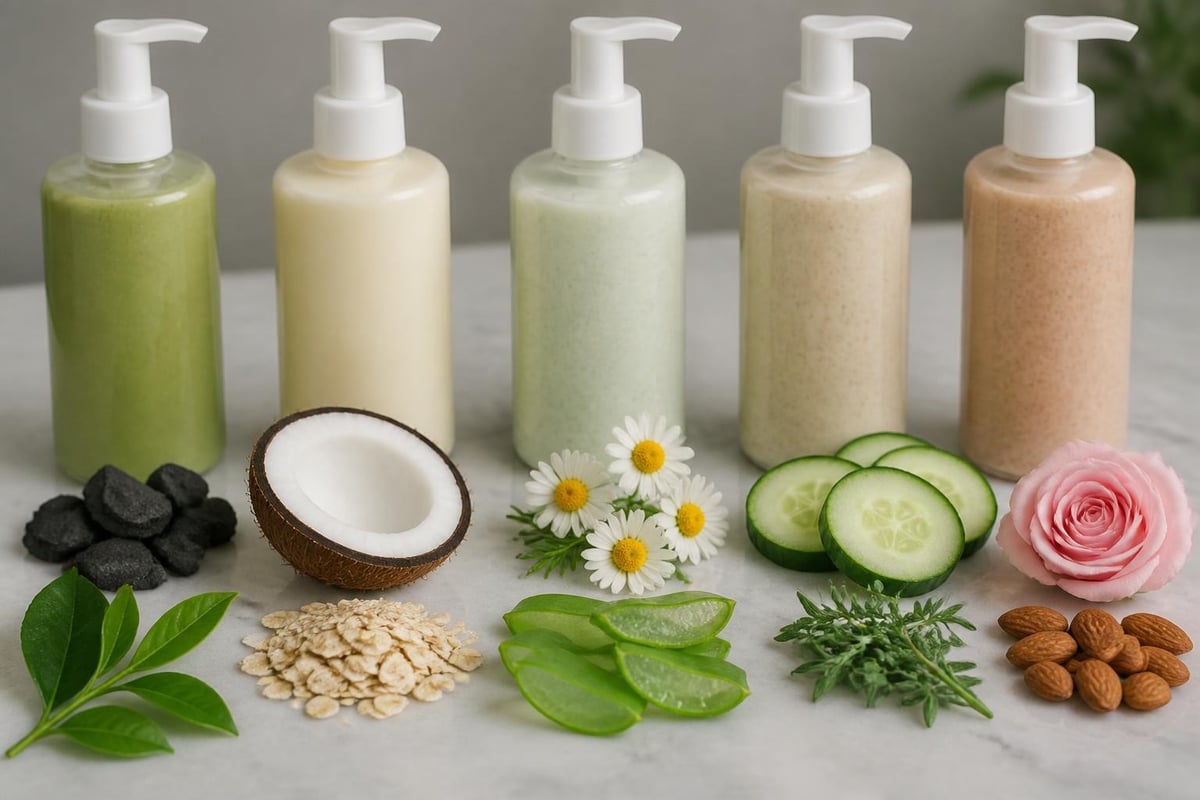
Nourishing Botanical Ingredients
The best cruelty free face cleansers go beyond simple cleansing to nourish and protect. Look for these powerhouse ingredients:
Hydrating elements:
- Glycerin draws moisture into the skin
- Hyaluronic acid maintains plumpness
- Aloe vera soothes and hydrates
- Rose water balances and refreshes
Protective antioxidants:
- Green tea extract fights free radicals
- Vitamin E supports skin barrier function
- Rosehip oil delivers essential fatty acids
- Chamomile calms inflammation
Choosing the Right Cleanser for Your Skin Type
Every skin type benefits from cruelty-free options. Understanding your specific needs helps you select the most effective formula.
For Sensitive and Reactive Skin
Sensitive skin requires extra consideration. Fragrance-free formulas with minimal ingredients reduce the risk of reactions. Products designed for sensitive faces focus on calming inflammation whilst cleansing effectively.
Best formats for sensitive skin:
- Cream cleansers that don't foam
- Micellar waters for gentle makeup removal
- Oil-based cleansers that melt away impurities
- Milk cleansers with soothing botanicals
For Oily and Combination Skin
Balancing oil production without triggering excess sebum requires the right approach. Gel cleansers and foaming formulas work brilliantly for these skin types.
Look for ingredients like tea tree oil, witch hazel, and salicylic acid from natural sources. These control shine whilst respecting your skin's protective barrier.
For Dry and Mature Skin
Dry skin needs cleansers that remove impurities without stripping natural oils. Balm and oil-based cleansers excel here, transforming from solid to liquid upon contact with skin.
| Skin Concern | Ideal Cleanser Type | Key Ingredients to Seek |
|---|---|---|
| Dehydration | Cream or milk | Hyaluronic acid, ceramides |
| Fine lines | Balm or oil | Antioxidants, omega fatty acids |
| Dullness | Gentle exfoliating | Fruit enzymes, lactic acid |
| Sensitivity | Fragrance-free cream | Oat extract, calendula |
The cleansing balm from White Rabbit Skin Care demonstrates how effective cruelty-free options can be, combining nourishing oils with effective cleansing power.
The Double Cleanse Method with Cruelty-Free Products
This Korean beauty technique has revolutionised evening skincare routines. Using two different cruelty free face cleansers ensures thorough removal of sunscreen, makeup, and daily grime.
Step-by-step double cleansing:
- Start with an oil-based or balm cleanser
- Massage onto dry skin for 60 seconds
- Add water to emulsify and rinse thoroughly
- Follow with a water-based cleanser
- Massage gently for 30 seconds
- Rinse with lukewarm water
- Pat dry with a clean towel
This method particularly benefits those who wear makeup or sunscreen daily. The first cleanse removes oil-based products, whilst the second cleanser addresses water-based impurities and ensures skin is perfectly clean.
Morning routines typically require only a single gentle cleanse, as overnight your skin produces beneficial oils that shouldn't be completely stripped away.
Shopping Tips for Cruelty Free Face Cleansers
Finding authentic cruelty-free products becomes easier when you know where to look and what questions to ask. Provenance's cruelty-free directory offers verified options that meet strict ethical standards.
Where to Shop
Trusted retailers include:
- Dedicated natural beauty shops
- Online ethical marketplaces
- Brand websites with transparent policies
- Health food stores with beauty sections
Supporting UK-based brands reduces carbon footprint whilst ensuring products meet British standards. White Rabbit Skin Care exemplifies local production combined with ethical practices.
Questions to Ask Before Purchasing
Don't hesitate to contact brands directly. Genuine cruelty-free companies welcome these conversations:
- Do you test on animals at any stage?
- What about your ingredient suppliers?
- Are you certified by recognised organisations?
- Do you sell in markets requiring animal testing?
- Is your parent company cruelty-free?
Companies with nothing to hide provide clear, comprehensive answers. Vague responses or deflection often signal questionable practices.
Budget-Friendly Cruelty-Free Cleansing Options
Ethical skincare doesn't require enormous investment. Plenty of cruelty free face cleansers deliver excellent results without premium price tags. Affordable skincare solutions prove that quality and ethics needn't break the bank.
Making Your Cleanser Last Longer
A little goes a long way with well-formulated products. Use a 10p-sized amount for cream cleansers, or a single pump for liquids. This makes even premium products more economical.
Money-saving strategies:
- Buy larger sizes when available
- Look for multipurpose cleansers
- Use samples before committing to full sizes
- Wait for ethical brands' seasonal sales
- Consider subscription discounts
DIY Alternatives and When They Work
Some people create homemade cleansers using ingredients like olive oil, honey, and oats. Whilst these can work for certain skin types, commercial cruelty free face cleansers offer benefits DIY versions can't match:
- Stable formulations that won't spoil quickly
- Balanced pH levels appropriate for facial skin
- Tested ingredient combinations
- Consistent results
- Proper preservation systems
For those interested in simplicity, oil cleansing with a single organic oil can be effective, though proper removal requires careful technique.
The Environmental Impact of Your Cleanser Choice
Choosing cruelty-free extends beyond animal welfare to encompass broader environmental consciousness. Packaging, ingredient sourcing, and production methods all matter.
Sustainable Packaging Options
Progressive brands now offer:
- Recyclable glass or aluminium containers
- Refillable systems reducing waste
- Biodegradable packaging materials
- Minimal packaging designs
- Post-consumer recycled materials
Solid cleansing bars eliminate plastic bottles entirely whilst often lasting longer than liquid alternatives. They're also brilliant for travel.
Ingredient Sustainability
Understanding what makes skincare truly natural includes considering how ingredients are sourced. Sustainable cruelty free face cleansers use:
- Organically farmed botanicals
- Fair trade ingredients
- Locally sourced materials when possible
- Renewable plant-based components
- Responsibly harvested natural elements
Palm oil derivatives appear in many cleansers. Look for RSPO certification ensuring sustainable palm oil production, or choose brands using alternative ingredients entirely.
Common Misconceptions About Cruelty-Free Cleansers
Misinformation can prevent people from making the switch. Let's address frequent concerns with facts.
"They Don't Work as Well"
Modern formulation science proves this false. Cruelty free face cleansers use advanced botanical ingredients and innovative techniques delivering results matching or exceeding traditional products. Top-rated skincare options demonstrate that ethics and effectiveness coexist beautifully.
"They're All Expensive"
Price ranges vary widely across cruelty-free options. Budget-friendly brands offer excellent products, whilst premium options provide luxury experiences. The investment often proves worthwhile as concentrated formulas require less product per use.
"Natural Means Less Irritating"
Not necessarily. Natural ingredients can still cause reactions in sensitive individuals. Patch testing remains important regardless of whether products are natural, synthetic, cruelty-free, or conventional.
Common natural irritants:
- Essential oils (particularly citrus and cinnamon)
- Fragrances from plant sources
- Certain botanical extracts
- Nut-derived ingredients
Products specifically formulated for sensitive skin minimise known irritants whilst maintaining effectiveness.
Building a Complete Cruelty-Free Skincare Routine
Your cleanser forms just one part of an ethical skincare regimen. Creating a cohesive routine amplifies results whilst maintaining your values.
Morning Routine Essentials
Start your day right with these cruelty-free steps:
- Gentle cleanser appropriate for your skin type
- Hydrating toner to balance pH
- Antioxidant serum for protection
- Moisturiser to lock in hydration
- Broad-spectrum SPF (many cruelty-free options available)
Morning cleansing can be lighter than evening routines, as you're removing overnight oil production rather than makeup and pollution.
Evening Routine for Deep Cleansing
Night-time offers opportunity for thorough cleansing and treatment:
- First cleanse (oil or balm for makeup removal)
- Second cleanse (gentle foaming or cream)
- Toner or essence
- Treatment serums targeting specific concerns
- Night moisturiser or facial oil
This comprehensive approach using cruelty free face cleansers ensures skin receives everything needed for overnight repair and regeneration.
Supporting Truly Ethical Brands
Your purchasing power supports the practices you believe in. Choosing cruelty-free sends a clear message to the industry that animal testing is unacceptable.
Beyond Product Purchase
Supporting ethical brands means:
- Following and engaging with their social media
- Leaving honest reviews sharing your experience
- Recommending products to friends and family
- Providing feedback directly to brands
- Choosing these products over conventional alternatives
Resources like Cruelty-Free Kitty maintain updated databases of verified brands, helping consumers make informed choices across their entire beauty routine.
The Ripple Effect of Conscious Choices
Every purchase contributes to industry change. As demand for cruelty free face cleansers grows, more companies reformulate products and change testing policies. Major beauty retailers now dedicate entire sections to cruelty-free options, reflecting shifting consumer priorities.
This movement extends beyond individual products to influence legislation. The UK's ban on animal testing for cosmetics came partly from consumer pressure, demonstrating how collective choices create meaningful change.
Transitioning to Cruelty-Free Face Cleansers
Making the switch needn't happen overnight. A gradual transition often works best, allowing you to find products that truly suit your skin.
Start with One Product
Replace your current cleanser first. It's used daily and directly impacts how other products perform. Once you've found a cruelty-free cleanser you love, expand to other categories.
Transition timeline suggestion:
| Month | Product to Replace | Why This Order |
|---|---|---|
| 1 | Face cleanser | Foundation of routine |
| 2 | Moisturiser | Works with your cleanser |
| 3 | Serums/treatments | Target specific concerns |
| 4 | Eye cream | Specialised area |
| 5+ | Additional products | Complete transformation |
Expect an Adjustment Period
Your skin might need time to adapt, especially if switching from products with synthetic fragrances or harsh ingredients. Give new cruelty free face cleansers at least three weeks before judging results.
Some temporary changes are normal as skin adjusts. However, persistent irritation, breakouts, or discomfort means the product isn't right for you, regardless of its ethical credentials.
The Future of Cruelty-Free Skincare
The movement towards ethical beauty continues gaining momentum. Innovation in testing alternatives makes animal testing increasingly obsolete from both ethical and scientific perspectives.
Emerging Technologies
Scientific advances provide better testing methods:
- Human cell culture testing
- Computer modelling of skin reactions
- Artificial skin equivalents
- Volunteer patch testing programmes
Understanding cruelty-free labels helps consumers navigate an evolving landscape where definitions and standards continue to develop.
Legislative Changes
Global regulations increasingly favour cruelty-free practices. The European Union, UK, India, and other regions have banned animal testing for cosmetics, setting precedents for worldwide change.
As more countries implement similar bans, cruelty free face cleansers will become the standard rather than the exception, making ethical choices easier for everyone.
Choosing cruelty free face cleansers represents a meaningful step towards ethical beauty that benefits animals, the environment, and your skin. By understanding certifications, selecting appropriate ingredients for your skin type, and supporting genuinely committed brands, you create positive change with every purchase. White Rabbit Skin Care offers a thoughtfully curated range of vegan and cruelty-free cleansers and skincare products made with natural ingredients, ensuring your daily routine aligns with your values whilst delivering the results your skin deserves.