
Cruelty Free and Vegan Skincare: Your Complete Guide
The beauty industry has witnessed a remarkable transformation over the past decade, with more consumers than ever seeking products that align with their ethical values. Cruelty free and vegan skincare has evolved from a niche market to a mainstream movement, reflecting our growing awareness of how our purchasing choices impact animals, the environment, and our own wellbeing. Whether you're passionate about animal rights, environmental sustainability, or simply curious about cleaner beauty options, understanding what makes skincare both cruelty-free and vegan is essential for making informed decisions that benefit your skin and conscience alike.
Understanding Cruelty Free and Vegan Skincare
Before diving into product recommendations and routines, it's crucial to grasp what these terms actually mean. Many people use "cruelty-free" and "vegan" interchangeably, but they represent distinct concepts in the beauty world.
What Does Cruelty-Free Really Mean?
Cruelty-free skincare refers to products that haven't been tested on animals at any stage of development. This includes both the finished product and individual ingredients. According to comprehensive guides on ethical beauty, a truly cruelty-free brand ensures that no animal testing occurs in their supply chain, including third-party testing.
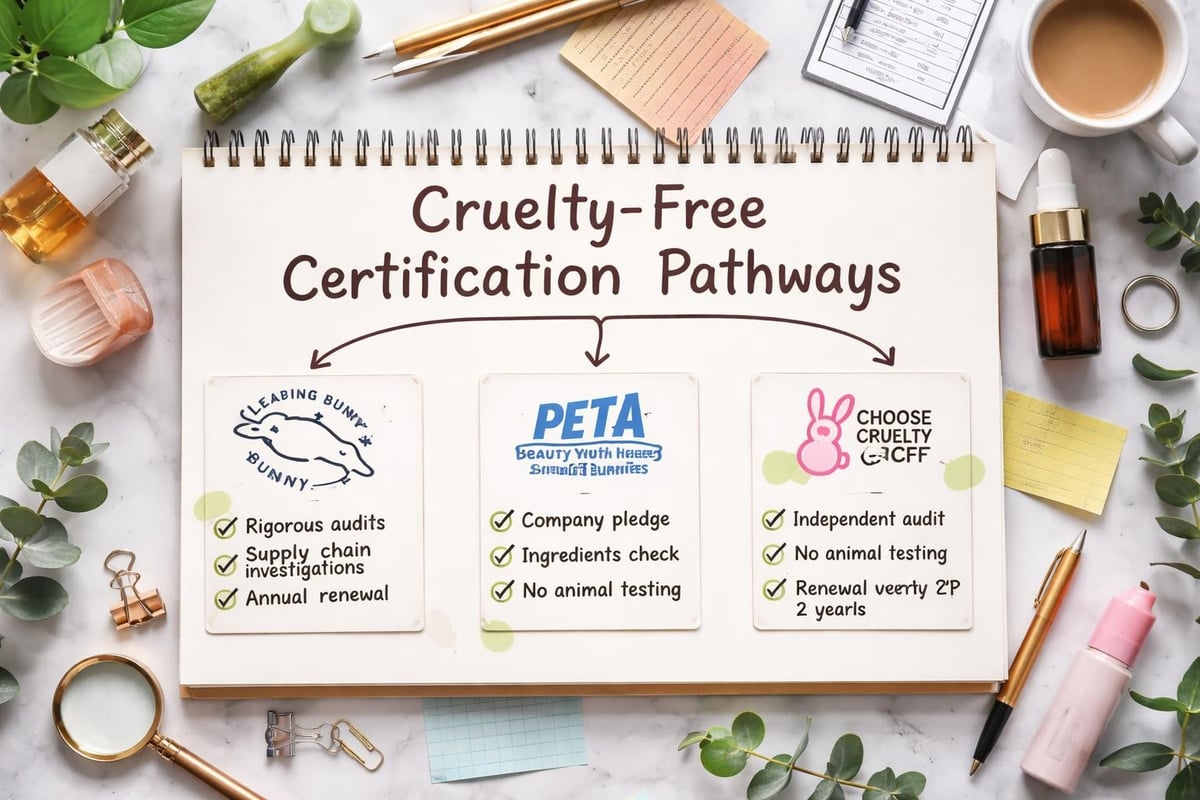
The standards can vary significantly between certifications:
- Leaping Bunny certification requires no animal testing throughout the entire supply chain
- PETA's Beauty Without Bunnies programme verifies companies don't conduct or commission animal testing
- Choose Cruelty Free (CCF) focuses on Australian and New Zealand brands
- Cruelty Free International's certification offers global recognition
The Vegan Distinction
Whilst cruelty-free addresses testing practices, vegan skincare concerns ingredients. A vegan product contains absolutely no animal-derived ingredients. This means avoiding substances like:
- Beeswax and honey (bee products)
- Lanolin (sheep's wool)
- Carmine (crushed insects)
- Collagen and keratin (animal proteins)
- Squalene (traditionally from shark liver, though plant alternatives exist)
Understanding the distinction between vegan and cruelty-free helps you make choices aligned with your values. A product can be vegan but not cruelty-free if it's tested on animals. Conversely, a cruelty-free product might contain animal-derived ingredients like honey or milk proteins.
The Benefits of Choosing Ethical Skincare
Why should you consider switching to cruelty free and vegan skincare? The advantages extend far beyond ethical considerations.
Skin Health Advantages
Plant-based formulations often deliver gentler, more nourishing results. Research into vegan skincare benefits shows that botanical ingredients frequently contain higher concentrations of vitamins, antioxidants, and essential fatty acids compared to synthetic alternatives.
Key skin benefits include:
- Reduced irritation for sensitive skin types
- Higher antioxidant content from plant extracts
- Better absorption due to natural compatibility
- Fewer synthetic chemicals and preservatives
- Anti-inflammatory properties from botanical sources
Many people with sensitive skin find that switching to natural, vegan formulations significantly reduces redness, breakouts, and irritation.
Environmental Impact
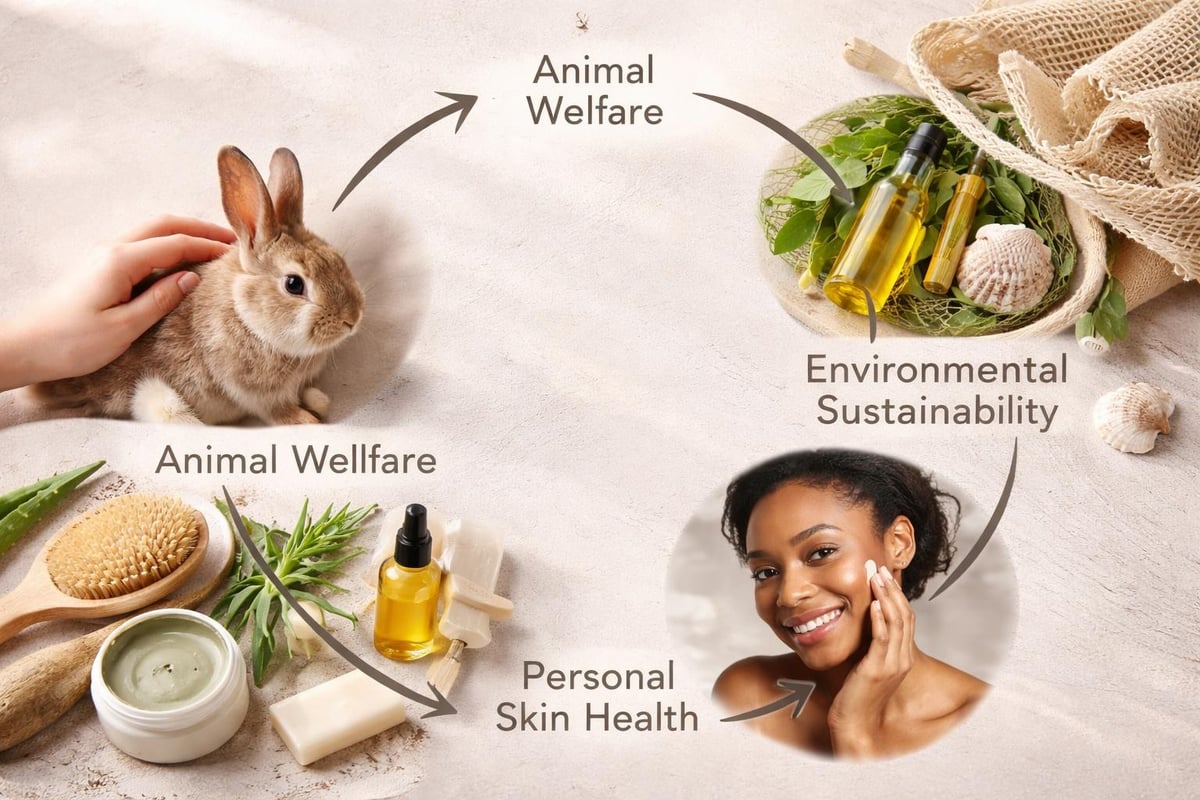
The production of cruelty free and vegan skincare typically requires fewer resources and generates less pollution than conventional products. Plant-based ingredients generally have smaller carbon footprints than animal-derived alternatives, and ethical brands often prioritize sustainable packaging and manufacturing processes.
| Impact Category | Conventional Skincare | Vegan Skincare |
|---|---|---|
| Water Usage | Higher (animal agriculture) | Lower (plant cultivation) |
| Carbon Emissions | Higher production footprint | Reduced environmental impact |
| Packaging Waste | Often non-recyclable | Frequently sustainable materials |
| Biodegradability | Variable, often poor | Generally better breakdown |
Ethical Considerations
Beyond the practical benefits, choosing cruelty free and vegan skincare reflects a commitment to compassion. The historical perspective on cruelty-free movements shows how consumer demand has transformed industry practices, pushing major brands to abandon animal testing and seek alternatives.
Building Your Vegan Skincare Routine
Transitioning to cruelty free and vegan skincare doesn't mean compromising on effectiveness. Modern formulations deliver exceptional results whilst maintaining ethical standards.
Essential Steps for Every Skin Type
Your routine should follow these fundamental steps, adapted to your specific needs:
Morning Routine:
- Gentle cleanser to remove overnight oils
- Toner to balance pH levels
- Serum targeting specific concerns
- Moisturiser for hydration
- SPF protection (always vegan-friendly)
Evening Routine:
- Double cleanse to remove makeup and impurities
- Exfoliation (2-3 times weekly)
- Treatment products or masks
- Night cream or sleeping mask
When exploring popular skincare products, focus on brands that transparently disclose their vegan and cruelty-free credentials.
Choosing Products for Different Skin Types
The beauty of modern cruelty free and vegan skincare lies in its versatility. Plant-based formulations work brilliantly across all skin types when properly matched.
For oily skin: Look for lightweight, oil-free moisturisers containing ingredients like tea tree oil, witch hazel, and salicylic acid derived from willow bark.
For dry skin: Seek rich formulations with plant oils (jojoba, rosehip, argan), hyaluronic acid, and nourishing butters like shea or cocoa.
For combination skin: Balance is key. Use gentle cleansers and lightweight hydrators that won't overwhelm oily zones whilst still nourishing drier areas.
For sensitive skin: Prioritize fragrance-free, simple formulations with soothing ingredients like chamomile, calendula, and oat extract.
Decoding Labels and Certifications
Navigating the world of ethical beauty requires understanding various certifications and marketing claims. Not all "natural" or "clean" products are genuinely cruelty free and vegan skincare.
Recognized Certifications to Trust
When shopping, look for these verified symbols:
- Leaping Bunny: The gold standard for cruelty-free certification globally
- Vegan Society Trademark: Guarantees no animal ingredients or testing
- PETA Certified: Offers both cruelty-free and vegan verification programmes
- Natrue: European certification for natural and organic cosmetics
- Soil Association: UK organic certification that requires cruelty-free practices
Watch Out for Misleading Claims
Unfortunately, greenwashing is common in the beauty industry. Terms like "natural," "clean," or "eco-friendly" aren't regulated and can be applied to products that don't meet ethical standards.
Red flags to watch for:
- Vague claims without third-party verification
- "Not tested on animals" when ingredients were tested previously
- "Cruelty-free" brands owned by parent companies that test on animals
- Products marketed as vegan but containing hidden animal derivatives
- Brands that only avoid testing where legally required
Research from cruelty-free beauty experts emphasizes the importance of looking beyond marketing to examine actual ingredient lists and company policies.
Common Animal-Derived Ingredients to Avoid
Even experienced ethical shoppers can miss hidden animal ingredients. Familiarizing yourself with common culprits helps ensure your cruelty free and vegan skincare routine stays truly plant-based.
Frequently Hidden Animal Ingredients
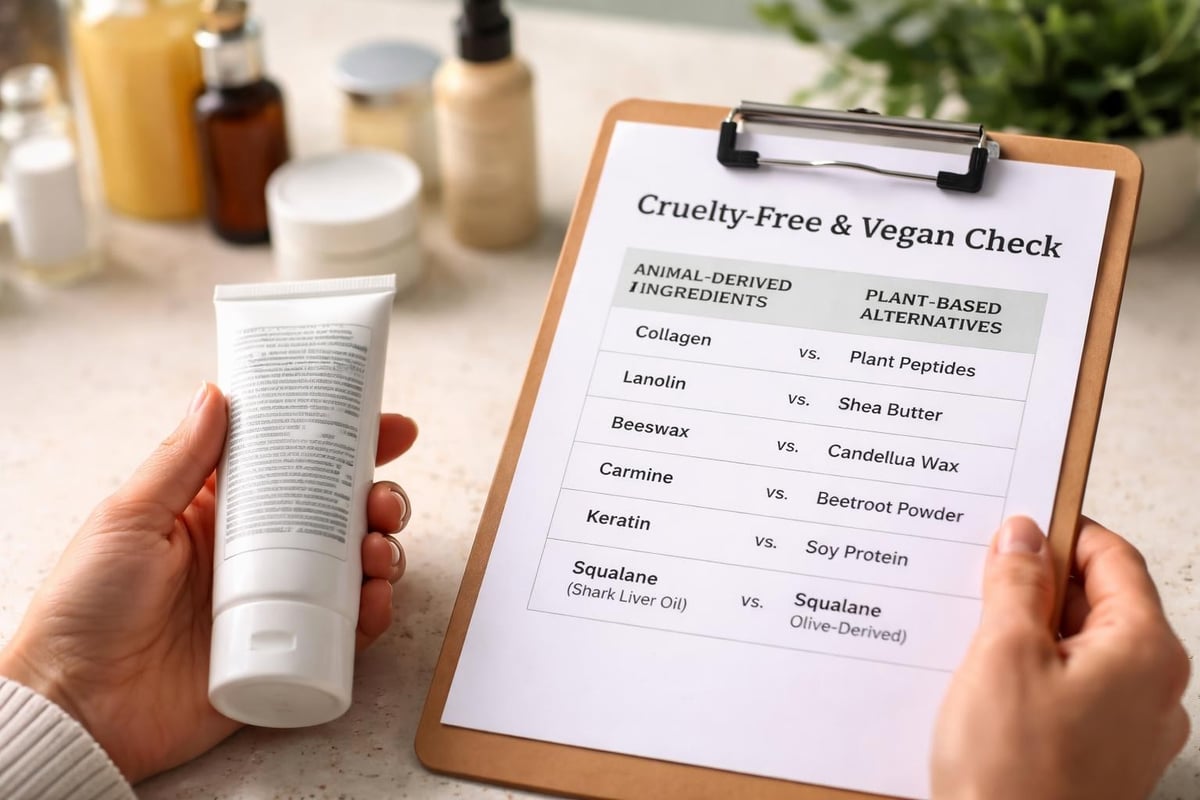
| Ingredient | Animal Source | Vegan Alternative |
|---|---|---|
| Lanolin | Sheep's wool | Plant oils, shea butter |
| Carmine/Cochineal | Crushed beetles | Beetroot extract, synthetic dyes |
| Collagen | Animal connective tissue | Plant peptides, soy protein |
| Squalene | Shark liver | Olive-derived squalane |
| Glycerin | Animal fats (sometimes) | Vegetable glycerin |
| Stearic Acid | Animal fats | Palm or coconut derived |
Reading Ingredient Lists Effectively
Ingredients are listed in descending order by concentration. The first five to seven ingredients typically make up the majority of the product. When reviewing non-toxic skincare brands, scrutinize these primary ingredients especially carefully.
UK Regulations and Global Standards
Understanding the regulatory landscape helps you make informed choices about cruelty free and vegan skincare, particularly in the UK market.
UK and EU Animal Testing Bans
Since 2013, it's been illegal to sell cosmetics tested on animals within the European Union, and the UK has maintained this standard post-Brexit. However, this doesn't automatically make all products cruelty-free, as ingredients might have been tested on animals before the ban or in countries where testing remains legal.
Key regulatory points:
- Finished products cannot be tested on animals for UK/EU sale
- Individual ingredients might have historical animal testing data
- Brands can still sell in markets requiring animal testing (like China's pre-market requirements, though this is changing)
- The ban only applies to cosmetics, not other product categories
Shopping Beyond Borders
When purchasing international brands, remember that "cruelty-free in the UK" doesn't guarantee global ethical standards. Some companies maintain different policies for different markets, testing products for countries that legally require it whilst remaining technically compliant in regions with bans.
Supporting Ethical Brands and Making Impact
Your purchasing power drives industry change. Every time you choose cruelty free and vegan skincare, you're voting for a more compassionate beauty industry.
How to Research Brands Thoroughly
Before committing to a new brand, investigate their practices:
- Visit their official website and read their ethics policies
- Check for certification from recognized organizations
- Research the parent company if applicable
- Read independent reviews from ethical beauty communities
- Contact customer service with specific questions about ingredients and testing
Many consumers appreciate brands like those featured in best skincare reviews that transparently share their sourcing and manufacturing processes.
Supporting Small, Independent Brands
Whilst major corporations are gradually adopting cruelty-free practices, small independent brands often lead the ethical beauty movement. UK-based skincare brands frequently demonstrate stronger commitments to sustainability and ethical sourcing because these values are embedded in their founding principles.
Benefits of supporting independent ethical brands:
- Direct impact on companies prioritizing ethics over profit margins
- Often higher quality, handcrafted formulations
- Better customer service and transparency
- Support for local economies and sustainable practices
- Innovation in plant-based ingredients and formulations
Addressing Common Myths and Concerns
Despite growing popularity, several misconceptions about cruelty free and vegan skincare persist. Let's address these head-on with facts.
Myth: Vegan Skincare Is Less Effective
This outdated belief stems from early natural beauty products that often underperformed. Modern plant-based formulations rival or exceed conventional products in efficacy. Research into why vegan skincare matters demonstrates that botanical ingredients often deliver superior antioxidant protection and anti-aging benefits.
Myth: It's Too Expensive
Whilst some luxury ethical brands command premium prices, cruelty free and vegan skincare exists at every price point. Many affordable options deliver excellent results without animal testing or ingredients. The key is researching all-natural skin products across various price ranges.
Myth: Limited Product Selection
The market has expanded dramatically. You can now find cruelty free and vegan alternatives for every skincare need:
- Cleansers and makeup removers
- Toners and essences
- Serums and treatments
- Day and night moisturisers
- Eye creams and lip balms
- Masks and exfoliants
- Sun protection
- Specialty treatments for specific concerns
Making the Transition Successfully
Switching your entire routine to cruelty free and vegan skincare doesn't need to happen overnight. A gradual, thoughtful approach often yields the best results.
Step-by-Step Transition Plan
Phase 1 (Weeks 1-4): Replace your cleanser and moisturiser. These products have the most skin contact and make excellent starting points.
Phase 2 (Weeks 5-8): Introduce vegan toners and serums. These targeted treatments address specific concerns whilst maintaining ethical standards.
Phase 3 (Weeks 9-12): Complete your transition with specialty products like masks, exfoliants, and eye creams.
Managing Skin Adjustments
When transitioning to new products, your skin might experience a brief adjustment period. This doesn't mean the products aren't working. Give new cruelty free and vegan skincare at least 4-6 weeks before judging effectiveness, as skin cell turnover takes approximately 28 days.
Tips for smooth transitions:
- Introduce one new product at a time
- Maintain consistent routines during testing periods
- Keep a skin journal to track changes
- Don't panic at minor initial breakouts (purging is normal)
- Consult with skincare professionals if concerns arise
The Future of Ethical Beauty
The trajectory of cruelty free and vegan skincare points toward continued growth and innovation. Consumer demand drives companies to develop increasingly sophisticated plant-based alternatives to traditional ingredients.
Emerging Technologies and Ingredients
Scientific advances are creating exciting possibilities:
- Biofermentation technology producing sustainable, effective active ingredients
- Cell-cultured ingredients that replicate animal-derived components without animals
- Advanced plant extraction methods yielding higher concentrations of beneficial compounds
- Sustainable packaging innovations reducing environmental impact
- AI-driven formulation matching products to individual skin profiles
Industry Shifts and Consumer Power
As discussed in comprehensive guides to cruelty-free beauty, consumer preferences are fundamentally reshaping the beauty industry. Major retailers now dedicate entire sections to ethical products, and previously resistant brands are reformulating to meet demand.
Market trends to watch:
- Increased transparency in supply chains
- Greater availability of certification programmes
- Mainstream adoption by major beauty corporations
- Government regulations strengthening animal protection
- Growing consumer education and awareness
Finding Your Perfect Vegan Skincare Match
With countless options available, discovering your ideal cruelty free and vegan skincare routine requires some experimentation, but the journey is worthwhile.
Trial and Discovery Approaches
Many ethical brands offer discovery sets or samples, allowing you to test products before committing to full sizes. These sample and trial sets provide cost-effective ways to explore different formulations and find what works best for your unique skin.
Smart shopping strategies:
- Start with travel sizes when available
- Take advantage of satisfaction guarantees
- Join brand communities for honest reviews
- Consider subscription boxes featuring ethical brands
- Attend events or workshops to try products in person
Building a Sustainable Routine
The best skincare routine is one you'll actually maintain. Don't overcomplicate things with dozens of products. A simple, consistent routine using quality cruelty free and vegan skincare often delivers better results than an elaborate regimen you abandon after a fortnight.
Focus on these essentials and build from there based on your specific needs and concerns. Quality matters more than quantity, and carefully selected products that align with your values will serve you better than cabinets full of half-used items.
Embracing cruelty free and vegan skincare represents a meaningful step toward more conscious consumption that benefits your skin, animals, and the planet. The journey to ethical beauty doesn't require perfection, just thoughtful choices and genuine commitment to learning and improving. If you're ready to experience the difference that natural, ethical skincare can make, explore White Rabbit Skin Care for a thoughtfully curated collection of vegan products crafted with the finest natural ingredients and genuine commitment to sustainability. Your skin and conscience will thank you.