


Cosmetics for Sensitive Skin: A Complete Guide
Finding the right beauty products when you have reactive skin can feel like navigating a minefield. Whether your face flushes at the slightest change in temperature, certain ingredients trigger redness, or you experience persistent tightness after cleansing, you're not alone in this struggle. Understanding how to select appropriate cosmetics for sensitive skin has become increasingly important as more people report heightened reactivity to conventional beauty formulations. The good news is that with the right knowledge and a thoughtful approach, you can build a skincare collection that nurtures your complexion without triggering unwanted reactions.
Understanding What Makes Skin Sensitive
Sensitive skin isn't just a marketing term; it's a genuine condition recognised by dermatologists worldwide. The nature of sensitive skin varies considerably between individuals, but common characteristics include redness, stinging, burning, itching, or tightness after product application.
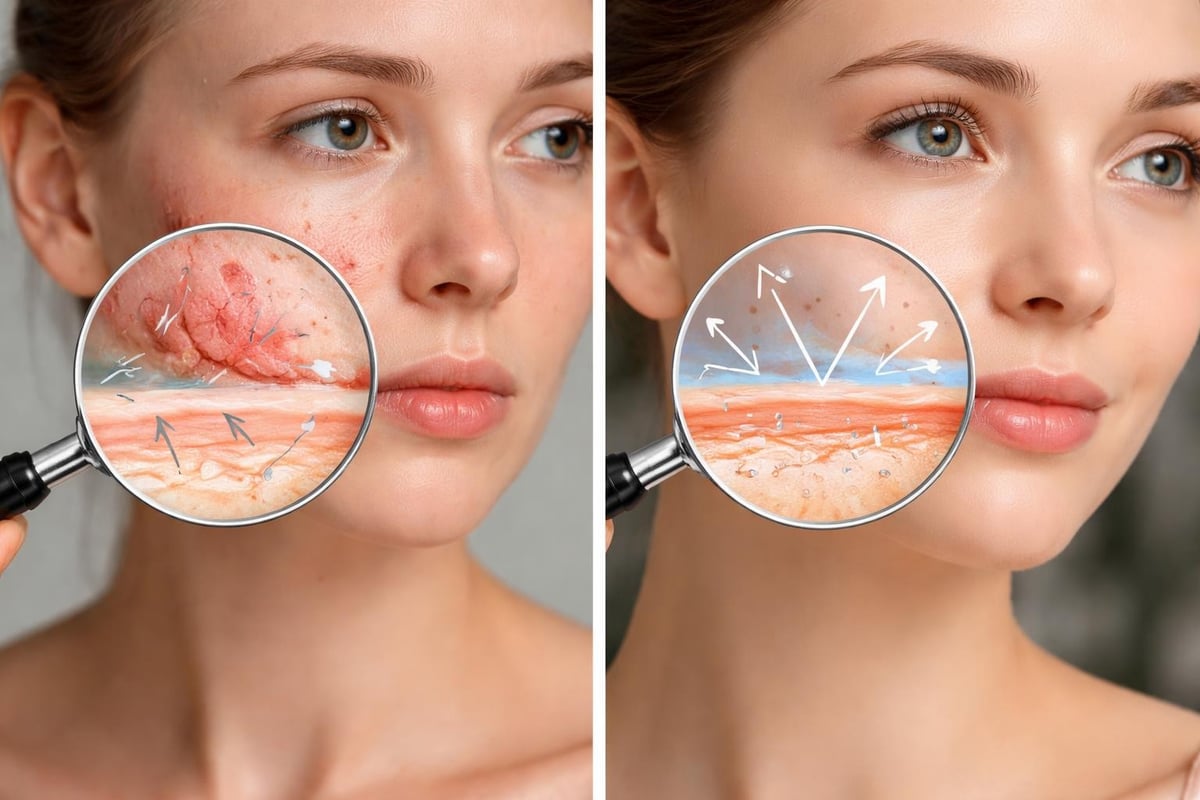
Your skin's protective barrier plays a crucial role in this sensitivity. When this barrier becomes compromised, it allows irritants to penetrate more easily whilst moisture escapes, leading to the uncomfortable symptoms many experience. Environmental factors, genetics, underlying conditions like rosacea or eczema, and even stress can all contribute to sensitivity.
The Science Behind Reactive Skin
Research shows that sensitive skin often exhibits increased nerve density and heightened immune responses. This means your complexion quite literally feels more than less reactive skin types. Understanding this biological difference helps explain why certain cosmetics for sensitive skin need to be formulated with exceptional care and gentleness.
The beauty industry has responded to the growing number of consumers seeking skin barrier support by developing products that exclude common irritants whilst incorporating calming ingredients.
Ingredients to Embrace and Avoid
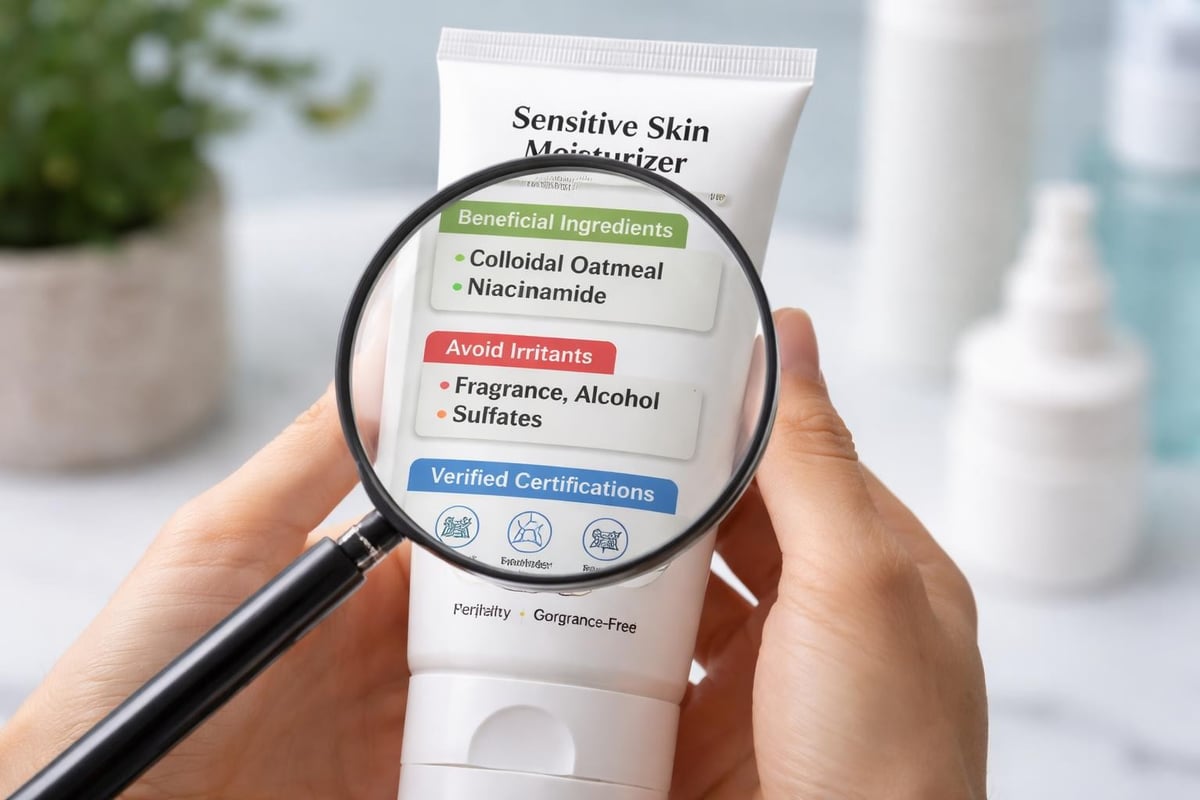
When selecting cosmetics for sensitive skin, your ingredient list becomes your most valuable tool. Learning to decode product labels empowers you to make informed decisions that protect your complexion.
Beneficial Ingredients for Reactive Complexions
Calming botanicals should feature prominently in your routine:
- Chamomile extract reduces inflammation and soothes redness
- Aloe vera provides hydration without heaviness
- Calendula supports skin healing
- Green tea offers antioxidant protection
- Oat extract calms irritation
Barrier-supporting components help strengthen your skin's defences:
- Ceramides replenish the lipid barrier
- Niacinamide reduces inflammation and improves resilience
- Hyaluronic acid hydrates without irritation
- Glycerin attracts and retains moisture
- Squalane mimics skin's natural oils
Marine-derived ingredients have also shown promising benefits for sensitive skin, offering gentle yet effective nourishment through compounds naturally found in oceanic sources.
Problematic Ingredients to Steer Clear Of
Understanding which ingredients to avoid is equally important. Dr. Lisa Thompson's research highlights several common culprits that frequently trigger reactions:
| Ingredient Type | Common Names | Why They Irritate |
|---|---|---|
| Synthetic fragrances | Parfum, fragrance | Contain multiple undisclosed chemicals |
| Harsh surfactants | Sodium lauryl sulfate (SLS) | Strip natural oils aggressively |
| Alcohol-based astringents | SD alcohol, denatured alcohol | Dry and compromise barrier |
| Chemical exfoliants (high %) | High-strength AHAs, BHAs | Over-exfoliate sensitive skin |
| Essential oils | Various botanical oils | Can cause contact dermatitis |
When exploring natural cosmetic products, remember that "natural" doesn't automatically mean gentle. Essential oils, whilst natural, remain among the most common sensitisers.
Reading Labels Like a Professional
Decoding cosmetic ingredient lists requires practice, but this skill proves invaluable for anyone with reactive skin. Understanding cosmetic ingredients helps you identify potential sensitisers before they touch your face.
Ingredients appear in descending order by concentration. The first five ingredients typically comprise the bulk of the formulation, so pay particular attention to these. If a known irritant appears within the first few listings, that product likely isn't suitable for sensitive complexions.
Certifications and Claims That Matter
When selecting cosmetics for sensitive skin, certain certifications provide additional reassurance:
- Dermatologist-tested: Products have undergone professional evaluation
- Hypoallergenic: Formulated to minimise allergic reactions
- Non-comedogenic: Won't clog pores
- Fragrance-free: Contains no added fragrances (different from "unscented")
- Cruelty-free and vegan: Important for ethical considerations and often indicates gentler formulations
Determining suitability from labels requires looking beyond marketing claims to examine the actual ingredient deck and certification seals.
Building Your Gentle Skincare Routine
Creating an effective yet gentle routine with cosmetics for sensitive skin follows a strategic layering approach. Simplicity often yields better results than elaborate multi-step regimens that increase the risk of reactions.
Morning Protection Protocol
Step 1: Gentle Cleansing
Start with a mild, pH-balanced cleanser that removes overnight oils without stripping. Cream or gel cleansers typically work better than foaming formulations for reactive skin. Those with dry sensitive skin may benefit from particularly emollient cleansing formulas.
Step 2: Soothing Toner
Apply an alcohol-free toner that restores pH balance and delivers hydrating ingredients. Look for formulations featuring thermal spring water, rose water, or hyaluronic acid.
Step 3: Targeted Treatment
If using serums or treatments, select one focused ingredient addressing your primary concern. Niacinamide or centella asiatica work beautifully for sensitivity.
Step 4: Moisturising Protection
Choose a moisturiser with barrier-repairing ingredients. The formulation should feel comfortable without heaviness or greasiness.
Step 5: Mineral Sun Protection
Physical sunscreens containing zinc oxide or titanium dioxide generally cause fewer reactions than chemical filters.
Evening Repair Routine
Your evening routine allows skin to recover and rebuild overnight. Consider this simplified structure:
- Double cleanse if wearing makeup (oil cleanser followed by gentle water-based cleanser)
- Apply hydrating toner
- Use a nourishing serum with barrier-supporting ingredients
- Finish with a richer night cream or sleeping mask
An effective evening routine structure provides adequate recovery time between products and focuses on repair rather than active treatments.
Vegan and Natural Approaches to Sensitive Skin Care
The rise of vegan skincare has proven particularly beneficial for those seeking cosmetics for sensitive skin. Vegan formulations exclude animal-derived ingredients that can sometimes trigger reactions, whilst emphasising plant-based alternatives that often prove gentler.
Why Vegan Formulations Excel for Reactive Skin
Transparency in sourcing: Vegan brands typically provide clearer ingredient provenance, allowing you to trace components back to their origins.
Fewer processing steps: Plant-based ingredients often require less chemical processing than animal derivatives, resulting in purer formulations.
Ethical alignment: Many people with sensitive skin appreciate knowing their products align with cruelty-free values whilst addressing their skincare needs.
The commitment to non-toxic skincare extends beyond avoiding animal products to eliminating synthetic irritants and potential endocrine disruptors.
Natural Ingredients That Truly Work
Not all natural ingredients suit sensitive skin, but these plant-based options demonstrate consistent benefits:
- Jojoba oil: Closely mimics sebum without clogging pores
- Shea butter: Provides rich moisture with anti-inflammatory properties
- Cucumber extract: Cools and soothes reactive skin
- Licorice root: Brightens and calms simultaneously
- Rosehip oil: Delivers vitamins without heaviness
When exploring sensitive skin skincare brands, prioritise those that combine traditional botanical wisdom with modern formulation science.

Colour Cosmetics and Makeup for Reactive Skin
Choosing cosmetics for sensitive skin extends beyond skincare to include makeup products. Foundation, concealer, blush, and eye products all contact your skin and can trigger reactions if improperly formulated.
Foundation and Base Products
| Product Type | Best Formulations | Ingredients to Seek |
|---|---|---|
| Liquid foundation | Mineral-based, serum-infused | Zinc oxide, hyaluronic acid |
| Powder foundation | Loose mineral powder | Mica, titanium dioxide |
| Concealer | Creamy, hydrating | Vitamin E, chamomile |
| Primer | Silicone-free, hydrating | Glycerin, aloe vera |
Mineral makeup deserves special mention for reactive complexions. These formulations typically contain fewer ingredients and avoid many common irritants found in conventional makeup.
Eye and Lip Products
The delicate skin around your eyes and lips requires extra consideration. Ophthalmologist-tested eye products provide additional safety assurance, whilst lip products should exclude potential allergens like certain waxes or flavourings.
Safe eye makeup choices:
- Cream eyeshadows with minimal shimmer
- Hypoallergenic mascaras
- Gel or pencil eyeliners rather than liquid
- Oil-free eye makeup removers
Gentle lip products:
- Tinted balms with natural oils
- Mineral-based lipsticks
- Fragrance-free lip treatments
- Petroleum-free glosses
Testing New Products Safely
Even when you've carefully selected cosmetics for sensitive skin, proper introduction remains crucial. Patch testing prevents full-face reactions and helps identify problematic products before they cause significant issues.
The Patch Testing Protocol
Location selection: Test products on your inner forearm or behind your ear, areas less visible but still representative of facial skin.
Application method: Apply a small amount twice daily for at least 48 hours, preferably extending to seven days for delayed reactions.
Observation: Watch for redness, itching, burning, bumps, or any discomfort. Even mild reactions suggest avoiding that product.
Gradual introduction: Once patch-tested successfully, introduce new products one at a time with at least two weeks between additions.
This methodical approach, whilst requiring patience, prevents the frustration of multiple simultaneous reactions where pinpointing the culprit becomes impossible.
Seasonal Adjustments for Sensitive Skin
Your skin's needs fluctuate throughout the year, requiring strategic adjustments to your cosmetics for sensitive skin routine. Environmental factors like temperature, humidity, and central heating all impact barrier function.
Winter Considerations
Cold air and indoor heating create a perfect storm for sensitivity. During winter months:
- Switch to creamier, richer cleansers
- Layer hydrating serums under moisturiser
- Use occlusives like plant-based squalane to seal in moisture
- Protect exposed skin with scarves and gentle balms
Summer Adaptations
Heat and humidity require lighter formulations:
- Opt for gel-based cleansers and moisturisers
- Use mineral sunscreen religiously
- Incorporate soothing mists throughout the day
- Choose oil-free makeup formulations
Spring and Autumn Transitions
These transitional seasons often trigger increased reactivity. Maintain consistency in your core routine whilst making subtle texture adjustments as needed.
Professional Guidance and When to Seek Help
Whilst selecting appropriate cosmetics for sensitive skin empowers self-care, professional guidance proves invaluable for persistent or severe reactivity. Dermatologists can identify underlying conditions, perform allergy testing, and recommend prescription treatments when necessary.
Signs You Need Professional Assessment
- Persistent redness lasting weeks
- Severe burning or stinging with most products
- Skin that's worsening despite gentle care
- Suspected allergic contact dermatitis
- Breakouts that don't respond to appropriate products
Choosing professional cosmetic products sometimes requires dermatological input, particularly when incorporating active ingredients like retinoids or higher-concentration acids.
The cosmetic perspective from dermatologists emphasises evidence-based formulations and individualized approaches rather than one-size-fits-all solutions.
Creating a Sustainable Sensitive Skincare Practice
Building a long-term relationship with cosmetics for sensitive skin requires patience, observation, and adaptation. Your skin evolves with age, hormones, stress levels, and environmental factors, necessitating periodic reassessment of your routine.
Keeping a Skincare Journal
Document your product experiences to identify patterns over time:
- Product names and ingredients
- Application dates and times
- Reactions or improvements noticed
- Environmental factors (weather, stress, diet changes)
- Monthly skin condition assessments
This record becomes invaluable when troubleshooting reactions or communicating with dermatologists.
Building Your Core Collection
Rather than accumulating numerous products, focus on perfecting a streamlined collection of reliable cosmetics for sensitive skin:
Essential items:
- One trusted cleanser
- One hydrating toner
- One barrier-supporting serum
- One daily moisturiser
- One richer night cream
- One mineral sunscreen
- Gentle makeup remover
Optional additions:
- Treatment serum for specific concerns
- Calming face mask
- Overnight sleeping pack
- Spot treatment
Quality consistently outperforms quantity for reactive complexions. The best-rated skincare for sensitive types emphasizes simplicity and efficacy over trendy ingredients.
The Future of Sensitive Skincare
Innovation in cosmetics for sensitive skin continues advancing, with researchers exploring new gentle actives and delivery systems that minimize irritation whilst maximizing efficacy. Microbiome science, personalized formulations, and biotechnology all promise exciting developments.
Emerging Trends Worth Watching
Microbiome-friendly formulations: Products designed to support beneficial skin bacteria show promise for reducing sensitivity and improving barrier function.
Biomimetic ingredients: Compounds that closely mimic skin's natural structures often integrate seamlessly without triggering immune responses.
Minimal processing: Cold-pressed and minimally processed ingredients retain more beneficial compounds whilst reducing potential irritants.
Transparency technology: Apps and databases allowing instant ingredient analysis help consumers make informed decisions about product safety.
As awareness grows, safer personal care products become increasingly accessible, empowering consumers to prioritize both skin health and overall wellbeing.
The commitment to gentle, effective formulations represents more than a trend; it reflects a fundamental shift toward respecting skin's complexity and individual needs. By combining traditional botanical wisdom with modern scientific understanding, the future of cosmetics for sensitive skin looks brighter than ever.
Finding cosmetics for sensitive skin that truly work requires knowledge, patience, and a commitment to gentle, effective formulations. By understanding your skin's unique needs, reading labels carefully, and choosing products formulated with both efficacy and gentleness in mind, you can build a routine that calms rather than aggravates. White Rabbit Skin Care specializes in natural, vegan formulations designed specifically for sensitive and reactive skin types, offering cleansers, toners, and moisturisers that prioritize your skin's health without compromise. Explore their thoughtfully curated collection to discover products that respect your skin's sensitivity whilst delivering the nourishment it deserves.