

Cleanest Skin Care Line: Your Guide to Pure Beauty
Finding the cleanest skin care line for your routine has become increasingly important as we become more aware of what we're putting on our bodies. With the beauty industry constantly evolving and new standards emerging, understanding what "clean" truly means can feel overwhelming. The good news? We're here to guide you through everything you need to know about selecting products that are genuinely pure, effective, and aligned with your values. Whether you're searching for the cleanest skin care line to address specific concerns or simply want to make more informed choices, this comprehensive guide will help you navigate the world of clean beauty with confidence.
Understanding What Makes the Cleanest Skin Care Line
The term "clean beauty" doesn't have a single, universally accepted definition, which can make finding the cleanest skin care line quite challenging. However, major retailers and beauty publications are working to establish clearer standards that consumers can trust.
Key characteristics of clean skincare typically include:
- Free from potentially harmful synthetic chemicals
- Transparent ingredient sourcing and formulation
- Cruelty-free and ethical production methods
- Environmentally sustainable packaging
- Absence of controversial ingredients like parabens, phthalates, and synthetic fragrances
According to Vogue's coverage of clean beauty standards, major retailers are collaborating to create unified criteria that help consumers identify genuinely clean products. This industry-wide effort represents a significant step toward standardization in 2026.
The Challenge of "Clean" Definitions
Recent research has shown that even products marketed as clean may contain unexpected ingredients. Studies on clean beauty products have revealed that some formulations, particularly those for textured hair, still contain hidden hazards despite their clean claims.
This makes it absolutely essential to look beyond marketing language when selecting your skincare. Reading ingredient lists, understanding certifications, and researching brand transparency are all crucial steps in finding the cleanest skin care line for your needs.
Essential Ingredients to Seek and Avoid
When evaluating the cleanest skin care line options, knowing which ingredients to embrace and which to avoid forms the foundation of your selection process.
Ingredients to Embrace
Natural and plant-based ingredients offer incredible benefits without the concerns associated with synthetic alternatives. The best natural cosmetic products typically feature botanicals that have been used for centuries alongside modern scientific validation.
Beneficial natural ingredients include:
- Plant oils: Rosehip, jojoba, argan, and olive oil provide deep nourishment
- Botanical extracts: Chamomile, green tea, and calendula offer soothing properties
- Natural humectants: Hyaluronic acid and glycerin draw moisture into skin
- Vitamin-rich ingredients: Sea buckthorn, rosehip, and carrot seed oil
- Essential oils: Lavender, frankincense, and rose (when properly diluted)
Ingredients to Question or Avoid
| Ingredient Category | Why to Avoid | Common Names |
|---|---|---|
| Parabens | Potential hormone disruption | Methylparaben, propylparaben |
| Phthalates | Endocrine concerns | DBP, DEP, often hidden in "fragrance" |
| Synthetic fragrances | Allergens and irritants | "Parfum" or "fragrance" |
| Sulfates | Overly harsh cleansing | SLS, SLES |
| Formaldehyde releasers | Skin sensitization | DMDM hydantoin, quaternium-15 |
Understanding these distinctions helps you identify products that genuinely deserve to be called the cleanest skin care line rather than those simply using clean-washing marketing tactics.
Certifications and Standards That Matter
Third-party certifications provide valuable validation when you're searching for the cleanest skin care line. These independent assessments ensure products meet specific criteria beyond what brands self-report.
Recognized Clean Beauty Certifications
COSMOS certification represents one of the most rigorous standards for natural and organic cosmetics in Europe. Products bearing this seal meet strict requirements for ingredient sourcing, manufacturing processes, and environmental impact.
The Soil Association certification ensures organic ingredients and sustainable practices. This UK-based organization provides comprehensive oversight of product claims and formulation integrity.
Leaping Bunny certification guarantees cruelty-free products throughout the entire supply chain, not just the final formulation. This matters tremendously for those seeking ethical beauty options.
Allure's Clean Best of Beauty Seal has become increasingly influential in helping consumers identify products that meet specific clean standards, though criteria continue to evolve.
Vegan Certification Importance
For those prioritizing plant-based options, vegan certification ensures no animal-derived ingredients appear in formulations. Vegan face lotions and other products bearing official vegan certification offer peace of mind that your values align with your skincare routine.
The Vegan Society's Trademark represents the gold standard for vegan verification, requiring products to be free from animal ingredients and testing at all stages of production.
Evaluating Brand Transparency and Ethics
Beyond individual product formulations, the cleanest skin care line comes from brands demonstrating genuine commitment to transparency and ethical practices.
Questions to Ask About Brands
- Do they openly share their full ingredient lists?
- Can you trace the sourcing of their key ingredients?
- What sustainable practices do they implement?
- How do they handle packaging and waste?
- Are their manufacturing processes environmentally responsible?
The importance of authenticity in natural skincare brands cannot be overstated. Genuine brands willingly share information about their processes, ingredients, and values rather than hiding behind vague marketing language.
Sustainability Considerations
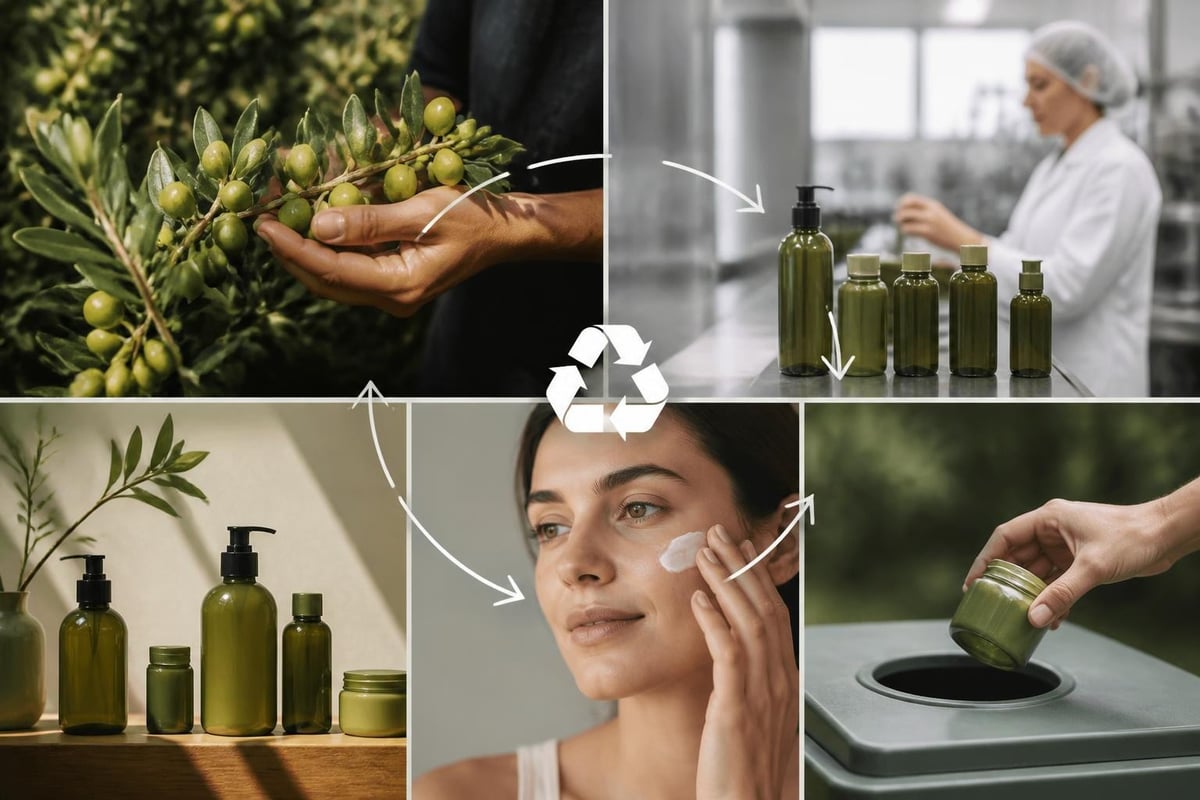
The cleanest skin care line extends beyond what's inside the bottle to encompass environmental impact. Look for brands using:
- Recyclable or biodegradable packaging
- Minimal packaging waste
- Refillable options
- Carbon-neutral shipping
- Sustainable ingredient sourcing
Choosing Products for Your Skin Type
The cleanest skin care line should also be the most effective for your individual needs. Clean doesn't mean compromising on results.
For Sensitive Skin
Sensitive skin requires particular attention to formulation simplicity and gentle ingredients. Face products for sensitive skin should feature minimal ingredients, avoiding common irritants while providing effective care.
Best practices for sensitive skin:
- Choose fragrance-free formulations
- Look for soothing botanicals like chamomile and calendula
- Avoid essential oils if you're particularly reactive
- Patch test new products before full application
- Select products with shorter ingredient lists
Products like the Coconut Rosehip Calming Cream demonstrate how clean formulations can effectively address sensitive skin needs without harsh ingredients.
For Dry and Dehydrated Skin
Dry skin benefits from rich, nourishing formulations featuring plant oils and butters. The best face care products for this skin type should include intensive moisturization without synthetic fillers.
| Skin Concern | Ideal Clean Ingredients | Product Types |
|---|---|---|
| Dryness | Shea butter, avocado oil, ceramides | Rich creams, facial oils |
| Dehydration | Hyaluronic acid, glycerin, aloe vera | Serums, hydrating toners |
| Flakiness | Gentle fruit enzymes, jojoba oil | Mild exfoliants, cleansing balms |
For Oily and Combination Skin
Contrary to popular belief, oily skin still needs proper hydration. The cleanest skin care line for oily skin includes lightweight, non-comedogenic formulations that balance oil production without stripping the skin.
Beneficial ingredients for oily skin include:
- Tea tree oil for natural antibacterial properties
- Niacinamide to regulate sebum production
- Witch hazel as a natural astringent
- Lightweight plant oils like jojoba that mimic skin's natural sebum
Building Your Clean Skincare Routine
Creating an effective routine with the cleanest skin care line requires understanding the proper order and combination of products.
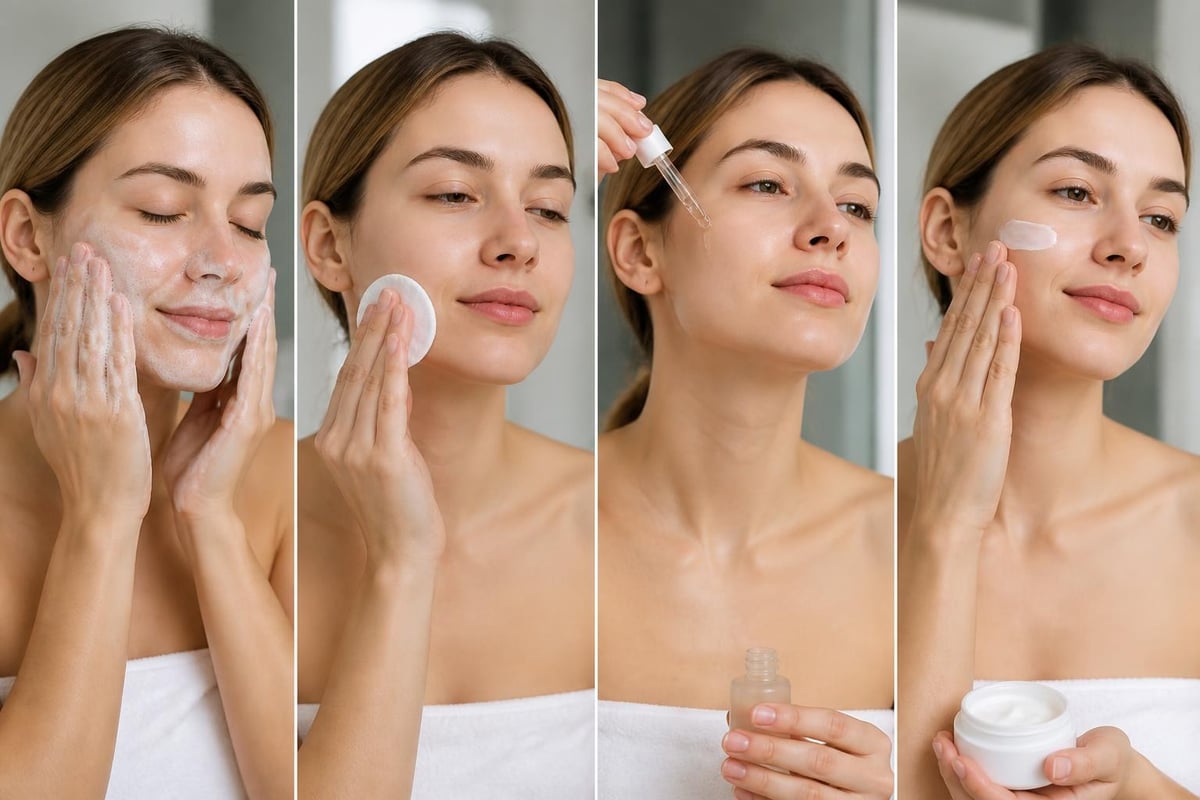
The Essential Four-Step Routine
Step 1: Cleansing removes impurities, makeup, and environmental pollutants. The Cleansing Balm approach uses natural oils to dissolve makeup and dirt without harsh sulfates.
Step 2: Toning rebalances skin pH and prepares it for subsequent products. Natural toners like the Orange Blossom Toner provide hydration and gentle refinement.
Step 3: Treatment addresses specific concerns with serums or targeted products. The Olive and Avocado Serum demonstrates how pure plant oils can deliver concentrated benefits.
Step 4: Moisturizing locks in hydration and protects the skin barrier. Options range from lightweight day creams to richer night formulations like the Rose and Orange Night Cream.
Customizing for Your Needs
The beauty of the cleanest skin care line is its adaptability. You can adjust your routine based on season, skin changes, or specific concerns without introducing questionable ingredients.
Morning routine modifications:
- Add SPF protection (mineral-based options are cleanest)
- Use lighter formulations for daytime
- Include antioxidant serums for environmental protection
Evening routine enhancements:
- Incorporate gentle exfoliation 2-3 times weekly
- Use richer moisturizers for overnight repair
- Add targeted treatments for specific concerns
The UK Clean Beauty Landscape in 2026
The best UK skincare brands have embraced clean formulations with particular enthusiasm, leading innovation in natural and vegan skincare.
UK-Specific Advantages
British brands often benefit from:
- Stricter EU-inherited cosmetic regulations
- Strong tradition of botanical formulation
- Emphasis on sustainability and ethical sourcing
- Transparency in ingredient disclosure
- Commitment to cruelty-free practices
Supporting Local Clean Beauty
Choosing UK-based brands for the cleanest skin care line offers additional benefits beyond product quality. Local production typically means shorter supply chains, reduced carbon footprint, and support for domestic sustainable practices.
Small-batch production, common among UK clean beauty brands, allows for greater quality control and fresher formulations compared to mass-produced alternatives.
Price Versus Value in Clean Skincare
Many assume the cleanest skin care line must be expensive, but this isn't necessarily true. Understanding the difference between price and value helps you make smart investments.
What You're Really Paying For
Higher prices in clean beauty often reflect:
- Quality ingredients: Organic and sustainably sourced materials cost more
- Ethical production: Fair wages and sustainable practices increase costs
- Smaller batches: Artisanal production versus mass manufacturing
- Research and development: Creating effective natural formulations requires expertise
- Sustainable packaging: Eco-friendly materials typically cost more than conventional options
Finding Affordable Clean Options
The cleanest skin care line doesn't have to break the bank. Inexpensive skin care brands that prioritize clean formulations demonstrate that affordability and quality can coexist.
Money-saving strategies include:
- Start with essential products rather than complete ranges
- Use multi-purpose products when possible
- Watch for sustainable brands offering sample sizes
- Invest more in leave-on products, less in rinse-off cleansers
- Consider concentrated formulations that last longer
Reading Labels Like a Professional
Becoming proficient at reading ingredient labels empowers you to identify the cleanest skin care line without relying solely on marketing claims.
Understanding Ingredient Order
Ingredients are listed by concentration, with the highest amounts first. This means the first five to seven ingredients make up the bulk of any formulation.
Key label-reading tips:
- Water often appears first but isn't concerning
- Active ingredients should appear in the top third
- Preservatives typically appear near the end
- "And other ingredients" or similar vague language is a red flag
- Trade secrets shouldn't hide potentially harmful ingredients
Decoding Scientific Names
Many beneficial natural ingredients have intimidating scientific names. For example, Tocopherol is vitamin E, and Ascorbic Acid is vitamin C. Don't let technical terminology deter you from excellent clean formulations.
Common Clean Beauty Myths Debunked
Misinformation about the cleanest skin care line can lead to poor purchasing decisions. Let's address some persistent myths.
Myth: Natural Always Means Safe
Not all natural ingredients are suitable for everyone. Poison ivy is natural but certainly not skincare-friendly. The cleanest skin care line uses natural ingredients that are proven safe and effective, not simply anything derived from nature.
Myth: Preservatives Are Always Bad
Properly formulated preservatives prevent bacterial and fungal growth, making products safer for use. The cleanest skin care line uses gentle, effective preservatives rather than leaving products vulnerable to contamination.
Myth: Clean Products Don't Work as Well
Modern clean formulations rival and often surpass conventional products in effectiveness. Advances in green chemistry and botanical science mean the cleanest skin care line delivers real results without compromise.
Myth: All Synthetic Ingredients Are Harmful
Some synthetic ingredients, particularly those identical to natural compounds, are perfectly safe and sometimes more sustainable than their natural counterparts. The focus should be on safety and efficacy, not solely on origin.
Making the Transition to Clean Skincare
Switching to the cleanest skin care line requires patience and strategic planning for best results.
Gradual Introduction Approach
Rather than replacing your entire routine overnight, introduce clean products gradually:
Week 1-2: Replace your cleanser with a clean alternative Week 3-4: Swap your moisturizer Week 5-6: Introduce clean toners or serums Week 7-8: Complete the transition with any additional products
This approach helps you identify which products work best and allows your skin to adjust without overwhelming it with multiple new formulations simultaneously.
Monitoring Your Skin's Response
Keep notes about how your skin responds to new clean products. What works wonderfully for others might not suit your unique skin chemistry, even within the cleanest skin care line options.
Signs a product works well:
- Improved skin texture and tone
- Reduced sensitivity or irritation
- Better hydration levels
- Fewer breakouts or congestion
- Overall healthier appearance
Special Considerations for Specific Needs
Different life stages and conditions require tailored approaches within the cleanest skin care line framework.
Anti-Ageing Without Harsh Chemicals
Clean anti-ageing formulations utilize proven botanicals and gentle actives. Products like the Anti-Ageing Rose Frankincense Day Cream demonstrate how natural ingredients address signs of ageing effectively.
Effective clean anti-ageing ingredients:
- Bakuchiol (natural retinol alternative)
- Vitamin C from plant sources
- Peptides derived from natural sources
- Plant stem cells
- Antioxidant-rich botanical extracts
Pregnancy-Safe Clean Skincare
Pregnancy requires extra caution with skincare ingredients. The cleanest skin care line for expectant mothers avoids retinoids, certain essential oils, and other potentially concerning ingredients whilst providing effective care.
Always consult your healthcare provider about specific products during pregnancy, as individual circumstances vary.
Choosing the cleanest skin care line represents an investment in both your skin's health and broader environmental wellbeing. By understanding ingredient safety, certifications, and brand transparency, you're empowered to make informed decisions that align with your values whilst delivering genuine results. White Rabbit Skin Care offers a thoughtfully curated range of vegan, natural products that embody clean beauty principles without compromise, helping you create a skincare routine that's as pure as it is effective.