

Clean Skin Products: Your Guide to Natural Beauty in 2026
The beauty industry has witnessed a remarkable shift towards transparency and ingredient consciousness over the past few years. More of us are questioning what we apply to our skin daily, and the demand for clean skin products has grown exponentially. This movement isn't simply about following trends; it's about making informed choices that benefit both our wellbeing and the planet. Whether you're new to natural beauty or refining your existing routine, understanding what truly makes a product "clean" empowers you to select formulations that align with your values whilst delivering genuine results.
Understanding What Makes Skincare Clean
The term "clean" in beauty can feel frustratingly vague. Unlike "organic" or "vegan," which have specific definitions, clean skin products don't follow a universal standard. Generally, the concept encompasses formulations free from ingredients linked to health concerns, environmental harm, or animal testing. This includes parabens, phthalates, synthetic fragrances, sulphates, and numerous other compounds that consumers increasingly avoid.
What complicates matters is that regulatory frameworks vary significantly. The EU's cosmetics safety framework bans or restricts over 1,300 ingredients, whilst other regions maintain different approaches. This regulatory patchwork means brands interpret "clean" differently, making your role as an informed consumer crucial.
Transparency as a Foundation
The most trustworthy clean beauty brands prioritise radical transparency. They list every ingredient clearly, explain their purpose, and share sourcing information. This openness extends beyond the label to include manufacturing processes, sustainability practices, and third-party certifications.
When evaluating clean skin products, consider these transparency markers:
- Complete ingredient disclosure with common names and INCI (International Nomenclature of Cosmetic Ingredients) listings
- Source information for key botanical extracts and active ingredients
- Manufacturing location and ethical labour practices
- Packaging materials and recyclability details
- Third-party certifications from recognised organisations
The Science Behind Clean Formulations
Clean doesn't mean compromising on efficacy. Modern clean skin products harness botanical actives, fermented ingredients, and biotech innovations that rival conventional formulations. The key lies in understanding that "natural" and "effective" aren't mutually exclusive terms.
Recent research has revealed fascinating connections between skincare and our skin's microbiome. A comprehensive review of skin microbiomes and personal care products demonstrates how ingredients affect the delicate microbial communities living on our skin. This emerging science suggests that gentle, microbiome-friendly formulations may offer superior long-term benefits compared to harsh conventional products.
Microbiome-Friendly Ingredients
Your skin hosts billions of beneficial bacteria that maintain its barrier function and overall health. Clean skin products formulated with this ecosystem in mind avoid harsh surfactants and preservatives that disrupt microbial balance. Research on microbiome-compatible formulations highlights how thoughtful ingredient selection supports skin health.
Consider these microbiome-supportive approaches:
- Prebiotics like inulin that nourish beneficial bacteria
- Postbiotics such as fermented extracts that deliver bacterial metabolites
- Gentle cleansing agents derived from coconut or sugar
- pH-balanced formulations that maintain the skin's natural acidity
- Preservation systems using natural antimicrobials like radish root ferment
Brands committed to clean beauty often invest in research demonstrating their products' compatibility with skin biology. This scientific rigour separates genuinely effective clean skin products from those relying purely on marketing claims.
Certifications That Matter
Third-party certifications provide valuable verification when navigating the clean beauty landscape. These independent assessments ensure products meet specific standards beyond brand promises. However, not all certifications carry equal weight, and understanding their criteria helps you make informed choices.
| Certification | Key Requirements | Geographic Focus |
|---|---|---|
| COSMOS Natural/Organic | 95%+ natural origin ingredients; strict processing limits | Europe & International |
| EWG VERIFIED™ | No ingredients of concern; full transparency | North America |
| Soil Association Organic | Minimum 70% organic ingredients; animal welfare standards | United Kingdom |
| Vegan Society | Zero animal-derived ingredients or testing | International |
| Leaping Bunny | No animal testing at any production stage | International |
The COSMOS standard represents one of the most rigorous frameworks for natural and organic cosmetics. It addresses ingredient sourcing, processing methods, packaging, and environmental impact. Similarly, EWG VERIFIED™ criteria establish clear thresholds for ingredient safety and transparency.
For those exploring holistic skin care brands, certifications offer reassurance that products meet verified standards rather than relying solely on marketing language.
Vegan and Cruelty-Free Distinctions
Within the clean beauty movement, vegan and cruelty-free credentials hold particular importance. Whilst these terms often appear together, they address different ethical concerns. Cruelty-free means no animal testing occurred during development or production. Vegan indicates the complete absence of animal-derived ingredients.
Many clean skin products proudly carry both designations, reflecting consumer demand for ethical formulations. Ingredients to watch for include:
- Beeswax, honey, and propolis (replace with candelilla or carnauba wax)
- Lanolin from sheep's wool (substitute with plant oils)
- Carmine pigment from insects (use mineral or plant-based colours)
- Collagen and elastin from animals (opt for plant peptides)
- Squalene from shark liver (choose squalane from olives or sugarcane)
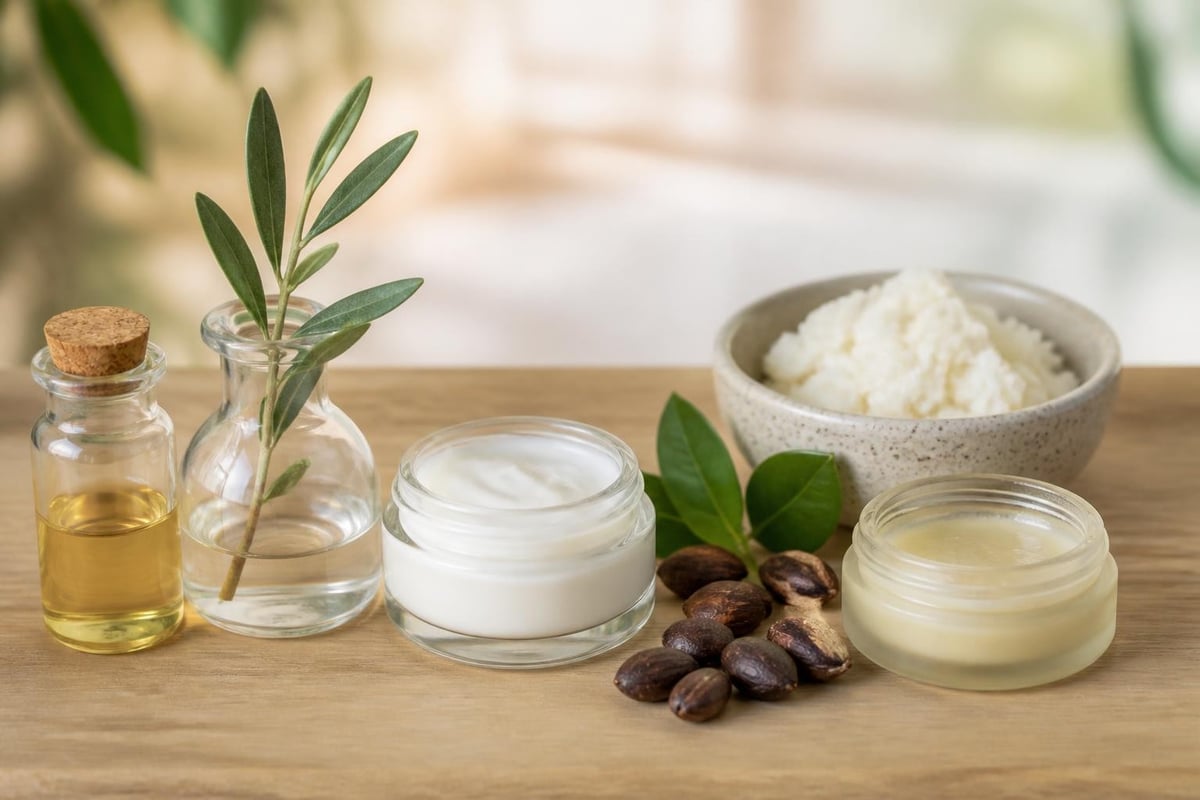
Choosing gentle skin products that honour these principles doesn't require sacrificing luxury or performance. Modern vegan formulations showcase how plant-based ingredients deliver exceptional results whilst aligning with compassionate values.
Reading Ingredient Lists Like a Pro
Decoding ingredient lists transforms you from passive consumer to informed decision-maker. European regulations require ingredients listed in descending order by weight, with those above 1% concentration appearing first. Everything below 1% can appear in any order, typically including preservatives, fragrances, and colourants.
Red Flags and Green Lights
When evaluating clean skin products, certain ingredients warrant caution whilst others signal quality formulations:
Ingredients to question:
- Synthetic fragrances (listed as "parfum" or "fragrance")
- PEGs (polyethylene glycols) and their derivatives
- Formaldehyde-releasing preservatives
- Mineral oils and petrolatum
- Silicones (dimethicone, cyclomethicone)
Beneficial ingredients to seek:
- Cold-pressed plant oils rich in fatty acids and vitamins
- Botanical extracts with antioxidant properties
- Natural humectants like glycerin and hyaluronic acid
- Plant butters including shea, cocoa, and mango
- Essential oils used responsibly at appropriate concentrations
Understanding that best natural face care products balance purity with performance helps set realistic expectations. Clean formulations require skilled formulation to ensure stability, texture, and efficacy match conventional alternatives.
Sustainability Beyond Ingredients
Truly clean skin products extend environmental consideration beyond formulation to packaging, shipping, and lifecycle impact. The beauty industry generates significant waste, with much packaging ending up in landfill or oceans. Progressive brands address this through innovative approaches.
The Ellen MacArthur Foundation's cosmetics insights reveal how leading companies embrace circular economy principles. These include refillable containers, recycled materials, and take-back programmes that keep packaging in use longer.
Packaging Innovations
Consider these sustainable packaging options when selecting clean skin products:
- Glass containers that can be endlessly recycled
- Aluminium packaging with high recyclability rates
- Post-consumer recycled (PCR) plastic reducing virgin material demand
- Biodegradable tubes made from sugarcane
- Solid formulations eliminating packaging entirely
- Refill systems that reduce single-use containers
Some brands draw inspiration from other industries' sustainability efforts. Just as organic winemakers like Fancrest Estate embrace natural processes and minimal intervention in viticulture, clean beauty brands adopt similarly principled approaches to formulation and packaging.
Tailoring Clean Skincare to Your Needs
Clean beauty isn't one-size-fits-all. Your skin type, concerns, and sensitivities guide product selection within the clean category. Fortunately, the diversity of clean skin products available in 2026 means everyone can find suitable options.
| Skin Type | Key Ingredients to Seek | Products to Consider |
|---|---|---|
| Dry | Hyaluronic acid, plant oils, ceramides | Rich creams, nourishing serums |
| Oily | Niacinamide, clay, tea tree | Lightweight gels, balancing toners |
| Sensitive | Colloidal oatmeal, calendula, chamomile | Fragrance-free, minimal formulas |
| Combination | Jojoba oil, aloe vera, willow bark | Adaptable moisturisers, gentle cleansers |
| Mature | Retinol alternatives, peptides, vitamin C | Anti-ageing serums, firming creams |
Those with reactive skin particularly benefit from best sensitive skincare formulated without common irritants. Clean formulations often prove gentler because they exclude synthetic fragrances, harsh preservatives, and aggressive surfactants that trigger reactions.
Building Your Clean Skincare Routine
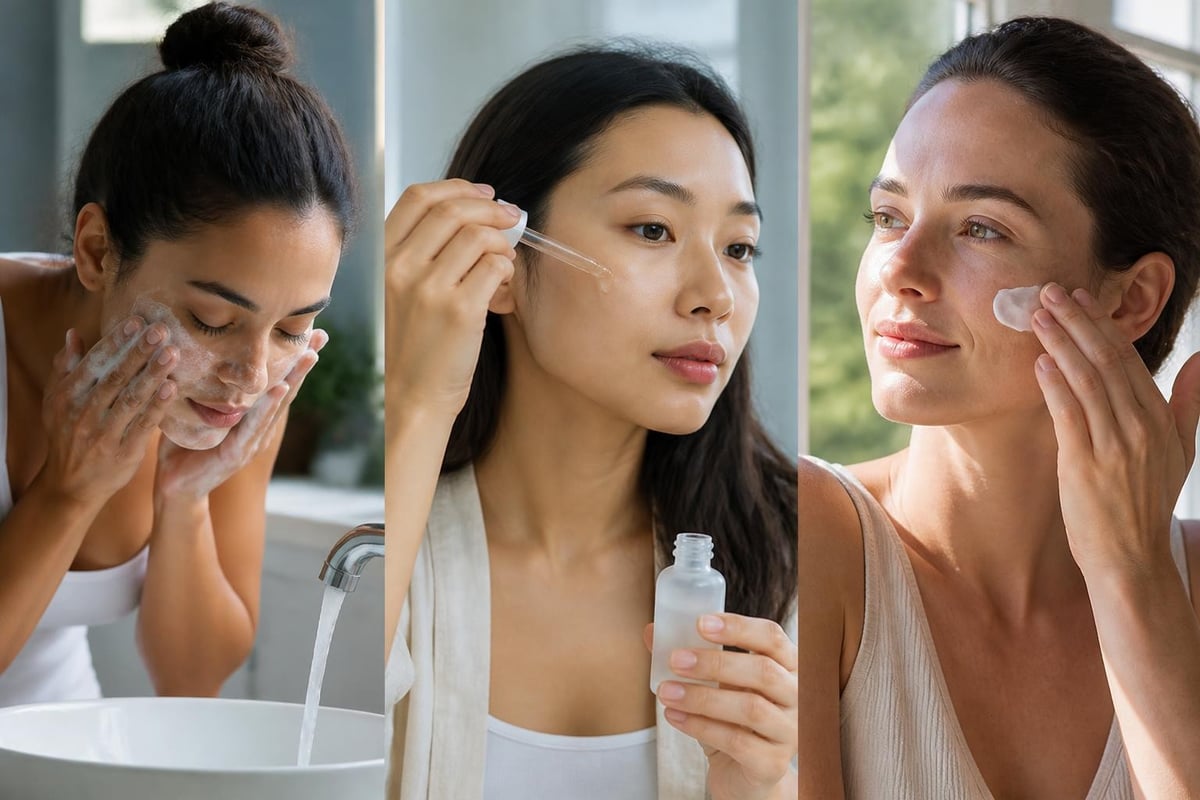
Transitioning to clean skin products works best as a gradual process. Rather than replacing everything simultaneously, introduce new products one at a time. This approach helps identify any sensitivities whilst allowing your skin to adjust.
Start with these foundational steps:
Morning Routine
- Gentle cleanser to remove overnight oils without stripping
- Hydrating toner to balance pH and prep skin
- Serum targeting specific concerns like brightness or hydration
- Moisturiser appropriate for your skin type
- SPF protection using mineral sunscreens
Evening Routine
- First cleanse with oil or balm to dissolve makeup and sunscreen
- Second cleanse with water-based cleanser
- Treatment products like retinol alternatives or acids
- Night cream or facial oil for overnight nourishment
For those exploring clean beauty, sample sets offer an economical way to test products before committing to full sizes. This trial approach prevents waste whilst helping you discover what works for your unique skin.
Price Points and Value
Clean skin products span every price category, from accessible everyday essentials to luxury indulgences. Higher prices don't automatically indicate superior quality, nor do budget options necessarily compromise on efficacy. Understanding what drives cost helps you assess value.
Factors influencing clean beauty pricing include:
- Ingredient sourcing: Organic, fair-trade, or rare botanicals cost more
- Concentration levels: Higher percentages of active ingredients increase prices
- Production methods: Small-batch, hand-crafted items carry premium pricing
- Packaging: Sustainable materials and innovative designs add expense
- Certifications: Third-party verification involves fees passed to consumers
- Brand positioning: Marketing and presentation influence perceived value
Many inexpensive skin care brands deliver excellent results through streamlined formulations and efficient production. The key lies in evaluating ingredient quality and concentration rather than assuming price reflects efficacy.
Common Myths About Clean Beauty
Misconceptions about clean skin products persist despite growing education efforts. Addressing these myths helps set realistic expectations and prevents disappointment.
Myth 1: Natural ingredients never cause reactions Reality: Plant extracts can trigger allergies just like synthetic compounds. Essential oils particularly require careful use.
Myth 2: Clean products work slower than conventional ones Reality: Many botanical actives deliver results comparable to synthetic alternatives. Patience applies to all skincare, not just clean formulations.
Myth 3: Preservatives are always harmful Reality: Preservation prevents bacterial and fungal growth that would make products dangerous. Clean brands use gentle, effective preservation systems.
Myth 4: All synthetic ingredients are bad Reality: Some lab-created ingredients are safer and more sustainable than natural alternatives. Clean beauty increasingly embraces responsible synthetic innovation.
Myth 5: Clean products don't last as long Reality: Proper preservation ensures clean skin products maintain stability throughout their shelf life when stored correctly.
Finding Trustworthy Brands
With countless brands claiming clean credentials, identifying genuine commitment from greenwashing requires discernment. Look beyond marketing language to examine concrete practices and verifiable information.
Questions to ask when evaluating brands:
- Do they provide complete ingredient transparency?
- Which third-party certifications do they hold?
- Can you trace ingredient sources?
- How do they address sustainability comprehensively?
- Do they invest in research and development?
- What does their customer education look like?
- Are they transparent about limitations and challenges?
Exploring best UK skincare brands reveals companies leading clean beauty innovation whilst maintaining accessibility. The UK market offers particular advantages regarding stringent regulations and strong consumer protection.
Seasonal Adjustments for Clean Routines
Your skin's needs shift with seasons, and clean skin products offer versatility for these transitions. British weather particularly demands adaptable routines as we navigate damp winters and variable summers.
Winter Adaptations
During colder months, increase:
- Heavier moisturisers with richer plant butters
- Facial oils layered over or mixed with creams
- Gentle exfoliation to remove dry flakes
- Humidifier use to combat central heating
Summer Modifications
Warmer weather calls for:
- Lightweight lotions instead of heavy creams
- Gel-based products that absorb quickly
- Increased SPF application with mineral formulas
- Hydrating mists for refreshment throughout the day
Brands offering diverse formulations, such as those featured in best skincare products reviews, enable seasonal customisation whilst maintaining clean beauty principles year-round.
The Future of Clean Beauty
The clean beauty movement continues evolving as science advances and consumer awareness grows. Several exciting trends shape where clean skin products are heading in coming years.
Emerging developments include:
- Biotech ingredients created through fermentation and cellular agriculture
- Waterless formulations reducing environmental impact and increasing potency
- Personalisation through AI-driven recommendations and custom blending
- Upcycled ingredients utilising food industry by-products
- Plastic alternatives including mushroom-based and seaweed packaging
- Blockchain transparency enabling complete supply chain visibility
These innovations demonstrate how clean beauty balances tradition with progress, honouring time-tested botanical wisdom whilst embracing responsible technological advancement.
Making the Switch Worthwhile
Transitioning to clean skin products represents more than changing what sits on your bathroom shelf. It's an investment in long-term skin health, environmental stewardship, and ethical consumption. The benefits extend beyond personal wellbeing to create positive ripples throughout the beauty industry and wider world.
Your choices signal to companies what matters to consumers, encouraging more brands to prioritise transparency, sustainability, and genuine efficacy over marketing hype. Each purchase becomes a vote for the kind of beauty industry you want to support.
Whether you're addressing specific concerns like sensitive face products or simply seeking skin clearing products that align with your values, the clean beauty market offers unprecedented choice and quality. Taking time to research, experiment, and discover what works for your unique skin pays dividends in both immediate results and lasting satisfaction.
Embracing clean skin products empowers you to care for your skin whilst honouring your values around health, sustainability, and ethical sourcing. The journey towards cleaner beauty doesn't require perfection, just thoughtful choices that progressively align with what matters most to you. White Rabbit Skin Care offers a curated selection of natural, vegan formulations crafted with the finest ingredients and unwavering commitment to cruelty-free practices, making it simple to discover products that deliver genuine results whilst respecting both your skin and the planet.