

Best Vegan Skincare Products for Healthy, Glowing Skin
Making the switch to vegan skincare isn't just about following a trend-it's about choosing products that align with your values whilst treating your skin to genuinely effective, natural ingredients. The beauty industry has undergone a remarkable transformation, with more brands than ever offering sophisticated formulations that prove you don't need animal-derived ingredients for gorgeous, healthy skin. Whether you're already committed to a plant-based lifestyle or simply curious about cleaner beauty options, finding the best vegan skincare products has never been easier or more rewarding.
Why Choose Vegan Skincare Products
The benefits of vegan skincare extend far beyond ethical considerations. Plant-based formulations often contain higher concentrations of vitamins, antioxidants, and essential fatty acids that nourish your skin without the potential irritants found in some animal-derived ingredients.
Recent research has shown that consumer satisfaction with vegan skincare products is remarkably high, with many users reporting improvements in skin texture and overall complexion. This shift reflects a growing understanding that natural, plant-based ingredients can deliver exceptional results.
Key advantages of vegan skincare include:
- Free from animal-derived ingredients like beeswax, lanolin, and carmine
- Often formulated with gentler, less irritating ingredients
- Typically more sustainable and environmentally friendly
- Supports cruelty-free beauty practices
- Rich in natural antioxidants and vitamins
When you explore non-toxic skincare brands, you'll discover that many vegan options prioritize transparency, listing every ingredient clearly and explaining their benefits.
Understanding Vegan Versus Cruelty-Free Labelling
One common point of confusion is the difference between vegan and cruelty-free products. Whilst these terms are often used together, they mean different things and understanding both helps you make informed choices.
What Makes a Product Truly Vegan
A vegan skincare product contains no animal-derived ingredients whatsoever. This excludes obvious ingredients like honey and beeswax, but also lesser-known animal derivatives such as squalene (often from shark liver), collagen, elastin, and keratin.
Reading ingredient lists carefully is essential. Some ingredients have both plant-based and animal-derived versions, so checking with manufacturers ensures you're getting genuinely vegan formulations.
The Cruelty-Free Commitment
Cruelty-free means the product and its ingredients haven't been tested on animals at any stage of development. For comprehensive guidance on identifying authentic cruelty-free skin care products, look for certifications from recognized organizations.
| Label Type | What It Guarantees | What to Look For |
|---|---|---|
| Vegan | No animal-derived ingredients | PETA-approved Vegan logo, The Vegan Society trademark |
| Cruelty-Free | No animal testing | Leaping Bunny, PETA cruelty-free certification |
| Both | Complete ethical commitment | Dual certification from recognized bodies |
Best Vegan Cleansers for Every Skin Type
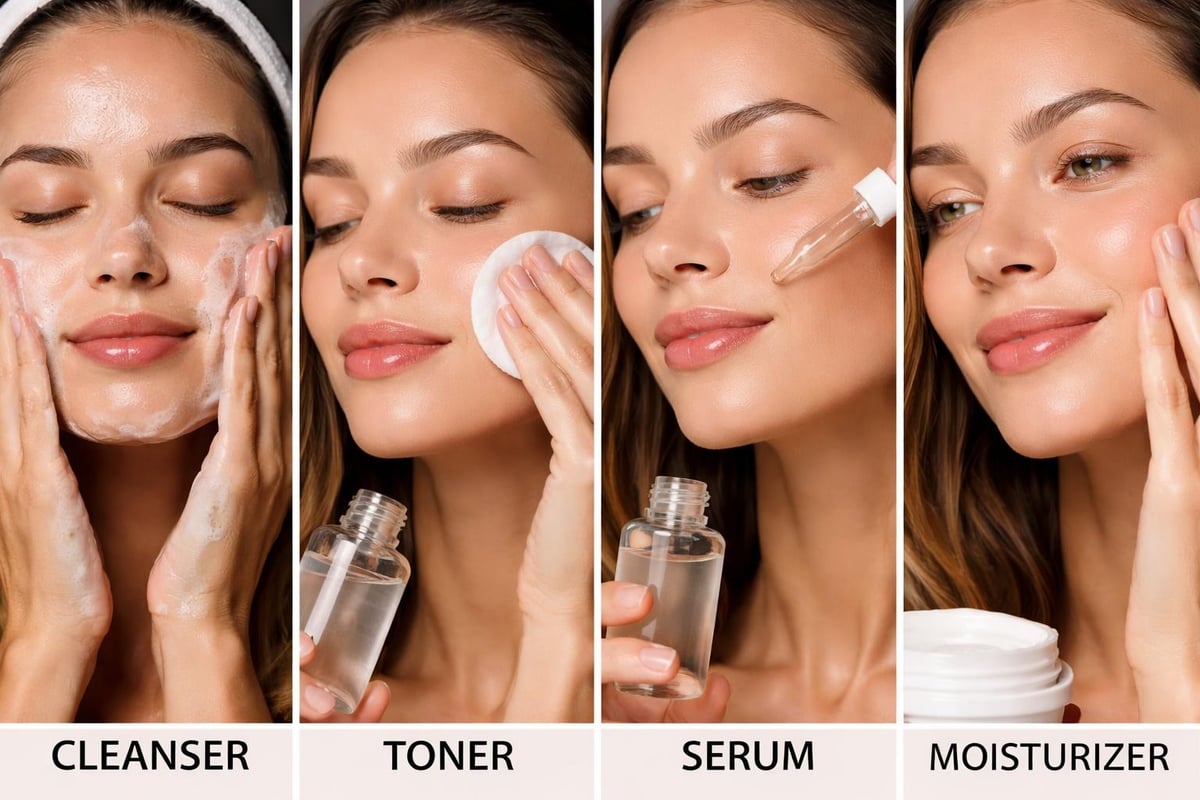
Cleansing forms the foundation of any effective skincare routine. The best vegan skincare products start with gentle yet effective cleansers that remove impurities without stripping your skin's natural protective barrier.
For oily and combination skin, gel-based cleansers with tea tree oil, witch hazel, or salicylic acid (plant-derived) work beautifully. These ingredients balance sebum production whilst providing antibacterial benefits.
Dry and sensitive skin types benefit from cream or oil-based cleansers enriched with chamomile, oat extract, and calendula. These soothing botanicals cleanse gently whilst maintaining moisture levels.
If you're managing face products for sensitive skin, choose fragrance-free options with minimal ingredients to reduce the risk of irritation.
Double Cleansing the Vegan Way
- Start with an oil-based cleanser to dissolve makeup and sunscreen
- Follow with a water-based cleanser to remove remaining impurities
- Pat skin dry with a clean towel
- Proceed immediately to toning
This method, popular in Korean skincare routines, ensures thoroughly clean skin without harsh scrubbing or stripping.
Toners That Balance and Prepare
Toners have evolved dramatically from the harsh, alcohol-laden formulas of decades past. Modern vegan toners hydrate, balance pH levels, and prepare your skin to absorb subsequent products more effectively.
Hydrating toners contain ingredients like hyaluronic acid (vegan versions are synthesized or fermented from plants), rose water, and aloe vera. These work particularly well for normal to dry skin.
Exfoliating toners feature gentle acids like lactic acid (from sugar beets) or glycolic acid (from sugar cane). These help with cell turnover, brightness, and texture improvement.
- Apply toner with clean hands or a reusable cotton pad
- Pat gently into skin rather than rubbing
- Allow 30-60 seconds for absorption before the next step
- Use morning and evening for best results
Serums Packed with Active Ingredients
When searching for the best vegan skincare products, serums deserve special attention. These concentrated formulations deliver powerful active ingredients deep into your skin, targeting specific concerns with precision.
Vitamin C serums brighten, even skin tone, and protect against environmental damage. Look for stable forms like ascorbic acid or sodium ascorbyl phosphate derived from plant sources.
Hyaluronic acid serums provide intense hydration, plumping fine lines and creating a dewy complexion. Despite its scientific name, vegan hyaluronic acid is produced through bacterial fermentation.
Retinol alternatives like bakuchiol offer similar anti-aging benefits without the sensitivity that synthetic retinoids can cause. This plant-derived ingredient has gained significant recognition in recent years.
According to expert reviews of vegan and cruelty-free beauty brands, the efficacy of plant-based serums now rivals traditional formulations, making them excellent choices for addressing various skin concerns.
Moisturisers for Deep Hydration
Every skin type needs moisture, but the formulation matters enormously. The best vegan skincare products include moisturisers tailored to specific needs, from lightweight lotions to rich creams.
Daytime Moisturisers
Morning moisturisers should hydrate whilst providing a smooth base for makeup. Many vegan formulas incorporate SPF protection, though layering a separate sunscreen ensures comprehensive coverage.
Ingredients like jojoba oil, shea butter, and coconut oil provide excellent emollient properties without clogging pores. For those interested in vegan face lotions, these natural oils offer varying weights suitable for different skin types.
Night Creams for Regeneration
Nighttime is when your skin repairs and regenerates. Richer formulations with ingredients like rosehip oil, sea buckthorn, and plant ceramides support this natural process.
| Skin Type | Recommended Ingredients | Texture Preference |
|---|---|---|
| Oily | Green tea, niacinamide, lightweight oils | Gel or light lotion |
| Dry | Shea butter, plant ceramides, rich oils | Cream or balm |
| Combination | Hyaluronic acid, squalane (olive-derived) | Medium lotion |
| Sensitive | Oat extract, chamomile, minimal ingredients | Fragrance-free cream |
Eye Creams for Delicate Skin
The skin around your eyes is thinner and more delicate than the rest of your face, requiring specialized care. When exploring eye cream vegan options, look for formulations that address puffiness, dark circles, and fine lines without causing irritation.
Caffeine from green tea or coffee reduces puffiness by constricting blood vessels. Vitamin K helps diminish dark circles, whilst peptides (plant-derived) support collagen production and firmness.
Apply eye cream using your ring finger, which naturally applies the gentlest pressure. Tap softly around the orbital bone, never pulling or dragging the delicate skin.
Face Masks and Treatments
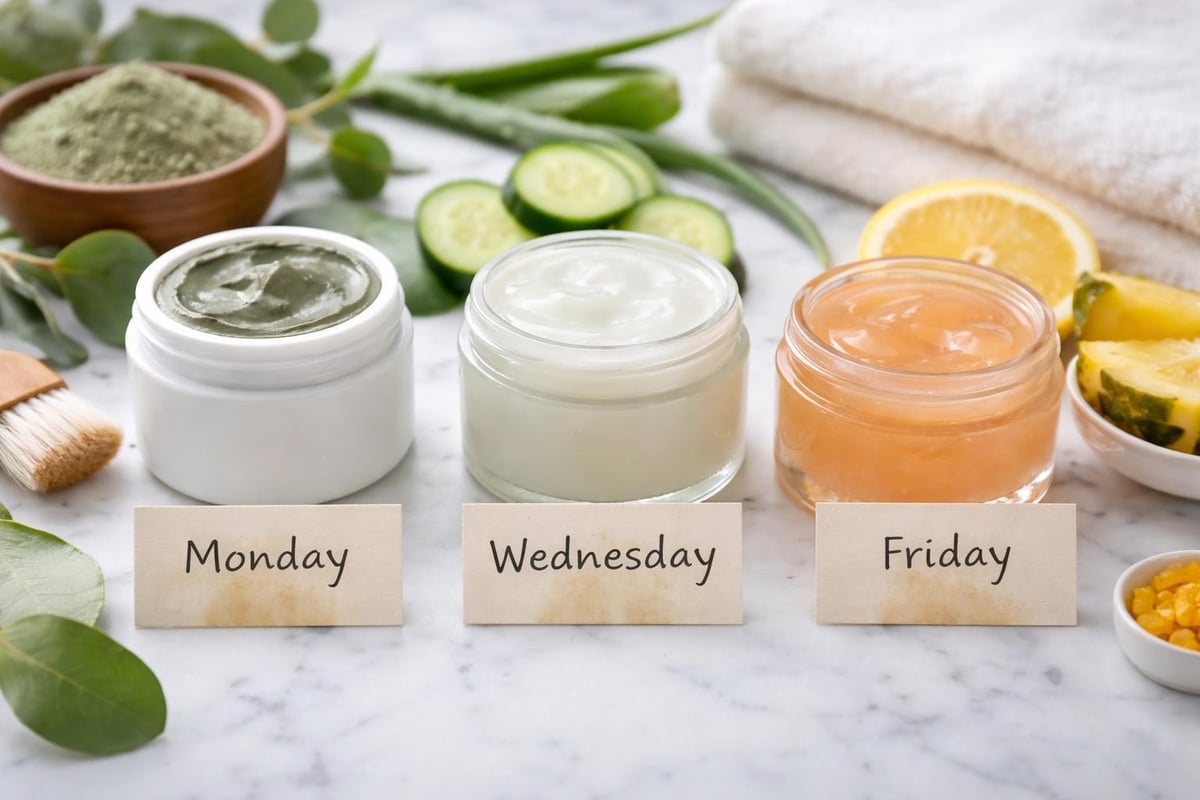
Weekly treatments amplify your regular routine's benefits. Clay masks, sheet masks, and overnight masks offer concentrated doses of beneficial ingredients.
Clay masks with kaolin or bentonite draw out impurities and excess oil, perfect for weekly deep cleansing. Add a drop of tea tree oil for additional antibacterial benefits.
Hydrating masks featuring hyaluronic acid, aloe vera, and plant extracts flood your skin with moisture. These work wonderfully before special events when you want an instant glow.
Exfoliating masks with fruit enzymes (papaya, pineapple) or gentle acids provide chemical exfoliation without harsh scrubbing. Use these 1-2 times weekly, depending on your skin's tolerance.
- Cleanse thoroughly before applying any mask
- Apply an even layer, avoiding the eye area
- Follow timing instructions (typically 10-20 minutes)
- Remove gently with lukewarm water
- Follow with toner and moisturizer
Body Care Beyond Your Face
The best vegan skincare products extend beyond facial care. Your body deserves the same attention and quality ingredients as your face.
Body lotions and butters enriched with cocoa butter, shea butter, and coconut oil provide lasting hydration. For particularly dry areas like elbows and knees, opt for richer formulations.
Exfoliating body scrubs made with sugar or salt crystals and nourishing oils remove dead skin cells whilst moisturizing. These leave your skin impossibly soft and receptive to hydration.
Hand creams deserve special mention, especially given how frequently we wash our hands. Look for fast-absorbing formulas with glycerin, shea butter, and vitamin E that don't leave a greasy residue.
For those seeking inexpensive skin care that doesn't compromise on quality, many vegan body care products offer exceptional value through concentrated formulations and multi-purpose uses.
Building Your Vegan Skincare Routine
Creating an effective routine doesn't require dozens of products. Start with the essentials and add treatments as you identify specific needs.
Morning routine essentials:
- Gentle cleanser
- Hydrating toner
- Vitamin C serum (optional but beneficial)
- Moisturiser with or without SPF
- Separate SPF 30+ sunscreen
Evening routine essentials:
- Oil-based cleanser (if wearing makeup/sunscreen)
- Water-based cleanser
- Exfoliating or hydrating toner
- Treatment serum (retinol alternative, hyaluronic acid)
- Night cream or facial oil
Consistency matters more than complexity. Using quality products regularly yields better results than sporadic use of numerous items.
Reading Labels and Avoiding Hidden Animal Ingredients
Even products marketed as "natural" may contain animal-derived ingredients. Developing label-reading skills ensures you're choosing genuinely vegan options.
Common hidden animal ingredients include:
- Carmine (red dye from crushed beetles)
- Guanine (from fish scales, adds shimmer)
- Lanolin (from sheep's wool)
- Squalene (often from shark liver, though plant versions exist)
- Stearic acid (can be animal or plant-derived)
When uncertain, contact manufacturers directly. Reputable brands are transparent about their ingredient sources and happy to clarify any questions.
The best vegan and cruelty-free skincare brands make ingredient sourcing information readily available, demonstrating their commitment to transparency.
Sustainability in Vegan Skincare
Choosing vegan products often aligns with environmental consciousness, but not all vegan brands are equally sustainable. Consider packaging, ingredient sourcing, and company practices when making purchases.
Look for brands that:
- Use recyclable or biodegradable packaging
- Source ingredients sustainably
- Minimize water usage in production
- Offset carbon emissions
- Support fair trade practices
Refillable containers and concentrated formulas reduce packaging waste significantly. Some brands offer return programmes where you send back empty containers for recycling or refilling.
Price Points and Value
Vegan skincare spans all price ranges, from budget-friendly to luxury. According to expert recommendations on vegan skincare brands, effectiveness doesn't always correlate with price.
Budget-friendly options often focus on simple, effective formulations with fewer ingredients. These work beautifully for many people and prove that quality vegan skincare needn't break the bank.
Mid-range brands typically offer more sophisticated formulations, elegant textures, and additional active ingredients. These represent excellent value for those wanting targeted treatments.
Luxury vegan skincare features cutting-edge ingredients, extensive research, and beautiful packaging. Whilst pricier, these products often contain higher concentrations of active ingredients.
| Price Range | What to Expect | Best For |
|---|---|---|
| Budget (£5-15) | Simple formulations, effective basics | Building your routine foundation |
| Mid-range (£15-40) | Sophisticated actives, pleasant textures | Targeted treatments and daily essentials |
| Luxury (£40+) | Innovative ingredients, concentrated formulas | Specific concerns, special treatments |
Transitioning to Vegan Skincare
Switching your entire routine overnight isn't necessary. A gradual transition allows you to test products and observe how your skin responds.
Start by replacing products as they run out. This approach minimizes waste and spreads costs over time. Begin with cleansers and moisturisers, then add treatments like serums and masks.
Give new products at least 4-6 weeks before deciding their effectiveness. Skin cell turnover takes approximately 28 days, so patience is essential for accurate assessment.
Keep notes about what works and what doesn't. Tracking products, ingredients, and results helps you identify patterns and make informed future choices.
Addressing Specific Skin Concerns
The best vegan skincare products effectively target common concerns without animal-derived ingredients.
For acne-prone skin: Tea tree oil, willow bark extract (natural salicylic acid), and niacinamide reduce inflammation and control breakouts without harsh chemicals.
For aging concerns: Plant-based retinol alternatives like bakuchiol, vitamin C, and peptides support collagen production and reduce fine lines. These ingredients work synergistically for comprehensive anti-aging benefits.
For hyperpigmentation: Vitamin C, licorice root extract, and kojic acid (from mushrooms) brighten and even skin tone gradually with consistent use.
For redness and sensitivity: Centella asiatica, chamomile, and oat extract calm inflammation and strengthen the skin barrier. Those seeking skincare brands for sensitive skin will find these ingredients particularly beneficial.
Seasonal Adjustments to Your Routine
Your skin's needs change with the seasons, requiring routine adjustments throughout the year.
Winter skincare:
- Switch to richer, more emollient moisturisers
- Add facial oils for extra protection
- Use humidifiers to combat dry indoor air
- Don't skip SPF despite shorter days
Summer skincare:
- Opt for lighter, gel-based moisturisers
- Increase SPF strength and reapplication frequency
- Add antioxidant serums for extra protection
- Consider hydrating mists for refreshing boosts
Transitional seasons:
- Assess what your skin needs most
- Gradually introduce seasonal products
- Keep winter and summer favourites accessible for unpredictable weather
The Role of Diet and Lifestyle
Whilst topical products matter enormously, your overall lifestyle significantly impacts skin health. A holistic approach to beauty considers nutrition, hydration, sleep, and stress management.
Skin-supporting foods include:
- Berries rich in antioxidants
- Leafy greens providing vitamins and minerals
- Nuts and seeds offering healthy fats
- Plenty of water for hydration
Quality sleep allows skin to repair and regenerate. Aim for 7-9 hours nightly, and consider a silk pillowcase to reduce friction and potential wrinkles.
Stress management through meditation, exercise, or hobbies positively affects skin by reducing cortisol levels and inflammation.
Finding Trusted Vegan Brands
With countless options available, identifying trustworthy brands requires research. Look for companies with clear values, transparent practices, and genuine commitments to veganism and sustainability.
Reading reviews from multiple sources provides balanced perspectives. Recent articles highlighting top vegan beauty products offer curated recommendations from beauty experts.
Consider trying discovery sets or travel sizes before committing to full-size products. Many brands offer these options, allowing you to test formulations affordably.
UK-based companies often provide particularly suitable formulations for the British climate, addressing concerns like dullness from lack of sunshine or dehydration from central heating.
Supporting Independent Vegan Brands
Whilst large corporations increasingly offer vegan options, independent brands often lead innovation in ethical beauty. These smaller companies frequently prioritize sustainability, transparency, and ingredient quality over mass-market appeal.
Shopping with independent brands supports small businesses and encourages continued innovation in vegan formulations. Many offer exceptional customer service, personalized recommendations, and genuine passion for their products.
When exploring the best all-natural skin products, you'll often discover that independent brands create unique formulations unavailable from larger competitors.
Embracing vegan skincare means choosing products that respect both your skin and your values, with formulations that deliver genuine results through plant-based ingredients. Whether you're building your first vegan routine or refining an existing one, the journey towards healthier, more ethical beauty is deeply rewarding. Ready to experience the difference that natural, cruelty-free skincare can make? Explore the thoughtfully crafted range at White Rabbit Skin Care, where every product is designed with your skin's health and the planet's wellbeing in mind.