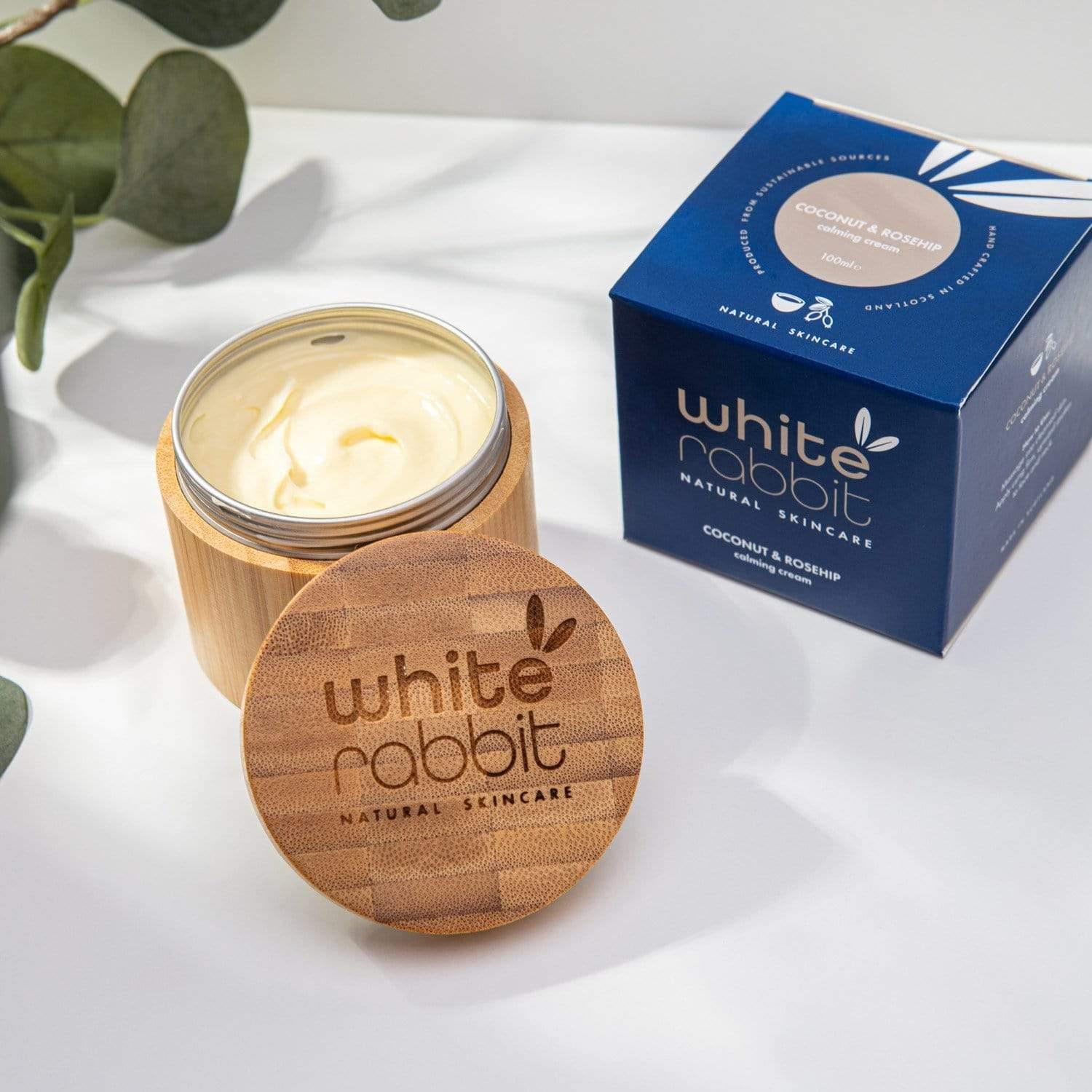


Finding the best sensitive skin care products can feel like navigating a minefield. One wrong ingredient and your complexion might respond with redness, irritation, or uncomfortable tightness. If you've experienced the frustration of trying product after product only to be disappointed, you're certainly not alone. Sensitive skin requires thoughtful care, gentle formulations, and ingredients that nurture rather than aggravate. The good news is that 2026 has brought us an incredible selection of natural, vegan options specifically designed for delicate skin types. Let's explore what makes certain products stand out and how you can build a routine that truly works for your unique needs.
Understanding What Makes Skin Sensitive
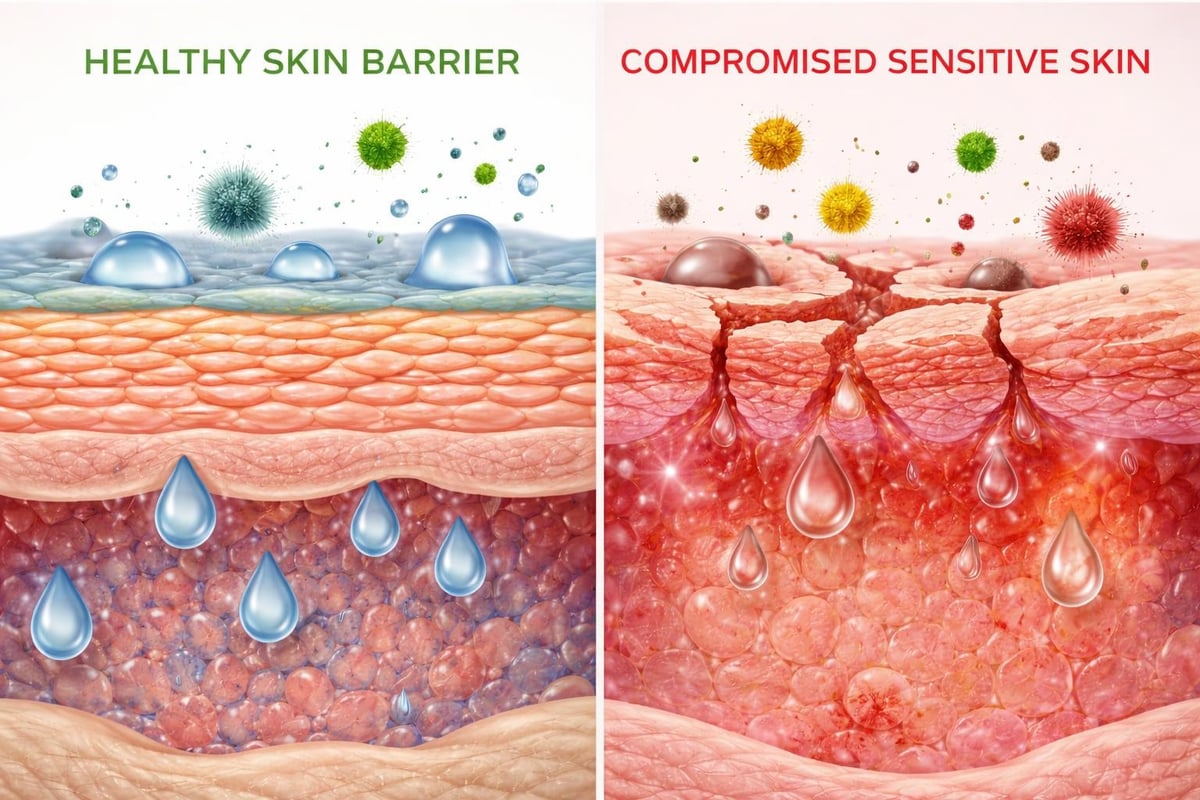
Sensitive skin isn't just about occasional irritation. It's a skin type that reacts more intensely to environmental factors, ingredients, and even stress. Your skin barrier might be compromised, allowing irritants to penetrate more easily whilst moisture escapes. This creates a cycle of reactivity that can feel impossible to break.
Common triggers for sensitive skin include:
- Fragrances and synthetic perfumes
- Harsh surfactants and sulfates
- Alcohol-based formulations
- Extreme temperatures
- Environmental pollutants
- Certain essential oils in high concentrations
When searching for sensitive skin skincare brands, it's essential to look beyond marketing claims and examine actual ingredient lists. Natural and vegan formulations often provide gentler alternatives because they work with your skin's biology rather than against it.
The beauty industry has made tremendous strides in understanding sensitive skin. Research shows that maintaining a healthy skin barrier is paramount, which means choosing products that support your skin's natural protective functions.
Essential Ingredients for Sensitive Skin Care
Not all ingredients are created equal when it comes to soothing reactive skin. The best sensitive skin care products contain carefully selected components that calm inflammation whilst providing essential hydration and protection.
Calming Botanical Extracts
Plant-based ingredients have been used for centuries to treat sensitive skin conditions. Chamomile, calendula, and aloe vera lead the pack with their anti-inflammatory properties. These botanicals work gently to reduce redness and discomfort without overwhelming delicate skin.
Oat extract deserves special mention. It contains avenanthramides, powerful antioxidants that calm irritation and strengthen the skin barrier. Many dermatologists recommend oat-based products for eczema-prone and highly reactive skin types.
Green tea extract provides antioxidant protection whilst soothing inflammation. Its polyphenols help neutralize free radicals that can trigger sensitivity responses.
Hydrating Powerhouses
Hyaluronic acid remains a gold standard for sensitive skin hydration. This naturally occurring molecule holds up to 1,000 times its weight in water, plumping skin without causing irritation. Look for products with multiple molecular weights for optimal absorption.
| Ingredient | Primary Benefit | Best For |
|---|---|---|
| Hyaluronic Acid | Deep hydration | All sensitive skin types |
| Glycerin | Moisture retention | Dry, tight skin |
| Squalane | Barrier repair | Dehydrated sensitive skin |
| Ceramides | Barrier strengthening | Compromised skin barriers |
Glycerin works beautifully alongside hyaluronic acid, drawing moisture from the air and locking it into your skin. Natural sources of glycerin in vegan formulations provide the same benefits without any animal-derived ingredients.
Barrier-Repairing Components
Ceramides are lipids that naturally occur in your skin's barrier. When this barrier is compromised, supplementing with ceramide-rich products helps restore its protective function. Products from best non-toxic skincare brands often feature plant-derived ceramides that work just as effectively as synthetic versions.
Niacinamide (vitamin B3) is remarkably versatile for sensitive skin. It reduces inflammation, improves barrier function, and helps regulate oil production without irritation. Studies show it's well-tolerated even by the most reactive skin types.
Building Your Sensitive Skin Care Routine
Creating an effective routine doesn't mean using dozens of products. In fact, simpler is often better when dealing with sensitivity. The key is choosing the right products for each essential step.
The Gentle Cleansing Foundation
Cleansing sets the tone for your entire routine. Harsh cleansers strip away natural oils, leaving your barrier vulnerable and your skin feeling tight. The NBC News guide to skincare products emphasizes the importance of pH-balanced, non-stripping formulas.
What to look for in cleansers:
- Cream or oil-based formulations rather than foaming varieties
- Free from sulfates like SLS and SLES
- pH levels between 4.5 and 6.5
- Minimal ingredient lists focusing on quality over quantity
- No added fragrances or essential oils
Oil cleansers work particularly well for sensitive skin because they dissolve makeup and impurities without disrupting your natural lipid barrier. Follow with a gentle cream cleanser if you prefer a double-cleanse approach.
Many people with sensitive skin find that exploring cleansers specifically formulated for their skin type makes an enormous difference in how their skin feels and responds.
Toning Without Tears
Toners have evolved significantly from the astringent, alcohol-laden formulas of decades past. Modern toners for sensitive skin focus on hydration, pH balancing, and soothing inflammation.
Hydrating toners with ingredients like rose water, aloe vera, and hyaluronic acid prepare your skin to absorb subsequent products more effectively. They also provide an extra layer of moisture, which is crucial for maintaining barrier health.
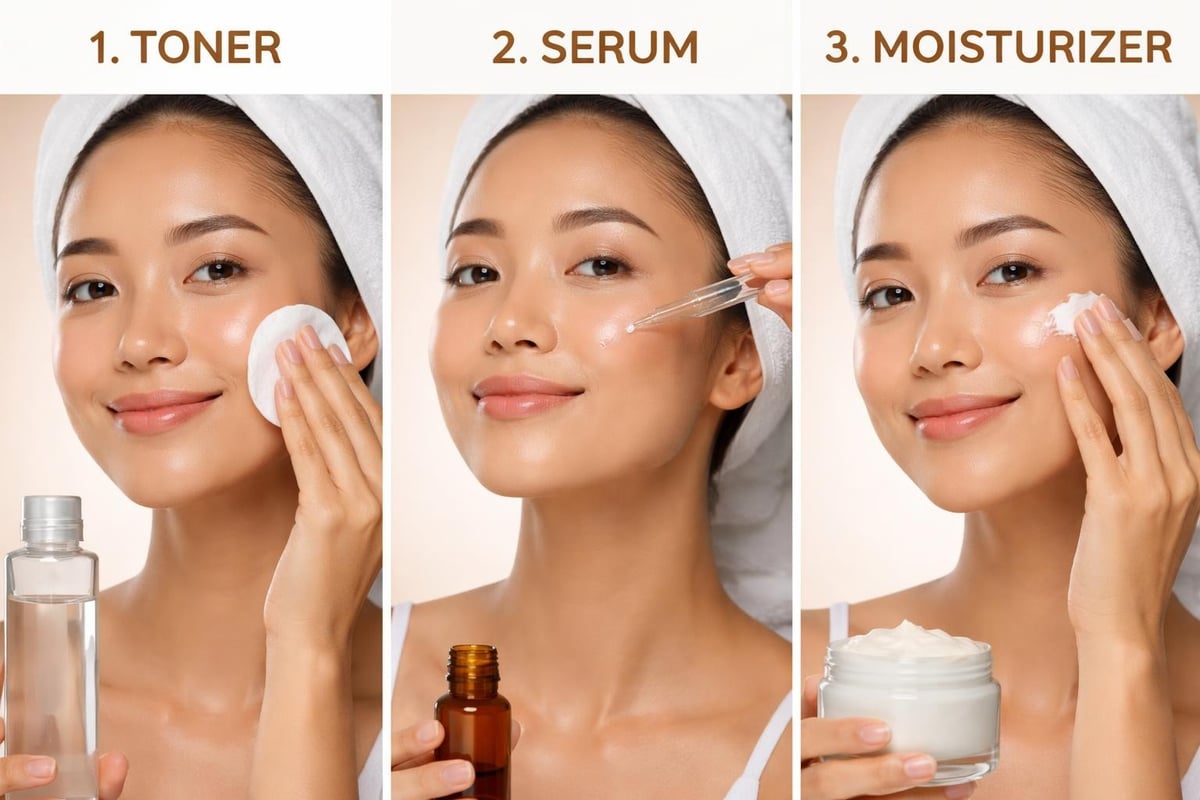
Skip toners containing witch hazel, high concentrations of acids, or alcohol unless they're specifically formulated for sensitive skin. Your skin shouldn't feel tight or tingly after toning. Instead, it should feel refreshed and comfortable.
Quality toners can transform your routine from merely functional to genuinely therapeutic, especially when they're crafted with natural, skin-loving ingredients.
Moisturisers That Actually Soothe
Finding the right moisturiser ranks among the most crucial decisions for sensitive skin care. This product stays on your skin for hours, so it needs to work overtime supporting your barrier whilst calming reactivity.
Daytime Protection
Morning moisturisers for sensitive skin should be lightweight yet nourishing. They need to layer well under makeup and, ideally, contain some level of sun protection. Many dermatologists featured in AOL's guide to sensitive skin products recommend mineral-based sunscreens over chemical filters for reactive skin.
Look for moisturisers with antioxidants like vitamin E or green tea extract to protect against environmental damage throughout the day. These ingredients help neutralise pollution and UV-related free radicals that can trigger sensitivity.
Night-Time Repair
Evening moisturisers can be richer, focusing on overnight barrier repair and deep hydration. Ingredients like squalane, plant oils, and shea butter work whilst you sleep to restore your skin's protective functions.
The best sensitive skin care products for night-time use often include calming botanicals like lavender or chamomile. However, ensure these are present in appropriate concentrations that soothe rather than sensitise.
| Product Type | Key Ingredients | Texture | Best Application Time |
|---|---|---|---|
| Day Cream | Niacinamide, Hyaluronic Acid, Squalane | Light, fast-absorbing | Morning after toner |
| Night Cream | Ceramides, Plant Oils, Peptides | Rich, nourishing | Evening as final step |
| Gel Moisturiser | Aloe, Glycerin, Panthenol | Lightweight, cooling | Morning or night for oily-sensitive |
Exploring moisturisers designed specifically for different skin types helps you find the perfect match for your unique needs. Sensitive skin varies significantly between individuals, so what works beautifully for combination-sensitive skin might be too rich for oily-sensitive types.
Targeted Treatments for Specific Concerns
Beyond the basic routine, you might want to address particular issues like redness, uneven tone, or fine lines. The challenge lies in finding treatments gentle enough for sensitive skin yet effective enough to create visible results.
Serums That Support Rather Than Stress
Serums deliver concentrated active ingredients, making formula selection critical. For sensitive skin, start with lower concentrations and patch test before full application.
Sensitive skin-friendly serum ingredients:
- Niacinamide (5-10% concentration)
- Hyaluronic acid (various molecular weights)
- Azelaic acid (gentler than other acids)
- Antioxidant blends (vitamin C derivatives, resveratrol)
- Centella asiatica (cica) extract
Centella asiatica has gained significant attention for its wound-healing and anti-inflammatory properties. Products featuring this ingredient often help reduce redness and strengthen the skin barrier simultaneously.
Face Oils and Boosters
Natural face oils can be transformative for sensitive skin when chosen carefully. Jojoba oil closely mimics skin's natural sebum, making it universally well-tolerated. Rosehip oil provides gentle vitamin A activity without the irritation of retinoids.
Squalane (plant-derived, not shark-derived) deserves its popularity. It's non-comedogenic, deeply hydrating, and suitable for all skin types, including acne-prone sensitive skin. According to Who What Wear's guide to noncomedogenic moisturizers, squalane-based products consistently receive dermatologist recommendations.
The Power of Natural and Vegan Formulations
Natural and vegan skincare has evolved beyond niche status to become a mainstream preference, especially for sensitive skin sufferers. These formulations typically exclude many common irritants found in conventional products.
Why Vegan Ingredients Matter
Vegan skincare avoids animal-derived ingredients that can sometimes trigger reactions. Lanolin, for instance, whilst deeply moisturising, causes sensitivity in some individuals. Plant-based alternatives often provide similar benefits with lower irritation potential.
The commitment to cruelty-free testing also means these products undergo rigorous safety assessments without animal testing. This ethical approach aligns with modern consumer values whilst ensuring product safety.
Clean Formulation Standards
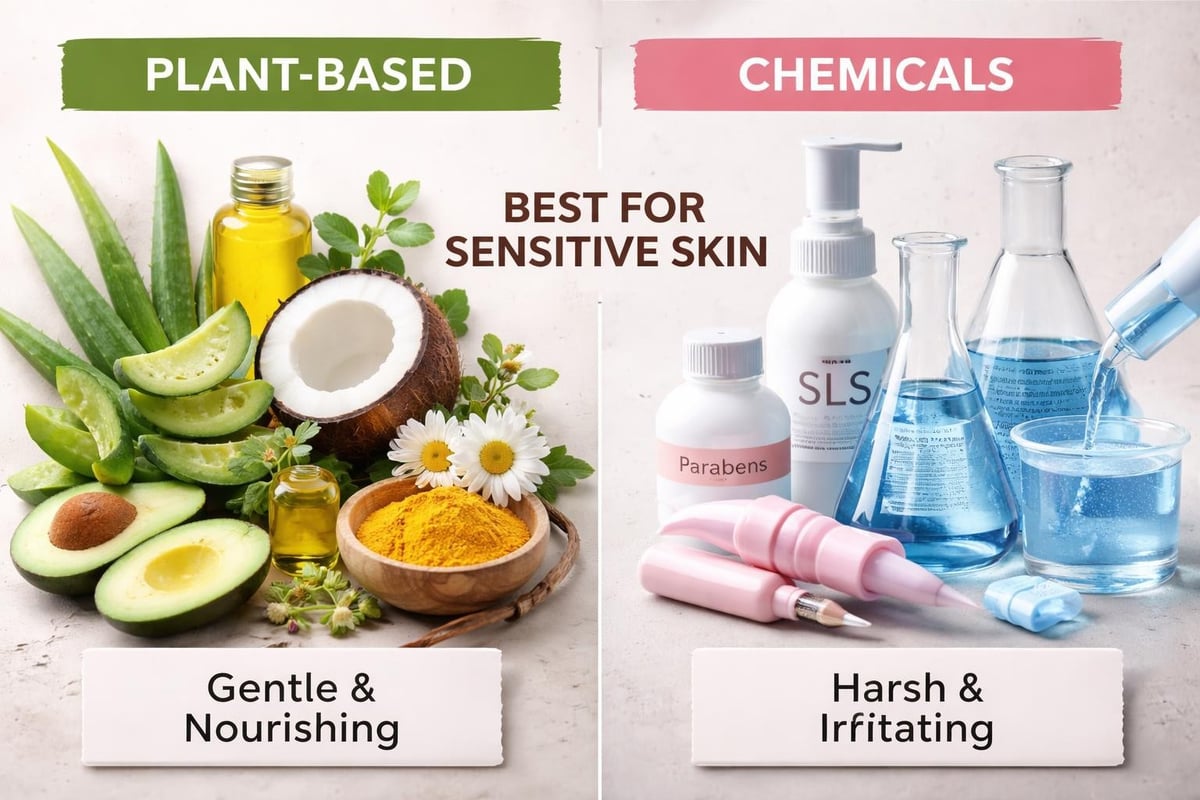
The best all-natural skin products exclude parabens, phthalates, synthetic fragrances, and other potentially problematic ingredients. When you explore best all-natural skin products, you'll find formulations that prioritise transparency and ingredient integrity.
Natural preservatives like vitamin E and rosemary extract protect product freshness without the controversy surrounding synthetic alternatives. These ingredients often provide additional antioxidant benefits as a bonus.
Shopping Smart for Sensitive Skin
Navigating the crowded skincare market requires strategy, especially when your skin reacts unpredictably. These shopping tips help you make informed decisions whilst protecting your skin and budget.
Decoding Product Labels
Ingredient lists reveal far more than marketing claims ever could. Ingredients appear in descending order by concentration, so the first five to seven items matter most. If irritants appear early in the list, the product likely isn't suitable regardless of what the packaging promises.
Red flags for sensitive skin:
- Alcohol (especially denatured alcohol) in the first five ingredients
- Fragrance or parfum listed prominently
- Sodium lauryl sulfate (SLS) or sodium laureth sulfate (SLES)
- High concentrations of essential oils
- Multiple forms of the same irritating ingredient
Award-Winning Recognition
Industry awards can guide your choices, though personal compatibility remains paramount. NewBeauty's award-winning products for sensitive skin showcase options that have undergone extensive testing and expert review.
These recognitions indicate products that perform well across diverse skin types whilst maintaining gentleness. However, always patch test before committing to full-face application.
Budget-Friendly Options
Excellent sensitive skin care needn't cost a fortune. Quality ingredients and ethical production don't always command premium prices. Many brands offer effective formulations at accessible price points.
The best selling skin products often represent excellent value because they've proven themselves through customer satisfaction and repeat purchases. Popularity typically reflects genuine effectiveness rather than just clever marketing.
Seasonal Adjustments for Sensitive Skin
Your skin's needs fluctuate with the seasons, requiring routine adjustments to maintain balance and comfort. What works beautifully in summer might prove insufficient during harsh winter months.
Winter Care Strategies
Cold weather and central heating create a perfect storm for sensitive skin. The air holds less moisture, whilst indoor heating further depletes humidity levels. Your skin loses water more rapidly, leading to tightness, flaking, and increased reactivity.
Winter adjustments include:
- Switching to richer, more occlusive moisturisers
- Adding a hydrating serum beneath your moisturiser
- Using a humidifier in your bedroom
- Reducing cleansing to once daily if tolerated
- Incorporating gentle face oils for extra protection
Consider layering your skincare during winter. The "sandwich method" applies hydrating products between layers of moisturiser to lock in maximum hydration. This technique works wonders for sensitive skin struggling with seasonal dryness.
Summer Modifications
Warmer months bring different challenges. Increased humidity, sun exposure, and sweat production all affect how your sensitive skin behaves. Lighter formulations often feel more comfortable whilst still providing necessary protection.
Switch to gel-based or lightweight lotion moisturisers that won't feel heavy in the heat. Sun protection becomes non-negotiable, but choose mineral sunscreens with zinc oxide or titanium dioxide rather than chemical filters that might irritate.
Testing New Products Safely
Even the best sensitive skin care products require proper introduction to your routine. Rushing into new products risks triggering reactions that could take weeks to calm down.
The Patch Test Protocol
Patch testing prevents full-face disasters. Apply a small amount of the new product to your inner forearm or behind your ear twice daily for 48-72 hours. If no reaction occurs, test it on a small area of your face for another few days before wider application.
| Testing Phase | Location | Duration | What to Watch For |
|---|---|---|---|
| Initial Patch Test | Inner forearm | 48-72 hours | Redness, itching, bumps |
| Face Patch Test | Jawline or temple | 3-5 days | Sensitivity, irritation, breakouts |
| Limited Use | Small facial area | 1 week | Delayed reactions, dryness |
| Full Integration | Entire face | Ongoing | Long-term compatibility |
Some reactions manifest immediately whilst others develop over several applications. Patience during this testing period saves considerable distress later.
Introducing Products One at a Time
Never start multiple new products simultaneously. If a reaction occurs, you won't know which product caused it. Introduce new items at least two weeks apart to properly assess each one's impact.
This methodical approach feels slow, but it's the safest way to build a routine that truly supports your sensitive skin. The payoff is worth the patience.
Understanding Professional Guidance
Whilst many excellent products exist for home care, sometimes professional advice proves invaluable. Dermatologists and aestheticians specialising in sensitive skin offer insights that general recommendations can't match.
When to Seek Expert Help
Persistent sensitivity that doesn't improve with gentle care might signal an underlying condition requiring medical attention. Conditions like rosacea, eczema, or contact dermatitis need professional diagnosis and treatment.
Sudden sensitivity after years of normal skin function warrants investigation. This change might indicate allergies, hormonal shifts, or health conditions manifesting through your skin.
Complementary Professional Treatments
Certain professional treatments can benefit sensitive skin when performed by experienced practitioners. Gentle facials using appropriate products, LED light therapy, and carefully calibrated chemical peels designed for sensitive skin all offer potential benefits.
Always inform your aesthetician about your sensitivity and any products you're currently using. They can tailor treatments to complement your home care routine rather than counteract it.
The Role of Lifestyle in Skin Sensitivity
Your skincare routine represents just one piece of the puzzle. Lifestyle factors significantly influence how reactive your skin behaves, sometimes just as much as the products you apply.
Diet and Hydration
What you consume affects your skin from the inside out. Anti-inflammatory foods like fatty fish, berries, and leafy greens support skin health whilst reducing systemic inflammation that might manifest as sensitivity.
Adequate water intake maintains skin hydration at the cellular level. Whilst topical products hydrate the surface, internal hydration plumps cells and supports optimal barrier function.
Skin-supportive dietary choices:
- Omega-3 fatty acids from flaxseeds, walnuts, or supplements
- Antioxidant-rich fruits and vegetables
- Probiotic foods for gut health (linked to skin health)
- Adequate protein for collagen production
- Limited sugar and processed foods that promote inflammation
Stress Management
Stress triggers cortisol release, which can compromise your skin barrier and increase sensitivity. Finding effective stress management techniques benefits your skin just as much as finding the best sensitive skin care products.
Practices like meditation, yoga, adequate sleep, and regular exercise all support skin health through stress reduction and improved circulation. Your skin reflects your overall wellness, making holistic self-care essential.
Environmental Protection
Pollution, harsh weather, and UV exposure all challenge sensitive skin. Beyond using protective products, simple habits make significant differences.
Wearing a wide-brimmed hat provides physical sun protection that complements sunscreen. Avoiding extremely hot showers preserves your skin's natural oils. Using a silk pillowcase reduces friction that can irritate sensitive facial skin overnight.
Caring for sensitive skin requires patience, knowledge, and the right products working together harmoniously. The journey to calm, comfortable skin might involve some trial and error, but understanding your skin's needs and choosing gentle, effective formulations makes all the difference. If you're looking for natural, vegan options specifically crafted for delicate skin types, White Rabbit Skin Care offers thoughtfully formulated products designed with sensitive skin in mind. Explore their range of cruelty-free cleansers, toners, and moisturisers to discover gentle solutions that truly nurture your skin.