


Best Face Care Routines for Healthy, Glowing Skin
Finding the best face care routine for your skin can feel overwhelming with countless products and conflicting advice available. Whether you're dealing with sensitivity, dryness, blemishes, or simply want to maintain a healthy glow, understanding the fundamentals of proper facial care makes all the difference. This comprehensive guide explores evidence-based practices, natural ingredients, and sustainable choices that work in harmony with your skin's unique needs. We'll help you build a routine that's both effective and kind to your complexion, focusing on vegan and cruelty-free options that deliver real results.
Understanding Your Skin's Needs
Before diving into products and routines, recognising your skin type forms the foundation of the best face care approach. Your skin might be oily, dry, combination, sensitive, or normal, and each type requires slightly different attention. Environmental factors, hormones, diet, and stress all influence how your skin behaves throughout the year.
Many people find their skin changes with the seasons. Winter often brings dryness and tightness, whilst summer heat can increase oil production and breakouts. Paying attention to these shifts helps you adapt your routine accordingly rather than sticking rigidly to the same products year-round.
Identifying Common Skin Concerns
Beyond basic skin type, specific concerns guide your product choices:
- Acne and blemishes: Requires gentle cleansing and non-comedogenic products
- Sensitivity and redness: Benefits from fragrance-free, minimal-ingredient formulas
- Dryness and dehydration: Needs rich emollients and barrier-supporting ingredients
- Uneven tone and texture: Responds to gentle exfoliation and brightening ingredients
- Ageing signs: Supported by antioxidants and skin-barrier protection
The National Institutes of Health provides evidence-based guidance on acne management that emphasises gentle cleansing and appropriate moisturisation, even for blemish-prone skin.
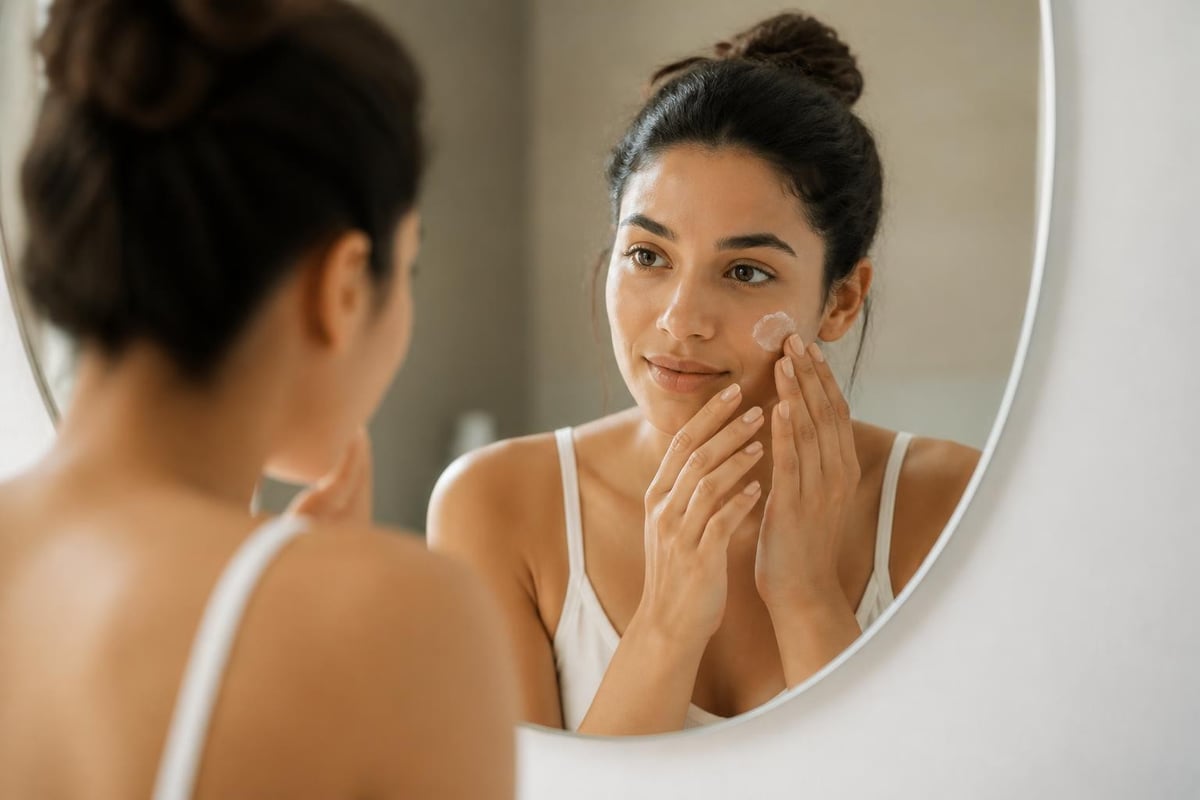
Building Your Best Face Care Routine
A consistent routine forms the cornerstone of healthy skin. The best face care regimens follow a logical sequence that maximises product effectiveness whilst respecting your skin's natural barrier.
Morning Routine Essentials
Start your day with these fundamental steps:
- Gentle cleansing: Remove overnight oil and prepare skin for products
- Toning: Balance pH and add a first layer of hydration
- Treatment serums: Apply targeted ingredients to address specific concerns
- Moisturising: Lock in hydration and protect the skin barrier
- Sun protection: Shield against UV damage and premature ageing
Choosing the right sunscreen remains crucial for preventing photoaging and maintaining healthy skin. Board-certified dermatologists recommend broad-spectrum protection applied daily, even on cloudy days.
Evening Routine Priorities
Night-time offers an opportunity for deeper nourishment and repair:
- Double cleansing: First with an oil-based cleanser, then a water-based one
- Toning: Prepare skin for treatment products
- Targeted treatments: Apply retinoids, acids, or specific serums
- Rich moisturising: Support overnight barrier repair
| Routine Step | Morning | Evening | Purpose |
|---|---|---|---|
| Cleanse | Light gel or foam | Double cleanse | Remove impurities |
| Tone | Hydrating toner | Balancing toner | Prep and balance |
| Treat | Vitamin C serum | Retinol or acids | Target concerns |
| Moisturise | Lightweight lotion | Rich cream | Hydrate and protect |
| Protect | SPF 30+ | Not needed | Prevent UV damage |
Those exploring holistic skin care brands often appreciate routines that consider the whole person, not just isolated skin concerns.
The Power of Natural and Vegan Ingredients
The best face care increasingly embraces plant-based formulations that deliver results without animal-derived ingredients or testing. Natural doesn't automatically mean better, but many botanical ingredients offer proven benefits backed by research.
Star Natural Ingredients
Hyaluronic acid (vegan-derived) holds up to 1,000 times its weight in water, plumping skin and reducing fine lines. Niacinamide (vitamin B3) addresses multiple concerns including uneven tone, enlarged pores, and inflammation. Plant oils like jojoba, rosehip, and argan provide essential fatty acids that support the skin barrier.
Antioxidants from green tea, vitamin E, and vitamin C protect against environmental damage. These ingredients work synergistically, often providing better results in well-formulated combinations than as isolated actives.
Why Vegan Matters for Face Care
Choosing vegan products aligns with ethical values whilst often proving gentler on sensitive skin. Many traditional skincare ingredients like lanolin, beeswax, and collagen have effective plant-based alternatives that perform beautifully.
- Cruelty-free certification ensures no animal testing
- Plant-based formulas often contain fewer potential irritants
- Sustainable sourcing benefits both skin and planet
- Transparent ingredient lists build consumer trust
Best organic skincare brands combine vegan principles with organic farming practices for maximum environmental benefit.

Cleansing: The Foundation of Best Face Care
Proper cleansing removes makeup, pollution, excess oil, and dead skin cells without stripping your skin's protective barrier. This seemingly simple step profoundly impacts everything that follows in your routine.
Choosing the Right Cleanser
DermNet NZ provides detailed guidance on cleansers and emollients that helps distinguish between product types. Your ideal cleanser depends on your skin type and lifestyle:
For oily or blemish-prone skin: Gel cleansers with gentle surfactants effectively remove excess sebum without over-drying. Look for formulas containing salicylic acid or tea tree oil for added blemish control.
For dry or mature skin: Creamy, milk-based cleansers or cleansing oils nourish whilst cleaning. These formulas often contain fatty acids and ceramides that support the skin barrier.
For sensitive skin: Gentle skin products free from fragrance, essential oils, and harsh surfactants minimise irritation risk. Simple formulas with fewer ingredients reduce potential triggers.
The Double Cleanse Method
Evening double cleansing ensures thorough removal of sunscreen and makeup:
- First cleanse with an oil-based product to dissolve makeup and sunscreen
- Second cleanse with a water-based formula to remove remaining impurities
- Pat dry gently with a clean towel
- Proceed immediately with toner whilst skin is still damp
This method proves especially valuable for those wearing makeup daily or using water-resistant sunscreen.
Moisturising for Every Skin Type
Hydration forms a non-negotiable element of the best face care routines. Even oily skin benefits from appropriate moisturisation, as dehydration can trigger increased oil production as skin attempts to compensate.
Understanding Moisturiser Components
Effective moisturisers typically contain three types of ingredients:
- Humectants (glycerin, hyaluronic acid) draw water into skin
- Emollients (plant oils, shea butter) smooth and soften
- Occlusives (squalane, plant waxes) seal in moisture
Evidence from Cochrane systematic reviews demonstrates that regular moisturiser use maintains skin barrier function and prevents various skin conditions.
| Skin Type | Ideal Texture | Key Ingredients | Application Tips |
|---|---|---|---|
| Oily | Lightweight gel or lotion | Hyaluronic acid, niacinamide | Apply to damp skin |
| Dry | Rich cream | Shea butter, ceramides, oils | Layer over serum |
| Combination | Gel-cream hybrid | Balanced humectants/emollients | Adjust by zone |
| Sensitive | Fragrance-free lotion | Oat extract, allantoin | Minimal ingredients |
Those with reactive complexions might explore sensitive face products specifically formulated to minimise irritation whilst providing essential hydration.
Day vs Night Moisturisers
Morning moisturisers often feature lighter textures that sit well under makeup and SPF. Night creams typically contain richer, more nourishing ingredients since you needn't worry about greasiness or makeup application.
Some prefer a single moisturiser for both times, adjusting the amount based on need. Listen to your skin rather than following rigid rules.
Addressing Specific Skin Concerns
The best face care adapts to your unique challenges. Targeted treatments and appropriate product selection make significant differences for common concerns.
Managing Blemish-Prone Skin
The 2024 Guidelines of Care for the Management of Acne emphasise gentle cleansing, appropriate moisturisation, and evidence-based treatments. Harsh scrubbing and over-drying worsen acne rather than helping.
Key strategies include:
- Non-comedogenic products that won't clog pores
- Gentle exfoliation with salicylic acid or lactic acid
- Consistent routine without frequent product switching
- Patience, as improvements take 6-12 weeks
Skin clearing products formulated for blemish-prone skin balance effective ingredients with skin-barrier support.
Caring for Sensitive or Reactive Skin
The National Rosacea Society offers guidance on skin care for those with rosacea and sensitive skin. Their recommendations align with best practices for all reactive complexions:
- Test new products on a small area first
- Introduce one product at a time
- Avoid common triggers like alcohol, fragrance, and essential oils
- Choose products with their Seal of Acceptance when available
Temperature extremes, whether hot showers or cold weather, can exacerbate sensitivity. Lukewarm water for cleansing and appropriate barrier protection make noticeable differences.
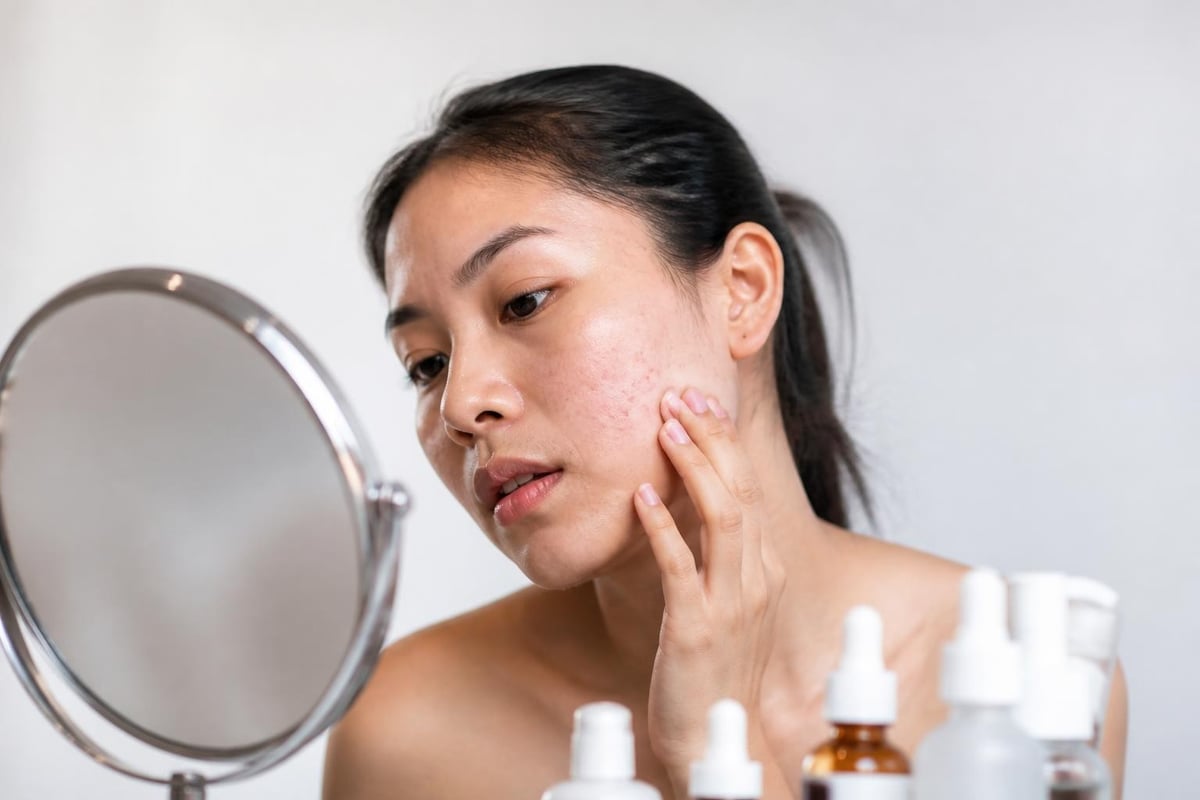
Anti-Ageing Approaches
Research on topical retinoids for photodamaged skin demonstrates their effectiveness for reducing fine lines and improving texture. Retinoids remain the gold standard for anti-ageing, but require patient introduction to minimise irritation.
Natural alternatives like bakuchiol offer gentler options with similar benefits. Antioxidants including vitamins C and E protect against ongoing damage whilst supporting repair.
Prevention through daily sunscreen use outweighs any treatment for maintaining youthful skin. Starting sun protection early yields the best long-term results.
The Role of Toners in Best Face Care
Often overlooked or misunderstood, toners serve important functions in a complete routine. Modern toners have evolved far beyond the harsh, alcohol-based astringents of the past.
Benefits of Quality Toners
Today's toners deliver multiple advantages:
- Remove final traces of cleanser and hard water minerals
- Balance skin pH after cleansing
- Provide a first layer of hydration
- Enhance absorption of subsequent products
- Deliver lightweight active ingredients
Hydrating toners packed with humectants suit dry and dehydrated skin. Exfoliating toners with AHAs or BHAs gently resurface skin. Soothing toners with botanical extracts calm reactive complexions.
Apply toner to damp skin immediately after cleansing, either with clean hands or a reusable cotton pad. Follow whilst skin remains damp with your serum and moisturiser to lock in hydration.
Creating a Sustainable Face Care Routine
The best face care considers environmental impact alongside skin health. Sustainable practices benefit both your complexion and the planet.
Eco-Conscious Product Choices
Look for brands committed to:
- Recyclable or refillable packaging
- Sustainably sourced ingredients
- Minimal plastic use
- Carbon-neutral shipping
- Transparent supply chains
UK skincare brands often lead in sustainability practices, with shorter supply chains and stronger environmental regulations.
Minimalist Routines That Work
More products don't necessarily mean better results. A streamlined routine with high-quality, multi-functional products often outperforms complex regimens with mediocre formulations.
Essential products only:
- Gentle cleanser
- Hydrating toner
- Targeted serum (if needed)
- Quality moisturiser
- Broad-spectrum SPF
This simplified approach reduces waste, saves money, and minimises the chance of ingredient conflicts or irritation. Best skincare products reviews can help identify high-performing options worth investing in.
Special Considerations for Different Demographics
Face care isn't one-size-fits-all. Different demographics face unique challenges requiring tailored approaches.
Seasonal Adjustments
Your best face care routine should flex with the calendar:
| Season | Primary Challenge | Routine Adjustments |
|---|---|---|
| Winter | Dryness, sensitivity | Richer moisturisers, gentle cleansing |
| Spring | Allergies, transitioning | Soothing ingredients, lighter textures |
| Summer | Excess oil, sun damage | Oil-control products, higher SPF |
| Autumn | Repairing summer damage | Exfoliation, intensive treatments |
Age-Appropriate Care
Teenage skin requires different care than mature complexions. Young skin often needs lighter products and blemish management, whilst mature skin benefits from richer formulations and anti-ageing actives.
Starting good habits early, particularly daily SPF use, prevents many age-related concerns. The best face care evolves as you age, adapting to changing needs rather than following trends.
Inclusive Product Development
Black face care products address specific concerns like hyperpigmentation and keloid scarring that disproportionately affect darker skin tones. Truly inclusive skincare considers diverse needs in formulation and testing.
All skin deserves products that work effectively and safely, regardless of tone, age, or gender. Brands committed to inclusivity test across diverse populations and address varied concerns.
Smart Shopping for Face Care Products
Making informed purchases ensures you invest in products that truly benefit your skin rather than following marketing hype.
Reading Ingredient Lists
Ingredients appear in descending order by concentration. The first five ingredients typically comprise the majority of the formula. Learn to recognise beneficial actives versus filler ingredients.
Watch for potential irritants if you have sensitive skin:
- Fragrance (synthetic or natural)
- Denatured alcohol
- Essential oils (for some people)
- Harsh surfactants like SLS
Natural skin brands often provide clearer ingredient transparency, making informed choices easier.
Finding Your Best Products
Testing products properly before committing helps avoid waste and disappointment. Many brands offer samples allowing you to trial before purchasing full sizes.
Smart testing approach:
- Introduce one new product at a time
- Use consistently for 4-6 weeks before judging effectiveness
- Patch test if you have sensitive skin
- Keep notes about what works and what doesn't
Skincare brands for sensitive skin typically offer smaller sizes or starter sets perfect for testing compatibility before investing in full-size products.
Budget-Friendly Best Face Care
Effective routines needn't break the bank. Inexpensive skin care brands prove that quality doesn't require luxury pricing.
Focus spending on products that stay on your skin (serums, moisturisers, treatments) rather than rinse-off items like cleansers. A basic cleanser from an affordable line works just as well as a premium one for most people.
Professional Guidance and When to Seek It
Sometimes the best face care requires professional input. Dermatologists, aestheticians, and skincare consultants provide valuable expertise for complex concerns.
Signs You Need Professional Help
Seek expert advice if you experience:
- Severe or cystic acne
- Persistent redness or rosacea
- Unexplained rashes or reactions
- Moles or spots that change
- Concerns that don't respond to over-the-counter products
Many skin conditions benefit from prescription treatments combined with appropriate over-the-counter care. Don't struggle alone when professional help could resolve issues quickly.
Working With Your Routine
When incorporating prescription products, maintain your gentle cleansing and moisturising routine. These basics support your skin barrier whilst active treatments work.
Inform your healthcare provider about all products you use, including natural and vegan options. Some combinations work synergistically whilst others conflict.
Building the best face care routine requires understanding your unique skin needs, choosing quality ingredients, and maintaining consistency. Whether you're addressing specific concerns or simply maintaining healthy skin, the fundamentals of gentle cleansing, appropriate moisturisation, and sun protection form the foundation of success. White Rabbit Skin Care offers thoughtfully formulated vegan products designed to support your skin's health with natural ingredients and sustainable practices. Explore their range to discover cruelty-free face care that delivers real results whilst honouring your values.