

Best Dermatological Products for Healthy Skin
Finding the best dermatological products for your skin can feel overwhelming with thousands of options lining shop shelves and filling online stores. Whether you're dealing with sensitivity, dryness, or simply want to maintain healthy skin, understanding what makes a product truly effective is essential. In 2026, we're seeing a wonderful shift towards science-backed formulations that combine clinical efficacy with natural, ethical ingredients. This guide will help you navigate the world of dermatological skincare, understand key ingredients, and make informed choices that align with both your skin's needs and your values.
Understanding What Makes Products Dermatological
The term "dermatological" isn't just marketing speak. It refers to products formulated with scientific research backing their efficacy, often tested under dermatological supervision. These products typically contain active ingredients at concentrations proven to deliver results.
What sets dermatological skincare apart is the rigorous testing and formulation process. Products undergo clinical trials, patch testing, and stability studies to ensure they're both safe and effective. Research published in the Journal of the American Academy of Dermatology identifies 23 key ingredients recommended by cosmetic dermatologists for various skin concerns, providing a solid foundation for understanding effective formulations.
When searching for the best dermatological products, you'll want to look for:
- Clinical backing: Evidence-based ingredients with published research
- Appropriate concentrations: Active ingredients at effective levels
- pH-balanced formulations: Respecting your skin's natural barrier
- Minimal irritants: Avoiding unnecessary fragrances and harsh preservatives
- Clear ingredient lists: Transparency about what's in the bottle
The Science Behind Effective Formulations
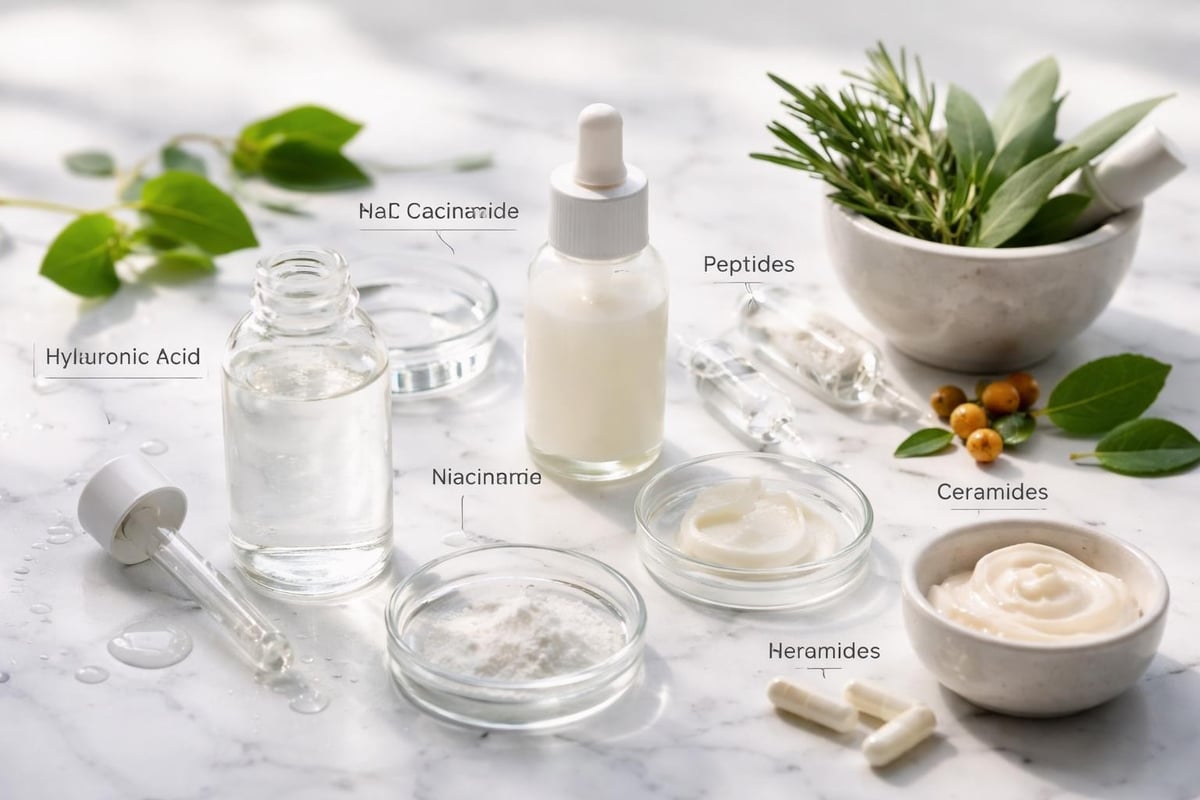
Modern dermatological products leverage advanced delivery systems to ensure ingredients penetrate effectively. Liposomal encapsulation, time-release technologies, and bioavailable formulations make a significant difference in how your skin absorbs and utilizes active ingredients.
Advancements in dermatological skincare now integrate technology with traditional formulation science, creating personalized solutions for diverse skin types. This evolution means we're no longer stuck with one-size-fits-all approaches.
The concentration of active ingredients matters immensely. A product might list vitamin C on its label, but if it contains only 0.5% when studies show 10-20% is effective, you won't see results. This is why understanding formulations helps you identify truly effective products.
Essential Ingredients in the Best Dermatological Products
Let's explore the powerhouse ingredients that deserve a place in your skincare routine. These components have stood the test of time and scientific scrutiny.
Hyaluronic Acid: The Hydration Hero
This naturally occurring molecule holds up to 1000 times its weight in water. In dermatological products, hyaluronic acid comes in various molecular weights:
| Molecular Weight | Penetration Depth | Primary Benefit |
|---|---|---|
| Low weight | Deep dermis | Long-term hydration, plumping |
| Medium weight | Mid-epidermis | Balanced moisture retention |
| High weight | Surface level | Immediate smoothing, barrier protection |
The best formulations combine multiple molecular weights for comprehensive hydration at all skin levels. This ingredient works beautifully for all skin types, including sensitive complexions that struggle with heavier moisturizers.
Niacinamide: The Multi-Tasker
Vitamin B3, known as niacinamide, addresses numerous skin concerns simultaneously. It strengthens the skin barrier, reduces inflammation, regulates oil production, and minimizes the appearance of pores.
Studies show niacinamide at 2-5% concentration delivers visible improvements in skin texture and tone within weeks. It's particularly beneficial for those dealing with sensitivity, as it calms redness while improving overall skin resilience. For those exploring vegan face lotions, niacinamide is a plant-derived ingredient that offers professional-grade results.
Ceramides and Barrier Support
Your skin's barrier is its first line of defense. Ceramides are lipid molecules that form the "mortar" between skin cells, preventing moisture loss and keeping irritants out.
Products containing ceramides are particularly valuable for:
- Dry, flaky skin conditions
- Eczema-prone complexions
- Post-treatment recovery
- Climate-induced sensitivity
- Mature skin needing extra support
Choosing Products for Different Skin Types
Not all dermatological products suit every skin type. Tailoring your choices ensures you get the best results without irritation or adverse reactions.
Sensitive Skin Solutions
If your skin reacts easily, you need products specifically formulated for sensitive skin that avoid common triggers. The best dermatological products for sensitive complexions feature minimal ingredient lists and exclude known irritants.
Look for formulations that are:
- Fragrance-free: Both synthetic and natural fragrances can trigger reactions
- Alcohol-free: Drying alcohols compromise the skin barrier
- Hypoallergenic tested: Products screened for common allergens
- pH-balanced: Maintaining skin's natural acid mantle around 5.5
- Non-comedogenic: Won't clog pores or cause breakouts
Gentle cleansers with cream or oil bases work better than foaming formulas, which can strip natural oils. Pair these with soothing ingredients like colloidal oatmeal, allantoin, and chamomile extract.
Dry Skin Needs
Dehydrated skin requires products that both add and lock in moisture. Managing skincare for sensitive, dry skin requires understanding the difference between hydration (water) and moisture (oil).
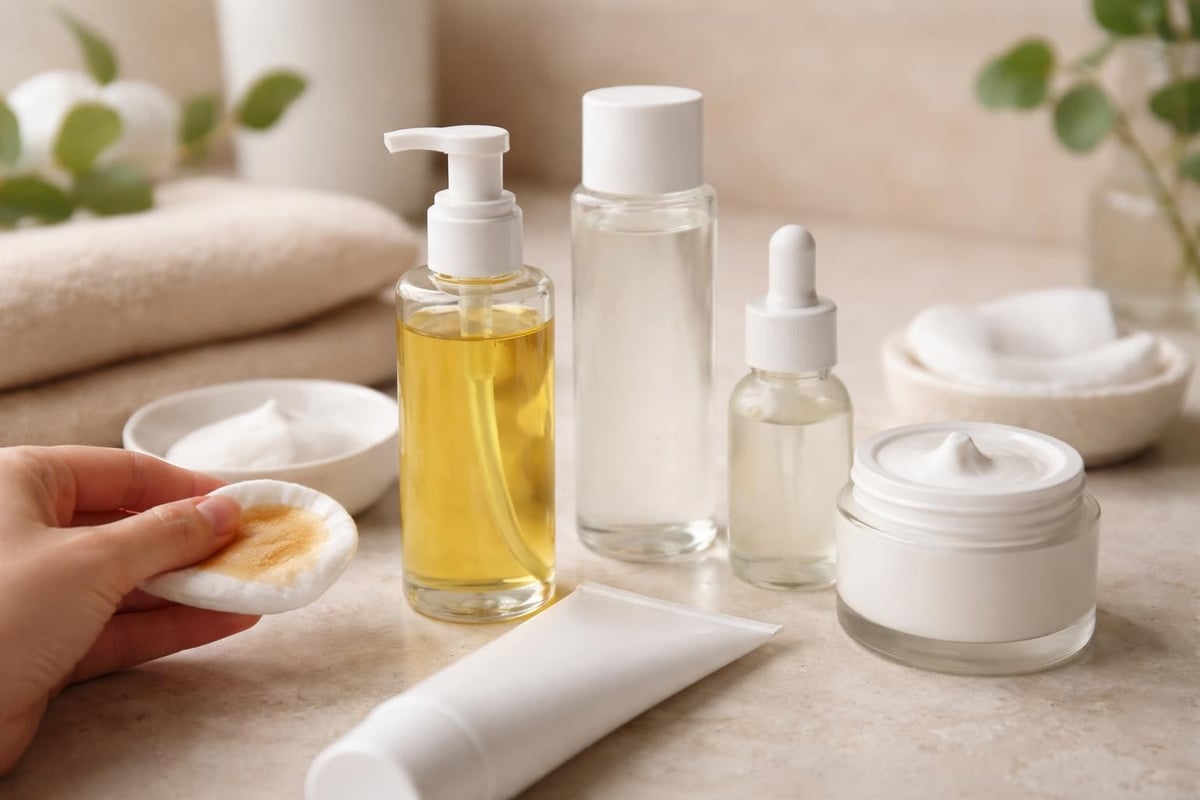
The ideal routine layers products by weight:
- Lightweight hydrating essence or toner
- Water-based serum with hyaluronic acid
- Treatment products for specific concerns
- Richer cream or balm to seal everything in
Combination and Oily Skin
Even oily skin needs proper hydration. The best dermatological products for combination complexions are lightweight, non-greasy, and balance oil production without triggering excess sebum.
Gel-based moisturizers with niacinamide help regulate oil while maintaining hydration. Salicylic acid products gently exfoliate and keep pores clear without over-drying.
The Rise of Vegan and Natural Dermatological Products
One of the most exciting developments in skincare is the convergence of dermatological efficacy with ethical, plant-based formulations. You no longer need to choose between results and values.
Vegan skin care products now incorporate sophisticated botanical actives that rival traditional ingredients. Plant-derived squalane matches or exceeds shark-derived versions. Bakuchiol offers retinol-like benefits without irritation.
Why Choose Vegan Dermatological Products
The benefits extend beyond ethics:
For your skin:
- Often gentler with fewer harsh chemicals
- Rich in antioxidants from plant extracts
- Lower risk of unexpected allergic reactions
- Naturally anti-inflammatory properties
For the environment:
- Sustainable ingredient sourcing
- Reduced ecological impact
- Often packaged more responsibly
- Support for biodiversity
For animals:
- Cruelty-free formulation and testing
- No animal-derived ingredients
- Ethical supply chains
- Transparent practices
Plant-Based Active Ingredients
Modern botanical science has identified numerous plant compounds with dermatological benefits. These ingredients appear in the best dermatological products across various categories.
| Plant Ingredient | Skin Benefit | Comparable To |
|---|---|---|
| Bakuchiol | Collagen stimulation, anti-aging | Retinol |
| Sea buckthorn oil | Barrier repair, vitamin-rich | Synthetic vitamin complex |
| Green tea extract | Antioxidant protection | Vitamin C |
| Rosehip oil | Cell regeneration, brightening | Vitamin A derivatives |
| Aloe vera | Soothing, hydrating | Hyaluronic acid (lighter) |
Product Categories Worth Investing In
Not all skincare products deliver equal value. Some categories offer more significant benefits and deserve priority in your routine.
Cleansers: The Foundation
A brilliant cleanser removes impurities without stripping your skin. The best dermatological cleansers maintain your skin's pH and leave it comfortable, never tight or squeaky.
Double cleansing works wonders for thorough but gentle cleaning. Start with an oil or balm to dissolve makeup and sunscreen, then follow with a water-based cleanser suited to your skin type.
Serums: Concentrated Solutions
Serums pack high concentrations of active ingredients into lightweight formulations. They're where you'll find the most potent doses of ingredients like vitamin C, peptides, and growth factors.
When building your routine, serums offer the best return on investment for targeted concerns. Apply them to damp skin after cleansing and toning for optimal absorption.
Moisturizers: Sealing the Deal
Choosing the right moisturizer completes your routine by locking in all previous layers. The best formulations suit your skin type while providing both immediate comfort and long-term benefits.
Day moisturizers often include SPF protection (though dedicated sunscreen is better). Night creams tend to be richer, supporting skin's natural repair processes during sleep.
Specialized Treatments
Eye creams, spot treatments, and targeted masks address specific concerns. While not daily essentials, these products can make a noticeable difference when chosen wisely.
Eye area skin is thinner and more delicate, requiring specialized formulations. Vegan eye creams offer gentle care without animal-derived ingredients commonly found in traditional formulas.
Reading Labels Like a Professional
Understanding ingredient lists empowers you to make informed choices. Here's how to decode what you're reading on product packaging.
Ingredient Order Matters
Ingredients appear in descending order by percentage. The first five to seven ingredients typically comprise 70-80% of the formula. If your "active ingredient" appears near the end of a long list, it's present in minimal amounts.
Water (aqua) often tops the list, which is fine for water-based products. However, if you're paying premium prices, you want to see beneficial ingredients high up the list.
Watch for Different Names
Many ingredients have multiple names. Vitamin E might appear as tocopherol or tocopheryl acetate. Vitamin C could be listed as ascorbic acid, sodium ascorbyl phosphate, or magnesium ascorbyl phosphate.
Understanding these variations helps you spot beneficial ingredients regardless of nomenclature. Resources like DermNet provide comprehensive ingredient information for those wanting to dive deeper.
Preservatives: Necessary but Controversial
Preservatives prevent bacterial and fungal growth in products. While some people avoid them, they're essential for product safety and stability.
The key is choosing products with gentle, effective preservatives rather than potentially irritating options. Phenoxyethanol, potassium sorbate, and sodium benzoate are generally well-tolerated alternatives to parabens.

Building Your Dermatological Skincare Routine
Creating an effective routine doesn't require dozens of products. A streamlined approach often delivers better results than complicated multi-step regimens.
Morning Routine Essentials
Start your day with protection and preparation:
- Gentle cleanser: Remove overnight buildup
- Hydrating toner: Prep skin for absorption
- Antioxidant serum: Protect against environmental damage
- Moisturizer: Lock in hydration
- Sunscreen: Non-negotiable daily protection
Keep morning routines relatively simple. Your skin needs protection more than treatment during daylight hours.
Evening Routine for Repair
Nighttime is when your skin regenerates:
- First cleanse: Remove makeup and sunscreen
- Second cleanse: Deep clean pores
- Exfoliant: 2-3 times weekly, not daily
- Treatment serum: Active ingredients for specific concerns
- Night moisturizer: Richer formula to support repair
Allow adequate time between steps for absorption. Rushing through your routine reduces effectiveness.
Weekly Treatments
Masks, peels, and intensive treatments complement your daily routine. These products offer concentrated benefits without overwhelming your skin with daily use.
Sheet masks provide a hydration boost, while clay masks draw out impurities. Chemical exfoliants resurface skin more gently than physical scrubs, revealing fresh, glowing complexion underneath.
Sustainability in Dermatological Products
The best dermatological products increasingly consider environmental impact alongside skin benefits. Sustainable skincare isn't just trendy-it's essential for our planet's future.
Packaging Innovations
Brands are moving toward:
- Refillable containers reducing waste
- Recyclable materials instead of mixed plastics
- Minimal packaging without excess boxes
- Biodegradable options for unavoidable disposables
- Concentrated formulas requiring less shipping weight
Ingredient Sourcing
Ethical sourcing ensures ingredients don't deplete natural resources or harm ecosystems. Look for certifications indicating sustainable harvesting practices and fair trade partnerships.
Many non-toxic skincare brands prioritize both skin health and environmental responsibility, proving you needn't compromise either.
Common Mistakes to Avoid
Even with the best dermatological products, certain habits sabotage results. Avoiding these pitfalls helps you achieve the healthy skin you deserve.
Using Too Many Products
More isn't better. Layering too many actives increases irritation risk without enhancing benefits. Stick to one or two treatment products addressing your primary concerns.
Your skin needs time to adjust to new ingredients. Introducing everything at once makes it impossible to identify what helps or hinders.
Skipping Patch Tests
Always patch test new products, especially if you have sensitive skin. Apply a small amount to your inner arm or behind your ear for 24-48 hours before full-face application.
This simple step prevents full-face reactions to ingredients your skin doesn't tolerate.
Inconsistent Application
Skincare requires consistency. Sporadic use of even the best products won't deliver results. Most ingredients need 4-12 weeks of regular use before you'll notice significant changes.
Set realistic expectations. Marketing promises overnight transformations, but genuine improvement takes time and dedication.
Professional Guidance and When to Seek It
While many skin concerns improve with over-the-counter products, some situations require professional assessment. Dermatologists provide invaluable expertise for complex issues.
Consider consulting a professional if you experience:
- Persistent acne not improving with standard products
- Sudden changes in skin texture or appearance
- Severe sensitivity or allergic reactions
- Suspicious moles or growths
- Conditions like rosacea or eczema
Detailed resources on skin conditions help you understand when professional intervention is necessary versus when home care suffices.
The Future of Dermatological Skincare
Looking ahead, skincare continues evolving with exciting innovations on the horizon. Technology and nature are converging in fascinating ways.
Personalized formulations based on genetic testing and skin analysis are becoming more accessible. AI-powered skin assessments help identify concerns and recommend targeted solutions.
Biotechnology enables creation of sustainable, lab-grown ingredients identical to natural compounds but produced without environmental strain. This means effective products without depleting natural resources.
Current dermatologist-approved products showcase trends shaping 2026 and beyond, emphasizing transparency, efficacy, and sustainability.
Making Informed Purchasing Decisions
With so many options available, smart shopping ensures you invest wisely in products that deliver results.
Price Versus Value
Expensive doesn't automatically mean better. Some affordable products contain the same active ingredients at effective concentrations as luxury alternatives.
However, formulation expertise, research investment, and ingredient quality justify higher prices in some cases. Evaluate what you're actually getting for your money.
Reading Reviews Critically
Customer reviews provide insight, but approach them critically. Skin is highly individual-what works wonderfully for someone might not suit you.
Look for reviews from people with similar skin types and concerns. Be wary of overly enthusiastic reviews lacking specific details, as these may not be genuine.
Trial and Discovery
Many brands offer sample sizes or discovery sets, allowing you to test products before committing to full sizes. This approach saves money and prevents wasted products sitting unused in your bathroom.
Supporting Ethical Brands
Your purchasing choices support the practices you value. Choosing ethical brands encourages the industry to prioritize responsibility over profit margins.
Research brands' commitments to:
- Animal welfare and cruelty-free testing
- Environmental sustainability
- Fair labour practices
- Ingredient transparency
- Community support and giving back
Companies like those offering cruelty-free skin care demonstrate that business success and ethical practices aren't mutually exclusive.
Selecting the best dermatological products requires understanding your skin's unique needs, researching ingredients, and choosing formulations backed by science rather than marketing hype. Whether you prioritize clinical efficacy, natural ingredients, or ethical production, today's skincare market offers excellent options that don't require compromise. For those seeking natural, vegan formulations that deliver professional results while honouring your values and the planet, White Rabbit Skin Care offers thoughtfully crafted products combining dermatological excellence with cruelty-free, sustainable practices. Explore their range to discover how plant-based skincare can transform your complexion whilst aligning with your commitment to ethical beauty.