

Best Cruelty Free Skin Products for Radiant Skin
The beauty industry is experiencing a remarkable shift towards ethical and sustainable practices, with more consumers than ever seeking products that align with their values. Finding the best cruelty free skin products has become a priority for those who want effective skincare without compromising on animal welfare. The wonderful news is that cruelty-free doesn't mean sacrificing quality or results. In fact, many of today's most innovative and effective formulations are completely free from animal testing, proving that beauty and ethics can work hand in hand. Whether you're building your first ethical skincare routine or transitioning from conventional products, understanding what makes skincare truly cruelty-free will help you make informed choices that benefit both your skin and the world around you.
Understanding Cruelty-Free Certification
When searching for the best cruelty free skin products, it's essential to understand what the term actually means. Cruelty-free certification indicates that no animal testing has been conducted at any stage of product development, from individual ingredients to the final formulation.
Several reputable organisations provide cruelty-free certification:
- Leaping Bunny - The gold standard for cruelty-free certification worldwide
- PETA's Beauty Without Bunnies - Comprehensive database of cruelty-free companies
- Choose Cruelty Free - Australian certification recognised globally
- Cruelty Free International - Leading organisation working to end animal testing
The Difference Between Cruelty-Free and Vegan
Many people use these terms interchangeably, but they represent different commitments. Cruelty-free products aren't tested on animals, whilst vegan products contain no animal-derived ingredients whatsoever. The best scenario combines both credentials, ensuring complete ethical integrity from sourcing through to testing.
A product can be cruelty-free but still contain ingredients like beeswax, honey, or lanolin. For those seeking 100% natural and vegan formulations, it's worth checking both certifications.
Essential Cruelty-Free Products for Your Skincare Routine
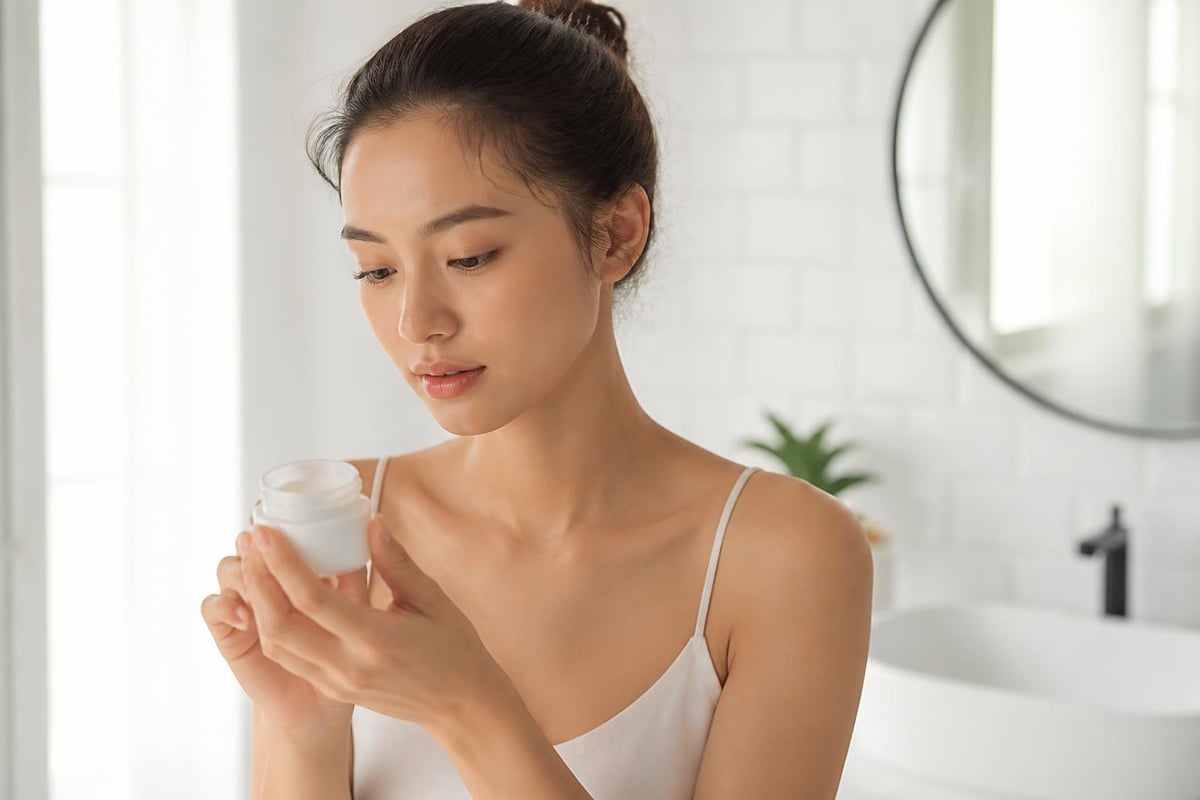
Building an effective cruelty-free routine requires understanding which products deliver the best results for your skin type. Let's explore the essential categories and what to look for in each.
Cleansers That Respect Your Skin
The foundation of any great skincare routine starts with proper cleansing. The best cruelty free skin products in this category remove impurities without stripping your skin's natural protective barrier.
Key ingredients to seek out:
- Gentle surfactants like coco-glucoside or decyl glucoside
- Plant-based oils such as jojoba, sweet almond, or coconut
- Soothing botanicals including chamomile, calendula, and aloe vera
- Natural clays for deep cleansing without harsh chemicals
For those with reactive skin, face products specifically formulated for sensitive skin can make all the difference. Natural cleansers often work more harmoniously with your skin's pH balance than conventional alternatives.
Toners and Essences Worth Adding
Once dismissed as unnecessary, toners have evolved into sophisticated products that prepare skin for better absorption of subsequent treatments. Modern cruelty-free toners hydrate, balance, and deliver active ingredients without alcohol-based formulas that can irritate.
| Skin Type | Recommended Ingredients | Benefits |
|---|---|---|
| Dry | Rose water, hyaluronic acid, glycerin | Deep hydration, plumping |
| Oily | Witch hazel, tea tree, niacinamide | Pore refinement, sebum control |
| Combination | Cucumber, green tea, aloe | Balance, soothing properties |
| Sensitive | Chamomile, oat extract, allantoin | Calming, anti-inflammatory |
Targeted Treatments for Specific Concerns
Beyond the basics, targeted treatments address particular skin concerns using concentrated active ingredients. The best cruelty free skin products in this category harness the power of plant-based actives and advanced natural formulations.
Serums and Oils
Serums deliver powerful ingredients in lightweight formulations that penetrate deeply. When choosing cruelty-free options, look for:
- Vitamin C from kakadu plum or rosehip for brightening and antioxidant protection
- Bakuchiol as a natural retinol alternative for anti-ageing
- Niacinamide from plant sources for pore refinement and even tone
- Hyaluronic acid (vegan-derived) for intense hydration
Facial oils have surged in popularity, with good reason. They seal in moisture, deliver fat-soluble vitamins, and often contain naturally occurring antioxidants. Rosehip, argan, and jojoba oils are particularly versatile and suit most skin types.
The skincare trends for 2026 emphasise gentle, microbiome-friendly approaches that align perfectly with natural, cruelty-free formulations.
Masks and Exfoliants
Weekly treatments boost your routine's effectiveness. Cruelty-free masks utilise clays, fruit enzymes, and botanical extracts rather than synthetic ingredients or microbeads.
Effective natural exfoliants include:
- Fruit enzymes from papaya, pineapple, or pumpkin
- Lactic acid derived from sugar beets or fermented plants
- Ground oats or rice powder for gentle physical exfoliation
- Bamboo powder for a finer, more refined texture
Moisturisers for Every Skin Type
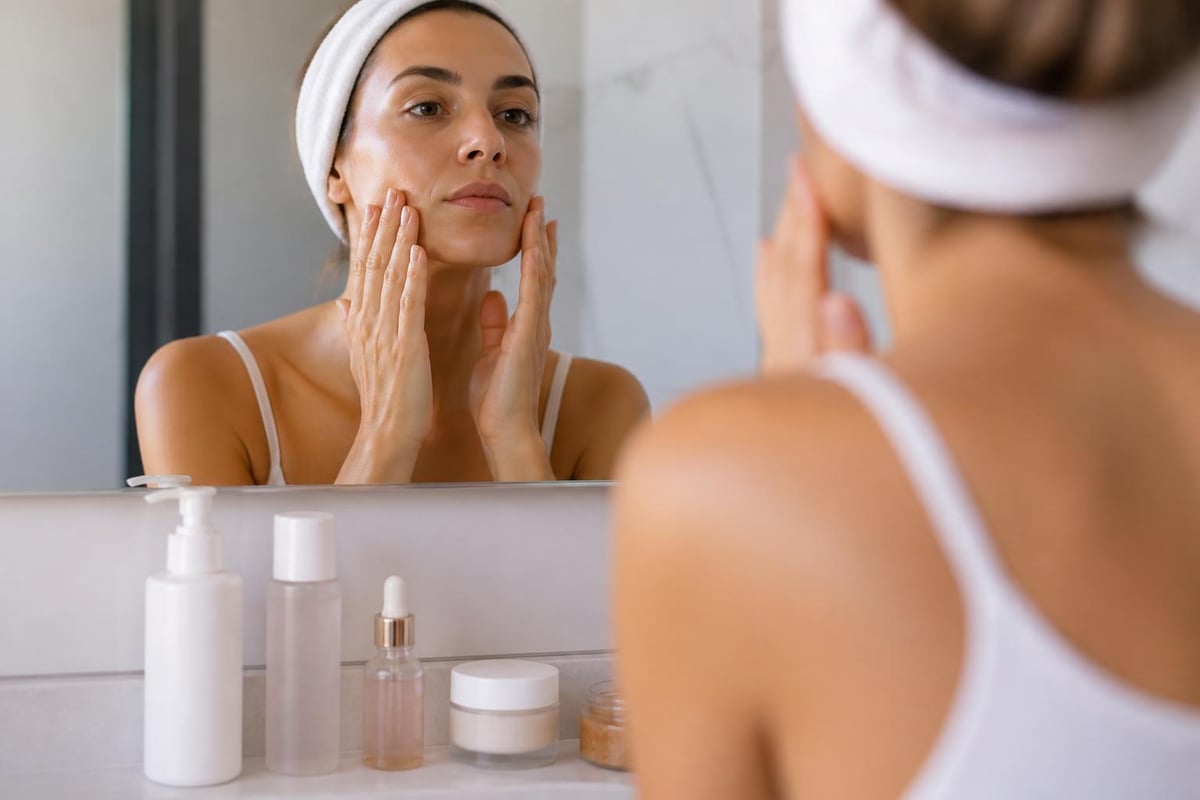
Finding the perfect moisturiser is crucial for maintaining healthy, balanced skin. The best cruelty free skin products in this category range from lightweight gels to rich creams, each suited to different needs.
Choosing Based on Your Skin Type
Understanding your skin type helps you select formulations that work with, rather than against, your natural characteristics. The cruelty-free cosmetics market shows significant growth in the skincare segment, particularly in natural and organic formulations.
Dry skin thrives with:
- Shea butter and cocoa butter for deep nourishment
- Ceramides (plant-derived) to repair the skin barrier
- Squalane from olive or sugarcane for lasting hydration
- Rich textures that lock in moisture overnight
Oily and combination skin benefits from:
- Lightweight gel formulations with aloe vera
- Mattifying ingredients like rice powder or kaolin clay
- Non-comedogenic oils such as grapeseed or hemp seed
- Fragrance-free options that won't irritate or clog pores
Sensitive skin needs:
- Minimal ingredient lists to reduce reaction risk
- Soothing botanicals like calendula and chamomile
- Free-from formulas excluding common irritants
- Gentle, tested formulations from trusted brands
Day Versus Night Moisturisers
Your skin has different needs throughout the day. Morning moisturisers should protect against environmental stressors, whilst evening products focus on repair and regeneration.
Day creams often incorporate antioxidants from green tea, vitamin E, or resveratrol. Some include natural SPF boosters like red raspberry seed oil or carrot seed oil, though these shouldn't replace dedicated sun protection.
Night creams typically feature more intensive ingredients and richer textures, allowing your skin to repair whilst you sleep. Look for formulations with evening primrose oil, rosehip, or sea buckthorn.
The Rise of Natural and Vegan Formulations
The intersection of cruelty-free, natural, and vegan skincare represents the future of ethical beauty. These products prove that effective skincare doesn't require animal testing or synthetic chemicals.
Why Natural Ingredients Matter
Natural ingredients often contain complex mixtures of beneficial compounds that work synergistically. A single plant extract might offer antioxidants, vitamins, minerals, and anti-inflammatory compounds all at once.
Authenticity in natural skincare matters enormously. Genuine natural brands use ingredients at effective concentrations and avoid greenwashing tactics that mislead consumers.
Ingredient Transparency
The best cruelty free skin products come from brands that proudly share their ingredient sources and processing methods. This transparency builds trust and helps consumers make informed decisions.
| What to Look For | Red Flags |
|---|---|
| Full ingredient lists | Vague terms like "fragrance" or "parfum" |
| Latin names for botanicals | Unnamed "proprietary blends" |
| Source information | Lack of certification details |
| Processing methods explained | No information on testing |
| Concentration percentages | Misleading "natural" claims |
Addressing Common Skincare Concerns
Many people worry that switching to cruelty-free products means compromising on effectiveness. Modern formulations prove this concern unfounded.
Anti-Ageing Without Animal Testing
Natural alternatives to conventional anti-ageing ingredients deliver impressive results. Bakuchiol offers retinol-like benefits without irritation. Peptides derived from plant sources support collagen production. Vitamin C from botanical sources brightens and protects.
The integration of AI and biotechnology in skincare is revolutionising how we develop effective, ethical formulations. These technologies allow brands to create powerful active ingredients without animal testing.
Treating Problematic Skin
Acne, rosacea, and hyperpigmentation all respond well to natural, cruelty-free ingredients. Tea tree oil, willow bark extract (natural salicylic acid), and niacinamide effectively address breakouts. Azelaic acid from grains helps with both acne and pigmentation.
For clearing concerns, effective natural formulations often work as well as conventional options whilst being gentler on skin and the environment.
Sensitivity and Reactions
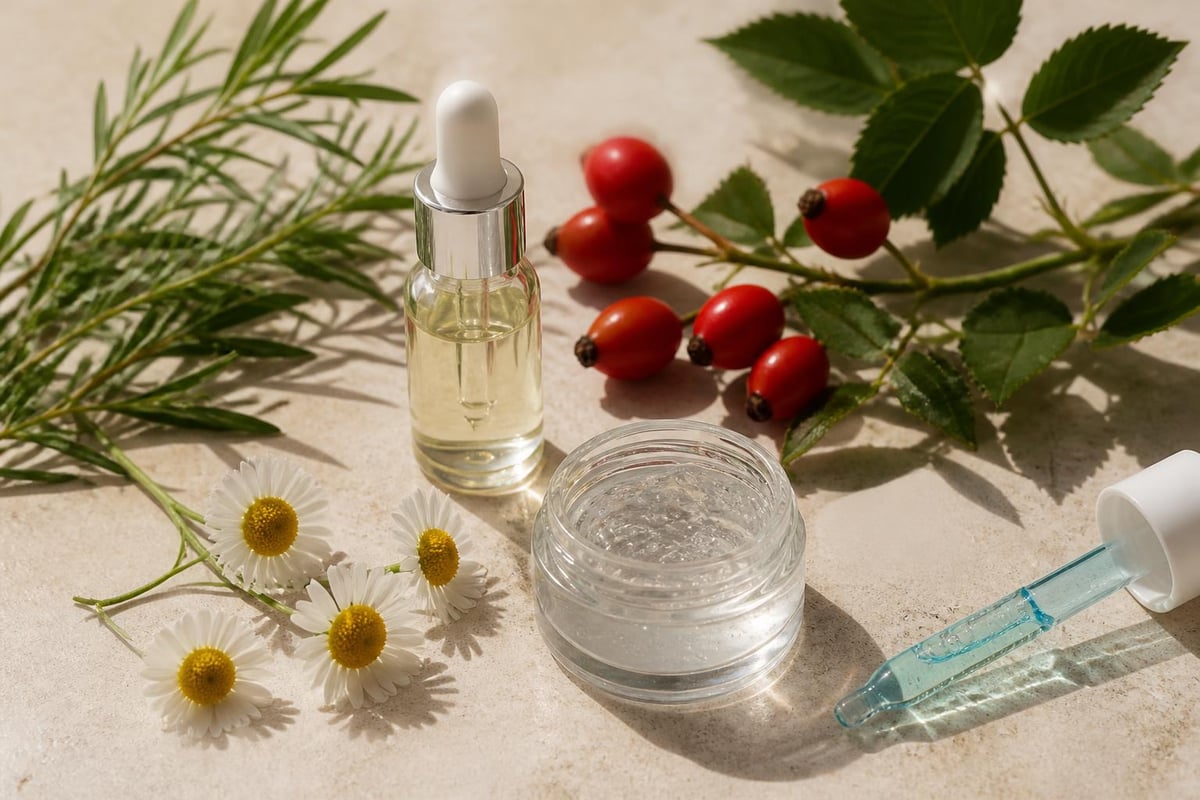
One advantage of natural, cruelty-free products is their typically gentler nature. Without harsh synthetic preservatives, artificial fragrances, or aggressive surfactants, they're less likely to trigger reactions.
However, natural doesn't automatically mean hypoallergenic. Essential oils and certain botanical extracts can still cause sensitivity. Patch testing remains important, especially when trying new products.
Building Your Cruelty-Free Routine
Transitioning to entirely cruelty-free skincare doesn't need to happen overnight. A gradual approach allows your skin to adjust whilst you discover what works best.
Starting Points for Beginners
Begin with the essentials: cleanser, moisturiser, and sun protection. Once you've found reliable staples in these categories, expand to toners, serums, and treatments.
Recommended transition steps:
- Research brands thoroughly using certification databases
- Start with one product category at a time
- Give new products 4-6 weeks to show results
- Keep a skincare diary to track changes and reactions
- Join online communities for recommendations and support
Where to Shop
Specialist retailers focusing on natural and ethical beauty often provide the best selection of cruelty-free products. Many high-street shops now feature dedicated ethical beauty sections too.
Online shopping offers convenience and often better selection, allowing you to access best-selling options from specialist brands that might not have physical retail presence.
Understanding Price Points
The best cruelty free skin products span all price ranges, from budget-friendly to luxury. Higher prices don't always indicate better quality, nor do lower prices necessarily mean inferior products.
Value Versus Cost
When evaluating price, consider:
- Ingredient quality and sourcing - Organic, wildcrafted, and sustainably sourced ingredients cost more
- Concentration levels - Higher active ingredient percentages justify premium pricing
- Packaging - Sustainable, recyclable packaging adds to production costs
- Brand ethics - Fair trade practices and living wages impact pricing
- Product longevity - A little of a concentrated serum goes further than a large bottle of diluted product
Many excellent affordable options deliver outstanding results without breaking the bank. The key is understanding what you're paying for and whether it aligns with your values and skincare needs.
Technology Meets Ethics
Innovative approaches are transforming cruelty-free skincare development. AI-assisted recommendation systems now help consumers find products perfectly suited to their unique skin needs, whilst ensuring formulations remain ethical and effective.
Inclusive Skincare Development
Ensuring products work across diverse skin tones and types requires thoughtful development. Research on AI performance across skin tones highlights the importance of inclusive testing and formulation, something particularly relevant in cruelty-free product development.
Sustainable Innovation
The best cruelty free skin products in 2026 combine ethical sourcing with cutting-edge formulation technology. Fermentation processes create powerful active ingredients. Upcycling transforms food industry by-products into effective skincare components. Waterless formulations reduce environmental impact whilst delivering concentrated benefits.
Maintaining Results Long-Term
Consistency matters more than any single miracle product. The best cruelty free skin products deliver their full benefits when used regularly as part of a complete routine.
Seasonal Adjustments
Your skin's needs change with the seasons. Winter might require richer moisturisers and more intensive overnight treatments. Summer calls for lighter textures and enhanced antioxidant protection.
Seasonal switching guide:
| Season | Focus Areas | Product Adjustments |
|---|---|---|
| Spring | Renewal, brightening | Lighter moisturisers, vitamin C serums |
| Summer | Protection, oil control | Gel-based products, antioxidants |
| Autumn | Repair, hydration | Introduce richer creams gradually |
| Winter | Barrier support, nourishment | Heavy moisturisers, facial oils |
Listening to Your Skin
Your skin communicates its needs through texture, tone, and how it feels. Tightness suggests dehydration. Excess oil might indicate barrier damage rather than naturally oily skin. Sensitivity could mean product overload.
For those exploring their options, vegan moisturisers offer excellent starting points that suit most skin types whilst maintaining complete ethical credentials.
Making the Complete Switch
Committing fully to cruelty-free skincare extends beyond facial products. Body care, cleansers, and treatments all deserve the same ethical consideration.
Beyond Face Care
The best cruelty free skin products include body lotions, hand creams, and specialty treatments. Your entire skincare regime can align with your values without compromise.
Body products often use similar ingredients to facial skincare but in different concentrations and textures. Rich body butters might contain higher percentages of nourishing oils, whilst body washes incorporate more cleansing agents than facial cleansers.
Gift Sets and Discovery
For those new to cruelty-free skincare, sample sets offer an excellent way to trial products before committing to full sizes. They also make thoughtful gifts for friends interested in ethical beauty.
Curated collections allow you to experience how products work together as a complete routine, often at better value than purchasing individually.
Finding the best cruelty free skin products means discovering formulations that respect both your skin and your values. The intersection of natural ingredients, ethical practices, and proven effectiveness creates skincare that truly nourishes inside and out. White Rabbit Skin Care offers a carefully curated range of vegan, cruelty-free products crafted with natural ingredients and tailored to every skin type, making it simple to build an ethical routine that delivers beautiful results. Explore their collection today and discover skincare that's as kind to animals as it is effective for your skin.