

Best Cruelty Free Beauty Products for Conscious Consumers
Finding the best cruelty free beauty products has become increasingly important to conscious consumers who want their skincare routines to reflect their values. In 2026, the beauty industry continues to evolve, with more brands than ever committing to ethical practices and transparent testing policies. Whether you're new to cruelty-free shopping or looking to refine your routine, understanding what makes a product truly ethical can transform how you approach your daily skincare regimen. The good news is that choosing compassionate beauty no longer means compromising on quality, effectiveness, or luxury.
Understanding Cruelty-Free Certification Standards
The term "cruelty-free" can sometimes feel confusing, especially with different certification bodies and varying standards across regions. To help you navigate this landscape, it's essential to understand what proper certification actually means.
What Makes a Product Genuinely Cruelty-Free
Certified cruelty-free products meet specific criteria that go beyond simple marketing claims. The Leaping Bunny certification programme sets the gold standard, requiring companies to verify that neither they nor their suppliers conduct animal testing at any stage of product development.
When you're searching for the best cruelty free beauty products, look for these key indicators:
- Third-party certification logos from recognised organizations
- Complete supply chain transparency ensuring no animal testing by suppliers
- Fixed cut-off dates confirming when the company stopped all animal testing
- Ongoing monitoring to maintain certification standards
The European Commission's ban on animal testing for cosmetics has been in place since 2013, making it illegal to sell cosmetics tested on animals within the EU. This regulatory framework provides excellent protection for UK consumers.

Distinguishing Between Cruelty-Free and Vegan
Many people assume these terms are interchangeable, but they represent different commitments. Cruelty-free means no animal testing occurred, whilst vegan means the product contains no animal-derived ingredients like beeswax, lanolin, or carmine.
| Certification | What It Means | What to Look For |
|---|---|---|
| Cruelty-Free | No animal testing on finished products or ingredients | Leaping Bunny, PETA certification |
| Vegan | No animal-derived ingredients | Vegan Society trademark, ingredient lists |
| Both | No testing AND no animal ingredients | Both certifications present |
For those seeking vegan skincare products, it's worth checking that your chosen brand meets both standards. This dual commitment ensures complete ethical alignment with compassionate values.
Top Categories of Cruelty-Free Beauty Products
Building a complete beauty routine with ethical products is entirely achievable in 2026. Let's explore the essential categories where you'll find outstanding cruelty-free options.
Cleansers and Makeup Removers
Gentle yet effective cleansing forms the foundation of any skincare routine. The best cruelty free beauty products in this category remove impurities without stripping your skin's natural moisture barrier.
Look for these standout formulations:
- Oil-based cleansing balms that melt away makeup and SPF
- Micellar waters for quick, gentle cleansing
- Cream cleansers perfect for dry or sensitive skin types
- Gel cleansers that refresh combination and oily skin
Many brands now offer sensitive face products that combine cruelty-free credentials with hypoallergenic formulations. These gentle options prove that ethical beauty can suit even the most reactive skin types.
Moisturisers and Serums
Hydration and treatment products represent where you'll truly see the quality of cruelty-free formulations shine. Modern alternatives to animal testing include advanced laboratory methods that accurately predict skin compatibility.
The latest peer-reviewed research on non-animal testing methods demonstrates that New Approach Methodologies (NAMs) often provide more accurate safety data than traditional animal tests. This scientific progress means cruelty-free products are backed by cutting-edge safety verification.
For daily hydration, consider:
- Lightweight day creams with SPF protection
- Rich night creams supporting skin repair during sleep
- Targeted serums addressing specific concerns like fine lines or hyperpigmentation
- Eye creams formulated for the delicate orbital area
Specialty Treatments and Masks
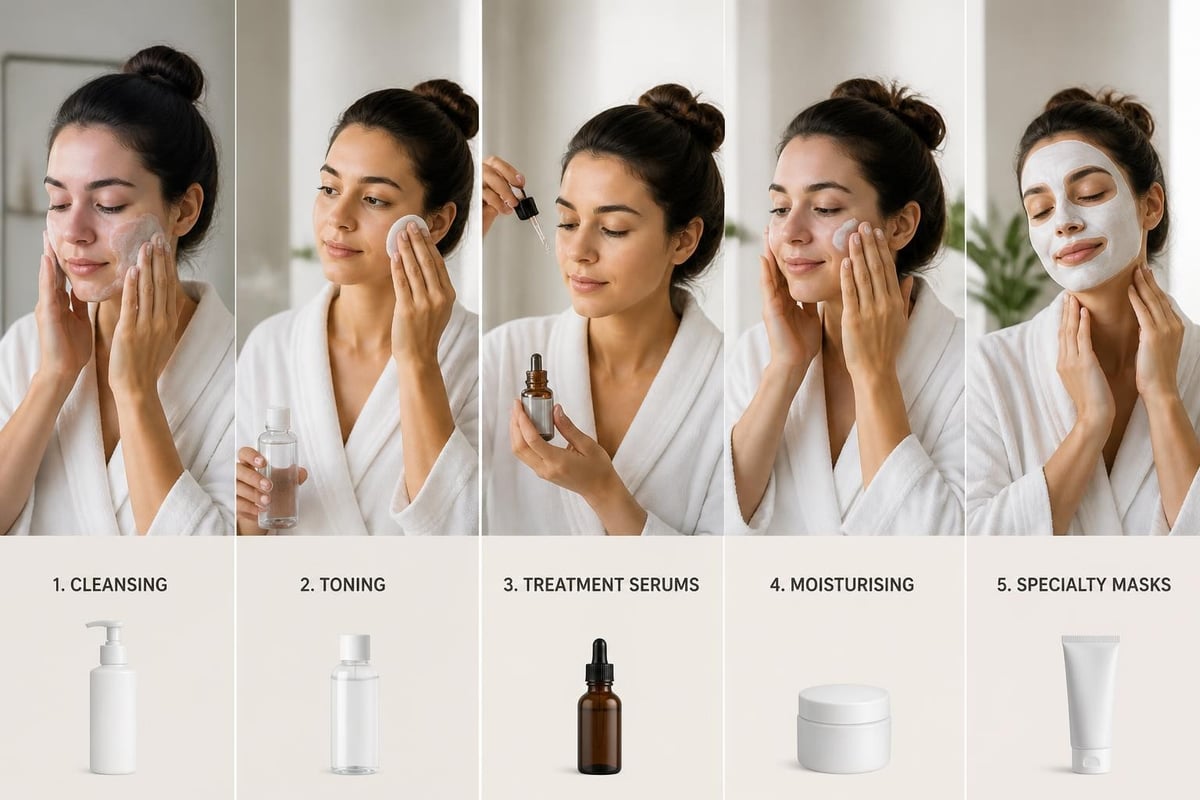
Weekly treatments boost your routine's effectiveness whilst maintaining your ethical standards. Face masks, exfoliants, and targeted treatments now come in abundantly cruelty-free options.
| Product Type | Key Benefits | Best For |
|---|---|---|
| Clay Masks | Deep cleansing, oil control | Oily, combination skin |
| Sheet Masks | Intensive hydration | All skin types |
| Chemical Exfoliants | Gentle cell turnover | Mature, dull skin |
| Nourishing Oils | Deep moisture, barrier repair | Dry, dehydrated skin |
Shopping Strategies for Cruelty-Free Beauty
Finding the best cruelty free beauty products requires knowing where to look and how to verify claims. These practical strategies will streamline your ethical shopping journey.
Verifying Brand Claims
Not every company making cruelty-free claims has earned proper certification. Independent verification protects consumers from misleading marketing.
PETA's Beauty Without Bunnies database provides a searchable directory of certified companies, making it simple to confirm a brand's status before purchasing. This resource proves invaluable when discovering new brands or checking products whilst shopping.
Before adding products to your basket:
- Check for certification logos on packaging
- Search the brand on official certification databases
- Read the company's animal testing policy on their website
- Verify their parent company's policies if applicable
- Look for transparent communication about supply chains
Supporting Truly Ethical Brands
Genuine commitment to cruelty-free practices extends beyond certification. The best brands demonstrate ethical values throughout their entire business model.
Consider these factors when choosing which companies to support:
- Ingredient sourcing practices that prioritise sustainability
- Packaging choices minimising environmental impact
- Fair labour practices throughout the supply chain
- Charitable contributions to animal welfare organisations
- Transparency in all business communications
The best UK skincare brands often lead the way in combining cruelty-free certification with broader sustainability commitments, creating products that benefit both your skin and the planet.
Budget-Friendly Cruelty-Free Options
Ethical beauty doesn't require unlimited funds. Brilliant cruelty-free products exist at every price point, making compassionate choices accessible to all budgets.
For those seeking inexpensive skincare, remember that cruelty-free certification doesn't automatically mean premium pricing. Many affordable brands have embraced ethical practices whilst maintaining accessible price points.
Building Your Cruelty-Free Routine by Skin Type
The best cruelty free beauty products work when properly matched to your individual skin needs. Let's explore how to customise your ethical routine.
Sensitive Skin Solutions
Reactive skin types benefit enormously from the natural, gentle formulations common in cruelty-free beauty. Many non-toxic skincare brands specialise in minimal ingredient lists that reduce irritation risk.
Essential products for sensitive skin include:
- Fragrance-free cleansing balms
- Soothing toners with chamomile or calendula
- Barrier-supporting moisturisers with ceramides
- Mineral-based sun protection
The best sensitive skincare combines cruelty-free ethics with hypoallergenic formulations, proving that gentle products deliver impressive results without compromising your values.
Dry and Dehydrated Skin
Moisture-starved skin responds beautifully to rich, nourishing cruelty-free formulations packed with plant-based oils and humectants.
Your daily routine might include:
- Oil-based cleansers that don't strip natural oils
- Hydrating toners with hyaluronic acid
- Nourishing facial oils like rosehip or argan
- Rich moisturisers with shea butter or plant ceramides
For targeted treatment, consider the dry skin bundle approach, which combines complementary products addressing multiple aspects of hydration.
Oily and Combination Skin
Balancing oil production without harsh ingredients represents a key strength of modern cruelty-free formulations. Plant-based ingredients like witch hazel, tea tree, and niacinamide effectively regulate sebum whilst maintaining skin health.
Look for these texture preferences:
- Lightweight gel cleansers
- Alcohol-free toning mists
- Oil-free or gel-based moisturisers
- Clay-based weekly treatments
| Morning Routine | Evening Routine | Weekly Treatments |
|---|---|---|
| Gel cleanser | Double cleanse (oil + gel) | Clay mask |
| Balancing toner | Hydrating toner | Gentle exfoliant |
| Lightweight serum | Treatment serum | Sheet mask |
| Gel moisturiser + SPF | Night cream | - |
The Future of Cruelty-Free Beauty
Innovation continues accelerating in ethical beauty, with 2026 bringing exciting developments in testing alternatives and formulation technology.
Global Regulatory Progress
Countries worldwide are recognising that animal testing for cosmetics is both unnecessary and outdated. Health Canada's guidance on cosmetic testing bans demonstrates how regulatory frameworks continue evolving to protect animals.
Recent legislative advances include:
- Expanded bans in multiple countries across Asia and South America
- Stricter enforcement of existing regulations
- Greater transparency requirements for testing claims
- International harmonisation of cruelty-free standards
The Humane Society's advocacy work continues pushing for comprehensive global bans, creating momentum that benefits both animals and consumers seeking the best cruelty free beauty products.
Advanced Testing Alternatives
Scientific innovation has produced sophisticated alternatives to animal testing that provide superior safety data. These modern methods include:
- In vitro testing using human cell cultures
- Artificial skin models that accurately predict reactions
- Computer modelling based on extensive databases
- Organ-on-a-chip technology simulating human biological systems
These alternatives not only eliminate animal suffering but often provide more relevant data for human safety, as they're based on human rather than animal biology.
Consumer Demand Driving Change
Your purchasing decisions genuinely influence industry practices. As more consumers prioritise cruelty-free options, even traditionally resistant companies are reformulating and seeking certification.
This shift manifests through:
- Major retailers expanding cruelty-free product ranges
- Increased investment in alternative testing methods
- Greater transparency in ingredient sourcing
- Rising market share for certified cruelty-free brands
Practical Tips for Transitioning to Cruelty-Free
Making the switch to entirely cruelty-free beauty feels manageable when approached systematically. You needn't replace everything overnight.
Start With Replacements
Replace products as they run out rather than discarding usable items. This approach reduces waste whilst gradually building your cruelty-free collection.
Prioritise replacing these items first:
- Products you use daily (cleanser, moisturiser)
- Items you're nearly finished with
- Products that aren't working well anyway
- Staples that are easy to find cruelty-free alternatives for
Research Before Purchasing
Knowledge empowers better choices. Spend time researching brands before committing to new products.
Useful research steps include:
- Reading ingredient lists carefully
- Checking multiple certification databases
- Reading reviews from users with similar skin types
- Investigating the brand's overall ethical stance
- Comparing options across different price points
For comprehensive guidance on ethical skincare, exploring resources about skincare brands for sensitive skin can provide valuable insights into ingredient quality and brand transparency.
Try Before Committing
Sample sizes and discovery sets let you test products without significant financial commitment. Many brands offer travel sizes or sample programmes specifically for this purpose.
The travel kit option approach allows you to experience multiple products from a brand before investing in full sizes, ensuring compatibility with your skin before making larger purchases.
Maintaining Your Cruelty-Free Commitment
Long-term success with cruelty-free beauty requires ongoing awareness and occasional adjustments. Here's how to stay committed to your ethical choices.
Stay Informed About Changes
Company policies evolve, sometimes positively and occasionally in disappointing directions. Parent companies may change, certifications might lapse, or brands may alter their testing policies.
Maintain your awareness by:
- Following cruelty-free advocacy organisations on social media
- Subscribing to updates from certification bodies
- Joining online communities focused on ethical beauty
- Regularly checking certification databases
- Supporting brands with long-standing commitments
Educate Others Gently
Sharing knowledge helps expand the cruelty-free movement whilst respecting others' journeys. Not everyone will immediately embrace these choices, and that's perfectly acceptable.
Effective advocacy includes:
- Answering questions when asked rather than preaching unsolicited
- Sharing your positive experiences with specific products
- Offering practical recommendations when friends seek advice
- Acknowledging that transition takes time
- Celebrating small steps rather than demanding perfection
Expand Beyond Skincare
Once established in cruelty-free skincare, consider extending your ethics to makeup, haircare, and body products. The same certification bodies cover these categories, making research straightforward.
Additional categories to explore:
- Colour cosmetics (foundation, eyeshadow, lipstick)
- Haircare products (shampoo, conditioner, styling products)
- Body care items (shower gel, body lotion, deodorant)
- Oral care products (toothpaste, mouthwash)
- Fragrance options
Finding the best cruelty free beauty products combines ethical values with practical skincare needs, creating routines that feel good both physically and morally. By understanding certifications, researching brands thoroughly, and building your collection thoughtfully, you can create an effective skincare regime that reflects your commitment to compassion. White Rabbit Skin Care offers an extensive range of natural, vegan, and cruelty-free skincare products perfect for building your ethical beauty routine, with options carefully formulated for every skin type and concern. Explore their thoughtfully created cleansers, toners, and moisturisers to discover how premium ethical skincare can transform your daily ritual whilst supporting your values.