

Beauty Skincare: Your Complete Guide to Natural Radiance
The world of beauty skincare has evolved tremendously over the past few years, with an increasing focus on natural ingredients, sustainable practices, and personalised routines that truly work for individual skin types. Whether you're just starting your skincare journey or looking to refine your existing routine, understanding the fundamentals of beauty skincare can transform not only your complexion but also your confidence. In 2026, consumers are more informed than ever, seeking products that deliver real results whilst aligning with their values around animal welfare and environmental responsibility. This comprehensive guide will walk you through everything you need to know about creating an effective beauty skincare routine that nourishes, protects, and enhances your natural radiance.
Understanding Your Skin Type and Needs
Before diving into products and routines, identifying your skin type is absolutely essential for effective beauty skincare. Your skin's unique characteristics determine which ingredients will work best and which formulations might cause irritation or imbalance.
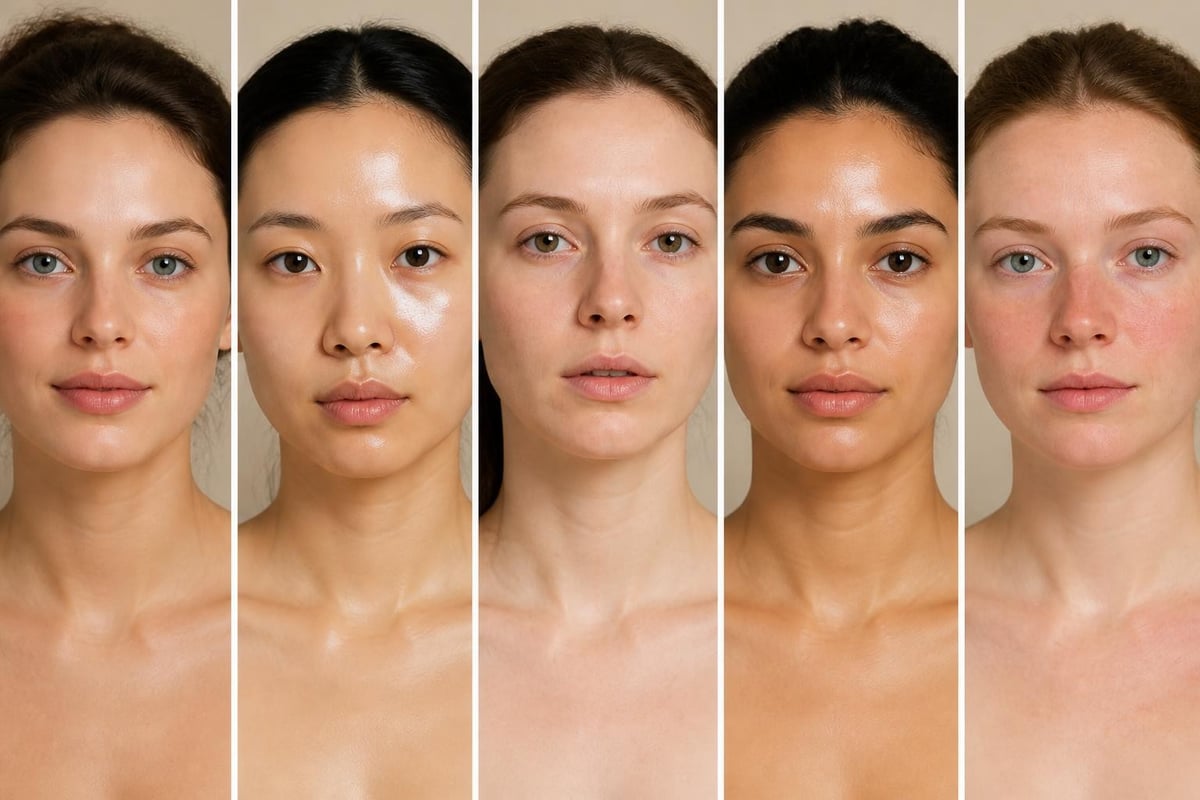
The Five Primary Skin Types
Normal skin strikes a beautiful balance between oil production and moisture retention, with minimal sensitivity and small, barely visible pores. Those blessed with this skin type still benefit from protective beauty skincare to maintain their natural equilibrium.
Oily skin produces excess sebum, particularly in the T-zone (forehead, nose, and chin). This often results in enlarged pores and a shiny appearance throughout the day. Contrary to popular belief, oily skin still requires proper hydration through lightweight moisturisers.
Dry skin feels tight, flaky, and sometimes uncomfortable, especially after cleansing. This skin type needs rich, nourishing formulations that lock in moisture and strengthen the skin barrier.
Combination skin presents the challenge of managing both oily and dry areas simultaneously. Typically, the T-zone is oilier whilst the cheeks remain dry or normal.
Sensitive skin reacts easily to products, environmental factors, or stress, showing redness, itching, or irritation. Those with sensitive skin require gentle formulations that minimise potential triggers whilst still delivering beneficial ingredients.
Building Your Essential Beauty Skincare Routine
A well-structured routine forms the foundation of healthy skin. Whilst the beauty industry often promotes complex, multi-step regimens, an effective beauty skincare routine can be quite straightforward when you focus on the essentials.
Morning Routine Fundamentals
Your morning routine prepares your skin to face the day ahead, protecting it from environmental stressors and creating a smooth canvas.
- Cleansing: Start with a gentle cleanser to remove any overnight oil production and prepare skin for subsequent products
- Toning: Apply a balancing toner to restore pH levels and enhance absorption of following treatments
- Treating: Use targeted serums addressing specific concerns like hyperpigmentation or fine lines
- Moisturising: Lock in hydration with an appropriate moisturiser for your skin type
- Protecting: Finish with broad-spectrum SPF to shield against UV damage
Evening Routine Essentials
Night-time beauty skincare focuses on repair and renewal whilst you sleep. Your skin's natural regeneration processes peak during rest, making this the ideal time for active treatments.
- Begin with thorough cleansing to remove makeup, sunscreen, and daily grime
- Apply treatment products with active ingredients like retinol or acids
- Use a richer night cream or facial oil to support overnight repair
- Don't forget the delicate eye area with a dedicated eye cream
The consistency of your routine matters far more than the number of products you use. According to dermatology experts, establishing a regular routine and giving products time to work (typically 6-8 weeks) yields better results than constantly switching formulations.
Key Ingredients in Effective Beauty Skincare
Understanding ingredients empowers you to make informed choices about the products you apply to your skin. The beauty skincare industry has seen remarkable advances in both natural and scientifically-developed ingredients that deliver visible results.
Powerhouse Natural Ingredients
| Ingredient | Primary Benefits | Best For |
|---|---|---|
| Hyaluronic Acid | Intense hydration, plumping | All skin types |
| Rosehip Oil | Brightening, anti-ageing | Dry, mature skin |
| Niacinamide | Pore refining, oil control | Oily, combination skin |
| Glycolic Acid | Exfoliation, texture improvement | Dull, uneven skin |
| Vitamin C | Brightening, antioxidant protection | Hyperpigmentation |
| Ceramides | Barrier repair, moisture retention | Dry, sensitive skin |
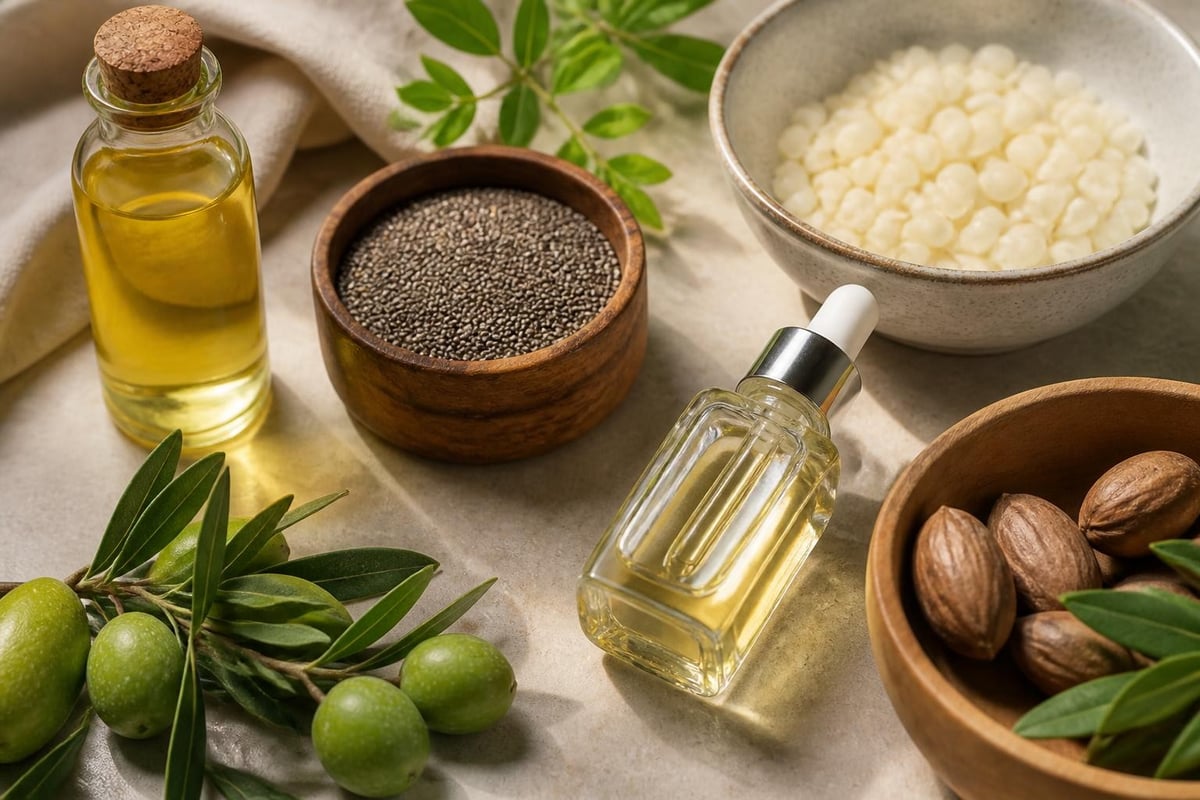
Plant-based oils have become increasingly popular in beauty skincare, offering deep nourishment without synthetic additives. Natural oils for the face provide essential fatty acids that support skin barrier function and deliver vitamins directly to skin cells.
Ingredients to Approach Mindfully
Whilst many ingredients are safe and effective, some require careful consideration, particularly for sensitive skin types. Synthetic fragrances, harsh sulfates, and certain alcohols can strip natural oils and trigger irritation. The growing movement towards non-toxic skincare brands reflects consumer awareness about potentially problematic ingredients.
Evidence-based skincare research continues to validate both traditional botanical ingredients and innovative formulations, helping consumers distinguish between marketing hype and genuine efficacy.
The Rise of Vegan and Natural Beauty Skincare
The beauty skincare landscape has shifted dramatically towards ethical and sustainable practices. In 2026, vegan formulations are no longer niche; they represent a mainstream choice for conscious consumers who refuse to compromise between effectiveness and values.
Why Choose Vegan Beauty Skincare?
Ethical considerations top the list for many consumers. Vegan products contain no animal-derived ingredients and typically aren't tested on animals, aligning with cruelty-free principles. This ethical stance extends beyond ingredients to encompass entire production processes and supply chains.
Skin compatibility often improves with plant-based formulations. Many people find that natural ingredients cause fewer reactions than synthetic alternatives, particularly beneficial for those with sensitive or reactive skin.
Environmental impact matters increasingly to beauty consumers. Plant-based ingredients generally require fewer resources to produce and create less environmental harm than animal-derived components or petroleum-based synthetics.
Vegan Alternatives to Common Ingredients
The innovation in vegan beauty skincare has produced remarkable alternatives to traditionally animal-derived ingredients:
- Squalane from olives replaces shark-derived squalene
- Plant collagen from wheat and soy offers similar benefits to animal collagen
- Candelilla wax serves as an excellent beeswax substitute
- Chia seed oil provides omega fatty acids without fish-derived ingredients
Exploring vegan face lotions and moisturisers reveals a wealth of options that perform beautifully whilst staying true to ethical principles.
Addressing Common Skin Concerns Through Beauty Skincare
Targeted treatments address specific concerns that general maintenance routines might not fully resolve. Understanding how to tackle common issues helps you refine your beauty skincare approach for optimal results.
Dealing with Acne and Breakouts
Acne affects people of all ages, not just teenagers. Adult acne often requires a gentler approach than adolescent breakouts. Look for products containing:
- Salicylic acid for pore-clearing exfoliation
- Tea tree oil for natural antibacterial action
- Niacinamide to reduce inflammation and regulate oil
- Clay masks for deep cleansing without over-drying
Resist the temptation to over-cleanse or use harsh products, which can strip your skin and trigger increased oil production. When managing the best face care products for acne-prone skin, balance is key.
Managing Dry and Dehydrated Skin
Dryness and dehydration aren't identical, though they often coexist. Dry skin lacks oil, whilst dehydrated skin lacks water. Your beauty skincare routine should address both concerns through layering:
- Apply hydrating serums with hyaluronic acid on damp skin
- Follow with an emollient moisturiser to seal in moisture
- Consider adding facial oils for extra nourishment
- Use a humidifier to combat environmental dryness
Specialised products for dry skin often feature richer textures and occlusives that prevent moisture loss throughout the day.
Combating Signs of Ageing
Anti-ageing beauty skincare focuses on prevention as much as correction. Sun protection remains the single most effective anti-ageing measure you can take, preventing 80% of visible facial ageing.
Beyond SPF, incorporate these proven anti-ageing ingredients:
- Retinoids stimulate cell turnover and collagen production
- Peptides signal skin to produce more structural proteins
- Antioxidants neutralise free radical damage from pollution and UV exposure
- Alpha hydroxy acids gently exfoliate and improve texture
Starting anti-ageing treatments in your mid-20s to early 30s offers the best preventive benefits, though it's never too late to begin caring for ageing skin.
Smart Beauty Skincare Shopping and Investment
Navigating the overwhelming array of beauty skincare products requires strategy. Not every product needs to be expensive, but knowing where to invest your budget makes a significant difference.
When to Splurge and When to Save
According to financial experts analysing beauty spending, certain product categories warrant higher investment whilst others perform well at lower price points.
Worth the investment:
- Serums with active ingredients (concentrated formulations justify higher costs)
- Sunscreen (effective broad-spectrum protection is non-negotiable)
- Eye creams with specific active ingredients
- Treatment products for specific concerns
Where you can save:
- Basic cleansers (gentleness matters more than price)
- Simple moisturisers without active ingredients
- Toners (many affordable options work beautifully)
- Makeup removers and first-cleanse oils
Reading Labels and Understanding Claims
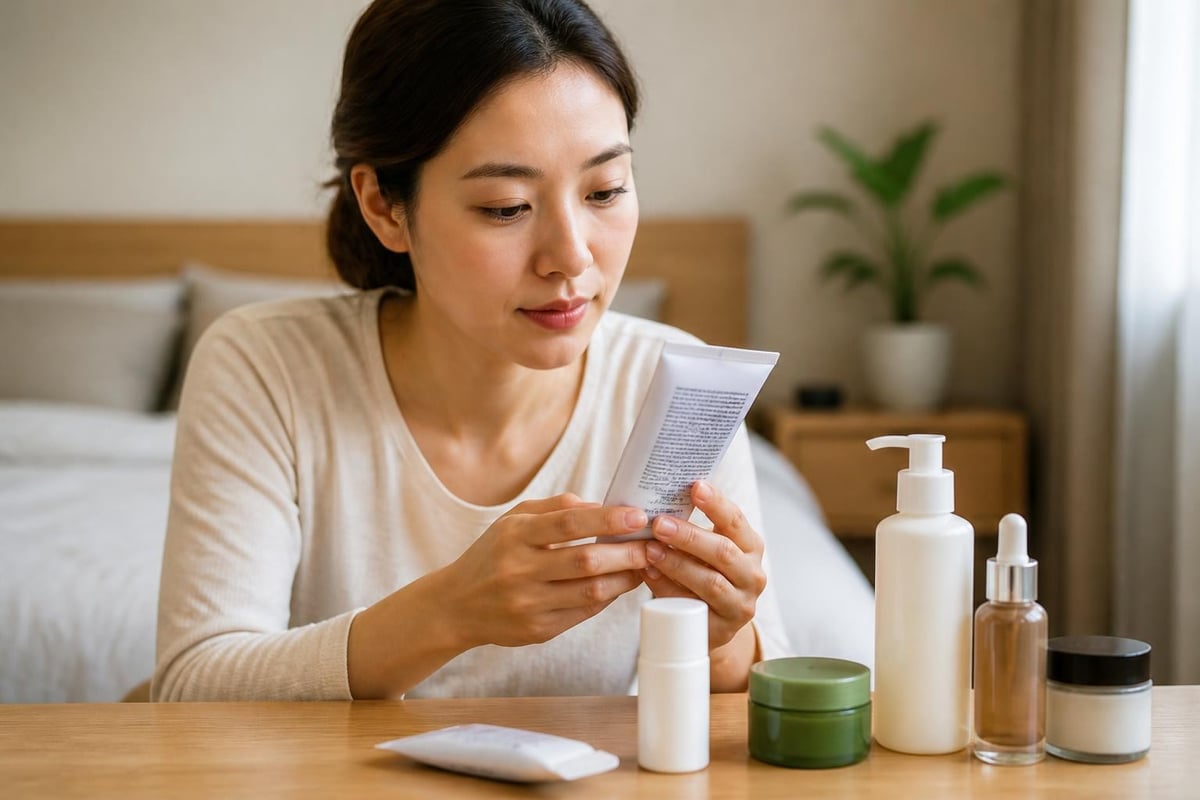
Beauty skincare marketing can be misleading. Terms like "dermatologist-tested" or "clinically proven" sound impressive but may lack rigorous backing. Look for specific claims supported by independent research rather than brand-funded studies.
Expert directories for clinical skincare help consumers identify genuinely effective products vetted by qualified professionals, cutting through marketing noise to find formulations that deliver results.
Checking evidence-based skincare publications provides valuable insights into ingredient efficacy and product performance beyond promotional materials.
Seasonal Adjustments to Your Beauty Skincare Routine
Your skin's needs fluctuate with changing weather conditions, requiring routine adjustments throughout the year. What works beautifully in summer might leave your skin parched during winter months.
Winter Beauty Skincare Strategies
Cold weather and indoor heating create a perfect storm for skin dehydration. Winter routines should emphasise:
- Switching to cream-based cleansers instead of foaming formulas
- Layering hydrating essences under moisturiser
- Adding facial oils to boost barrier protection
- Using overnight masks for intensive treatment
- Increasing the frequency of exfoliation to combat flakiness
Don't abandon SPF in winter. UV rays penetrate clouds and reflect off snow, potentially causing more damage than summer sun exposure.
Summer Routine Modifications
Warmer weather often increases oil production and sweat, requiring lighter formulations:
- Opt for gel-based or water-cream moisturisers
- Use mattifying products to control excess shine
- Increase SPF reapplication throughout the day
- Incorporate antioxidant serums for added UV protection
- Keep products refrigerated for cooling, soothing application
Professional Guidance and DIY Beauty Skincare
Whilst establishing a home beauty skincare routine forms your foundation, professional guidance can accelerate results and prevent costly mistakes. Renowned aestheticians emphasise that customised treatments balanced with home care produce the most dramatic improvements.
When to Consult a Dermatologist
Schedule a professional consultation if you experience:
- Persistent acne that doesn't respond to over-the-counter treatments
- Sudden changes in skin texture, colour, or sensitivity
- Suspicious moles or skin growths
- Severe dryness, flaking, or eczema
- Desire for prescription treatments like retinoids
Professional treatments complement your daily routine, offering deeper exfoliation, targeted therapies, and expert assessment of your skin's changing needs.
Safe DIY Beauty Skincare Practices
Home treatments can enhance professional care, but safety remains paramount. When creating DIY masks or treatments:
- Patch test all ingredients before full-face application
- Avoid harsh acids or undiluted essential oils
- Research proper dilution ratios for active ingredients
- Store homemade products properly and use within recommended timeframes
- Recognise when professional intervention is necessary
Building a Sustainable Beauty Skincare Collection
Sustainability in beauty skincare extends beyond vegan ingredients to encompass packaging, sourcing, and consumption patterns. The most sustainable routine minimises waste whilst maximising results.
Practical Sustainability Tips
Choose multi-purpose products that serve several functions, reducing the total number of items in your routine. A quality facial oil might replace separate serum, moisturiser, and makeup remover.
Invest in refillable packaging when available. Several UK skincare brands now offer refill programmes that significantly reduce packaging waste.
Buy appropriate sizes for your usage patterns. Large containers seem economical but create waste if products expire before you finish them.
Research brand commitments to sustainability beyond surface-level marketing. Genuine commitment shows in supply chain transparency, ingredient sourcing, and community impact.
Supporting Ethical Beauty Skincare Brands
Choosing where to spend your beauty pounds makes a statement about your values. Supporting companies committed to ethical practices, fair labour, and environmental stewardship encourages industry-wide positive change.
Look for brands that demonstrate:
- Transparent ingredient sourcing and supplier relationships
- Meaningful charitable contributions or community programmes
- Carbon-neutral or negative operational practices
- Investment in sustainable packaging innovation
- Fair wages and working conditions throughout the supply chain
The Psychology of Beauty Skincare Routines
Beyond physical benefits, beauty skincare routines offer psychological rewards that contribute to overall wellbeing. The ritual of caring for yourself creates a mindful pause in busy days, reducing stress and fostering self-appreciation.
Creating Meaningful Rituals
Transform your beauty skincare routine from a chore into a cherished ritual by:
- Designating a calm, clutter-free space for your routine
- Engaging your senses with textures, scents, and temperatures
- Practising mindful application, noticing how products feel
- Setting aside technology during your skincare time
- Expressing gratitude for your body and its functions
Research consistently shows that self-care practices, including beauty skincare routines, significantly impact mental health and stress management. The act of nurturing yourself reinforces self-worth and creates valuable moments of presence.
Managing Expectations and Celebrating Progress
Social media often presents unrealistic beauty standards that can undermine confidence. Remember that effective beauty skincare is about supporting your skin's health, not achieving impossible perfection.
Progress photographs help you notice gradual improvements that daily mirror checks might miss. Take consistent photos in the same lighting and conditions to track your journey objectively.
Celebrate small victories: reduced inflammation, improved texture, fewer breakouts, or simply the pleasure of how your skin feels after your routine. These moments of appreciation reinforce positive habits and keep you motivated.
Creating an effective beauty skincare routine combines understanding your unique skin needs with choosing products that align with your values and deliver genuine results. By focusing on quality ingredients, consistent application, and sustainable choices, you can achieve healthy, radiant skin that reflects your commitment to both personal care and ethical consumption. If you're ready to embrace natural, vegan beauty skincare that honours your skin and your principles, explore the carefully formulated range at White Rabbit Skin Care, where sustainable luxury meets proven effectiveness in every thoughtfully crafted product.