

Beauty and Skin Care Products: Your Complete Guide
The world of beauty and skin care products has transformed dramatically over recent years, with consumers becoming increasingly conscious about what they apply to their skin. In 2026, the emphasis has shifted from quick fixes to sustainable, ethical choices that nourish our skin whilst respecting our values. Whether you're building your first skincare routine or refining an established one, understanding the landscape of beauty and skin care products helps you make informed decisions that benefit both your complexion and the planet.
Understanding Modern Beauty and Skin Care Products
The beauty industry has experienced a remarkable evolution, with natural and vegan formulations taking centre stage. Today's consumers seek transparency, wanting to know exactly what goes into their products and how these ingredients benefit their skin.
Key considerations when selecting beauty and skin care products include:
- Ingredient transparency and sourcing
- Cruelty-free and vegan certifications
- Suitability for your specific skin type
- Environmental impact and packaging sustainability
- Price versus quality balance
Research shows that making informed decisions about when to invest in beauty and skincare doesn't always mean choosing the most expensive option. Sometimes, the best beauty and skin care products come from brands that prioritise quality ingredients over marketing hype.
The Rise of Vegan and Natural Formulations
The demand for plant-based beauty and skin care products has surged, driven by consumers who recognise that effective skincare doesn't require animal-derived ingredients. Vegan face lotions and moisturisers now rival traditional formulations in both efficacy and luxury.
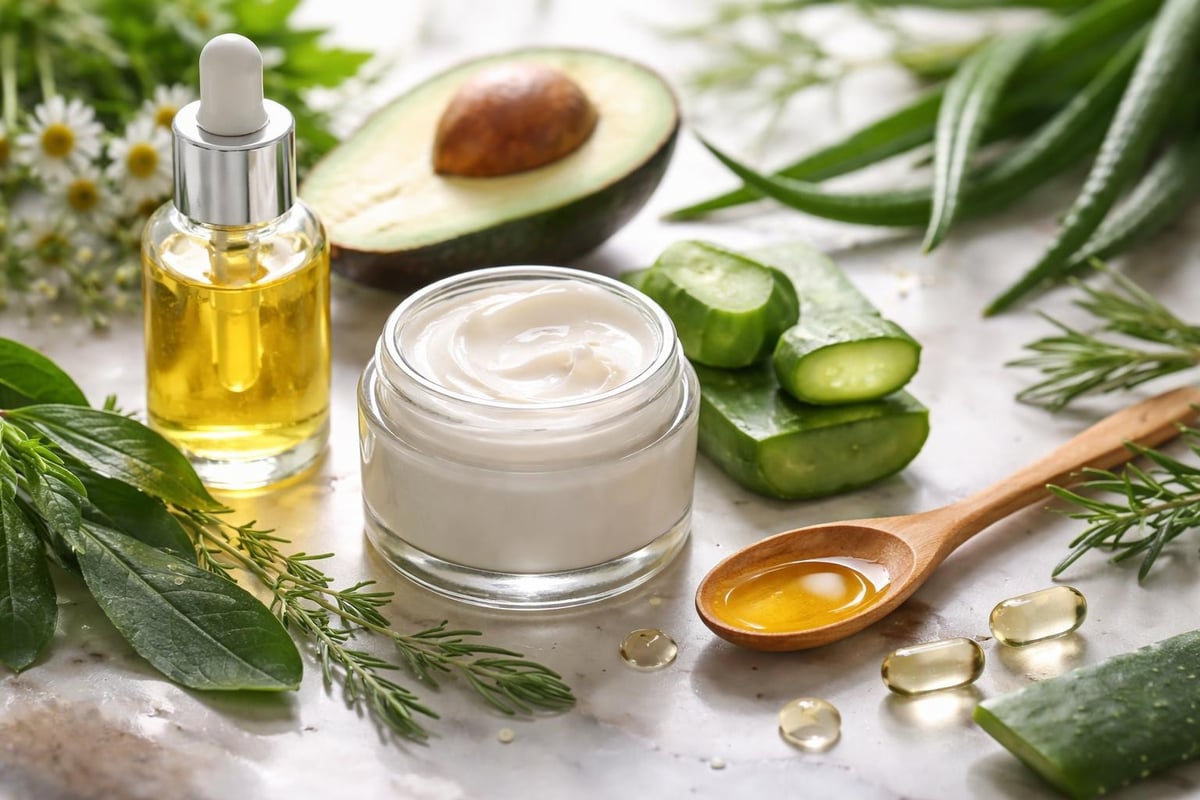
Natural ingredients like hyaluronic acid, vitamin C, and botanical extracts deliver impressive results without compromising on ethics. These components work harmoniously with your skin's natural processes, supporting rather than disrupting the delicate balance of your complexion.
Building Your Skincare Routine
Creating an effective routine with beauty and skin care products requires understanding the fundamental steps and how they work together. A well-structured approach ensures each product can perform its intended function without interference.
The Essential Steps
- Cleansing: Remove impurities, makeup, and environmental pollutants
- Toning: Balance pH levels and prepare skin for absorption
- Treatment: Apply targeted serums or treatments for specific concerns
- Moisturising: Lock in hydration and protect the skin barrier
- Sun protection: Shield skin from UV damage during daytime
The foundation of any routine starts with proper cleansing. Cleansers should effectively remove dirt and oil without stripping your skin's natural moisture. For those with reactive skin, choosing face products for sensitive skin ensures you're not introducing unnecessary irritants.
| Skin Type | Morning Routine | Evening Routine |
|---|---|---|
| Dry/Sensitive | Gentle cleanser, hydrating toner, rich moisturiser, SPF | Cleansing balm, toner, serum, night cream |
| Oily/Combination | Gel cleanser, balancing toner, lightweight moisturiser, SPF | Deep cleanser, toner, treatment serum, gel moisturiser |
| Normal | Cream cleanser, refreshing toner, daily moisturiser, SPF | Cleanser, toner, serum, balanced moisturiser |
Each skin type requires different beauty and skin care products to address its unique needs. Understanding your skin's characteristics helps you select formulations that support rather than challenge your natural balance.
Ingredient Knowledge: What to Look For
The ingredients list on beauty and skin care products tells you everything you need to know about what you're applying to your skin. Learning to decode these labels empowers you to make choices aligned with your values and skin goals.
Beneficial Ingredients to Seek
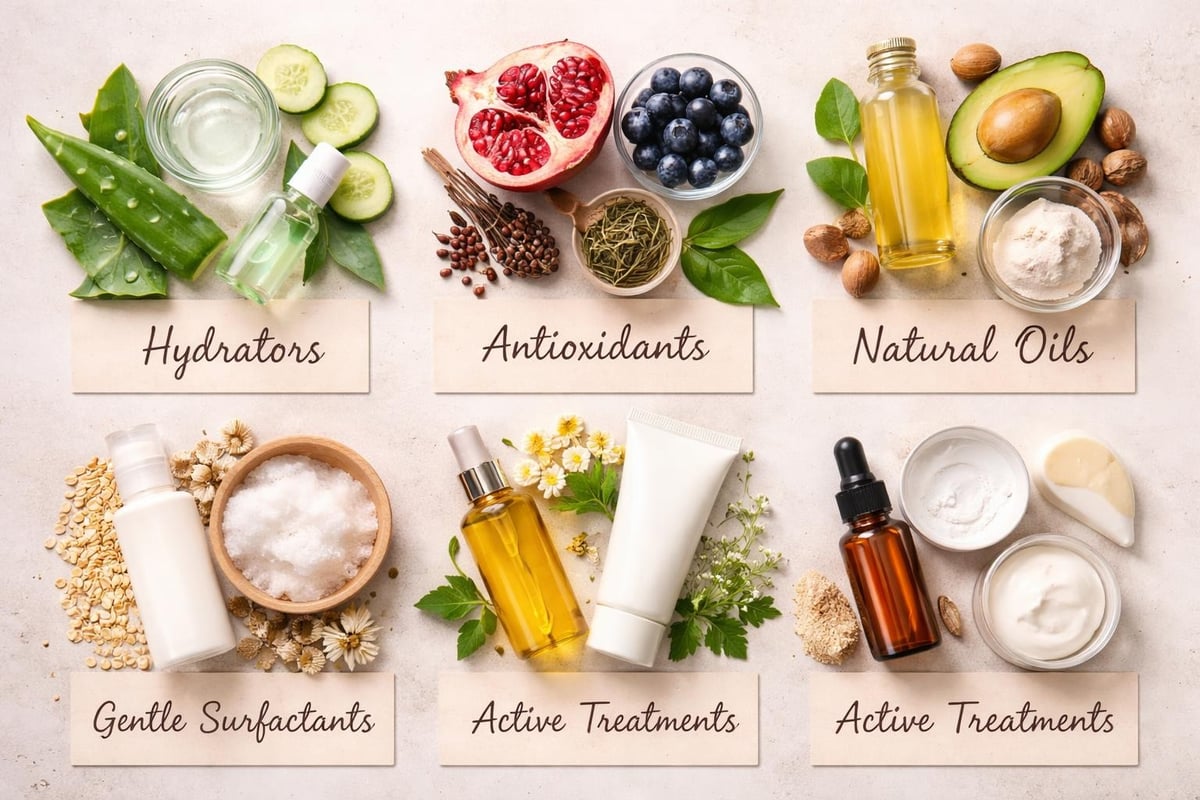
Hydrators and humectants:
- Hyaluronic acid draws moisture into the skin
- Glycerin attracts and retains water molecules
- Aloe vera provides soothing hydration
Antioxidants and vitamins:
- Vitamin C brightens and protects against environmental damage
- Vitamin E nourishes and supports skin repair
- Green tea extract fights free radicals
Natural oils and butters:
- Jojoba oil mimics skin's natural sebum
- Shea butter provides deep nourishment
- Rosehip oil supports regeneration and even tone
Understanding surfactants like Sodium Methyl Oleoyl Taurate helps you identify gentle cleansing agents in your beauty and skin care products. This mild ingredient effectively cleanses without the harshness of traditional sulphates.
Ingredients to Approach with Caution
Not all ingredients suit every skin type or align with ethical standards. Being aware of potentially problematic components helps you avoid beauty products that can damage your health or cause skin reactions.
Some people prefer to avoid parabens, synthetic fragrances, and mineral oils, seeking instead non-toxic skincare brands that formulate with cleaner ingredient profiles.
Tailoring Products to Your Skin Type
Selecting beauty and skin care products that match your skin type forms the cornerstone of an effective routine. Using inappropriate formulations can exacerbate existing concerns or create new challenges.
Dry and Sensitive Skin
Those with dry or reactive complexions need gentle, nourishing beauty and skin care products that strengthen the skin barrier. Rich textures and calming ingredients work best for these skin types.
Moisturisers for dry sensitive skin should contain emollient ingredients like plant-based oils and ceramides. These components replenish lipids and prevent moisture loss throughout the day.
Recommended product features:
- Fragrance-free or naturally scented formulations
- Creamy, substantial textures that don't feel heavy
- Ingredients like oat extract, chamomile, and calendula
- pH-balanced formulations that support skin's natural acidity
Oily and Combination Skin
Contrary to popular belief, oily skin still needs proper hydration from beauty and skin care products. The key lies in choosing lightweight formulations that won't clog pores whilst maintaining moisture balance.
Products for oily skin often feature gel or water-based textures. These formulations absorb quickly and don't leave a greasy residue, making them ideal for those prone to excess sebum production.
| Product Type | Dry/Sensitive | Oily/Combination | Normal |
|---|---|---|---|
| Cleanser | Creamy, milk-based | Gel or foaming | Balanced cream or gel |
| Toner | Hydrating, alcohol-free | Balancing, mattifying | Refreshing, versatile |
| Moisturiser | Rich cream or balm | Lightweight gel or lotion | Medium-weight cream |
| Treatment | Soothing serums | Clarifying treatments | Antioxidant serums |
The Ethics Behind Beauty and Skin Care Products
In 2026, ethical considerations play a crucial role in how consumers select beauty and skin care products. The industry has responded with greater transparency and commitment to sustainable practices.
Cruelty-Free and Vegan Standards
Cruelty-free skin care products ensure no animal testing occurs at any stage of development or production. This ethical stance has become a baseline expectation for many consumers.
Vegan formulations take this further by excluding all animal-derived ingredients, including honey, beeswax, lanolin, and carmine. Best vegan skin care products prove that plant-based alternatives can match or exceed the performance of traditional ingredients.
Look for these certifications:
- Leaping Bunny for cruelty-free verification
- The Vegan Society trademark for vegan assurance
- B Corp certification for overall ethical business practices
- Soil Association organic certification for natural sourcing
Sustainability and Environmental Impact
Beyond the formula itself, packaging and production methods matter significantly. Companies like Biacré demonstrate commitment to sustainable beauty through renewable energy use and innovative packaging solutions.
Choosing beauty and skin care products from environmentally conscious brands supports a wider movement towards sustainable consumption. This includes considerations like recyclable packaging, refillable options, and minimal waste production processes.
Smart Shopping: Value Versus Price
The beauty and skin care products market spans an enormous price range, from budget-friendly options to luxury formulations. Understanding where to invest and where to save helps you build an effective routine without overspending.
When to Invest
Certain beauty and skin care products merit higher investment due to ingredient quality, formulation complexity, or specific technologies. High-end skin products often contain higher concentrations of active ingredients or use proprietary delivery systems.
Worth the investment:
- Serums with high concentrations of active ingredients
- Specialised treatments for specific concerns
- Eye creams with targeted peptides and antioxidants
- Sunscreen with broad-spectrum protection and elegant textures
Where You Can Save
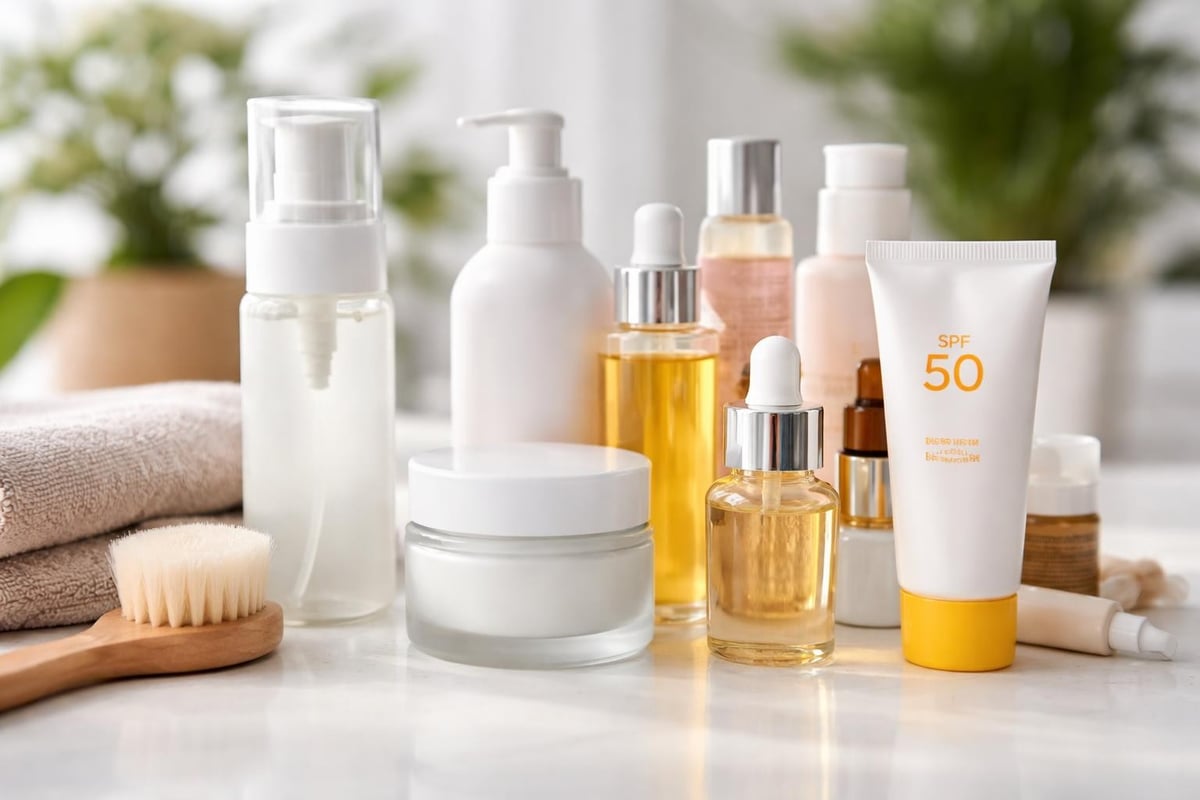
Not every step requires premium beauty and skin care products. Inexpensive skin care can be highly effective when you focus on fundamental ingredients and simple formulations.
Basic cleansers, simple moisturisers, and gentle toners often perform beautifully at accessible price points. The key lies in checking ingredient lists rather than being swayed by packaging or marketing claims.
Addressing Specific Concerns
Different skin concerns require targeted beauty and skin care products formulated to address particular issues. Understanding these specialised products helps you enhance your routine effectively.
Eye Area Care
The delicate skin around your eyes benefits from specialised formulations. Vegan eye creams address concerns like dark circles, puffiness, and fine lines using plant-based ingredients specifically chosen for this sensitive area.
These products typically feature lighter textures and gentler active ingredients compared to facial treatments, recognising the unique needs of periorbital skin.
Anti-Ageing Approaches
Modern anti-ageing beauty and skin care products focus on prevention and support rather than dramatic reversal claims. Ingredients like retinol alternatives, peptides, and antioxidants help maintain skin health and resilience over time.
Understanding marketing strategies in anti-aging skincare helps consumers navigate often exaggerated claims and focus on evidence-based ingredients.
Sensitive Skin Solutions
Those with reactive skin need particularly careful selection of beauty and skin care products. Skincare brands for sensitive skin formulate without common irritants, using minimal ingredient lists and proven gentle actives.
Patch testing new products and introducing them gradually helps identify any potential reactions before incorporating them fully into your routine.
The Digital Age of Beauty
Technology has transformed how we discover, select, and use beauty and skin care products. In 2026, digital tools offer unprecedented personalisation and guidance.
AI and Personalised Recommendations
AI visibility in beauty brands has become crucial for helping consumers find suitable products. Advanced algorithms analyse skin concerns, preferences, and ingredient sensitivities to suggest tailored routines.
Apps now offer virtual consultations, ingredient analysis, and progress tracking, making professional-level guidance accessible to everyone seeking better beauty and skin care products.
Building Product Literacy
Education remains essential for making informed choices about beauty and skin care products. Resources from dermatologists, estheticians, and reputable brands help consumers understand complex formulations and realistic expectations.
Trusted sources of information include:
- Peer-reviewed dermatological research
- Certified skincare professionals
- Transparent brand education materials
- Independent ingredient safety databases
Seasonal Adjustments
Your skin's needs change throughout the year, requiring flexibility in your beauty and skin care products selection. Adapting your routine seasonally ensures optimal support regardless of environmental conditions.
Winter Care
Cold weather and indoor heating can strip moisture from skin, necessitating richer beauty and skin care products. Switching to more emollient cleansers and heavier moisturisers helps combat seasonal dryness.
Summer Modifications
Warmer months often call for lighter textures and increased sun protection. Gel-based beauty and skin care products absorb quickly without feeling heavy in humid conditions.
| Season | Key Adjustments | Priority Products |
|---|---|---|
| Spring | Transition to lighter textures, address allergy-related sensitivity | Gentle cleansers, soothing toners |
| Summer | Focus on oil control, maximise sun protection | Lightweight moisturisers, broad-spectrum SPF |
| Autumn | Repair summer damage, begin increasing hydration | Antioxidant serums, balancing treatments |
| Winter | Combat dryness, protect barrier function | Rich moisturisers, nourishing oils |
Professional Guidance and Self-Care
While selecting appropriate beauty and skin care products empowers you to maintain healthy skin, professional input provides valuable insights for specific concerns or conditions.
When to Consult Experts
Persistent issues like severe acne, dermatitis, or unusual skin changes warrant professional evaluation. Dermatologists can diagnose underlying conditions and recommend prescription-strength beauty and skin care products when necessary.
Estheticians offer valuable guidance on product selection, application techniques, and routine optimisation, bridging the gap between medical dermatology and daily self-care.
Sample Sets and Discovery
Gift sets and samples allow you to test beauty and skin care products before committing to full sizes. This approach reduces waste and helps you discover what truly works for your skin without significant financial investment.
Many brands now offer discovery collections specifically designed to let you experience their complete range, making it easier to identify your favourites.
The Future of Beauty and Skin Care Products
Innovation continues to shape the beauty and skin care products landscape, with emerging technologies and ingredients promising even more effective, sustainable solutions.
Emerging Trends
Biotechnology enables the creation of lab-grown ingredients that replicate natural compounds with greater purity and sustainability. These innovations offer the benefits of traditional ingredients without environmental impact.
Microbiome-focused beauty and skin care products support the skin's natural bacterial ecosystem, working with rather than against your body's inherent protective mechanisms.
Exciting developments include:
- Personalised formulations based on genetic testing
- Probiotic and prebiotic skincare supporting skin flora
- Waterless formulations reducing environmental impact
- Smart packaging that monitors product freshness
Continued Emphasis on Transparency
Consumers increasingly demand honesty about sourcing, manufacturing, and ingredient efficacy in their beauty and skin care products. Brands responding to this demand with full disclosure and third-party testing build lasting trust and loyalty.
The movement towards clean beauty continues evolving, with emphasis shifting from simply avoiding certain ingredients to actively choosing beneficial, sustainable alternatives that deliver real results.
Selecting the right beauty and skin care products transforms from an overwhelming task to an empowering journey when you understand ingredients, ethics, and your unique skin needs. Whether you're seeking cruelty-free moisturisers, all-natural formulations, or targeted treatments, prioritising quality and values ensures your routine supports both your complexion and your principles. White Rabbit Skin Care offers a thoughtfully curated range of vegan, natural beauty and skin care products designed to nourish every skin type whilst respecting our planet and its creatures. Explore their collection today to discover ethical skincare that truly delivers.